Blog

  • If you’re going to win an Ashes Test, you need to get more than 200 on the board

    As ever, it’s the hope that kills you.
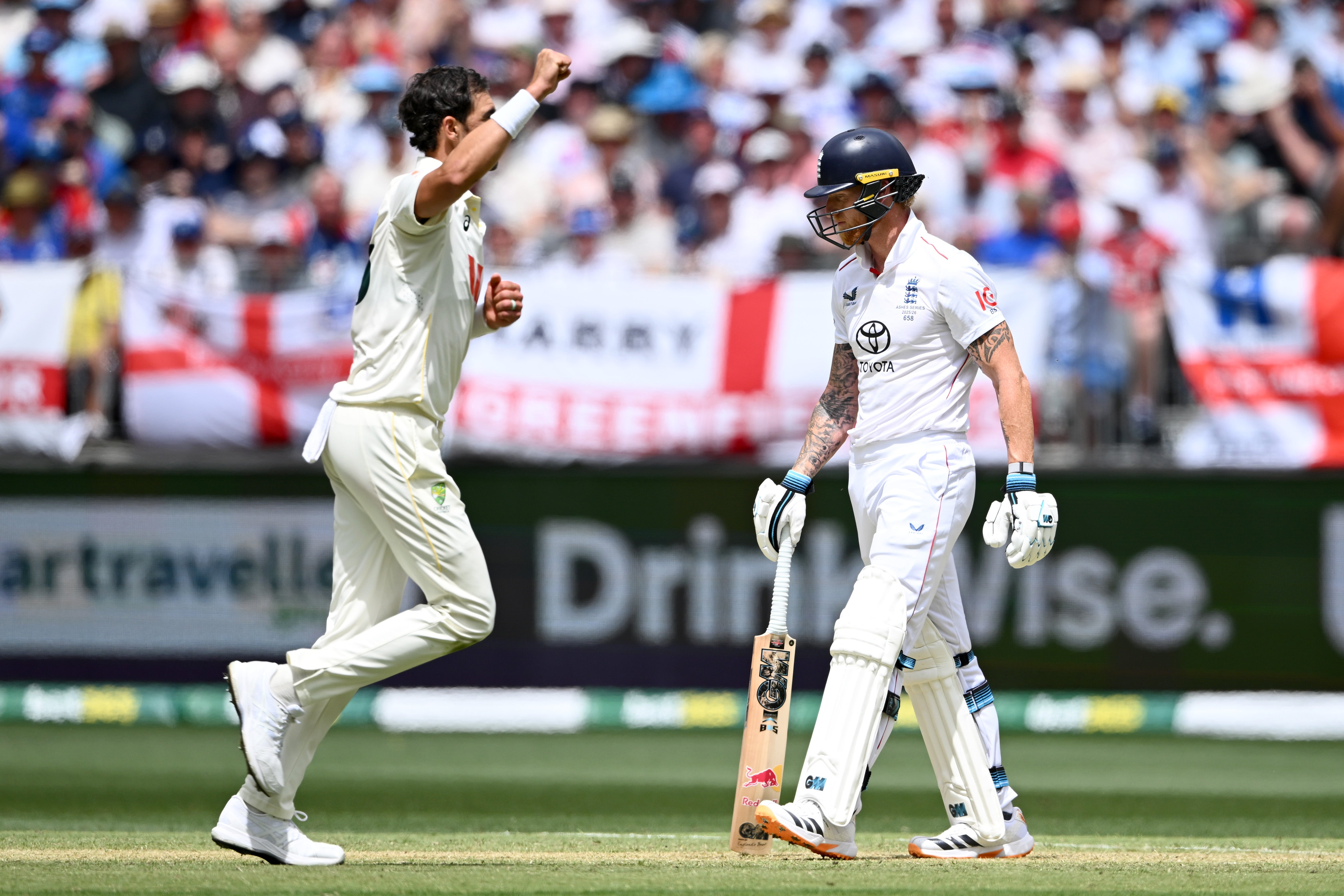
    No matter what has gone before, no matter how many thrashings England have been on the end of, the build up to an Ashes series gets me as excited as a toddler does for Christmas.

    Test cricket is the aristocracy of sport, and Ashes Tests are the pinnacle of it. In many ways, us English are, culturally, incredibly similar to Australians. Neither of us likes to admit it. But in many other ways we’re also a complete contrast of each other. That’s what makes the Ashes special. The empire against the colony. Lords against larrikins.

    The latest Ashes series started this week in Perth. Since a dominant 3-1 victory back in 2010-11, England had not won a match down under, let alone a series. This series would be different, though, surely. This was an England team on the up, a young and exciting side who had been largely successful for three years under the guidance of coach Brendon McCullum and captain Ben Stokes. Australia were the old guard, nearly everyone in the squad over 30, an increasingly weak batting line up that had been exposed in recent times, and a bowling attack that had been the very best in the world but was now starting to show its age. Surely, this was England’s best chance to win the Ashes in Australia for 15 years.

    Why, then, am I writing this while an Australian moustache – otherwise known as batter Travis Head – is on my TV with a big cheesy grin on his face? In the bottom right hand corner, a graphic helpfully points out that Australia have won the first Test by 8 wickets.


    A word on TNT’s Ashes coverage
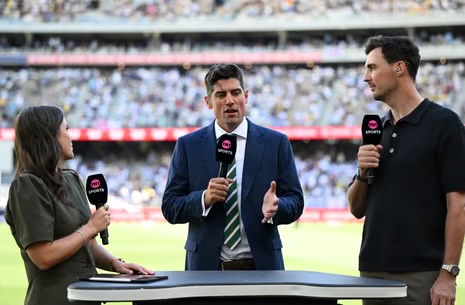
    This year’s Ashes is live for UK audiences on TNT Sports. Between TNT and its predecessor, BT Sport, this is the third consecutive away Ashes tour they have shown. Unfortunately, the coverage has got worse in that time, not better.

    Back in 2017, when BT were in charge of showing the first England Test match not to be on Sky since 2005, you have to say they did a reasonable job. They made their own graphics for it, they put together a bespoke commentary team which meant we avoided hearing growling Aussie voices, they put some effort in.

    The next series in 2021-22 was obviously badly impacted by Covid, so BT just took the Australian feed with its overbearing graphics and silly back-to-front score style. Commentary wise, it was either the Aussie commentators or some piped-in commentary from someone watching the action on a screen in London. This is called ‘off tube’ commentary in the industry, and does not make for a great experience, though it was understandable in the circumstances.

    Less forgivable is the poor effort we’ve been given this year. For some reason, TNT have paid for the presenter Becky Ives and two pundits – ex-England captain Sir Alastair Cook and former bowler Steven Finn, to go out there, but not any commentators. Commentary has been provided, again off tube, by – I kid you not – professional rugby and cycling commentators such as Ali Eykyn and Rob Hatch. Nice voices they may be, but their lack of cricket knowledge is evident.

    After England had been bowled out for 172 in 32.5 overs on the first day, one of them said England had been removed from “32 and a half overs”, clearly not quite understanding what ‘.5’ meant in this context. On day 2, a brilliantly executed and very deliberate guide down to third man by Marnus Labuschagne was met with a cry of “EDGED!” from the commentator. Cook and Finn subsequently pointed out that it had come off the middle of the bat.

    Come on, TNT. If you’re going to bid for the rights, give a series like the Ashes the respect it deserves, because – a bit like England’s batting – this isn’t good enough.


    All that build up, all that hope, all that talk, and Australia have given England a hiding within two days. Two days! It only started yesterday!

    Questions have to be asked about England’s preparation. It’s an issue that those inside the camp have been brushing off, swatting away like all those Aussie flies, for weeks. England last played a Test match in August, against India at The Oval. They had only one warm up match, if you could call it that, on Australian soil before the Ashes began. This was no more than a jolly knockabout with England’s ‘A’ side, the Lions. In days of old, England would have arrived in Oz several weeks before the first Test and played proper first class games against hardened Australian state teams. That’s proper preparation. Not a few rounds of golf, a bit of a knock in the nets and a couple of days in the park with your mates.

    It’s been the batting that has let England down. They were bowled out twice for less than 200 in Perth, and that was by an Australian attack that was missing two of its biggest names, Pat Cummins and Josh Hazlewood. It was the one remaining member of that holy trinity, Mitchell Starc, who took seven wickets in the first innings and ended up the player of the match. A lot of his wickets weren’t brilliant bits of bowling though. England slogged so many innocuous deliveries up in the air, presenting their opponents with simple catches, that it would be enough to make any Englishmen watching from back here in the dark and cold hide under their duvets.

    A lot has been made of the ‘Bazball’ approach. The ultra positive, go hard and to hell with the consequences brand of cricket that England have been playing since 2022. In the last year or so, it seemed they had adapted it somewhat, into what the former captain and now pundit Michael Vaughan described as ‘Bazball with brains’. Yes, be positive. Take the action that will move the game forward. Don’t be afraid to try things. But if the situation needs you to rein it in a bit, do so. Wait until the opportunity is there to go on the attack.

    Unfortunately the brains must have been left at the airport. In both innings, England showed no application, no awareness of the situation, and the brilliant players that we have like Harry Brook (albeit he was the only one to make a 50 in the first innings) and the great Joe Root had been and gone quicker than a Liz Truss premiership.

    You can’t expect to win a Test match when you don’t get past 200. This needs to be addressed urgently. There should no rounds of golf between now and the second Test. These batters need to get in the nets and work hard. Bat, bat and bat some more.

    Thousands of the Barmy Army have travelled to the other side of the world to support England on this tour. They have let them down. They’ve paid thousands for flights, hotels and tickets and the match is all done within two days. It’s not good enough.

    England’s bowlers must emerge with some credit, though the way they turned into cannon fodder, for Head especially, in the second innings is a concern. On the first day they were superb. The battery of fast bowlers, the quickest England have ever taken to Australia, were peppering the batters with vicious pace and asking questions nearly every ball. They couldn’t have been expected to keep that up, though, and they couldn’t have expected Australia to be bowled out so cheaply twice.

    For me, this defeat lies firmly with the England batting line up. I don’t want to hear them shrug this off and say ‘it’s just one of those things’. The hard work must start now or this could be a bleak winter.
  • England are once again the laughing stock of world cricket

    The figures make for grim reading. England’s men’s cricket team, who were world champions in the 50 over format in 2019 and the 20 over version in 2022, have gone out of the Champions Trophy having lost all three of their games.

    Brendon McCullum took over as coach of the white ball side in January hoping to bring with him some of the success he has enjoyed since becoming Test coach in 2022. At the time England were in dreadful form and his positivity and uncomplicated tactics transformed both results and the way in which they were achieved. The team beat India with a brilliant run chase at Edgbaston, whitewashed Pakistan in Pakistan and stopped the Aussies winning the Ashes on English soil.

    It was hoped that McCullum’s arrival would give a boost to Jos Buttler’s squad, whose form had been indifferent to say the least. The 50 over World Cup was tamely surrendered in India in 2023 and last year they limped through to the semi-finals of the T20 tournament before being comfortably beaten by eventual champions India.

    The Champions Trophy, while another ICC global event, is more of a money spinner for the game’s governing body than a tournament that is highly regarded by players and fans. This is the first time it has been staged since 2017, and exists to fill the gap where otherwise there would be no big international tournament.

    This particular Champions Trophy has been something of a farce. Three of the matches have been washed out, which is too many in a tournament as short as this, and India’s refusal to travel to play in the land of their bitter rivals Pakistan has seen them enjoy what have been effectively home matches in Dubai. A ridiculous situation – India should have been told that they either play in Pakistan or don’t participate at all. Sri Lanka and the West Indies would have been more than willing to replace them.

    So, it’s not as if England’s terrible performance in Pakistan will be worried about for long. But the fact is England are once again the laughing stock of world cricket after spending the last decade building an excellent reputation.

    Buttler has resigned and the search for a new captain, most probably Harry Brook, has begun. England don’t play again in white ball cricket until May – it will be interesting to see what the team looks like by then.

  • Something made me laugh at Lincoln Cathedral

    Something made me laugh at Lincoln Cathedral

    I was in Lincoln Cathedral (again) today and something made me laugh.

    I couldn’t quite figure out a way to show it to you all so what I was trying to point out really came across, and this is the best method I could think of.

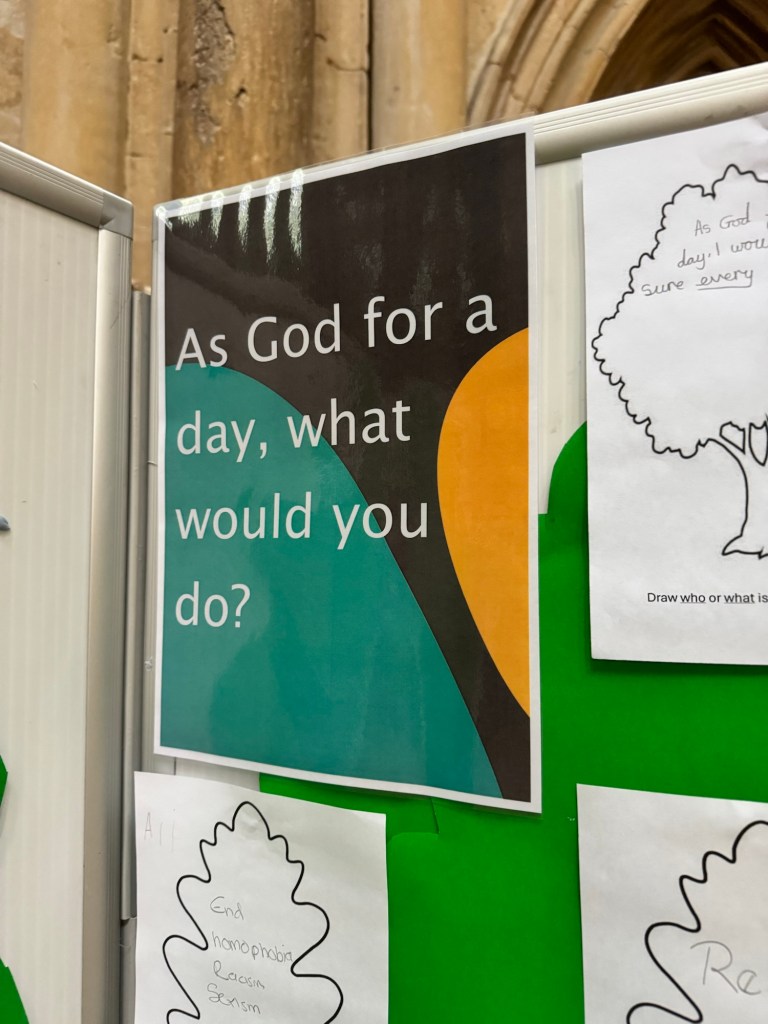
    In one corner of the cathedral there is a board, aimed at children, asking the following question:

    It’s a good way to keep the kids interested and give them something to think about and to do.

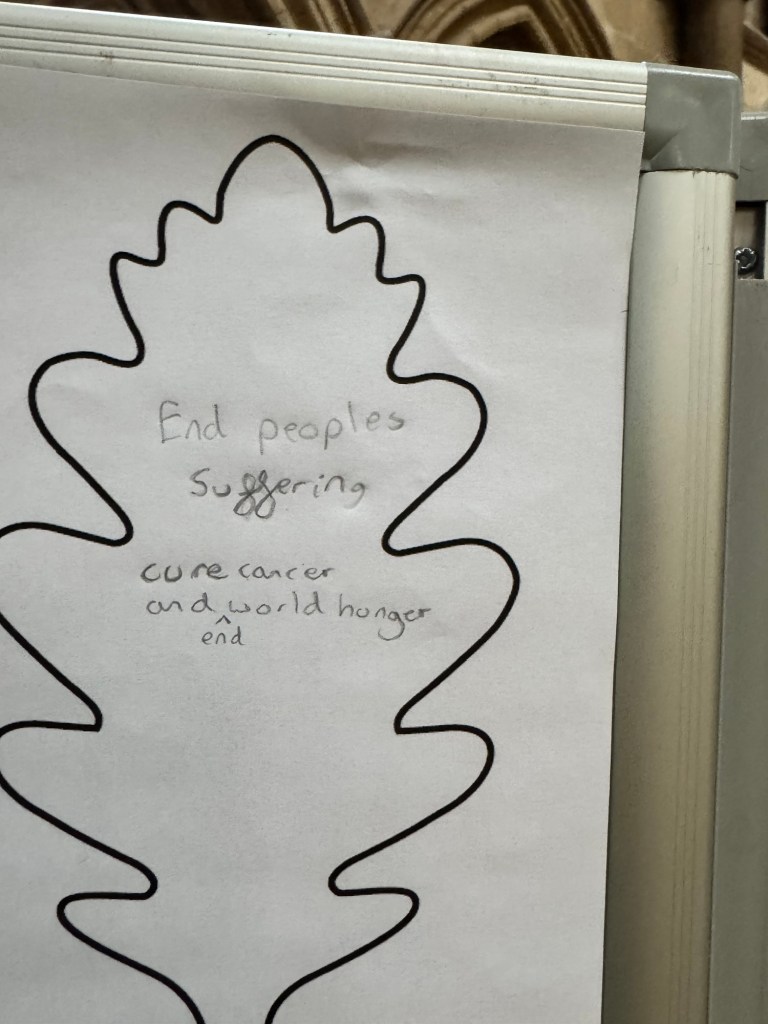
    In a heartwarming way, a lot of the responses stuck to the board were noble, wishes to end world hunger, cure cancer and put an end to all wars and so on:

    I continued to scan the board, though, confident that somewhere I’d find one where the author had not quite received the memo.

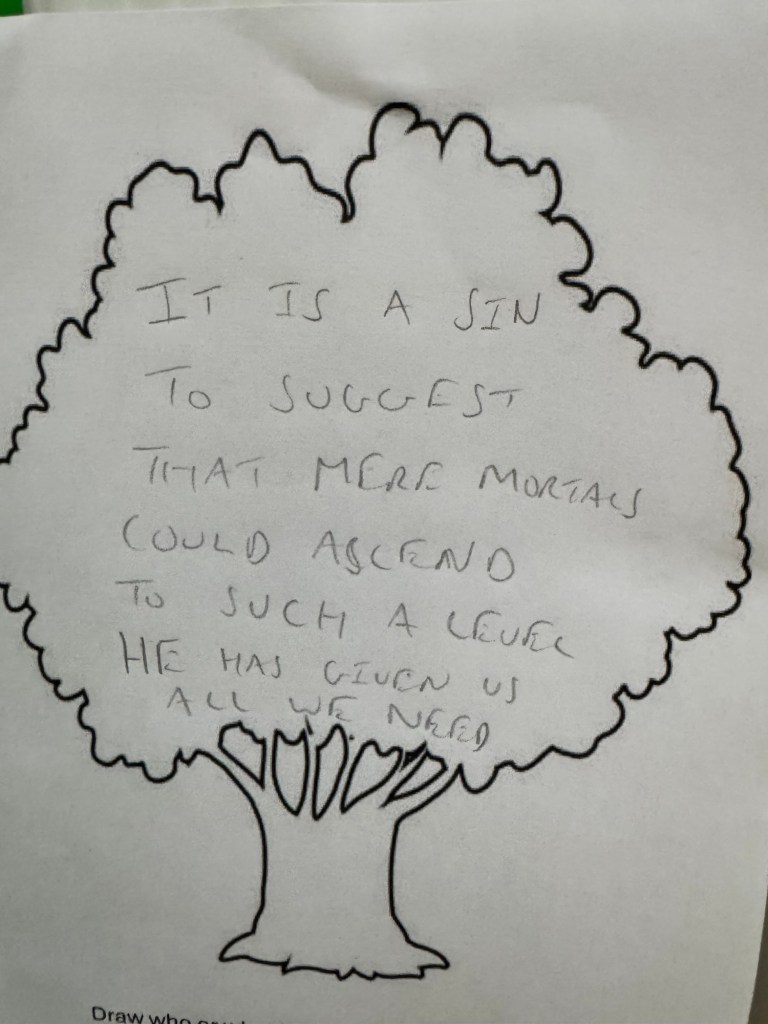
    This one, I imagine, was a highly offended Christian adult:

    That person is not, I’m guessing, much of a laugh.

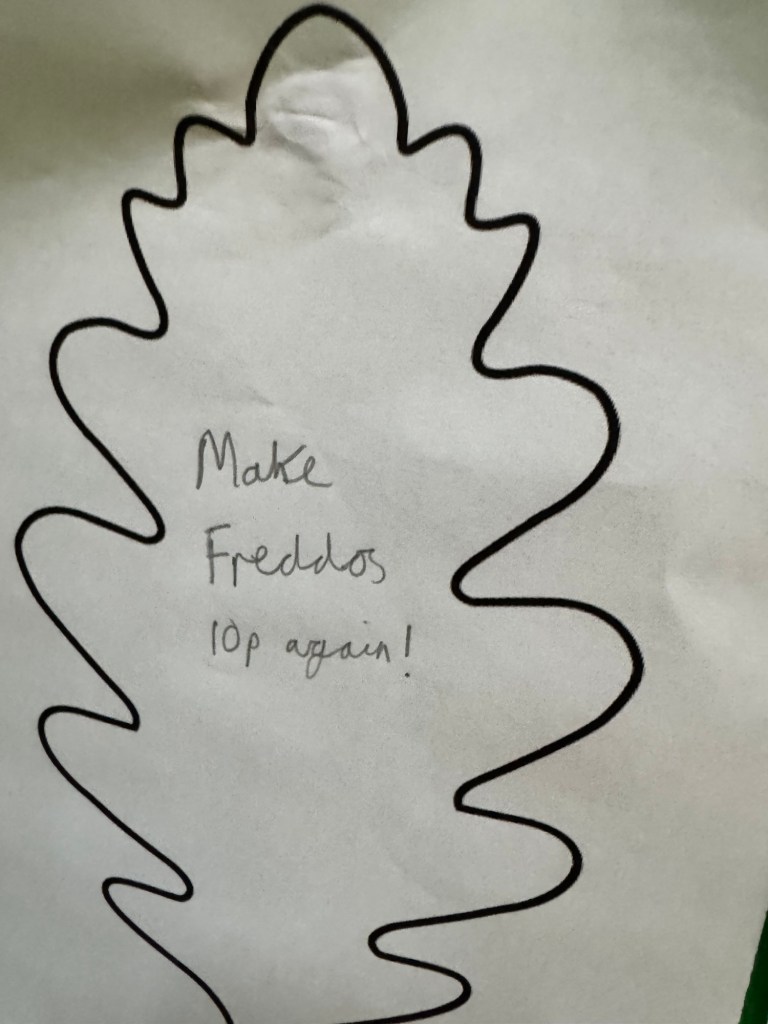
    Anyway, I soon hit the jackpot. Given the chance to be God for a day – the almighty – and to do anything you wanted, to make any change to the world you wished to, this person says:

    I can’t think of a better way to achieve world peace, can you?

    Lee

  • AI vs Human Writing

    AI vs Human Writing

    Identifying whether a piece of writing was generated by artificial intelligence (AI) or written by a human can be a complex task, especially as AI models have become increasingly sophisticated. However, there are certain indicators and techniques that can help distinguish between AI-generated and human-written content.

    1. Style and Tone Consistency

    One of the more subtle ways to identify AI-generated text is by analyzing the consistency of style and tone throughout the writing. While AI models have improved significantly, they may still struggle to maintain a consistent voice, especially in longer pieces. Human writers, on the other hand, tend to have a distinct style or tone that remains fairly consistent throughout a document, reflecting their personal voice, experiences, and emotions. For instance, a human writer might vary their tone based on the subject matter or the intended audience, while AI might apply a more uniform tone regardless of context.

    2. Complexity and Nuance

    Human writing often reflects a deep understanding of context, cultural references, and subtleties that AI may not fully grasp. Humans are more likely to incorporate metaphor, irony, humor, and nuanced opinions that are influenced by their unique experiences and perspectives. AI-generated content, while coherent and often informative, might lack this depth of insight. The AI might miss the implications of certain phrases or fail to capture the intricate details that a human writer might include, especially when dealing with complex topics.

    3. Predictable Patterns

    AI models, particularly those trained on vast amounts of text data, might generate content that follows certain predictable patterns. For example, AI-generated text might overuse specific phrases or structures, reflecting the most common patterns found in the training data. Human writers, however, are more likely to introduce variations, experiment with different sentence structures, or employ creative ways to convey their message. Additionally, AI might repeat certain themes or phrases within the same text, which can be a telltale sign of machine generation.

    4. Errors and Imperfections

    Ironically, the presence of minor errors, such as typos, grammatical mistakes, or awkward phrasing, might indicate human authorship. Human writers, even skilled ones, are prone to occasional mistakes that can slip through even after editing. In contrast, AI-generated text typically exhibits flawless grammar and spelling, though it might occasionally produce unnatural or awkward sentences. These odd phrasings are not errors in the traditional sense but can feel slightly off, which might suggest that the text was machine-generated.

    5. Creativity and Originality

    Human creativity often involves breaking the rules or combining ideas in unexpected ways. This can lead to original metaphors, unconventional viewpoints, or a narrative style that is uniquely human. AI, on the other hand, generates text based on patterns it has learned from existing data, which means its output can sometimes feel derivative or lacking in true originality. For example, an AI might generate a technically correct piece of writing, but it might lack the spark of creativity that a human writer could bring to the same topic.

    6. Contextual Awareness

    Human writers are generally aware of the broader context in which they are writing, such as current events, cultural trends, or the specific needs of their audience. This awareness allows them to craft content that is relevant, timely, and resonant with their readers. AI, while able to generate relevant text based on prompts, might not fully understand the current context or fail to address it appropriately. This can result in content that feels out of touch or misaligned with the intended audience.

    7. Purpose and Intent

    Human-written content often has a clear purpose or intent behind it, whether it’s to persuade, inform, entertain, or provoke thought. This intent is shaped by the writer’s motivations, experiences, and the specific message they wish to convey. AI-generated text, while capable of mimicking various writing styles, may lack the underlying intent that drives human writing. It might produce content that is technically accurate but feels mechanical or lacks the passion that a human writer would infuse into their work.

    Conclusion

    While AI-generated text can be remarkably convincing, there are still several indicators that can help distinguish it from human-written content. By paying attention to style consistency, complexity, predictability, errors, creativity, contextual awareness, and intent, one can often discern whether a piece of writing was crafted by a human or an AI. As AI continues to evolve, these distinctions may become more nuanced, but the unique qualities of human writing are likely to persist.

  • Lincoln’s Steep Hill is aptly named, Southwell is proud of its apples and Boston is a bit rough – my July 2024 holiday (part 2!)

    Lincoln’s Steep Hill is aptly named, Southwell is proud of its apples and Boston is a bit rough – my July 2024 holiday (part 2!)

    The last time I wrote to you, I was about to leave Nottingham for the next stop on my road trip holiday.

    Before going away, I had read about Nottinghamshire in a book I had called I Never Knew That About England. The section on Southwell I found particularly interesting, with it being described as one of England’s least known cathedral towns. It turned out to be a perfectly easy stop on the way between Nottingham and Lincoln, so mum and I decided to go and explore.

    The quite remarkable Southwell Minster. I didn’t have the patience to wait for the old lady with the walking frame to get out of the way.
    Southwell is a small, pretty, well-looked-after town that is completely dominated by its magnificnet minster. Built in Roman times, it really needs to be seen to be believed.
    The town is also famous for (and very proud of) being the birthplace of the Bramley apple. Mary Ann Brailsford, aged 9, planted some apple pips in her garden on the outskirts of Southwell in 1809. The resulting tree produced so much fruit that in 1856 the later owner of the house, Matthew Bramley, was asked if he would consider selling the apples. By 2007, 95% of total culinary apple orchards in England and Wales were Bramley apples. Mary Ann Brailsford probably never knew that the tree she planted had become so famous – when you think about it, we should really be making our apple pies with Brailsfords.

    From Southwell, we drove on to Lincoln. This was my first time in Lincoln, but unlikely to be my last. With its castle and cathedral, I felt an immediate affinity with my beloved home city of Norwich. It doesn’t happen often, but Lincoln might actually beat Norwich for history – it still has a Roman archway that traffic passes through.

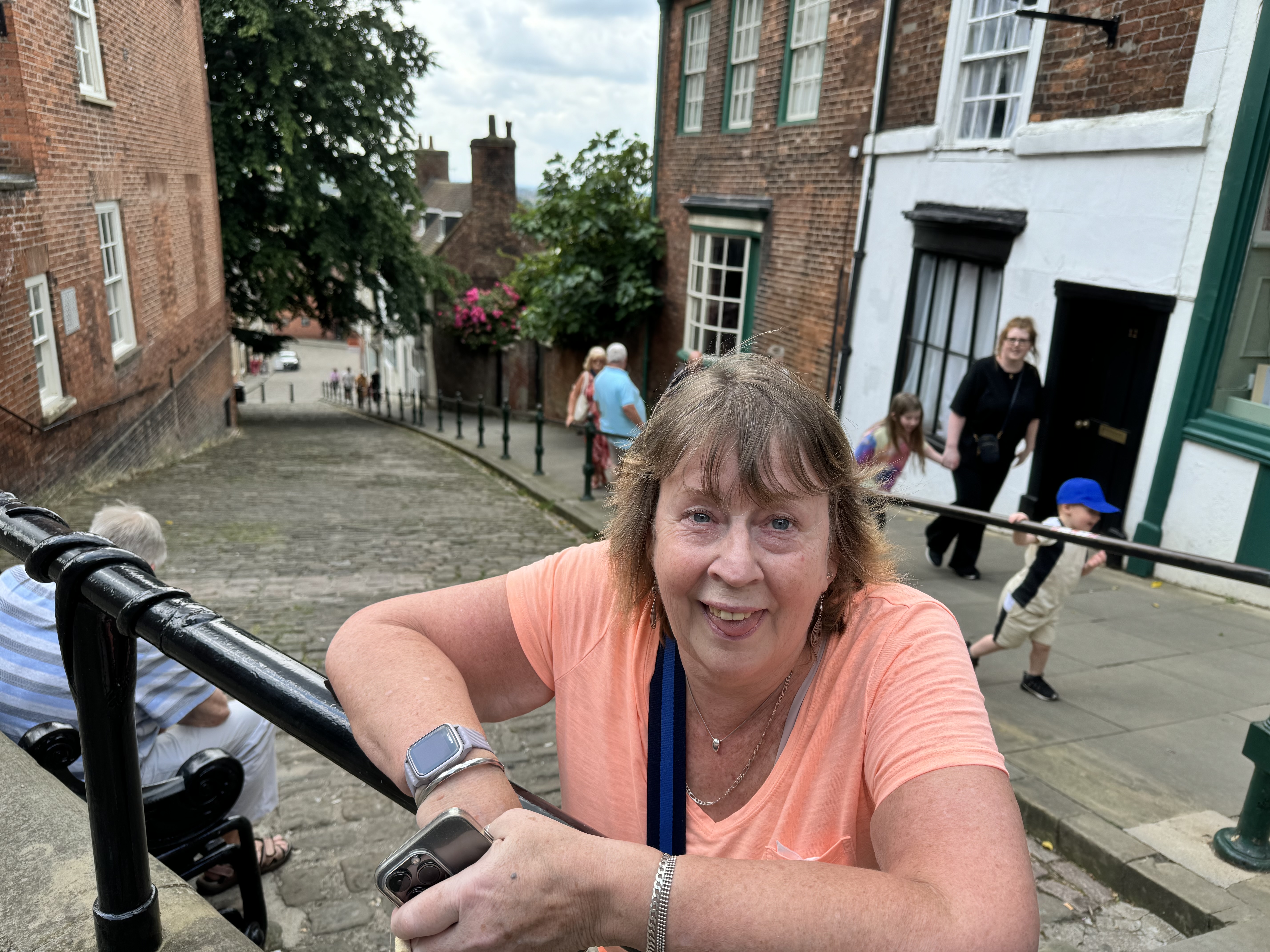
    We had been warned about Steep Hill in Lincoln, possibly the most aptly named road in Britain. My dear mum, who is asthmatic, has a hernia and has just turned 60, surprised the both of us by managing to walk up this monster of a hill. Here she is at the top.

    Mum at the top of Lincoln’s frankly ludicrous Steep Hill

    Steep Hill was well worth the climb though, as the Cathedral Quarter at the top is beautiful. We went into the grounds of the castle and paid to do the castle wall walk. You get to walk all the way along the top of the castle walls, a full circle, and it was well worth the £10 fee to do so. The views are simply spectacular, both of the cathedral opposite and the surrounding countryside.

    The cathedral as seen from the castle walls.
    Overlooking Lincoln from the castle walls

    We decided to come back on Thursday to do the cathedral. The only other thing we did in Lincoln on Wednesday was have the best waffle I’ve ever tasted at Madame Waffle. Seriously, if you are ever in Lincoln, go and have a waffle at Madame Waffle. I had one covered in Nutella and topped with fresh strawberries and I am wondering if I will ever taste anything like it again.

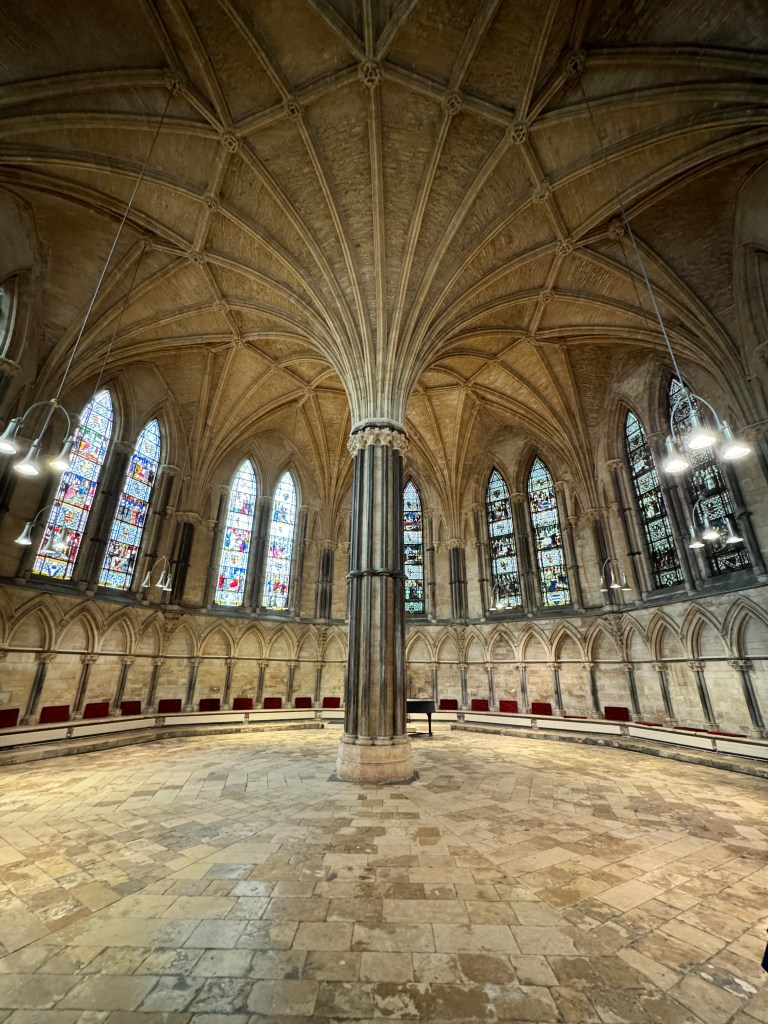
    The nave of Lincoln Cathedral was off limits to the public on the day we visited because it was being used for the local university’s graduation ceremonies, but it meant we got in for a reduced rate and got to experiene the atmosphere of a cathedral filled with the sound of organ music. There was still plenty of the magnificent building worth seeing, including the Chapter House.

    The Chapter House inside Lincoln Cathedral

    I had also read about a slightly more recent bit of quirky history to do with Lincoln cathedral. The story goes that a boy, Gilbert Bell, was playing with a tennis ball in the shadow of the cathedral, all the way back in 1914, when it unfortunately became stuck in the mouldings of the building. It was too high to even entertain the thought of climbing up to retrieve it. And there Gilbert’s tennis ball has remained! 110 years on, the tennis ball is still lodged in place – and I managed to find it!

    Gilbert Bell’s tennis ball, lodged in the mouldings of Lincoln Cathedral since 1914

    The final stop on the road trip was to Boston. Boston is famous for being the place a lot of the first pilgrims that travelled to the USA came from – and that is very much what the town shouts about. References to the pilgrims are everywhere – in statues, in street names, in pubs. I don’t want to be too negative about the place, but I can understand why the pilgrims were so keen to leave! Of course, the Boston in Massachusetts, USA takes its name from this Lincolnshire port.

    Yes, Boston is a little on the rough side these days. A lot of it needs regenerating, I was wary of the locals and I made sure I wasn’t still out after dark. But our accomodation, the Quayside Hotel, was a gem. Its owners were actually once winners on the Channel 4 show Four in a Bed. The rooms were small but had everything I could wish for.
    Relaxing on my bed in the Quayside Hotel, Boston

    Undoubtedly the jewel in Boston’s weathered crown is St Botolph’s Church, known locally as the Stump. The sheer size of what is simply a parish church would put many cathedrals to shame. We had a great time wandering around, taking in all the details, and watching resident ‘morale assistant’ dog Morse running around with a tennis ball.
    St Botolph’s Church, Boston, knows as ‘the Stump’

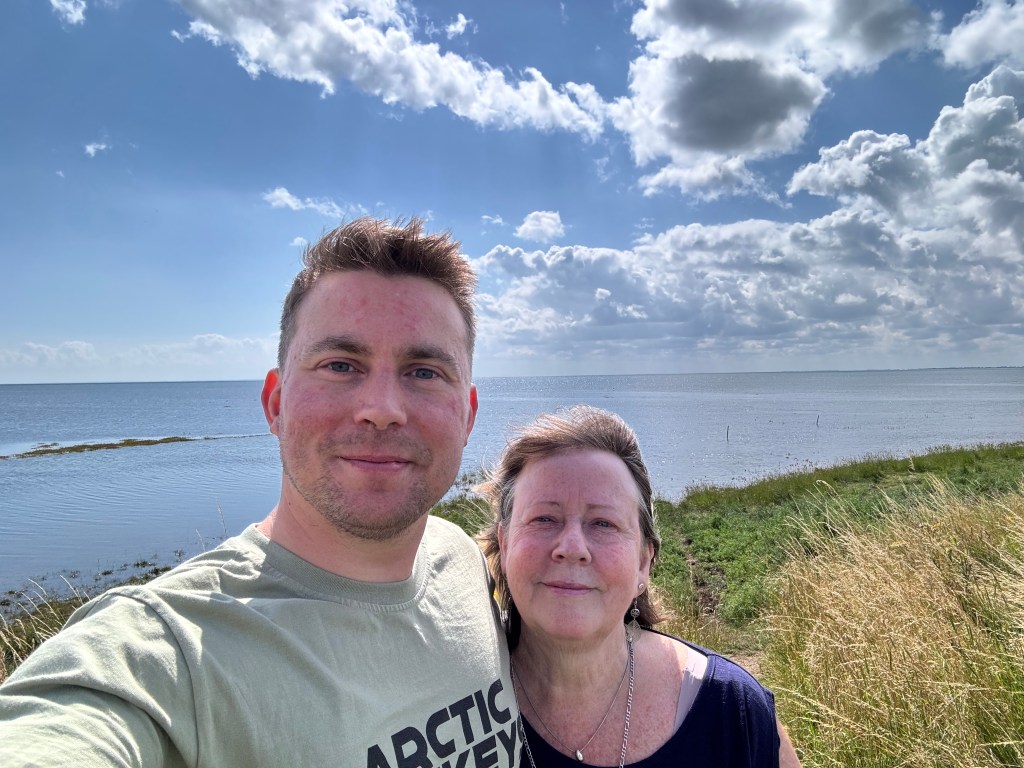
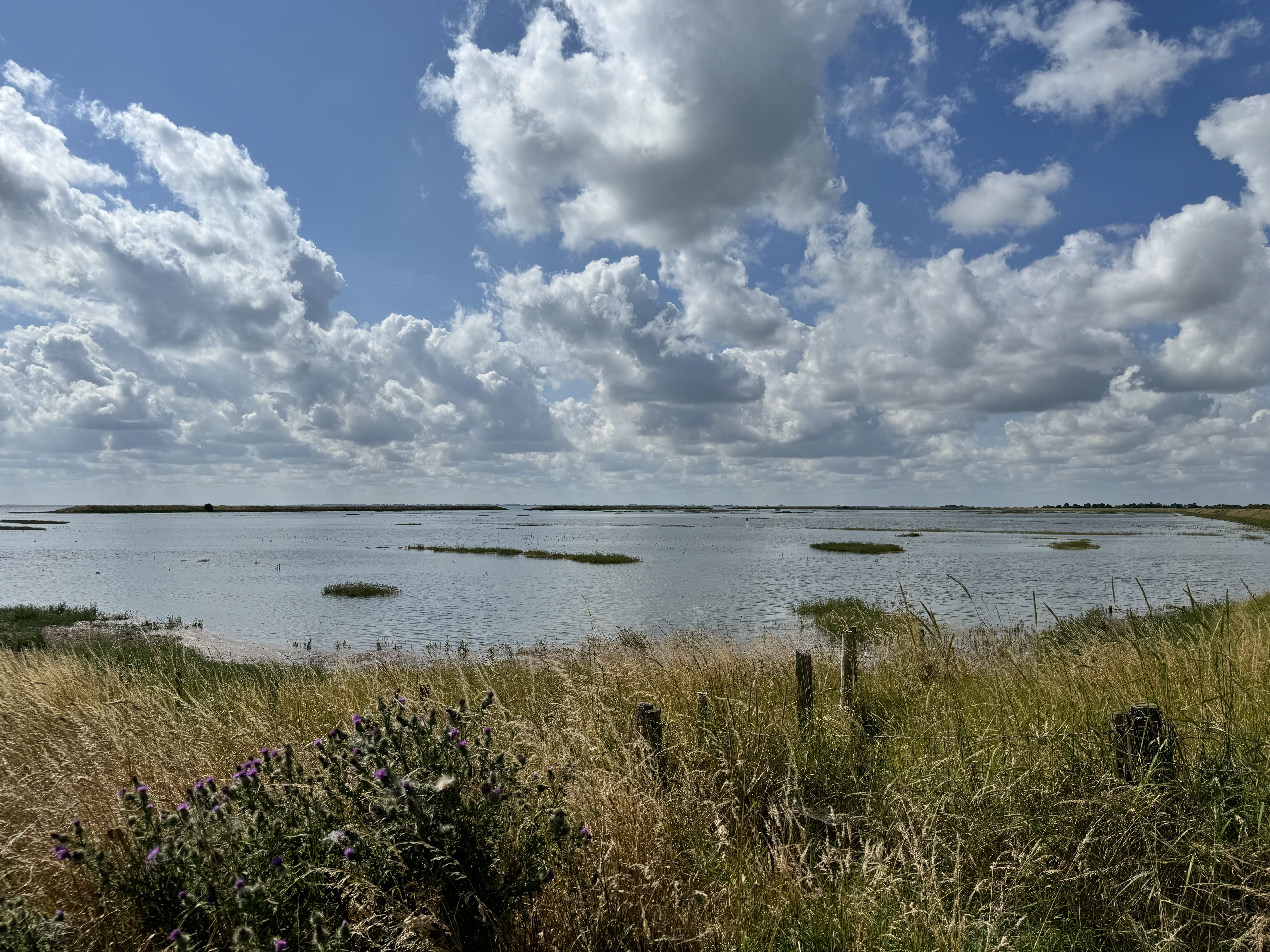
    And so to Friday morning. Mum wanted to go to the coast, look back over the Wash to the shoreline of Norfolk, and take in the view that she had so often seen from the other side. We achieved this at a salt marsh about twenty minutes from Boston.

    Salt marsh near Boston. In the distance you can just about make out the Norfolk coastline (the Hunstanton/Heacham area)

    Then it was time to head home. Another lovely holiday is over, and on Sunday it’s back to the Misery Dome (i.e. work) for me. But I have really enjoyed myself. It’s been lovely to get away, to recharge, to see some new sights. I’ve even walked in the footsteps of royalty. I saw a great day of cricket and discovered Lincoln. I come home happy.

    When’s the next one?

    Thanks very much for reading.

  • My trip to Nottingham: cricket, traffic lights and painkillers

    My trip to Nottingham: cricket, traffic lights and painkillers

    Hello from Nottingham!

    I’m writing this in my hotel room near the River Trent, where I am on holiday.

    The main reason for coming here was to watch the England men’s cricket team play in the Test match against the West Indies at Trent Bridge, my favourite cricket ground in the country. Mum and I had tickets for the fourth and fifth days of the match, and after England thrashed the tourists in the first Test at Lord’s – completing the victory an hour into the third day – we had our fingers crossed that the game would get that far.

    Thankfully, the West Indies put up much more of a fight in this one and we made the two-hour journey from home on Sunday morning with the weather set fair and a finely poised cricket match in prospect.

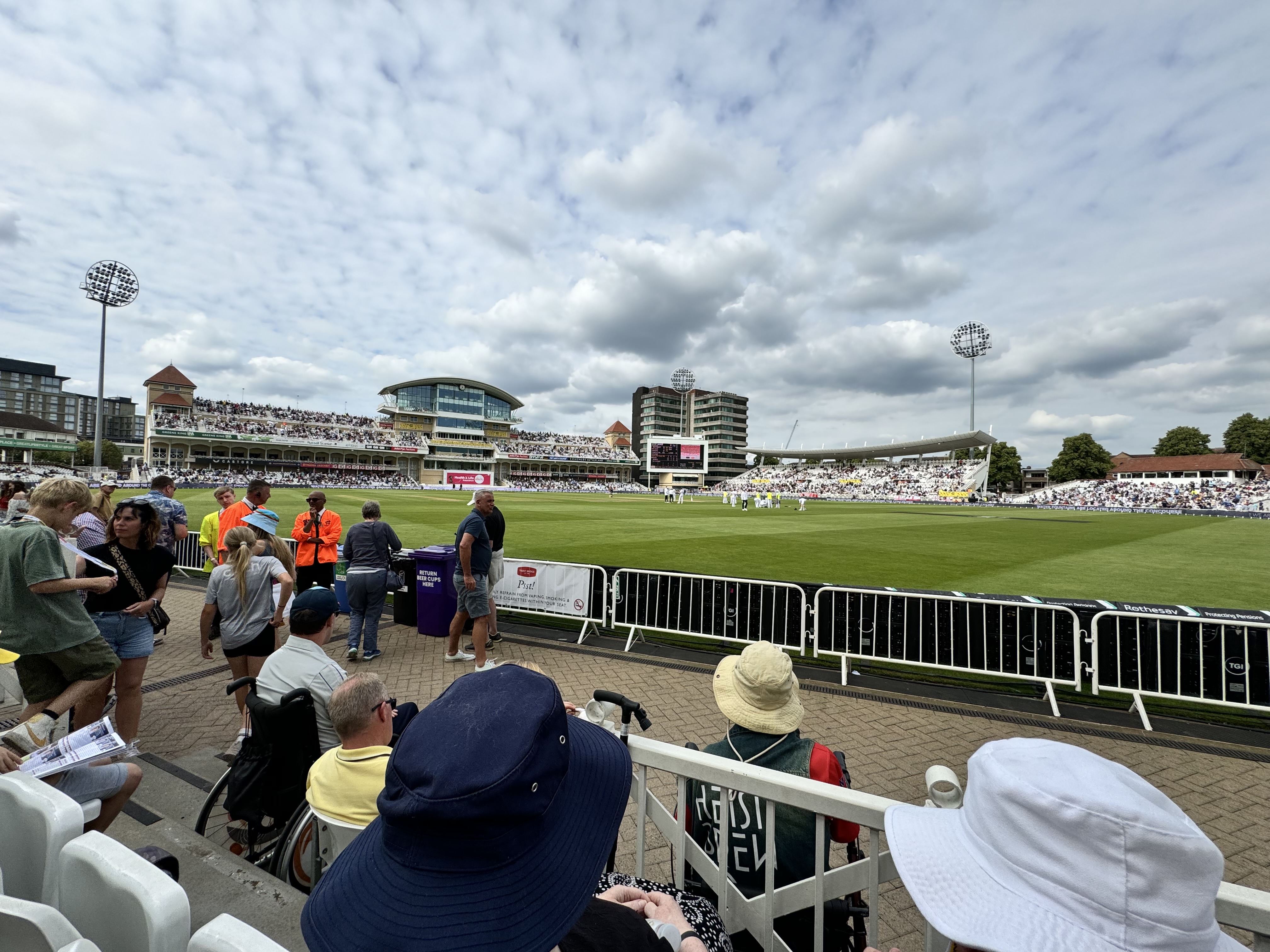
    The view from my seat at Trent Bridge for England v West Indies

    In the end, we couldn’t really have asked for better! We saw Harry Brook complete his first Test century in a home match (his other four had been overseas), Joe Root reach not only 50 but then a hundred of his own (his 32nd Test century), Shoaib Bashir take a 5 wicket haul, and an England victory on Sunday evening. We will get a refund for the fifth day tickets, so we haven’t been left out of pocket.

    Finding ourselves with a free day on Monday, mum and I went into Nottingham to explore. Nottingham has some interesting old buildings but I would describe it as rough around the edges. There is a lot of building work going on, but large areas seem almost to have been left to ruin. Centuries old architecture stands next to unsympathetic concrete monstrosities. It made me appreciate Norwich even more!

    Here are a few things I’ve learned about Nottingham though:

    • Traffic lights: my word, there are a lot of traffic lights in Nottingham. The city seems to have a problem with queues of traffic, and from what I can see a lot of them would be eased if they didn’t have so many traffic lights. It makes sense, though, when I discovered that Nottingham is the birthplace of the traffic light. Engineer John Peake Knight adapted the signalling system used on the railways for the roads, although the first one was installed in London in 1868. Nottingham’s Radcliffe Road (which runs behind the cricket ground) was the first road in the world to be covered in tarmac.
    • Ibuprofen: at one point yesterday, mum asked me to go into a shop and buy her a couple of packets of ibuprofen. It wasn’t until I got back to the hotel and did some research that I discovered Nottingham is where this particular painkiller was invented. Dr Stewart Adams developed ibuprofen, in an effort to find an alternative to aspirin, while working in the laboratories of Boots Pure Drug Company Ltd in the 1960s. Jesse Boot took on his father John’s herbalist shop in Nottingham in the 1860s and transformed it into the famous Boots chain of chemists we know today.
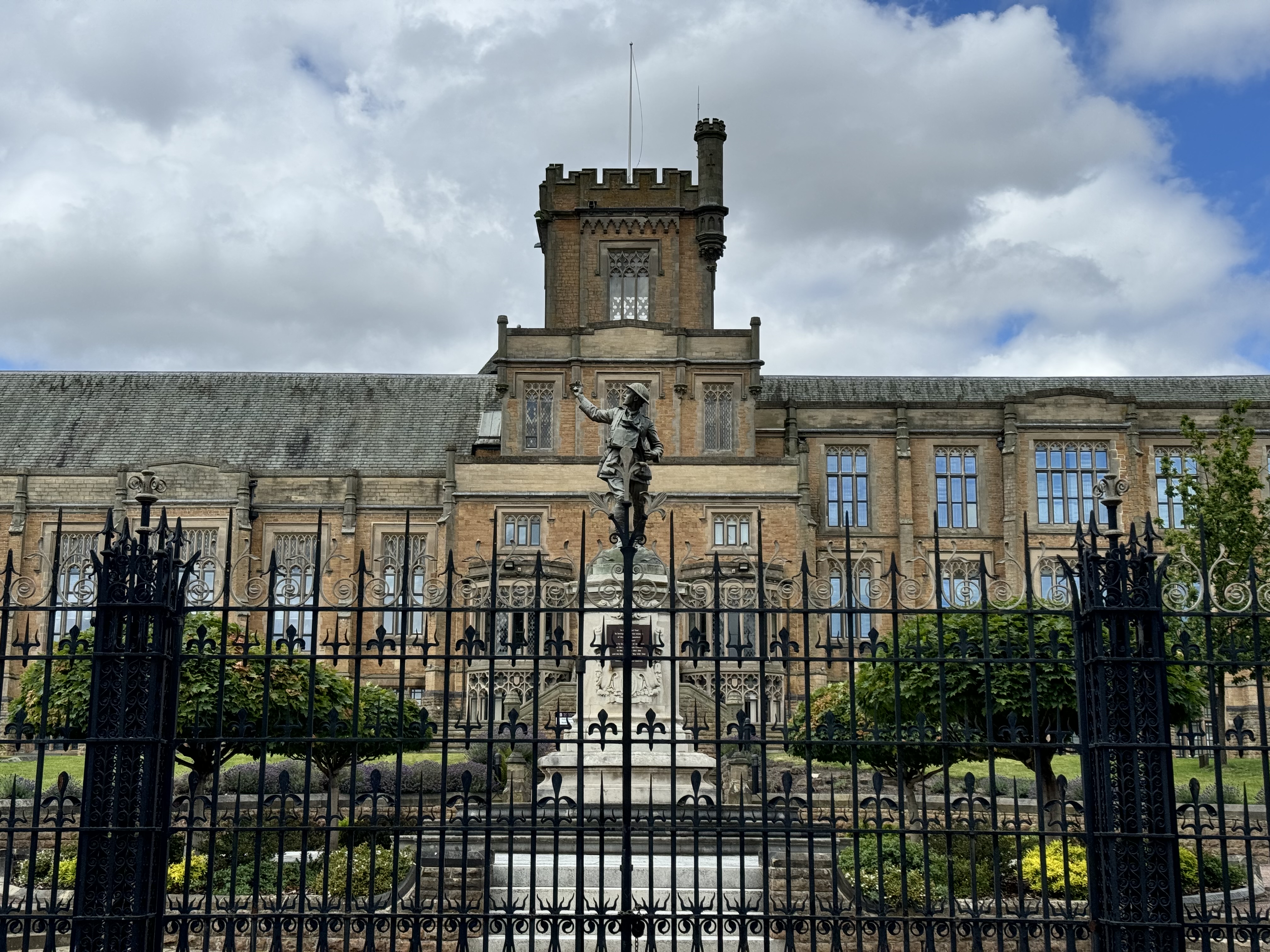
    • Nottingham High School: having made the effort to get to the top end of Nottingham Arboretum – the city’s first public park – we were greeted with the elegant building that is the fee-paying independent Nottingham High School. Looking into it, I discovered that Norwich-born former Labour MP Ed Balls went to the school, as well as the footballer Patrick ‘Barn Door’ Bamford, who had an unsuccessful loan spell at Norwich a few years ago. He now plays for Leeds.

    So that’s the Nottingham leg of this holiday complete! Today we are off to explore Southwell (plenty of old buildings) before we reach our next stop in Lincoln later.

    Thanks for reading, I’ll be back with some more in a couple of days. Here are a few photos.

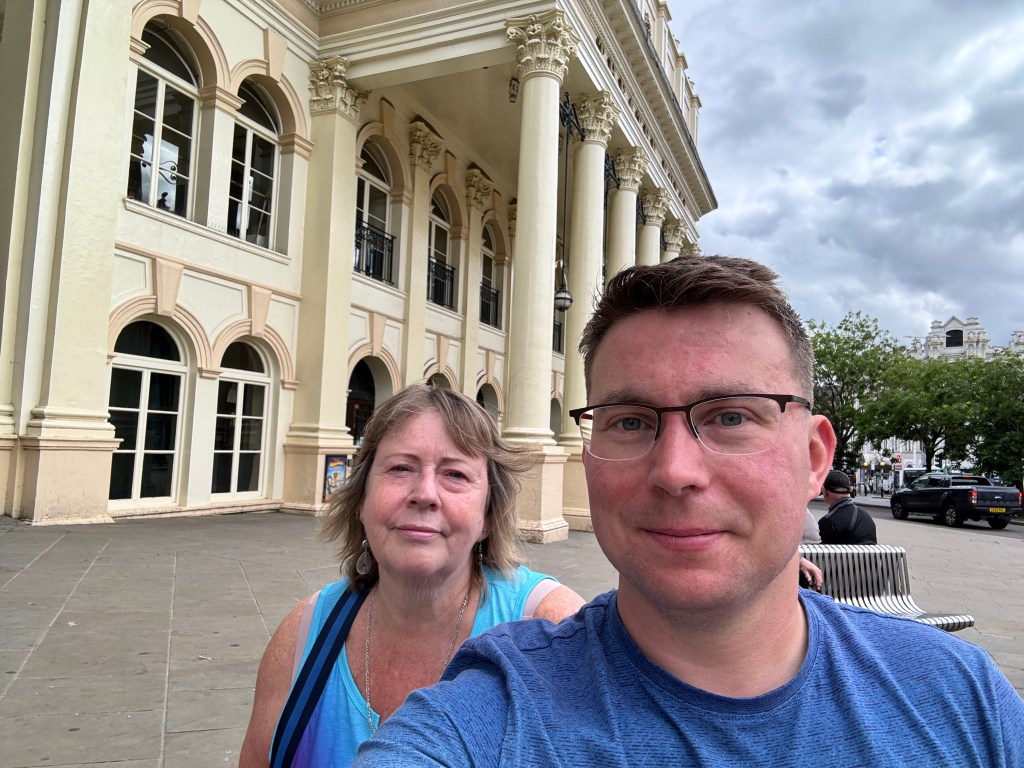
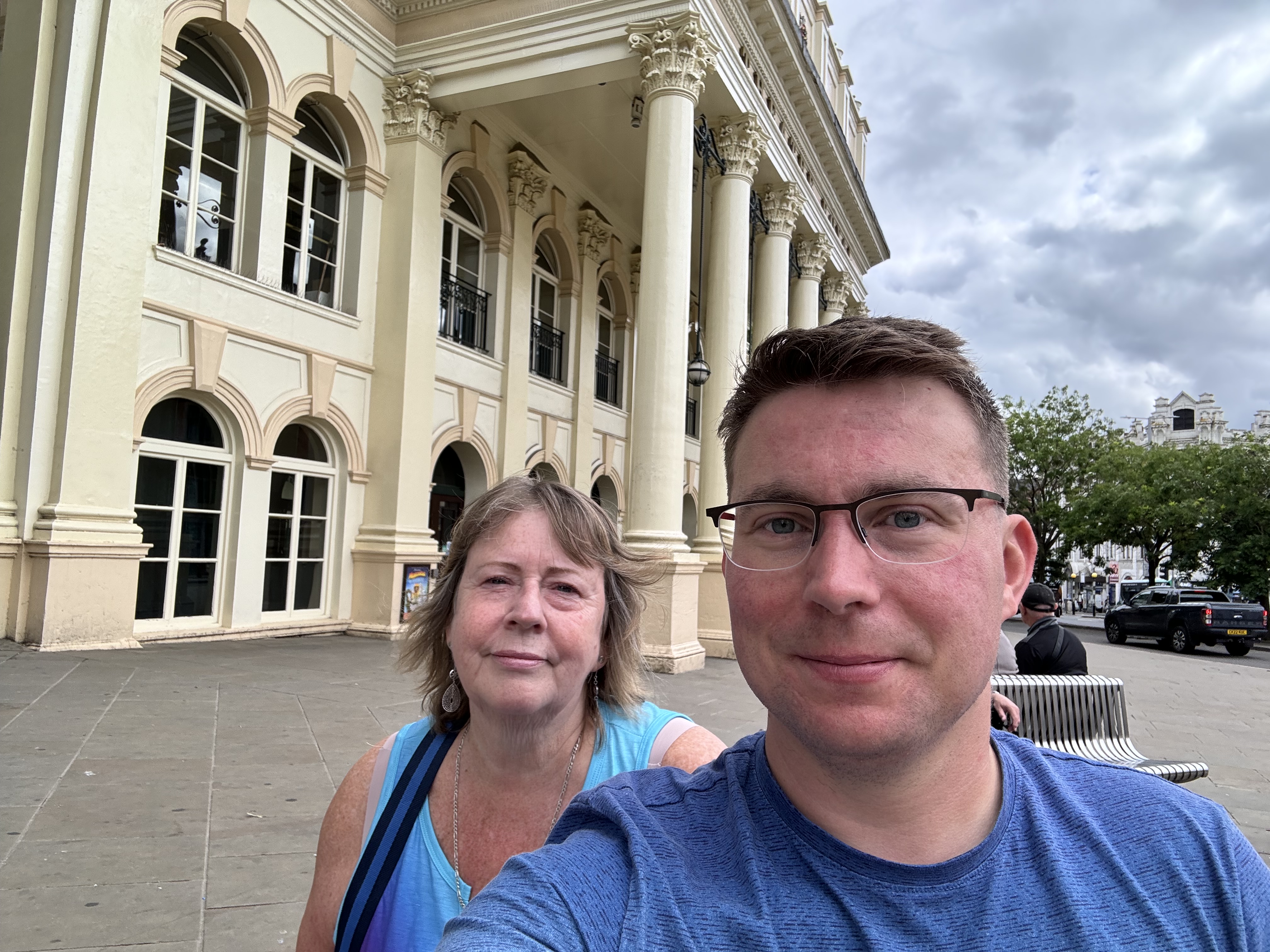
    Mum and I outside the Theatre Royal in Nottingham
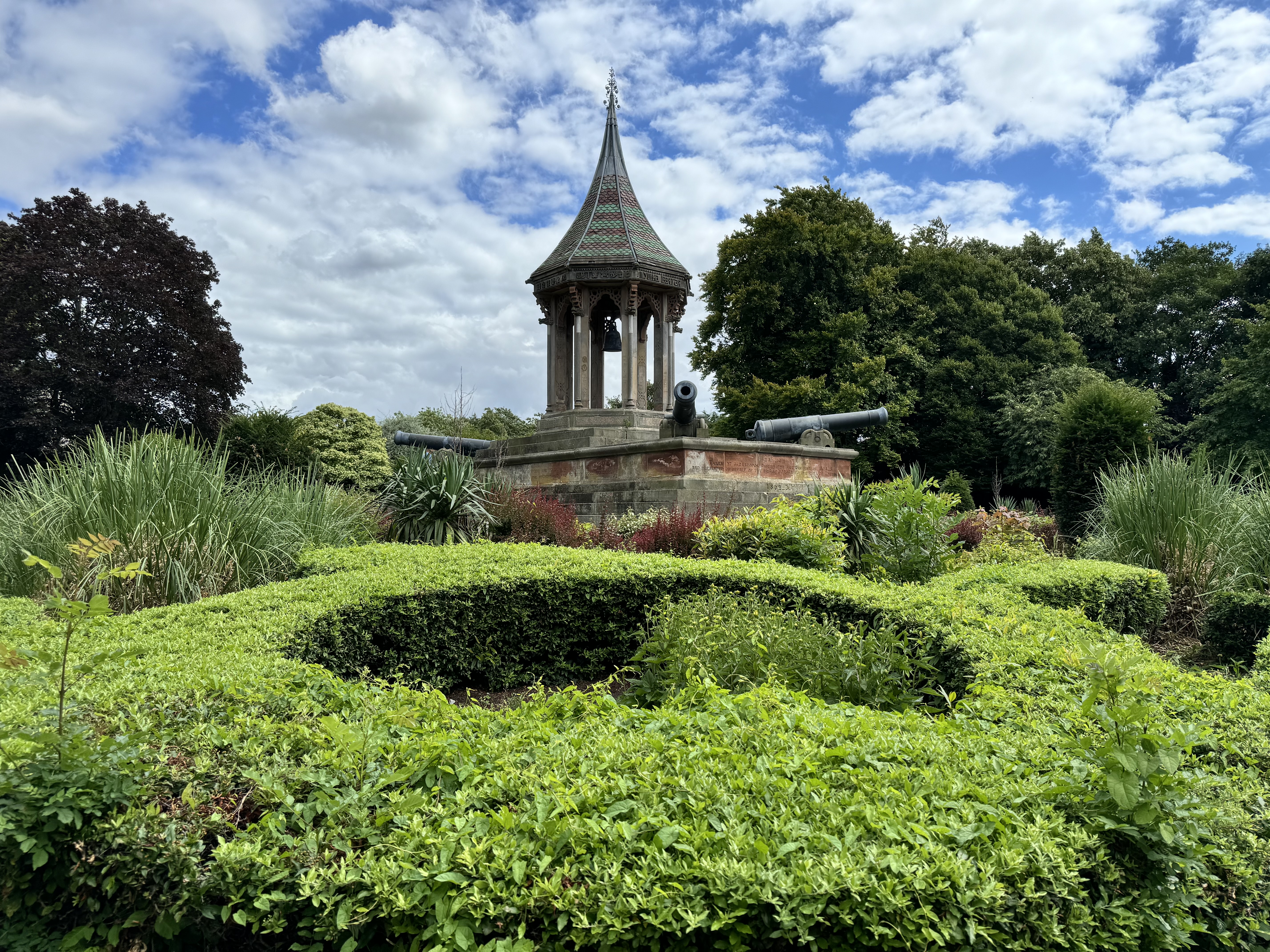
    The Chinese Bell Tower in Nottingham Arboretum
    The magnificent building of Nottingham High School, where Ed Balls and Patrick Bamford were educated

    Here are the highlights of the cricket we saw at Trent Bridge on Sunday:

  • Listen To This: the stolen 8 foot gorilla ornament that has inspired a new song

    Listen To This: the stolen 8 foot gorilla ornament that has inspired a new song

    Have you heard the story of Gary the Gorilla?

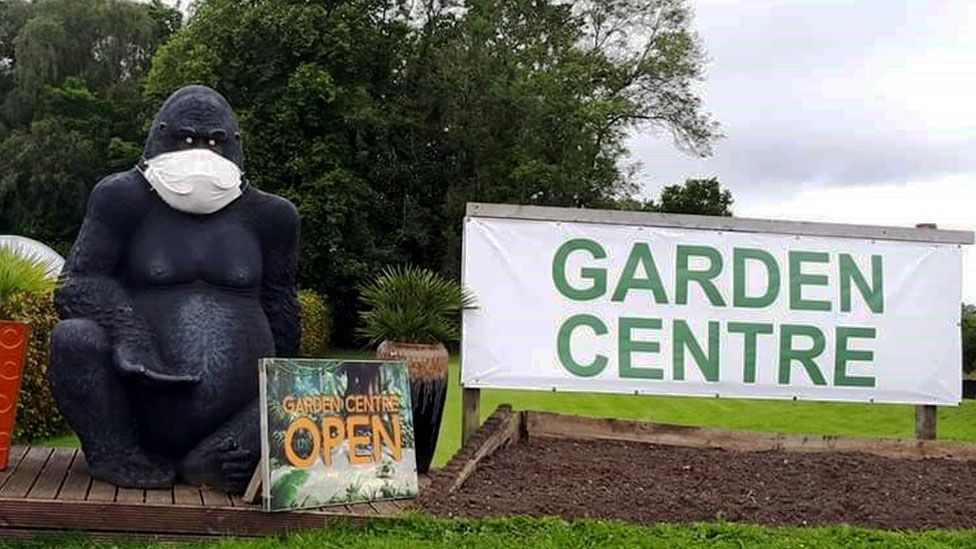
    Gary the Gorilla

    Gary – an 8 foot tall ornament – dutifully welcomed visitors to a garden centre in Scotland for a decade before he was stolen last year. As you can see, he did his bit during the pandemic by wearing a face mask and has also been known to get into the Christmas spirit by donning a Santa hat.

    Gary – well, most of him anyway, as the thieves had sawn a bit of him off – was reunited with his owner, a Mr Andrew Scott (not the guy who played Moriarty in Sherlock or the ‘hot priest’ in Fleabag), in March this year.

    This truly bizarre crime feels uniquely British. As we know from Netflix, the US is full of incredible true crime stories that usually involve murder. Here, we get an 8ft Gorilla ornament nicked from the entrance to a garden centre.

    It’s a story that has captured the imagination of one of my favourite bands, Blossoms. They have announced that their new album will be released in September and that it is named after our gorilla friend.

    Blossoms: Gary – Proper Music

    The band’s frontman, Tom Ogden, wrote the album’s title track about the story of Gary the Gorilla and used some of the lines from news reports about him in his lyrics. He mentions that ‘Mr. Scott hasn’t seen him since’ and the second verse goes like this:

    I heard there’s been a breakthrough
    A registration plate
    His movements they were able to track
    But, you see, hе comes from a fairly extendеd family
    Don’t know how many brothers he has

    This refers to an actual incident:

    Blossoms also look like they had a lot of fun recording the two videos that we’ve seen so far from the album. The band have concoted a story where they are Gary’s captors – but they have been sent on a special mission by, er, Everton manager Sean Dyche. In the follow-up, Mr Scott appears to be played by Rick Astley!

    All that’s left for you to do is watch the video and listen to the song. I think it’s great, I hope you do too.

  • I Write Wednesday #7 – ‘oversharing and its bitter aftertaste’

    I Write Wednesday #7 – ‘oversharing and its bitter aftertaste’

    The slightly prententious title to this week’s piece is not me trying to come across all earnest – it’s actually a lyric from the Arctic Monkeys song Anyways (which you can listen to below).

    I’ll be honest, I have been finding things a bit difficult recently. My anxiety remains, thankfully, at arm’s length but it is its ugly brother depression that’s been gathering in a cloud over me.

    That voice inside my head has been getting louder. ‘You’re useless’. ‘No one likes you’. ‘God, you’re such a loner’. I’ve been trying to use the techniques I was taught during my CBT sessions to shut that voice out, but it’s been difficult. Things came to a head on Sunday when work felt like an almost impossible task. I wasn’t fit for human consumption. I hid myself away in the kiosk. On the positive side, with some help, I got through it and was much better on Monday and Tuesday. But it can be jarring to think that the darkness can encroach at any moment. You’re never safe from it.

    So much for Project Happy, eh? Well, anyway, that can wait for now. The best thing I can do is look after myself right now and tackle it again when I’m feeling brighter.

    A book I recommend: I don’t read a lot of fiction but recently I’ve been engrossed in Danny Wallace’s 2012 novel Charlotte Street. I found it in a charity shop. The protagonist, Jason, sees a girl drop what she was carrying onto the pavement while she’s getting into a taxi and stops to help pick her things up. They exchange a lingering smile, then the taxi drives away. But Jason doesn’t notice that he’s still holding something of hers – a disposable camera. And from there an obsession begins!

    A song I’m into: Stockport indie band Blossoms released their new single this week, a collaboration with Jungle called ‘What Can I Say After I’m Sorry?’ – the video for it features Everton manager Sean Dyche. Yep. I’ve been playing it on repeat since it came out and constantly have the chorus stuck in my head. Listen below!

    If you’ve made it this far, thanks very much for reading and I’ll see you again soon.

  • I Write Wednesday #6 – I’m a normal, functioning member of society and there’s nothing anyone can do about it

    I Write Wednesday #6 – I’m a normal, functioning member of society and there’s nothing anyone can do about it

    Project Happy update

    The last few days at work have been the first time in a long time that I’ve felt on top of everything. Last night, in particular, we got everything done with time to spare. It felt good. I also really like nearly all the people I work with, and don’t want to leave them right now, so for the moment I haven’t applied for any more jobs. Project Happy continues in other areas, which I will explain at another time.

    What I’ve been up to

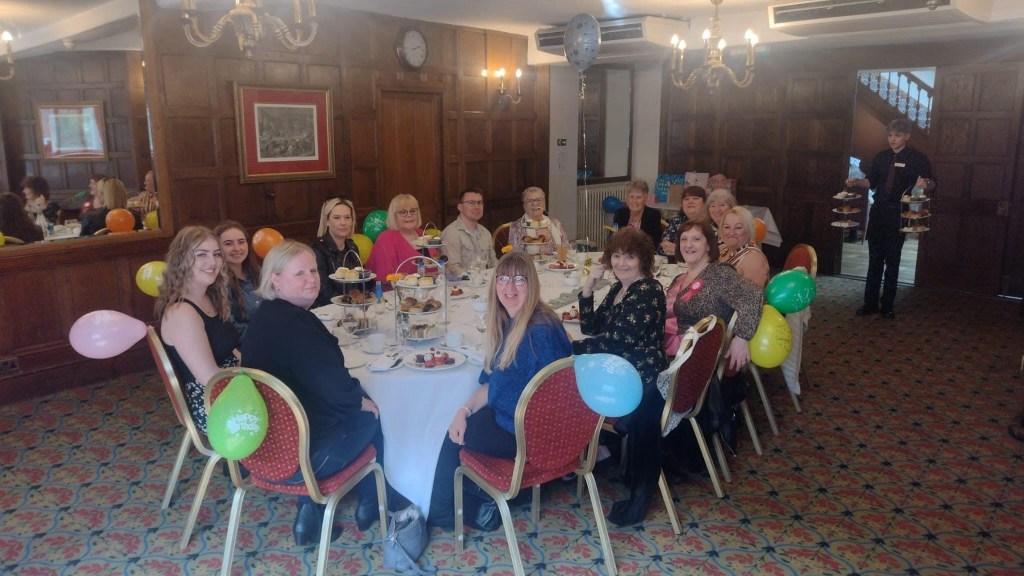
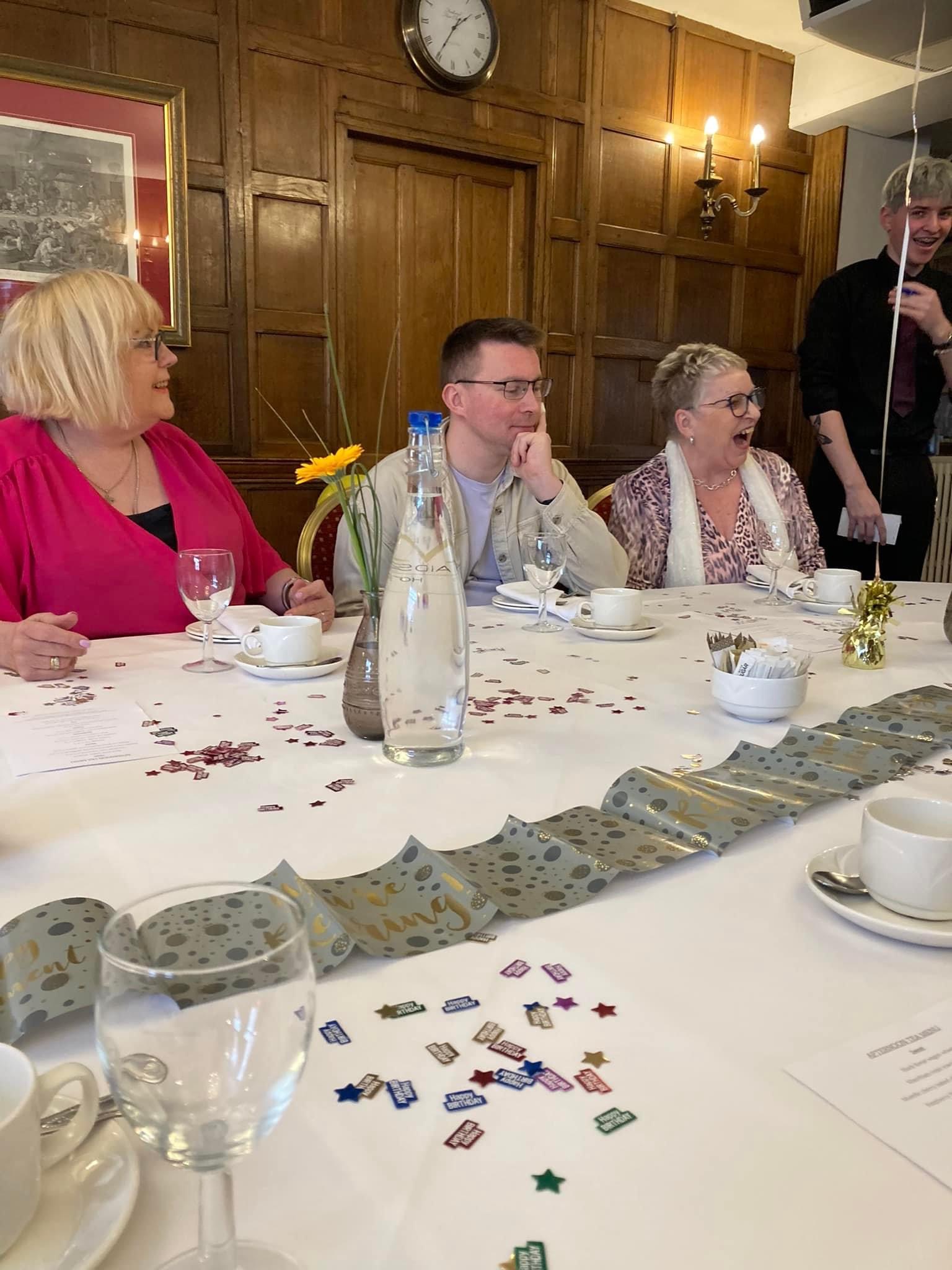
    The other Saturday I went to the Maids Head Hotel in Norwich for a former colleague’s retirement/birthday afternoon tea. I love the fact that I’m still invited to these things despite leaving two-and-a-half years ago. I was the only bloke there, surrounded as I was by 13 women, but then that’s kind of my life isn’t it? (That was a joke)

    It was a good afternoon, actually, even if this photo makes it look like I’ve nodded off with my finger up my nose. The food was good, the company was good. Hopefully they’ll keep inviting me to their social events!

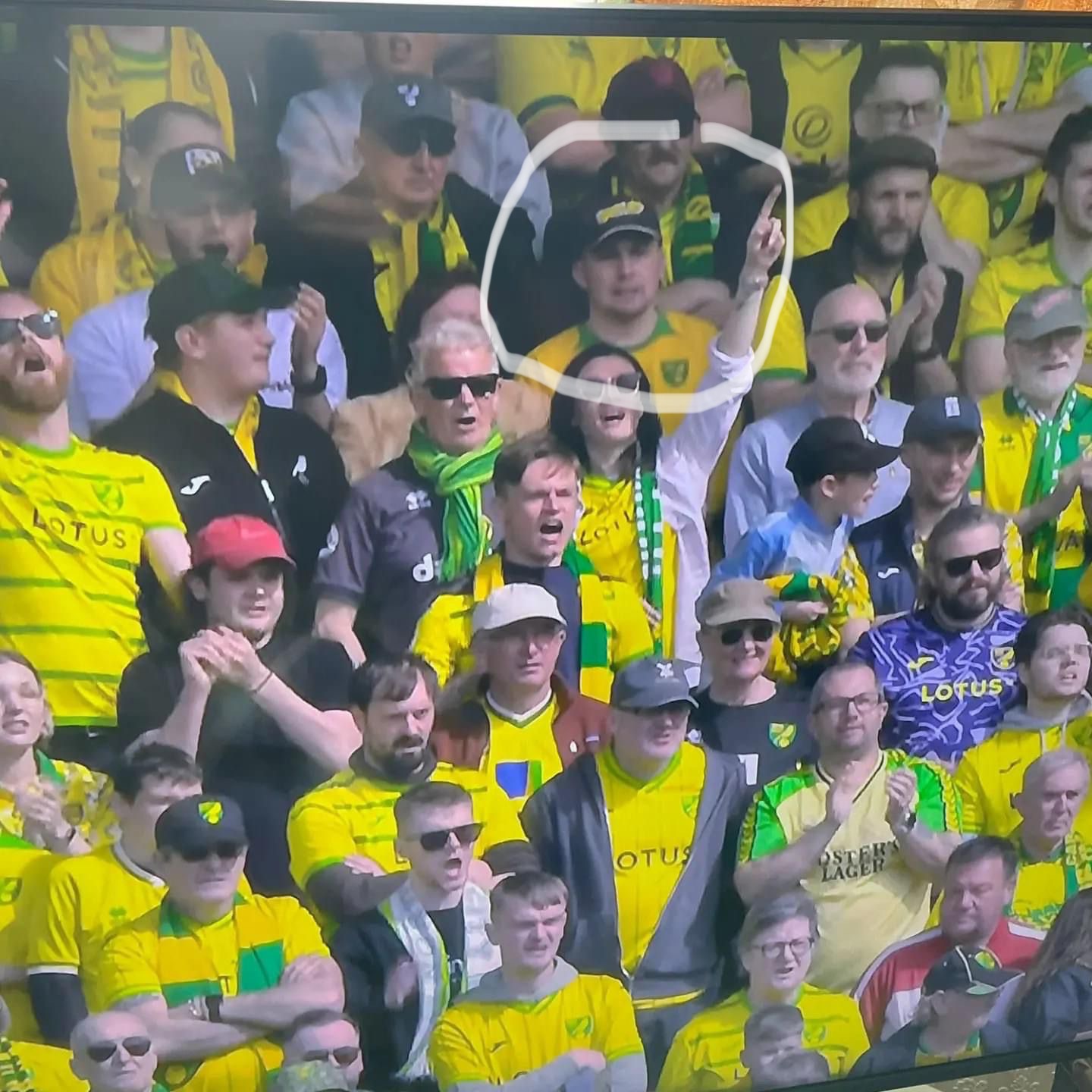
    Fast forward a week, and I went to Norwich’s game against Bristol City with my friend Gavin – the one who made me walk 7 miles. I’m actually giving up my season ticket at Carrow Road after this season, and with this the penultimate home league game we sat in the River End, opposite my usual position in the Barclay, for the 1-1 draw. Norwich didn’t really turn up against a side that had nothing to play for and missed the chance to move up to 5th. Never mind. It’s Swansea at Carrow Road this weekend. Here’s me and Gavin looking like a couple of hunks:

    The faces were deliberate. Well, mine was, anyway…

    I had forgotten how good these songs were

    Here are a couple of songs that I recommend to you this week, two that I hadn’t listened to for a while and had forgotten just how good they were.

    First, Soft Cell’s 1981 no.4 hit Bedsitter:

    And second, The Jam’s The Bitterest Pill (I Ever Had To Swallow) from 1982.

    Short and sweet. Thanks for reading.

  • I Write Wednesday #5 – 7 mile walk, derby day delight and blimey, don’t Tesco make a lot of money?

    I Write Wednesday #5 – 7 mile walk, derby day delight and blimey, don’t Tesco make a lot of money?

    Hello again. This Wednesday I’m going to tell you everything I have on my mind in a handy bullet point format:

    • In pursuit of Project Happy, I applied for a job last week and had an interview. I liked it and thought it went well, but didn’t get it. That’s fine, it was a good experience. I still have a job to go to while I search.
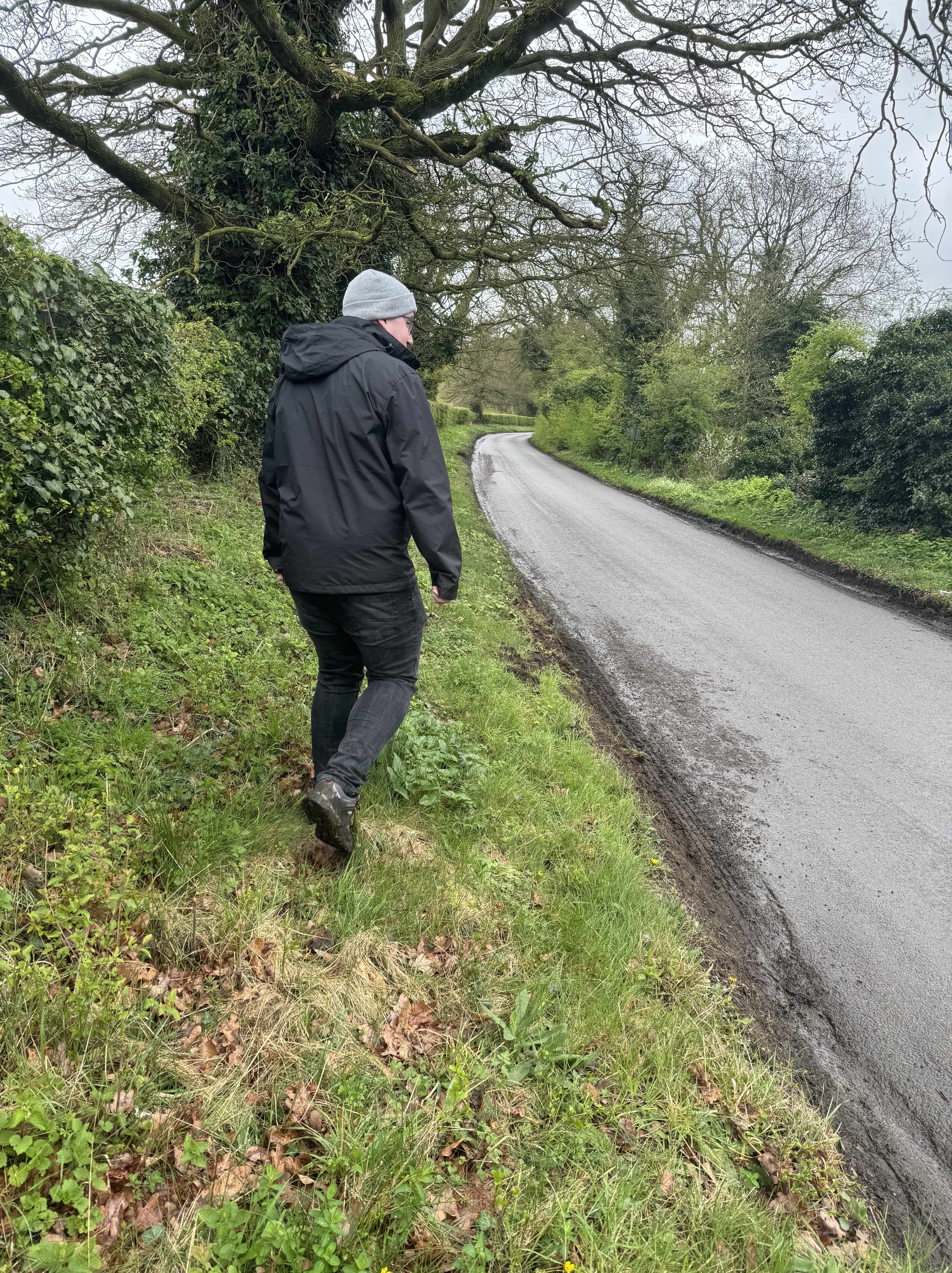
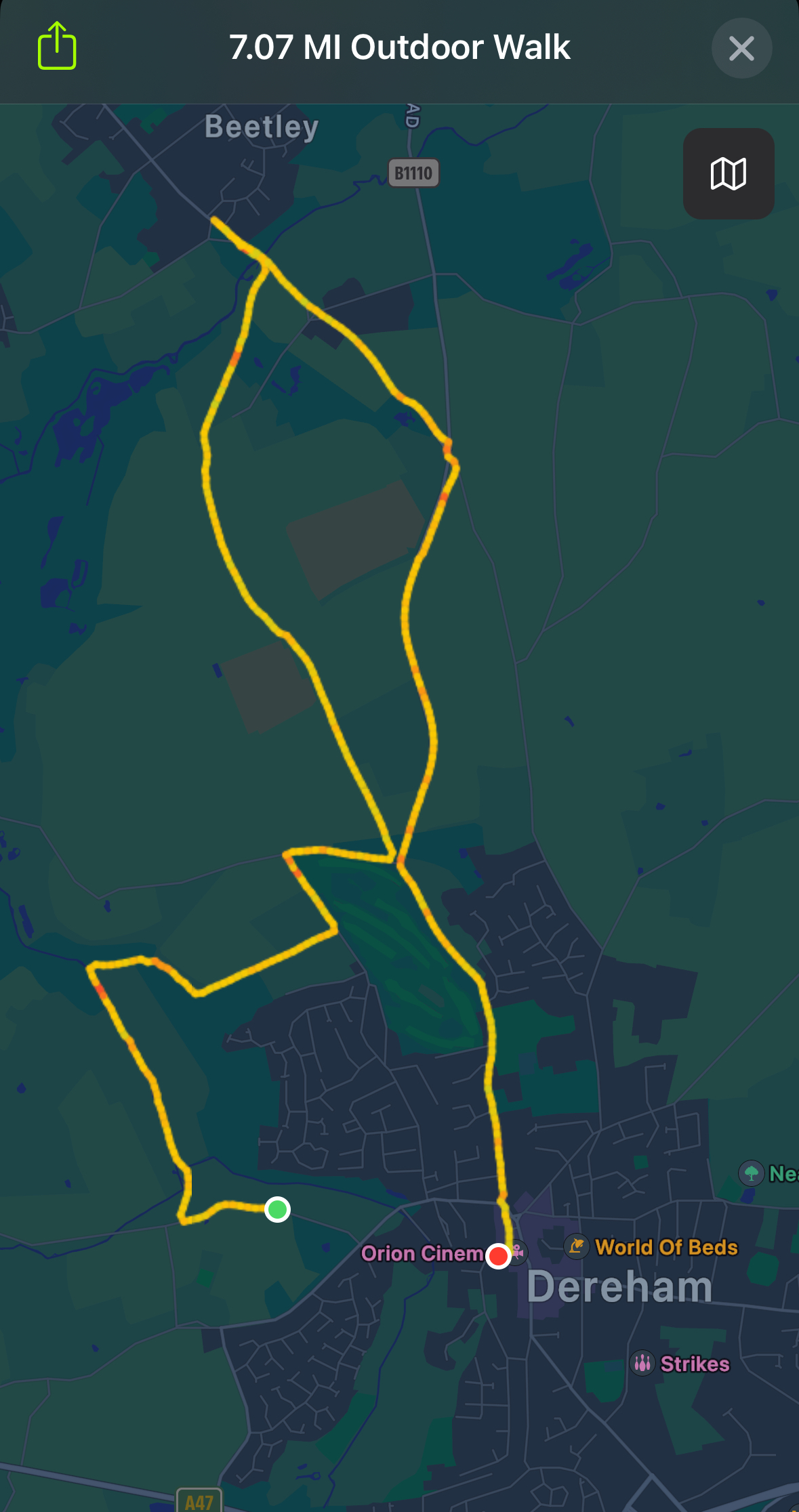
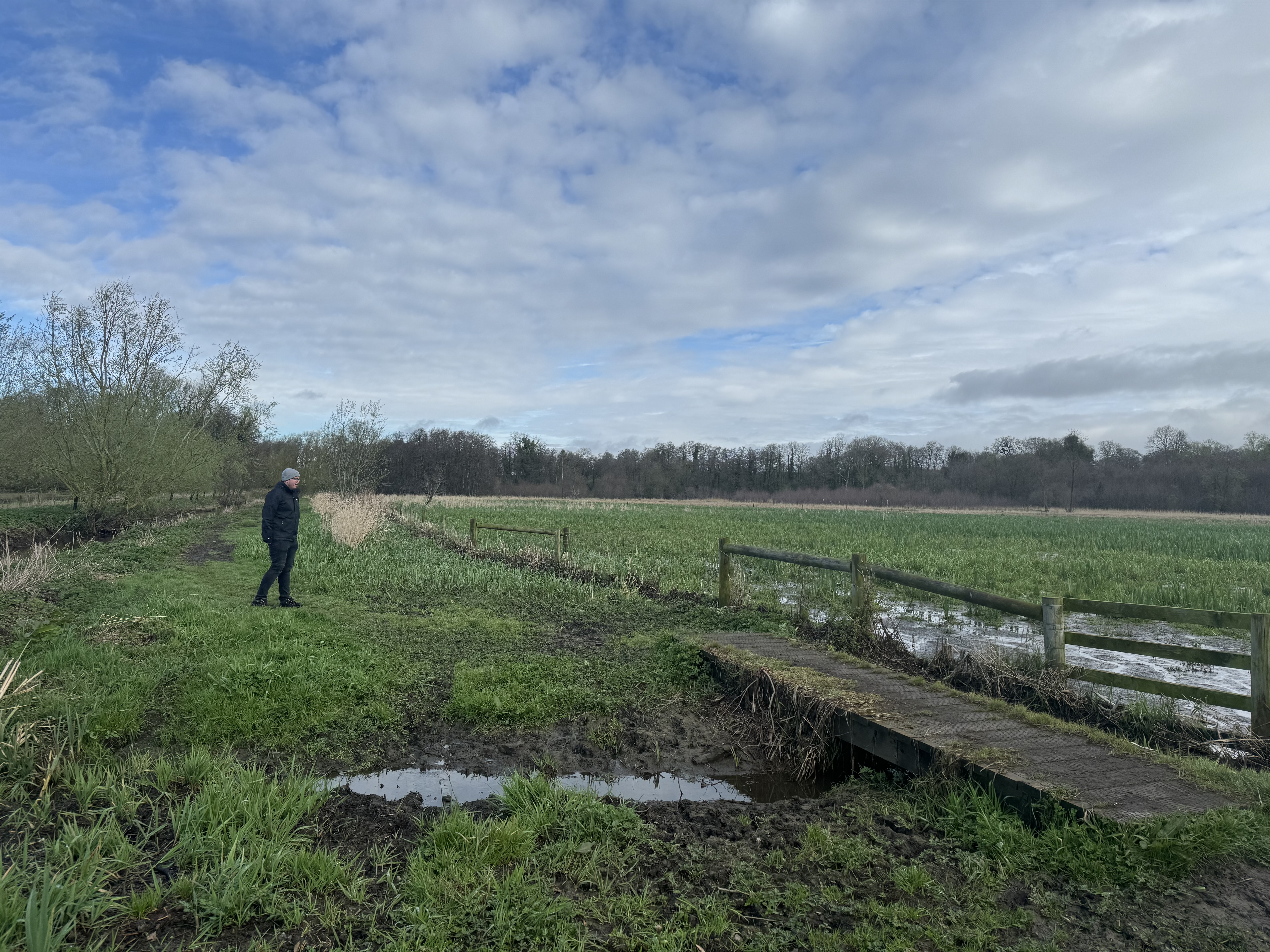
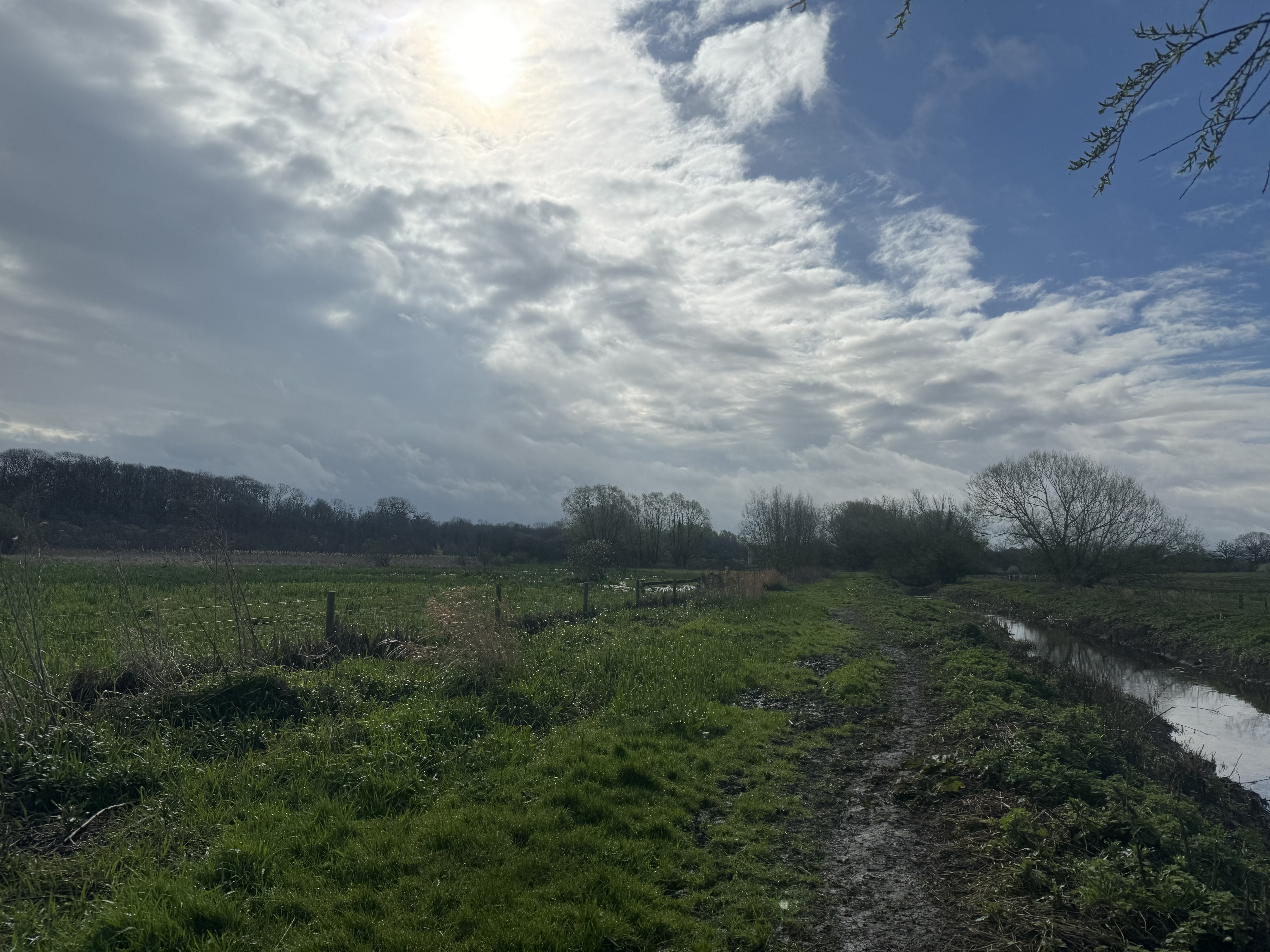
    • My friend Gavin, whom I met at university and bonded with over a shared hatred of shorthand lessons, went for a light stroll last week and ended up walking 7 miles. The orange juice and lemonade I had at Wetherspoons afterwards had never tasted so good. In future, I must wear proper walking boots and never again let him plan the route. Photos below.
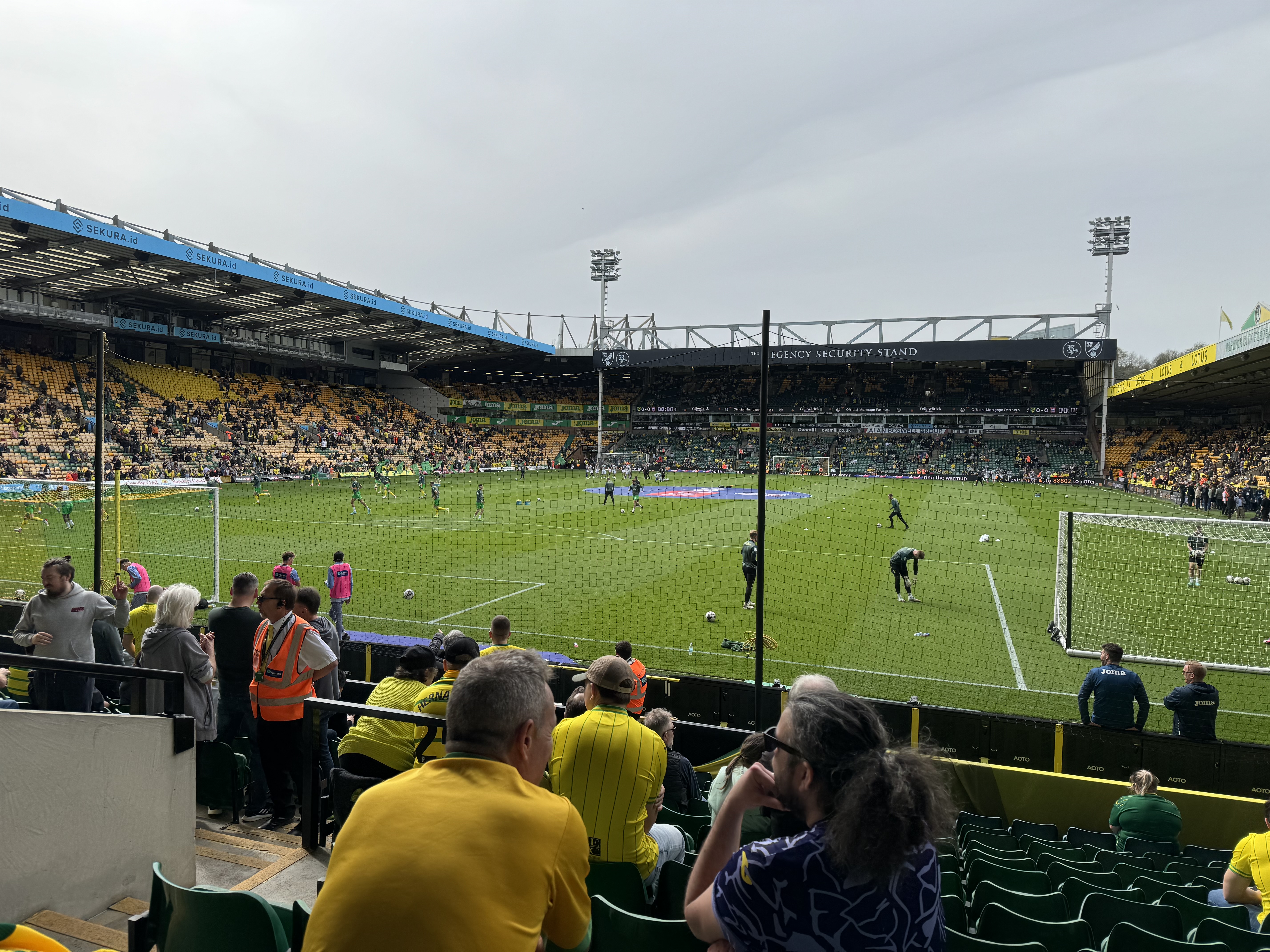
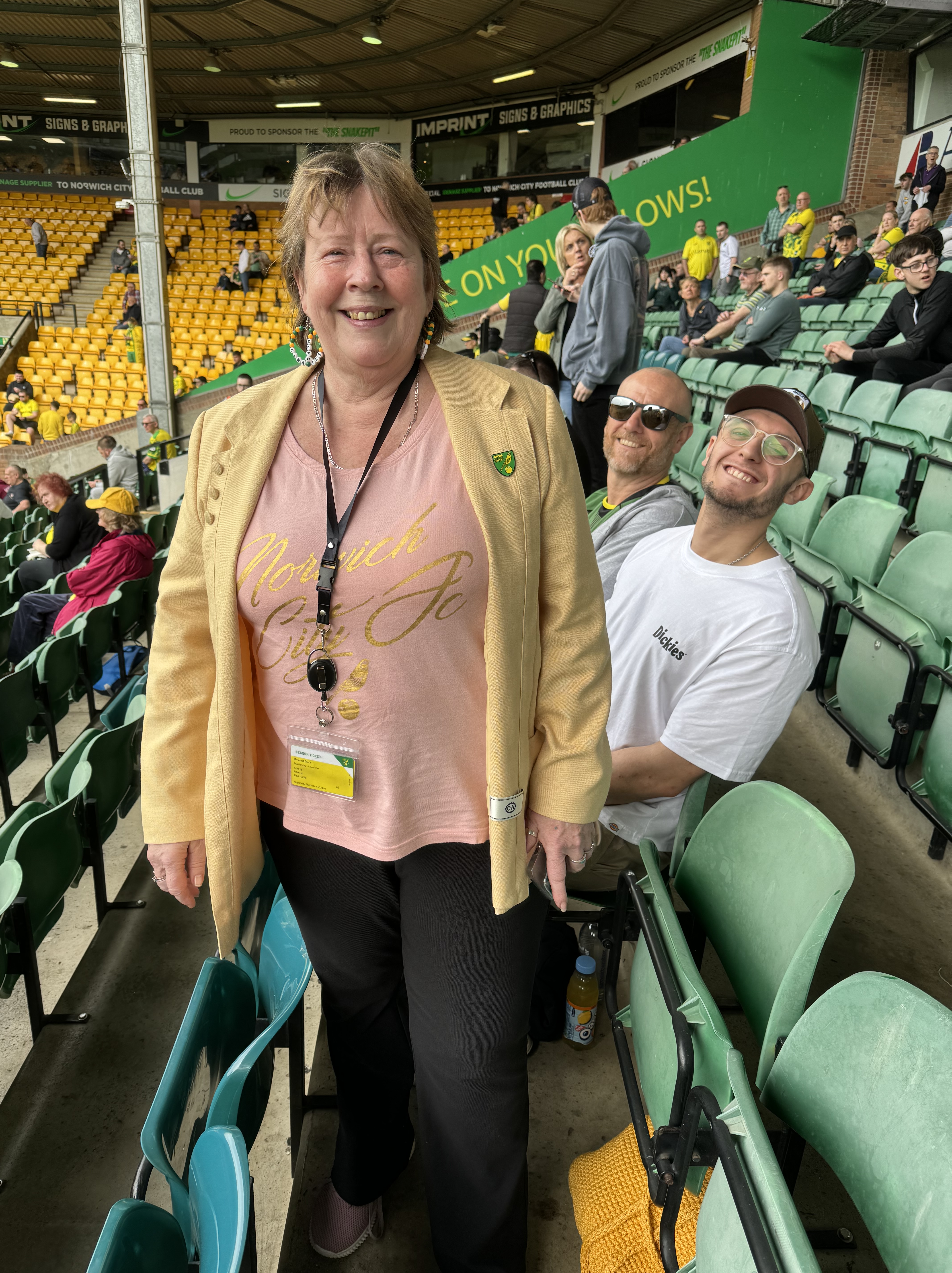
    • Saturday was the East Anglian Derby, the football match that I love and hate in equal measure. I love it because there is no better feeling than seeing Norwich beat Ipswich but the thought of losing to that lot sickens me. Thankfully, Norwich won 1-0 thanks to a cracking free kick from Marcelino Nunez. I sat downstairs from my usual seat, with my mum and her posse of nutters, and the atmosphere was electric. A day that will live long in the memory.
    • Tesco announced their latest financial results this morning and they caught my eye. They made £2.3 billion in pre-tax profit in the year to 24th February, up from an already half-decent £882m the previous year. Dear old Sainsbury’s is the UK’s second biggest supermarket chain by market share, but in last year’s results made less than half as much money. Sainsbury’s will reveal this year’s results on 25th April. There’s no excuse for Tesco not to drop their prices now, right? Or pay their staff more money?