A reminder: cricket is the best sport in the world. I feel it worth reminding everyone because I’m about to spend a few minutes chewing my nails about its current state and future direction.
If you’re not a dedicated follower of the game, you would be forgiven for thinking that all is well and that cricket is entering the national consciousness more than it has done for some time. You may have noticed that BBC Two have shown a couple of matches from the first week of the Hundred tournament, and that cricket has also been a part of the Birmingham 2022 Commonwealth Games.
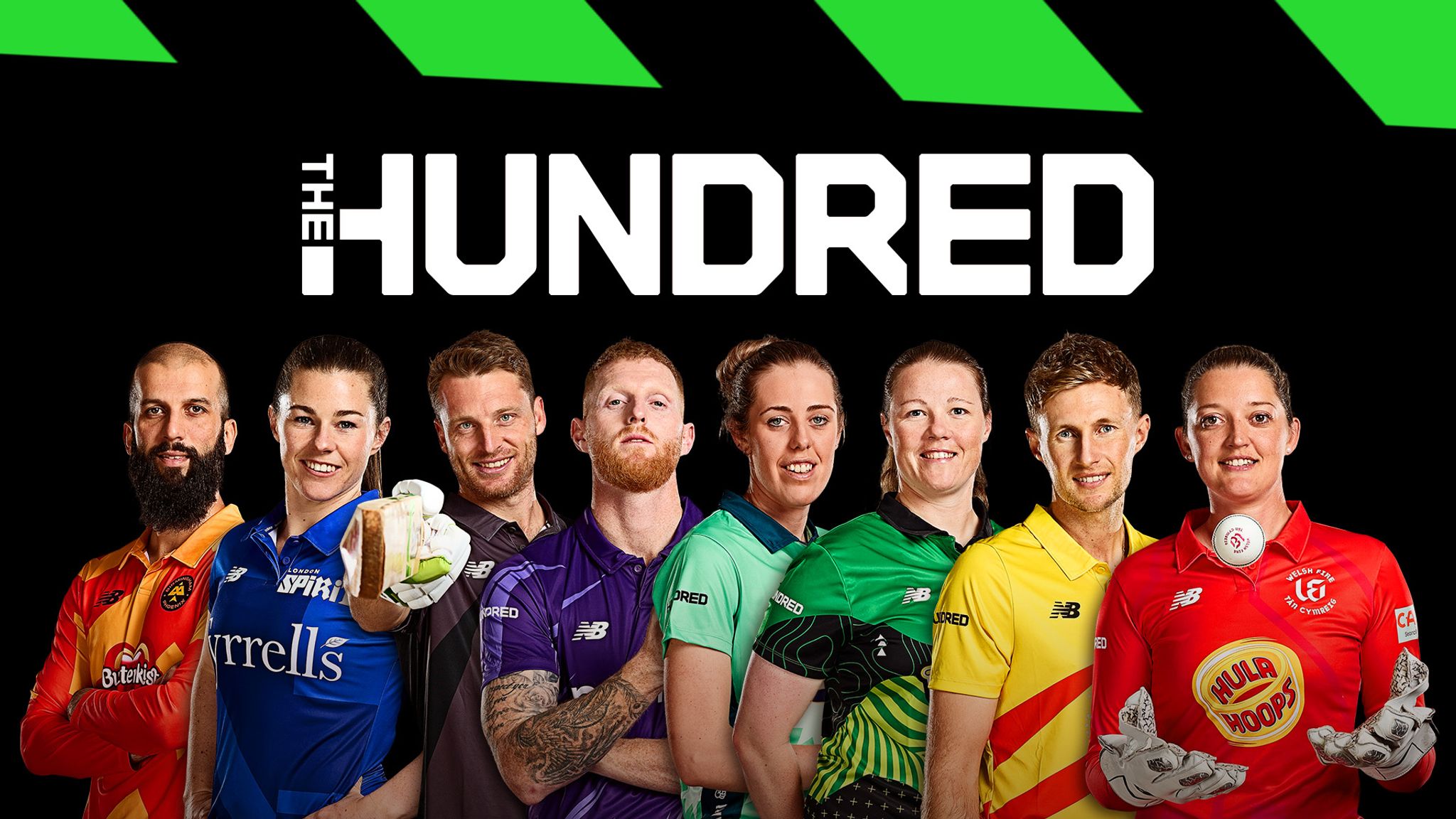
The Hundred is controversial because, while its outward intention is noble in attempting to get new fans interested in cricket, it has gone about this by implying that the traditional game can’t be sold to the public. The fundamentals – such as an over consisting of six balls – have been thrown out of the window, creating a whole new format that no one else in the world plays and bears little resemblence to the others. If the Hundred is meant to be gaining new fans for cricket, what is the point of changing the rules to the extent that those new fans will find it difficult to get into Test matches or One Day Internationals?
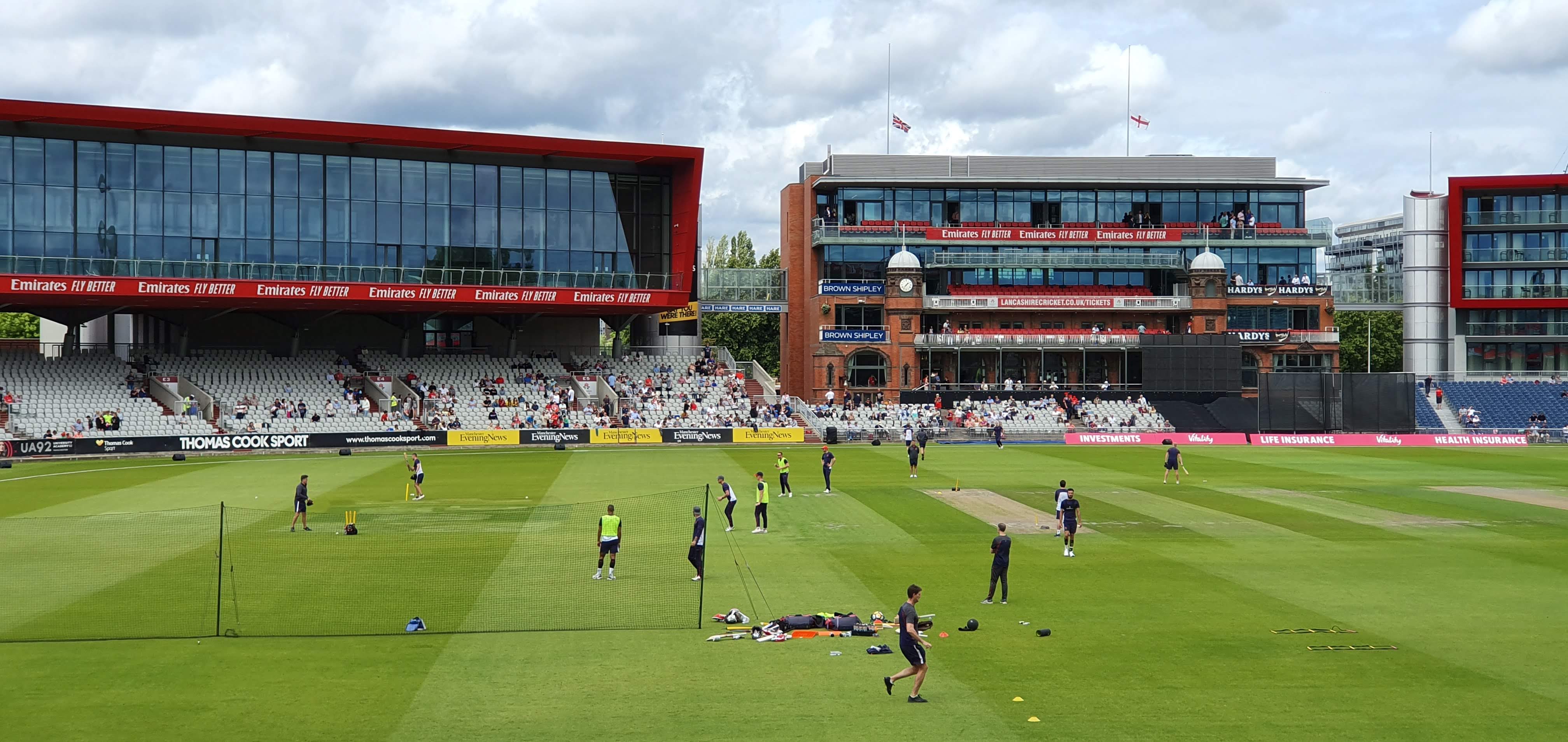
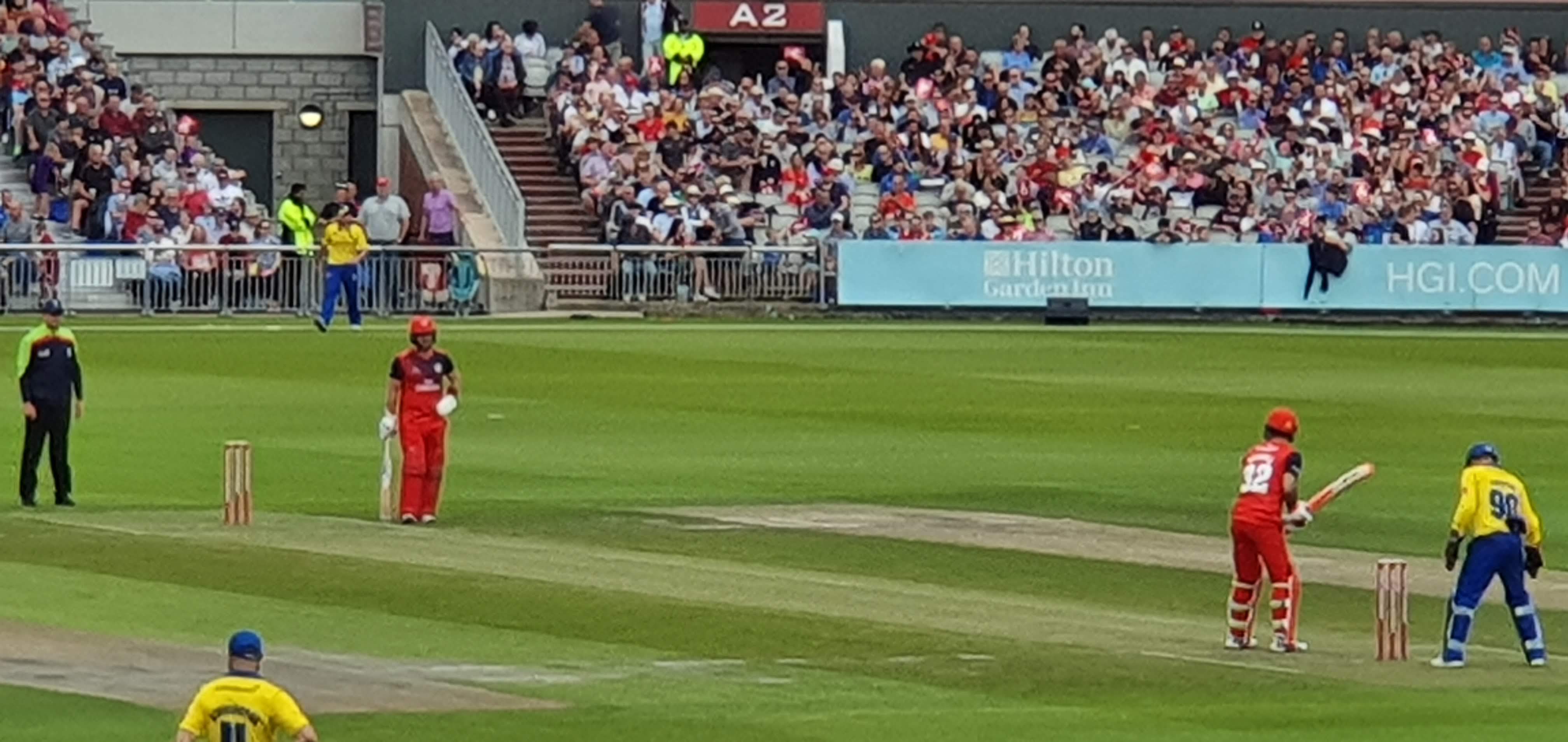
Aside from the format, the Hundred disposes of the traditional county teams and is competed for by sides that reek of a marketing agency brainstorming session. If you think the Manchester Originals and the Welsh Fire sound tacky, you should see their logos. Obviously, in England we only have a few months of the year to play cricket so adding the Hundred to the calendar has raised serious questions about overly packed schedules and player burnout. The England and Wales Cricket Board (ECB) have made it clear that the Hundred is their marquee tournament – it gets the biggest marketing budget – and therefore it gets the prime place in the summer, during the school holidays. The T20 Blast, which since its inception in 2003 had been English cricket’s great domestic money spinner, was done and dusted by the time the kids broke up.

Personally, I’m not a fan. I may have been a cricket devotee for twenty years but I’m not one of those pig-headed enough to think the game doesn’t have to appeal to new audiences. Ever since England internationals were sold to Sky in 2006, the game has waned in its relevance to the public. Children aren’t becoming obsessed by the sport by stumbling across it on Channel 4, like I did. Players like Joe Root and Ben Stokes should be rock stars, yet they could walk down most streets unnoticed. The Hundred does at least put cricket back on terrestrial television, yet in my opinion at an unnecessarily high cost. Pumping the same money into the T20 Blast, pushing it into the public eye on BBC TV at the height of summer would surely have had the same effect.
I do still watch the Hundred. It is still cricket, and I doubt the impact of an individual boycotting something like that. But when I see the BBC Two coverage starting with a sort of rap/hip hop tune in its opening titles, I get the impression that this tournament isn’t for me. Every effort is made to appeal to young people, to ‘urbanise’ the game, and in a way it feels like a bit of an insult to cricket itself because the game is already great. I feel nothing for the teams, being made up and not steeped in any kind of history of tradition, and it takes me a while to remember who won its first edition last year (it was Southern Brave).
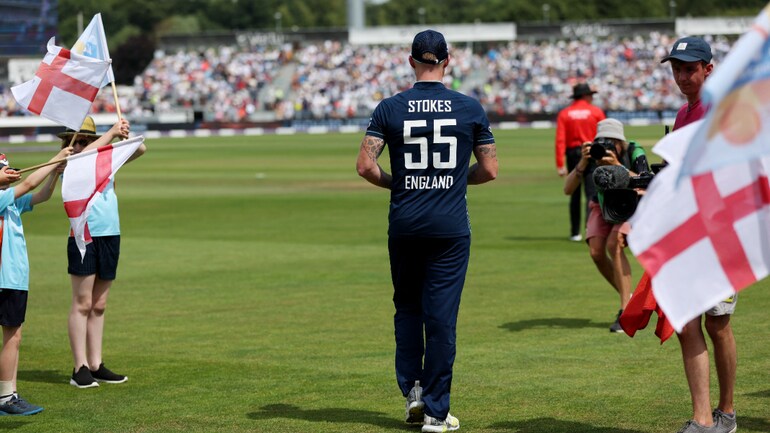
So for all the Hundred is doing in appealing to new fans, it leaves us with a summer schedule bursting at the seams. Ben Stokes, arguably England’s most exciting player, withdrew from the tournament last summer as well as all other forms of cricket to prioritise his mental health. This year, he announced before it had even started that he wasn’t going to play in it before retiring from ODIs, citing having to play too often as one of the reasons for his decision. Having only just turned 31 and three years on from almost single-handedly winning the World Cup for England, these should be the prime years of his career so it should be a significant warning to the authorities that he felt his only option was to walk away.
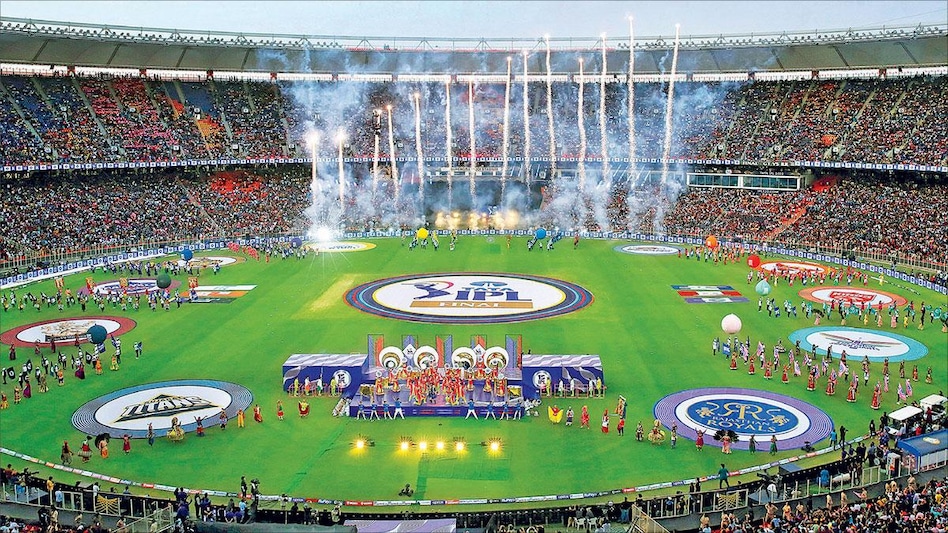
The Hundred is just one of many domestic tournaments around the world that cricketers can sign up for. Unlike football, the international game has traditionally been seen as the most important and most lucrative. This has changed dramatically since the Indian Premier League (IPL) was launched in 2008. According to an article by Tim Wigmore in the August issue of Wisden Cricket Monthly, the IPL’s latest broadcasting rights deal will see each live match generate £12 million – out of all the sports leagues in the world, only the NFL (American Football) is more lucrative. Keen to grab their own slice of the pie, other tournaments have popped up all over the world. There is the Big Bash in Australia, the Pakistan Super League, and a new one that is due to launch in the United Arab Emirates early next year.
Professional cricketers can earn life changing sums of money from playing in these tournaments all over the world. Only players from India, Australia and England could hope to earn as much from playing for their countries. This has left players with extraordinary decisions to make, and increasingly they are prioritising representing an IPL franchise over playing for their nations. It’s a worrying situation, and the Hundred is only adding to the headache.


 LEE PAYNE