I’m writing this in my hotel room near the River Trent, where I am on holiday.
The main reason for coming here was to watch the England men’s cricket team play in the Test match against the West Indies at Trent Bridge, my favourite cricket ground in the country. Mum and I had tickets for the fourth and fifth days of the match, and after England thrashed the tourists in the first Test at Lord’s – completing the victory an hour into the third day – we had our fingers crossed that the game would get that far.
Thankfully, the West Indies put up much more of a fight in this one and we made the two-hour journey from home on Sunday morning with the weather set fair and a finely poised cricket match in prospect.
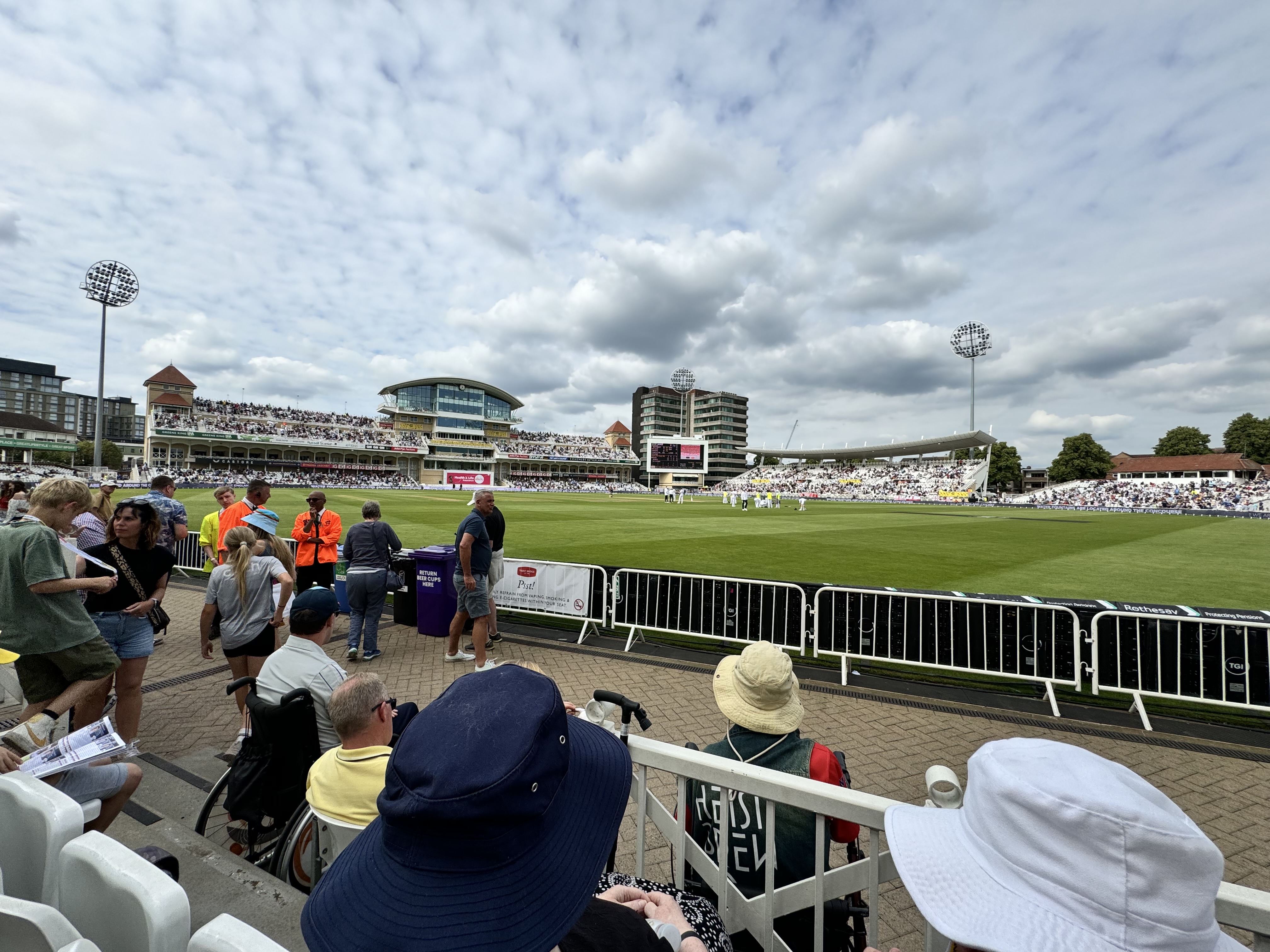
The view from my seat at Trent Bridge for England v West Indies
In the end, we couldn’t really have asked for better! We saw Harry Brook complete his first Test century in a home match (his other four had been overseas), Joe Root reach not only 50 but then a hundred of his own (his 32nd Test century), Shoaib Bashir take a 5 wicket haul, and an England victory on Sunday evening. We will get a refund for the fifth day tickets, so we haven’t been left out of pocket.
Finding ourselves with a free day on Monday, mum and I went into Nottingham to explore. Nottingham has some interesting old buildings but I would describe it as rough around the edges. There is a lot of building work going on, but large areas seem almost to have been left to ruin. Centuries old architecture stands next to unsympathetic concrete monstrosities. It made me appreciate Norwich even more!
Here are a few things I’ve learned about Nottingham though:
Traffic lights: my word, there are a lot of traffic lights in Nottingham. The city seems to have a problem with queues of traffic, and from what I can see a lot of them would be eased if they didn’t have so many traffic lights. It makes sense, though, when I discovered that Nottingham is the birthplace of the traffic light. Engineer John Peake Knight adapted the signalling system used on the railways for the roads, although the first one was installed in London in 1868. Nottingham’s Radcliffe Road (which runs behind the cricket ground) was the first road in the world to be covered in tarmac.
Ibuprofen: at one point yesterday, mum asked me to go into a shop and buy her a couple of packets of ibuprofen. It wasn’t until I got back to the hotel and did some research that I discovered Nottingham is where this particular painkiller was invented. Dr Stewart Adams developed ibuprofen, in an effort to find an alternative to aspirin, while working in the laboratories of Boots Pure Drug Company Ltd in the 1960s. Jesse Boot took on his father John’s herbalist shop in Nottingham in the 1860s and transformed it into the famous Boots chain of chemists we know today.
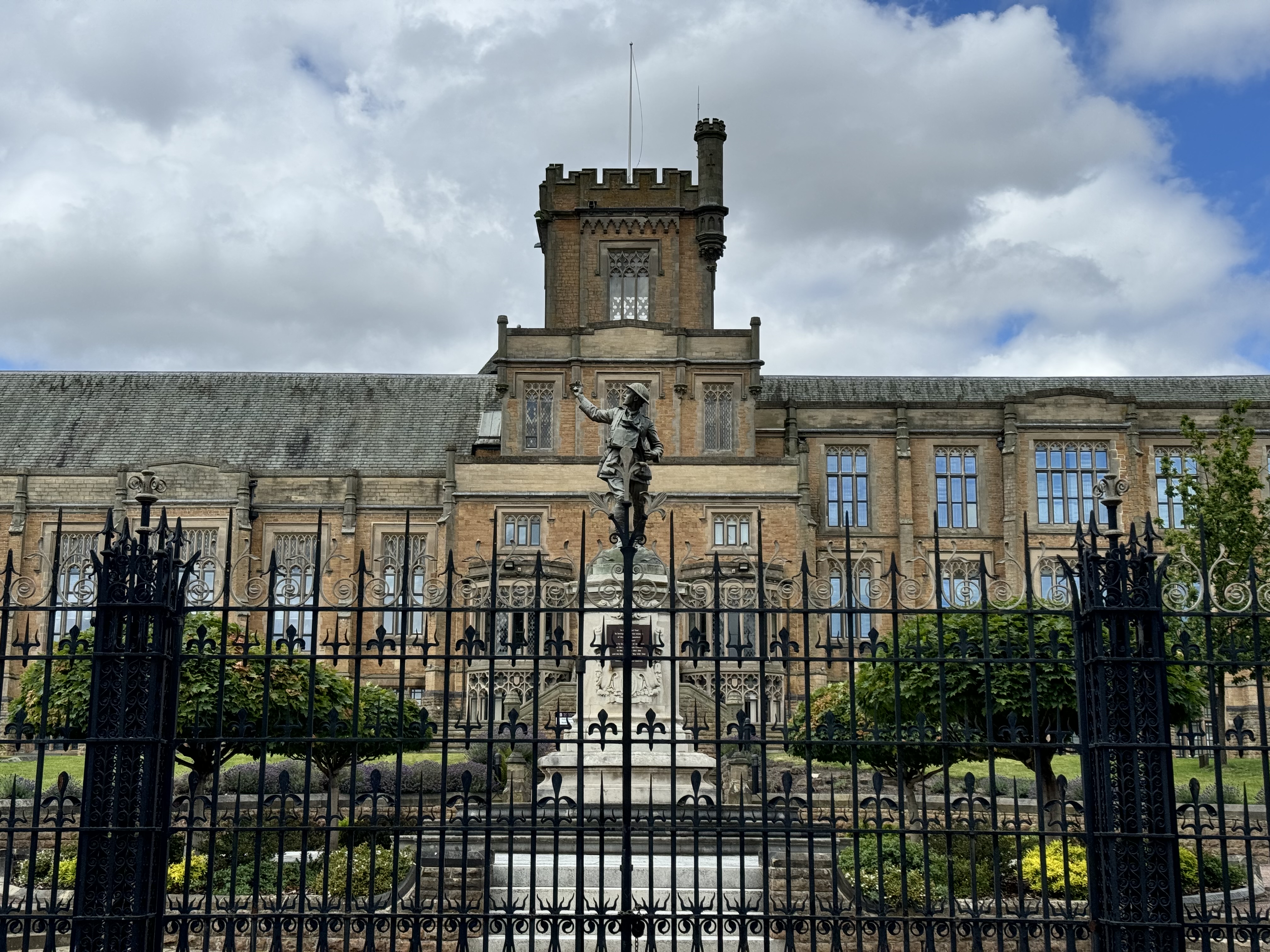
Nottingham High School: having made the effort to get to the top end of Nottingham Arboretum – the city’s first public park – we were greeted with the elegant building that is the fee-paying independent Nottingham High School. Looking into it, I discovered that Norwich-born former Labour MP Ed Balls went to the school, as well as the footballer Patrick ‘Barn Door’ Bamford, who had an unsuccessful loan spell at Norwich a few years ago. He now plays for Leeds.
So that’s the Nottingham leg of this holiday complete! Today we are off to explore Southwell (plenty of old buildings) before we reach our next stop in Lincoln later.
Thanks for reading, I’ll be back with some more in a couple of days. Here are a few photos.
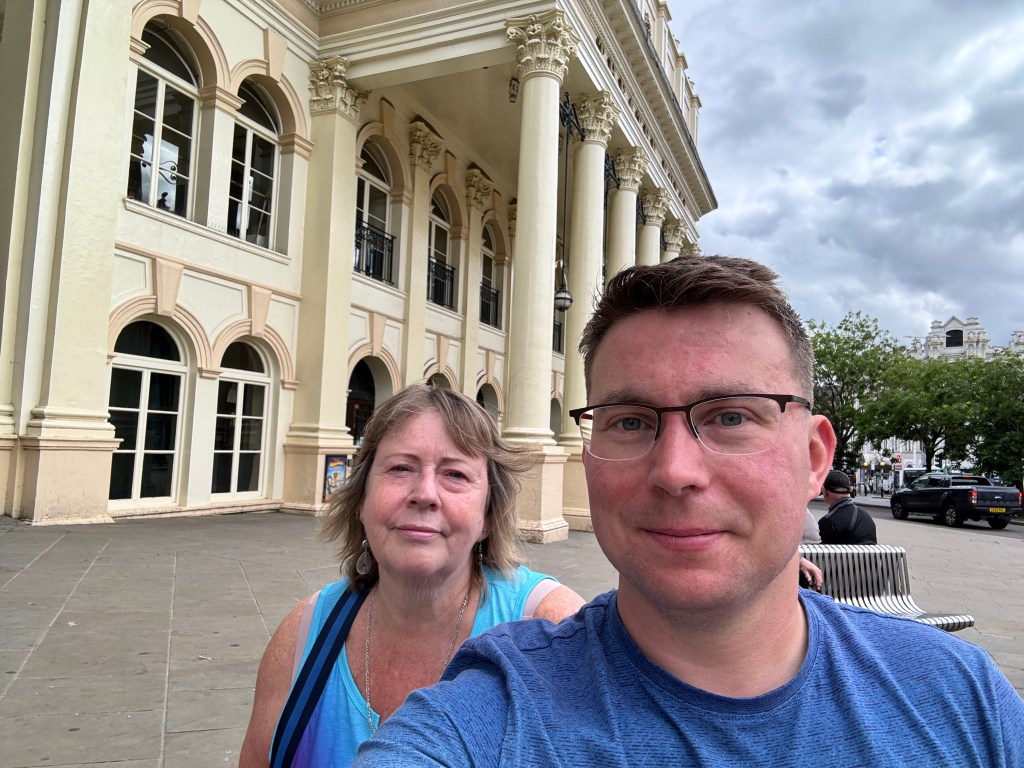
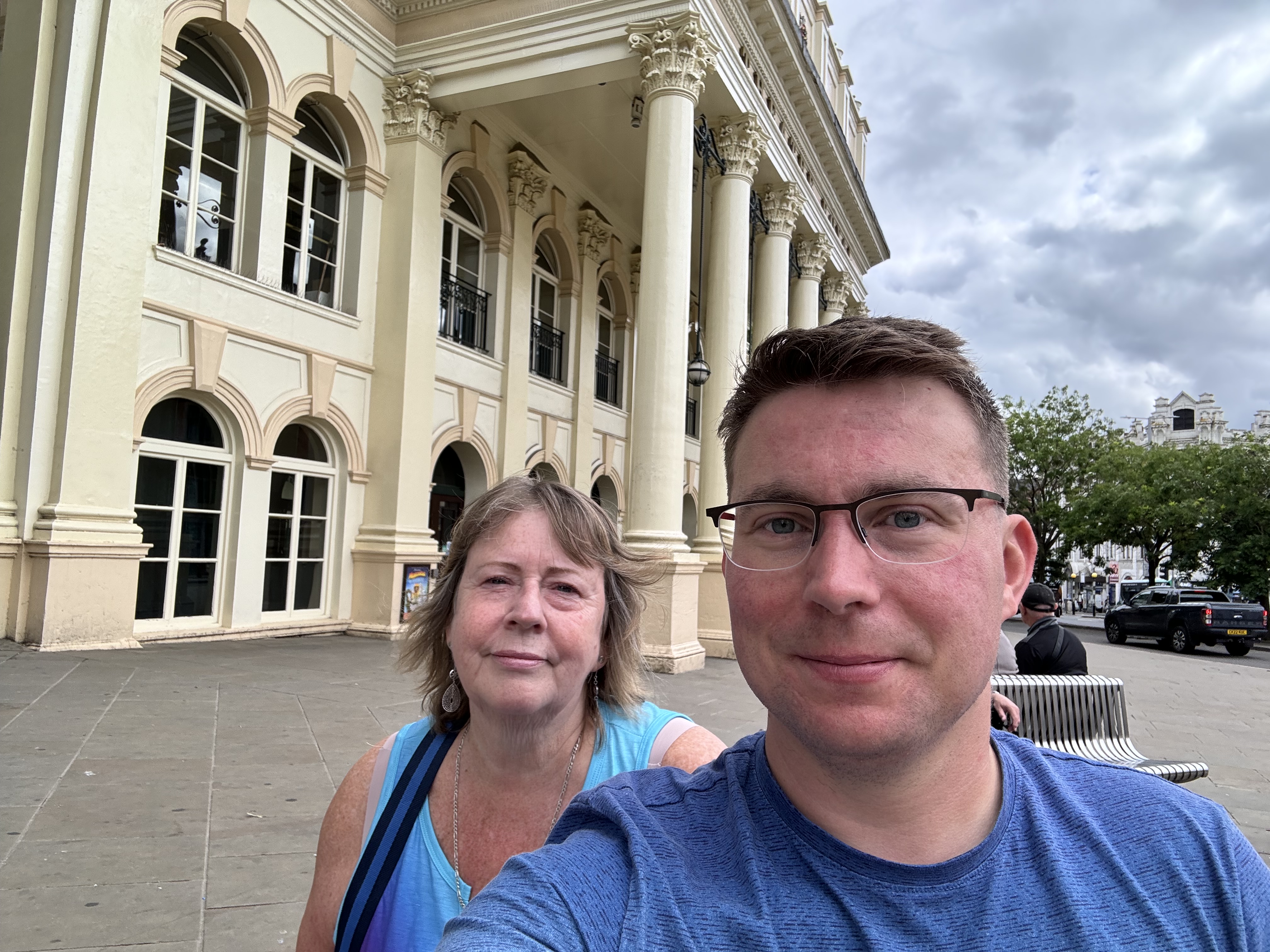
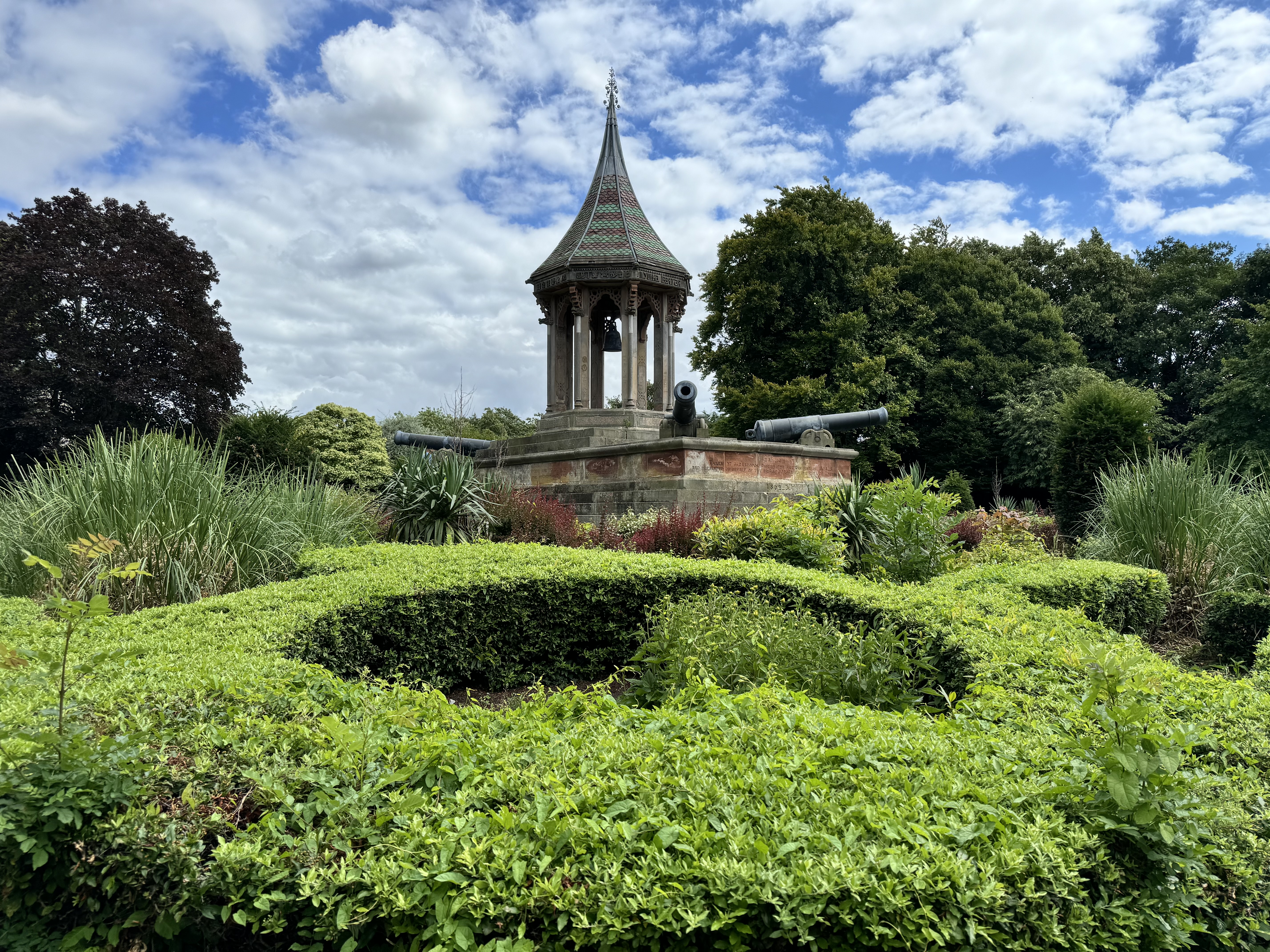
Mum and I outside the Theatre Royal in NottinghamThe Chinese Bell Tower in Nottingham ArboretumThe magnificent building of Nottingham High School, where Ed Balls and Patrick Bamford were educated
Here are the highlights of the cricket we saw at Trent Bridge on Sunday:
I’ve got some much needed time off work this week and, not wanting to waste it sitting around at home (though the snow has rather forced my hand on that one for the last couple of days), on Wednesday mum and I decided to go and see the sea.
We ended up in Mundesley, a village I hadn’t been to that often and didn’t know that much about. I knew that a teacher I didn’t like at primary school lived in Mudesley, and I knew that Mundesley was the first place mum and dad took me for an outing after I was born. I don’t remember that, obviously, but I’ve been told about it. I’ve also been to Mundesley with my friend and her dog for a walk.
When we arrived, the village was very quiet indeed, as you might expect in winter with the wind blowing and the temperature hovering just above freezing. Mum and I went to the cafe nearest the car park, where we sat in the window watching a procession of dog walkers heading down and then re-emerging from the ramp that leads to the beach. I had a coffee and a bacon and sausage roll. I’ve become something of a connoiseur of various pig products presented between two slices of bread, as my expanding waistline will attest to – Mundesley’s, for the record, was acceptable. Not the best I’ve ever had, but not too bad.
After the cafe we went for a walk, taking in the Norfolk coast path and the various sights along the way. Mundesley is actually a very interesting village in an architechtual sense – there are a number of old buildings, quite grand in appearance, that I wish I could find out more about.
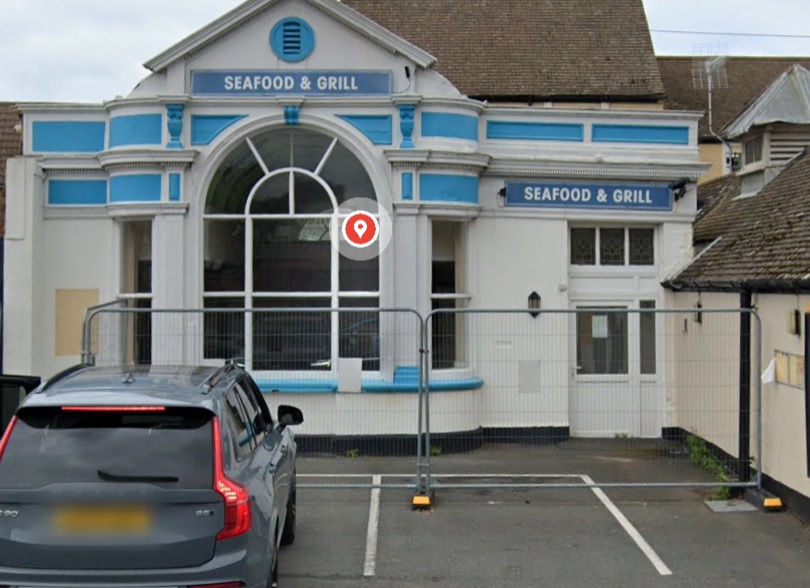
Look at this building, for instance. I’ve had to get this image from Google Maps as I didn’t take many when I was there (my hands were too cold to hold my phone) but I can tell you that it looks exactly like this now. Empty.
The architecture looks kind of art deco, I would say. It’s attractive, with its curves and big window. Yet it is underused, not being utilised to the extent that I’m sure the people who put it there invisaged.
The research I’ve done suggests that this building, somewhat surprisingly, isn’t listed and that it was once called Bar Victoriana. Judging by its Instagram account, Bar Victoriana marketed itself as a trendy cocktail bar and occasionally had live music. The bar’s website is now dead, but on Facebook it appears to have closed in July 2019, with the promise of a ‘new seafood & grill restauarant’ on the way, which would explain the signs still on the outside. I can’t find anything about what happened afterwards, but I would suspect that the business may have been a victim of the pandemic.
The building as it was in September 2008
Mundesley has plenty of Victorian buildings, probably due to the arrival of the railway (long gone) in that period that turned the village into a holiday resort. Some of them are made out of local stone, given them an unusual appearance, while others are built from the red bricks you would expect of the Victorians.
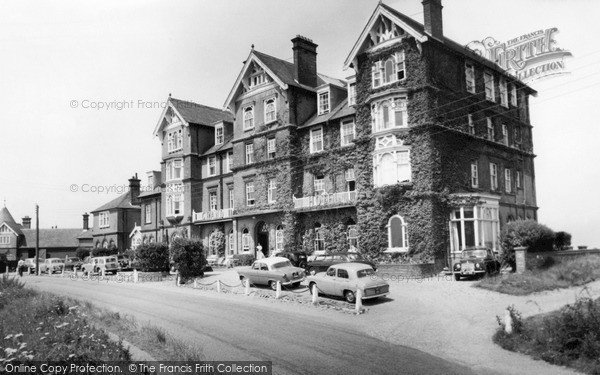
There are two imposing former hotels in Mundesley that demonstrate its past glory as a Victorian seaside resort. The photo below shows The Grand Hotel, as it was originally known, in around 1960:
From what I’ve been able to find out, the hotel was renamed the Hotel Continental at some point after the Second World War. G. Laird, who took the more recent photo below, remembers three summer holidays in Norfolk during the 1960s and said the Hotel Continental ‘was then a very elegant building and was clearly a popular hotel’.
It would seem the hotel later became apartments.
Old hotels fascinate me – especially abandoned ones. You see, history isn’t about being nerdy and reeling off dates all the time. My interest in history comes from mentally taking a trip into the past and thinking about what the buildings and the places I can see used to do, and of the scores of people that would have used them in a former life. Think about all of the Victorians who would have come to that hotel for their bucket-and-spade holiday. How excited they must have been to be out of the city for a few days. Imagine them, dining in the hotel with a view over the sea. What would they think of it now? A bit run down, a shadow of its former self. That’s what intrigues me about this kind of thing.
The other old hotel in Mundesley is the Manor Hotel. It was built in 1900, so slightly newer than the Hotel Continental, and was – as the name suggests – originally a manor house, converted into a hotel as the tourism industry took off. According to this newspaper article, the hotel ceased trading in December 2019 and a month later was up for sale (for what seemed like quite a reasonable £450,000). Of course, the pandemic was on its way shortly after, bringing with it a complete halt to tourism and leisure activities, so I don’t know what happened after that. The building stands empty, still showing evidence of the business that continued there until 3 years or so ago. Below is a photo I found online of the hotel in the month it closed:
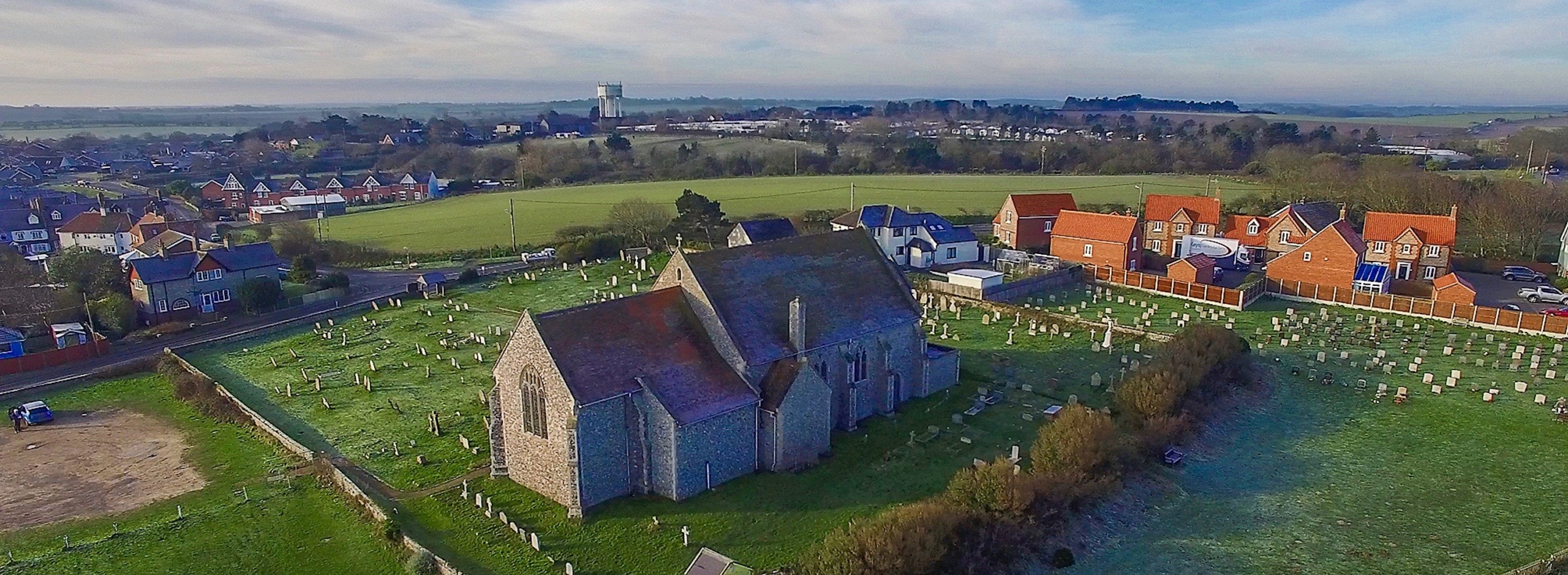
Our walk also took in the impressive All Saints church, which stands alone and imposing on the cliff top. The church has Norman origins, but I learned that it stood virtually in ruins for about a hundred years until being sensitively restored (unusual for the time, I think) between 1899 and 1914 – this coincides with the railway and subsequent tourist trade coming to Mundesley, so they probably felt like they wanted to smarten the place up for all of its new visitors. The church is described in much finer detail than I can manage here.
The church of All Saints, Mundesley
On the wall of the church, we noticed a plaque dedicated to the residents of the London borough of Haringey who had died at Clarence House in Mundesley. We found The Clarence House later on in our walk, and it is a care home in what looks like it might have been another former hotel, but even looking online I can’t find anything about this perculiar dedication to people who came there from the capital. My theory is that some elderly residents of Haringey may have been moved out of bombed-out London to calmer, safer surroundings on the Norfolk coast, but I have no idea if I’m thinking along the right lines. If anyone reading this happens to know more, please do let me know.
Speaking of the war, there is a large amount of evidence of Second World War defences in Mundesley. As well as a few pillboxes, there is a gun emplacement, built in 1940 or 1941. There is a newspaper article here about the community’s efforts to have the gun emplacement protected by Historic England. The gun emplacements are a stark reminder of how worried Britain was during the war about the enemy invading by sea and its extensive efforts to protect the coastline. The guns themselves were removed by 1946, but under the structure remains what would have been an accomodation area complete with bed frames. The future of the gun emplacement is a concern, with the underground section apparently now full of water and coastal erosion bringing the whole thing ever close to the edge of the cliff. I’m not that into war history, but I’d recommend visiting the gun emplacement at Mundesley while you can.
The gun emplacement at Mundesley, pictured in 2016
Part of our walk also took in Sea View Road, an untarmacked street separate from the main road. We found the number of seemingly empty but reasonably well-kept properties along this road odd, eventually concluding that this is probably an area of second homes – rich people, coming from outside Norfolk, who own properties on the coast that they only live in for some parts of the year. It’s a growing point of contention around here, and is already a massive problem in places like Cornwall.
Our walk also took in this old brick kiln, right in the middle of what is now a caravan park and one of Mundesley’s listed buildings, and some evidence of coastal erosion:
With a little help from a bus, we were back where we started and some (very good) chips for lunch brought a lovely little trip to the seaside to an end. I left knowing more about this small village of the North Norfolk coast, and reminded that everywhere has a story to tell if you look hard enough. I urge you to go out there and explore!
It’s far from the only thing that I would say was better when I was younger, but I’m not sure it rings true quite as much with anything else. Christmas began as soon as I finished school for the year. I can remember once when the suburb of Norwich I lived in was covered by fog for what felt like a week, combined with the festive films on the TV lending a wonderful winter atmosphere to the build up. On Christmas Eve, a family tradition was to go to KFC for tea and then drive around the city looking at the lights on people’s houses. It really got you in the spirit.
As an only child (I have a half-sister, but she’s quite a bit older than me), I got lots of presents, as shallow as that makes me sound. I wasn’t one for getting up ridiculously early to open them – I once had to be woken up by my parents on Christmas morning – but there were definitely years when it was still dark outside. My dad would pretend to be interested in what I was unwrapping, but his real role was being in charge of the bin bag that all the paper went into.
Christmas Day would usually mean going to my grandmother’s house, where you were guaranteed a meal that would leave you unable to move. You were never knowingly underfed at nanny’s. She was an excellent cook, and her Yorkshire puddings were divine. We’d then collapse onto the sofa, slipping in and out of a food coma watching the big Christmas shows on TV.
Boxing Day saw us play hosts to dad’s side of the family. My sister and her family, along with my nanny and grandad (the one who would buy my hand-drawn comics from me) would come to our house. I would get to play with my nephew and niece, my mum would cook another lovely meal, and then the adults would play cards. I played along on a few occasions, but more often than not that time would be spent putting on a little show for my grandad. The great man would sit through whatever awful acting, singing or dancing (my niece would do that last one, rather than me) we put in front of him. One year, the three of us made our own film using a camcorder. I can’t remember if the camcorder had been a present for someone, but I can definitely remember filming my nephew at the top of the stairs, apparently murdered. The rest is sketchy. I think one of the characters was called Barry.
The fun didn’t stop there. New Year’s Day would be my sister’s turn to open her home. We’d have buffet style food, rather than a full meal, and we would watch the football scores coming in. These memories are incredibly vivid. Yet there are Christmases in the last decade that I couldn’t tell you about, as I have forgotten them.
Times change, of course. My mum and dad split up in 2007. All of our Christmas traditions up to that point ended immediately. In 2010, my mum couldn’t taste her Christmas dinner and ended up in A&E, eventually being diagnosed with bronchitis. On Boxing Day 2012, I took my dad – who had been suffering from Alzheimer’s disease for a few years by then – to his last ever Norwich City match at Carrow Road. It had just become too difficult to get him there and back. We lost 1-0 to Chelsea. Then, on Christmas Eve 2013, dad was taken to hospital from his care home. He died on 1st February 2014. He was not well enough to read the card I’d bought him that year.
Another big difference between Christmas as a kid and now is that I’ve spent the last 12 Decembers working in a supermarket. Provided I haven’t been sacked and not told about it yet, this will be my 13th. Plenty of funny things have happened at work in those years. My favourite is probably when a woman came to the kiosk to ask me for ’50 grams of Golden Virginia’ but instead asked for ’50 grams of Golden Vagina’. Obviously, Christmas is the busiest time of year in that industry so, not only does the build up to it start before the kids have gone back to school, by the time the big day gets here you’re knackered. It wasn’t too bad when I first started, when I was just on the checkouts. I’d just go home with the same six Christmas songs ringing in my ears. But when I moved onto doing the trolleys, it would be like painting the Forth Bridge. By the time I’d brought a line of trolleys to the front of the store and gone to get another, the first line would be gone. It’d also be difficult to get the trolleys in at all, what with the cars queueing round the car park. In 2018, I came home from work the Sunday before Christmas in a state that I can only describe as broken.
Christmas 2018 – I was broken.
Since I’ve gradually been given more responsibility, Christmas is busier than ever. It sounds quaint now to think that when I was at school doing anything before 8am felt excruciatingly early, and after 4pm incredibly late. These days I can be at work at 5.45am, or I can still be serving someone with a massive trolley full of stuff at 11pm (though not on the same day, thankfully). All to the soundtrack of a choral cover of Santa Baby, or the frankly bizarre I Want a Hippopotamus For Christmas. Last year, for the first time I was given the task of handing out food orders to customers, some of which they had put in as far back as October. It was superbly organised, but did involve me spending time in a dark and cold shipping container in the yard.
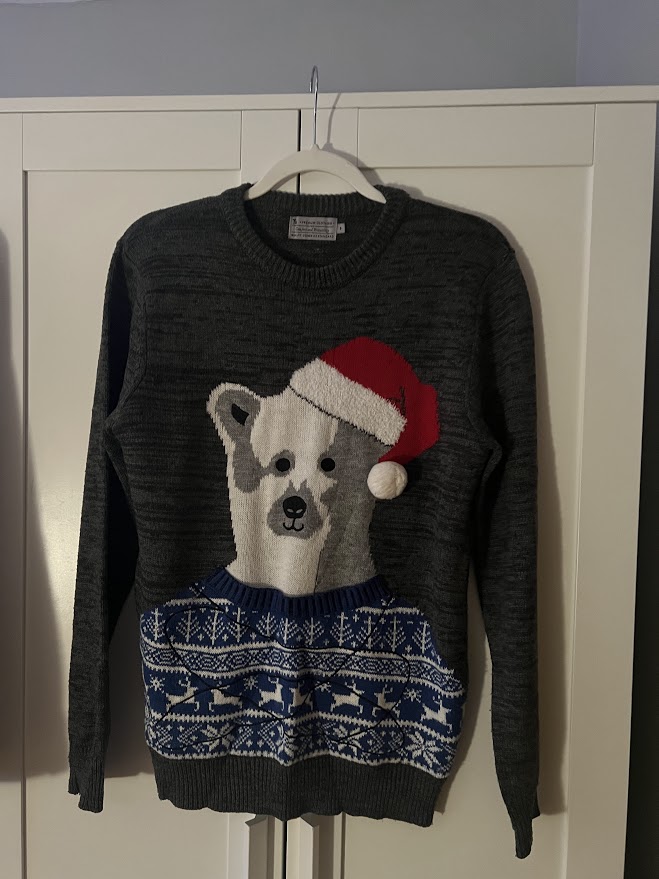
The company are kind enough to allow us to wear a Christmas jumper at this time of year. I cannot stand wearing a collar (I have a thing about things touching my neck) so I will take any opportunity to ditch the usual uniform. As I’m tight – I’m my father’s son – I have worn the same one every year since 2017 and that tradition will continue in 2022. It’s grey with a polar bear on the front. The bear used to light up but the jumper smelled so bad one year that we had no choice but to remove any battery-powered parts and put it in the washing machine.
The trusty jumper I’ve worn for work every year since 2017
Christmas is still something I look forward to. Even though work is busy, there’s a nice atmosphere of ‘we’re all in it together’ with my colleagues. The World Darts Championship signals the beginning of the festive period for me, starting a week or so before Christmas and finishing at New Year. As soon as I see the arrows on the telly, I feel warm inside. The day itself is spent with my mum and her other half Dave, the two most important people in my life, and we eat lots of food and have a great laugh.
Whatever December means to you, I hope it’s a good one. I think we all deserve it.
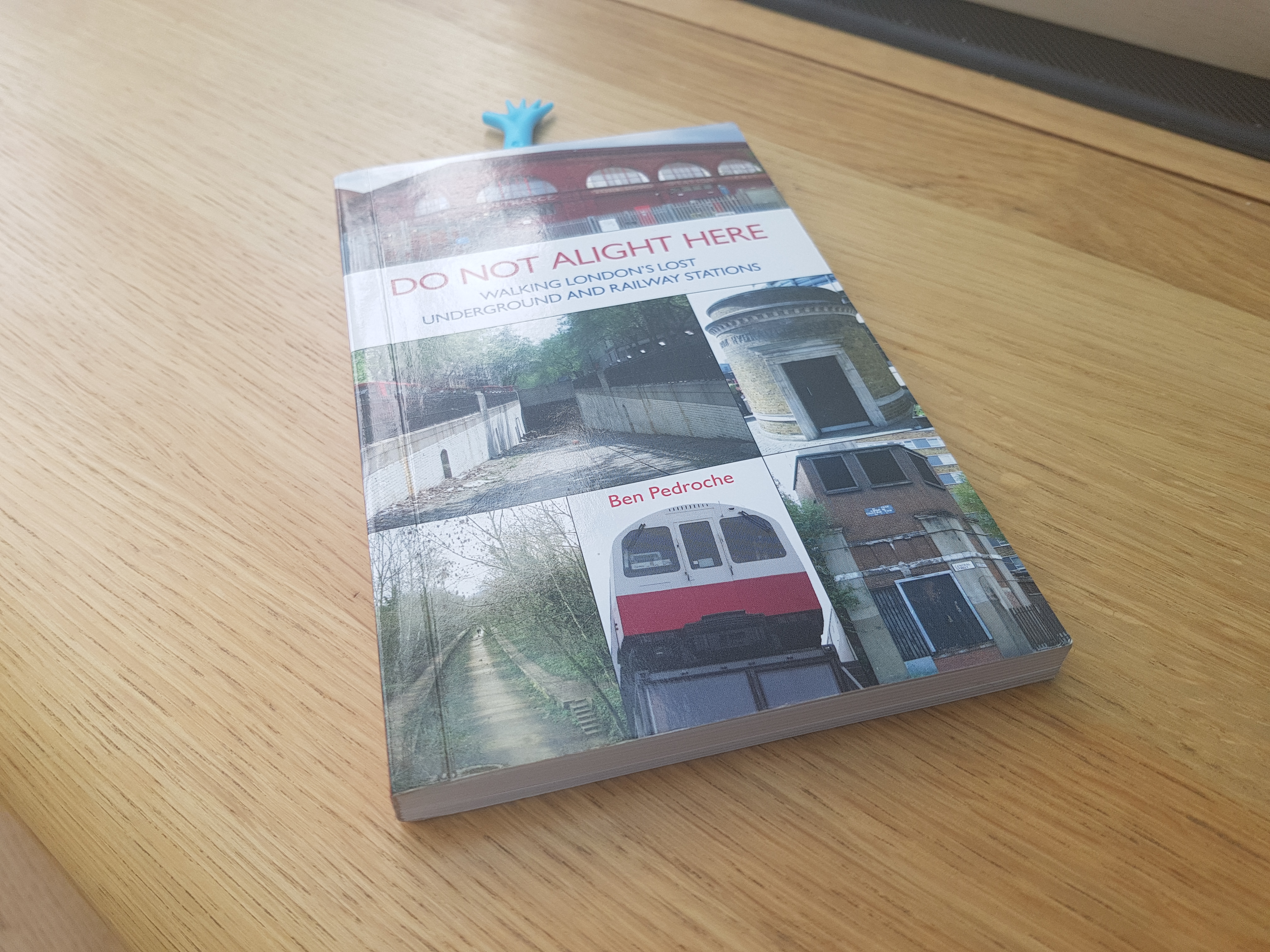
Three things I love are London, walking and disused railway lines. That makes this book seem like it was almost written with me in mind.
The morning after the Arsenal v Norwich match I decided to do one of the walks in the book, starting at Finsbury Park.
The park itself often hosts big name musicians. In 2014, my favourite band Arctic Monkeys played two gigs there and this week Liam Gallagher announced he would be playing Finsbury Park in June 2018.
My walk followed the route of a planned extension to the Northern Line of the London Underground which was never completed.
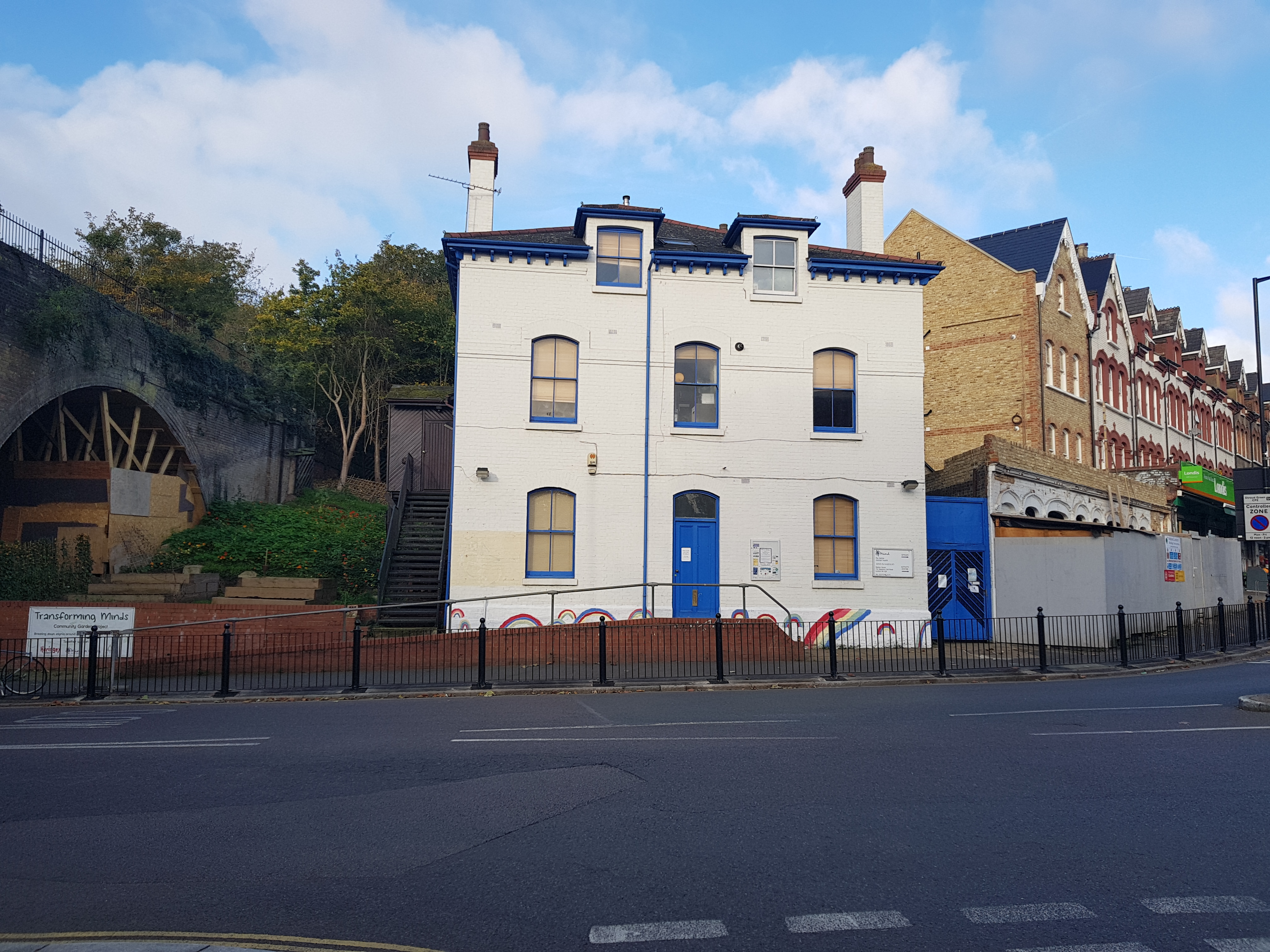
What I enjoy about disused railway lines is imagining what they once looked like, seeing how they have changed with the ghost of its past still evident. The first example of this was when I came across the building below.
This used to be the station building of Stroud Green station
Stroud Green station closed to passengers in 1954, but 63 years later its building is still intact. There’s no evidence of how the building links to the railway bridge above, so countless people must pass it every day without ever realising its former purpose.
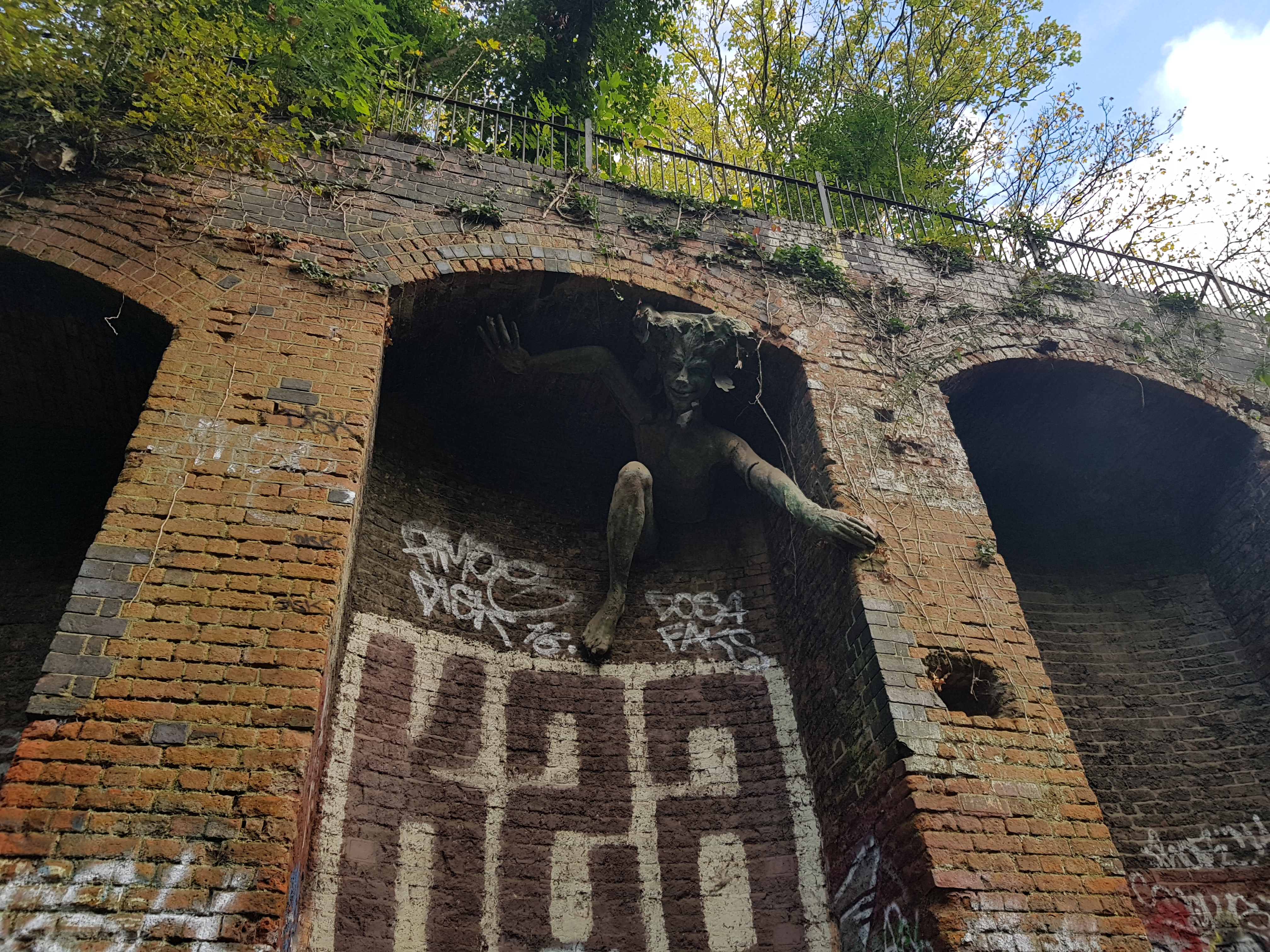
Further along where the track once was, there is a work of art inside one of the arches. When you’re walking alone, it’s quite creepy to be honest – even though I knew it was going to be there!
Spriggan sculpture
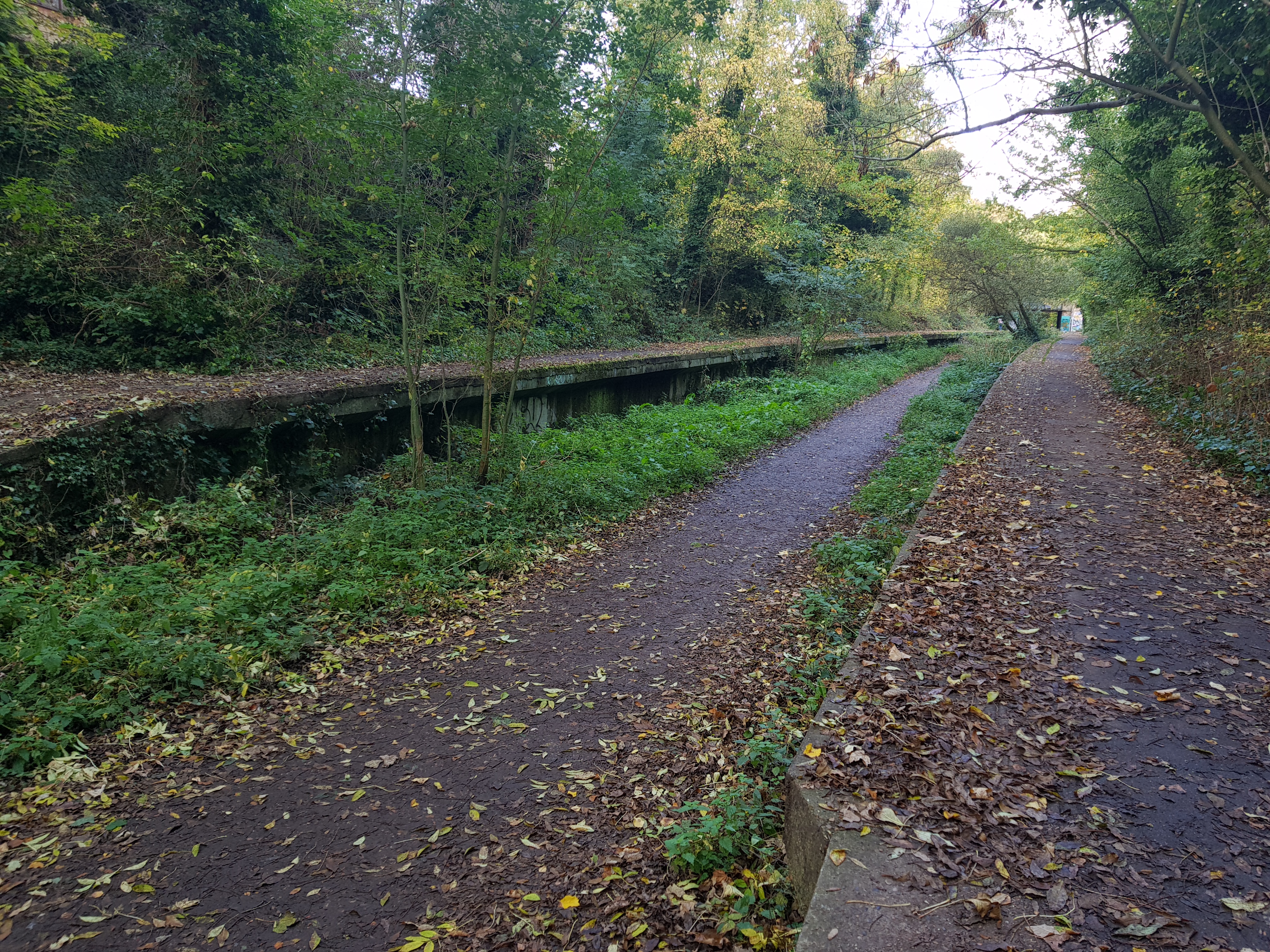
The most intact platforms on the walk are at Crouch End. As you can see from my photo, it’s obvious that trains used to stop here.
Crouch End
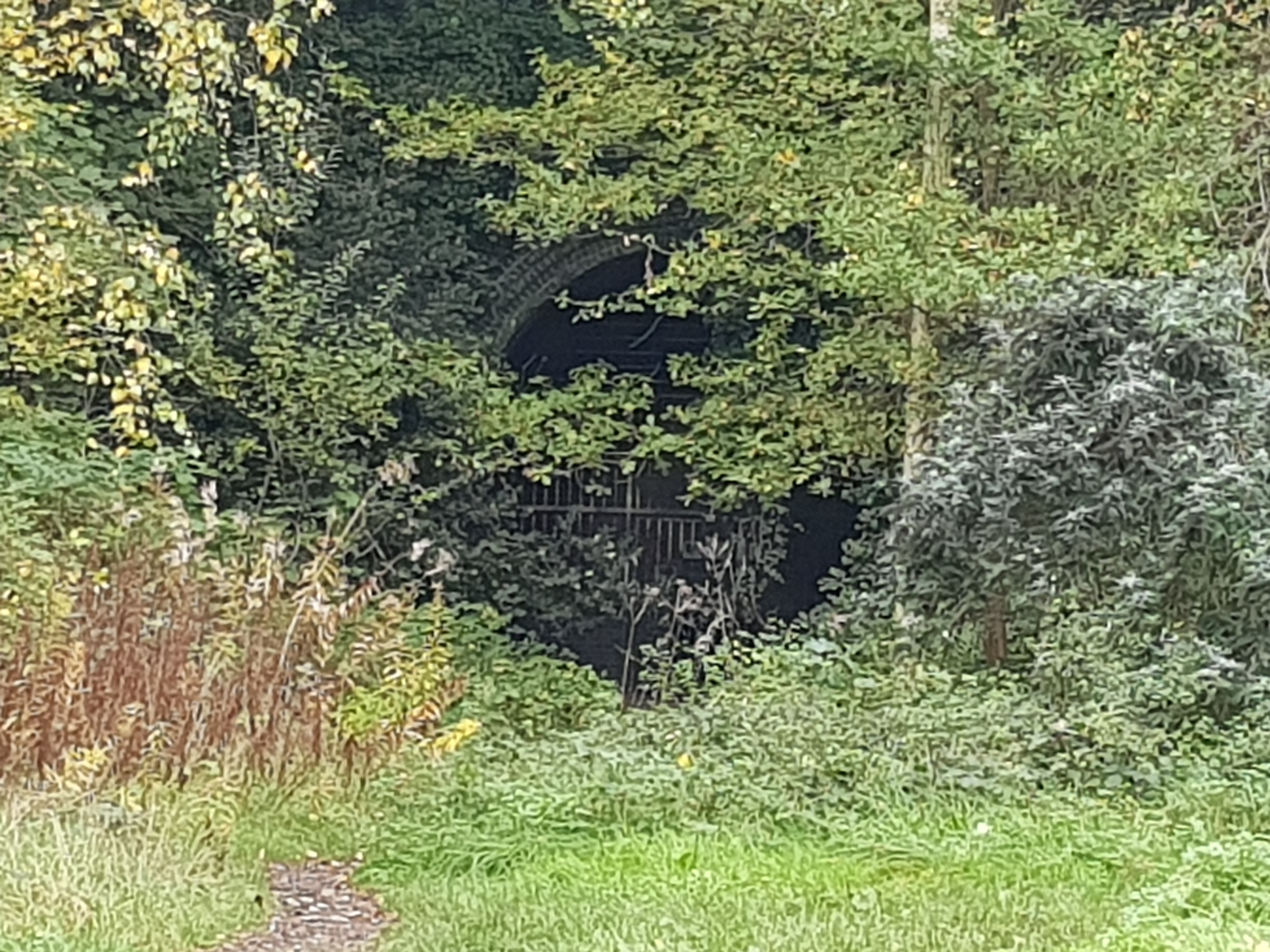
The thing I was most excited about seeing were the Highgate Tunnels. The imposing portals are now a sanctuary for bats. The ground in front of them was too muddy for me to walk across, so I had to zoom in from a distance, but you can still see them.
The abandoned Highgate Tunnels
To rejoin the walk, I had to go up to street level. I was now in Highgate, famous for its middle class mums (as seen in the @Highgatemums Twitter account and book). The next thing to glimpse was the abandoned Highgate High Level station.
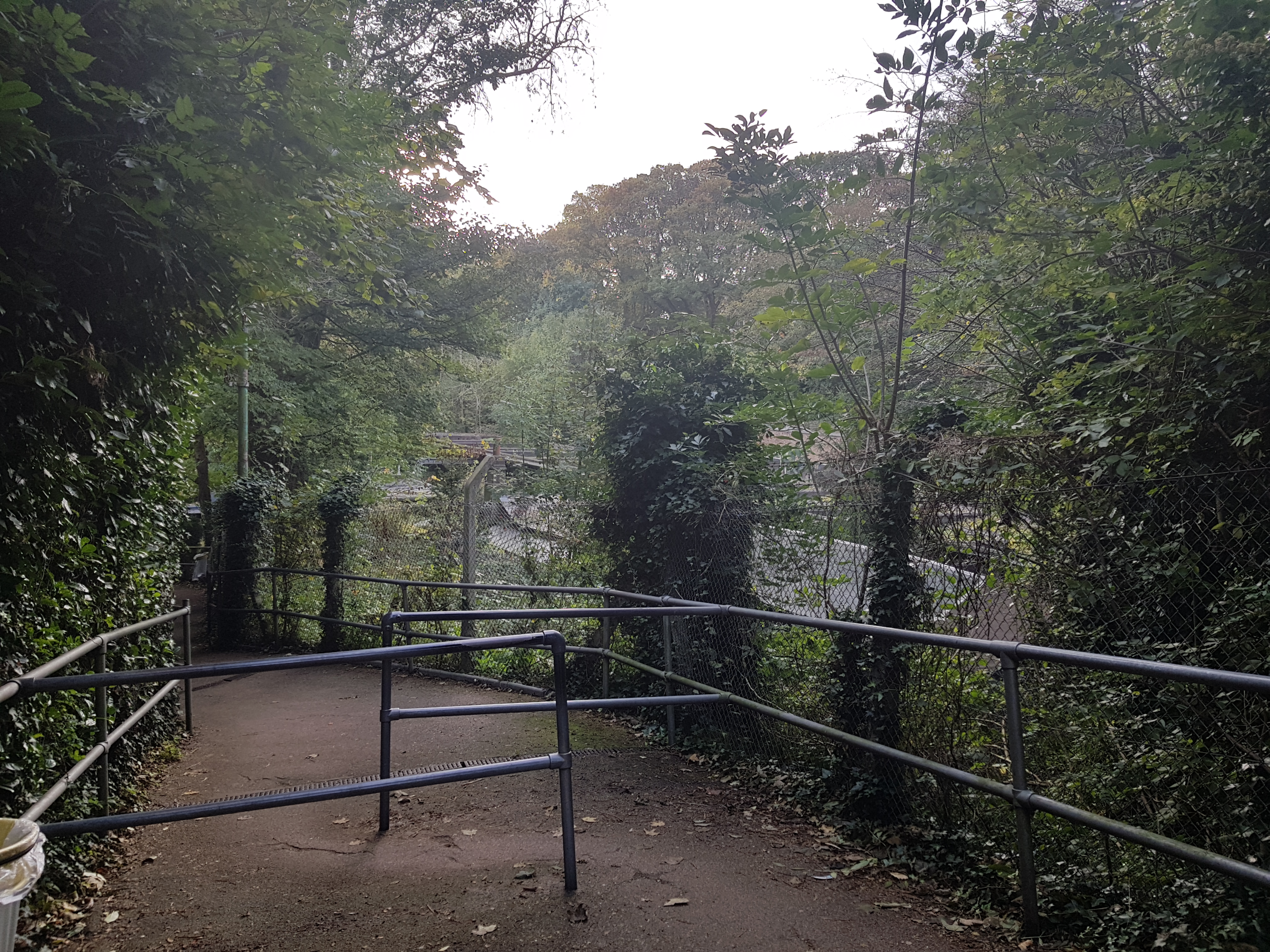
Overlooking the abandoned Highgate High Level station
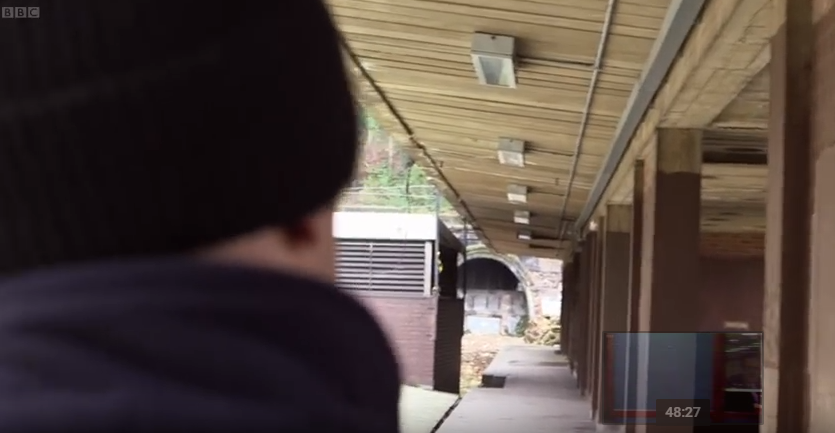
It was near impossible to get a good view of it, but the tunnels I saw earlier emerge here. In a BBC documentary made in 2013 to commemorate the Underground’s 150th anniversary, a Tube driver can be seen on the platforms.
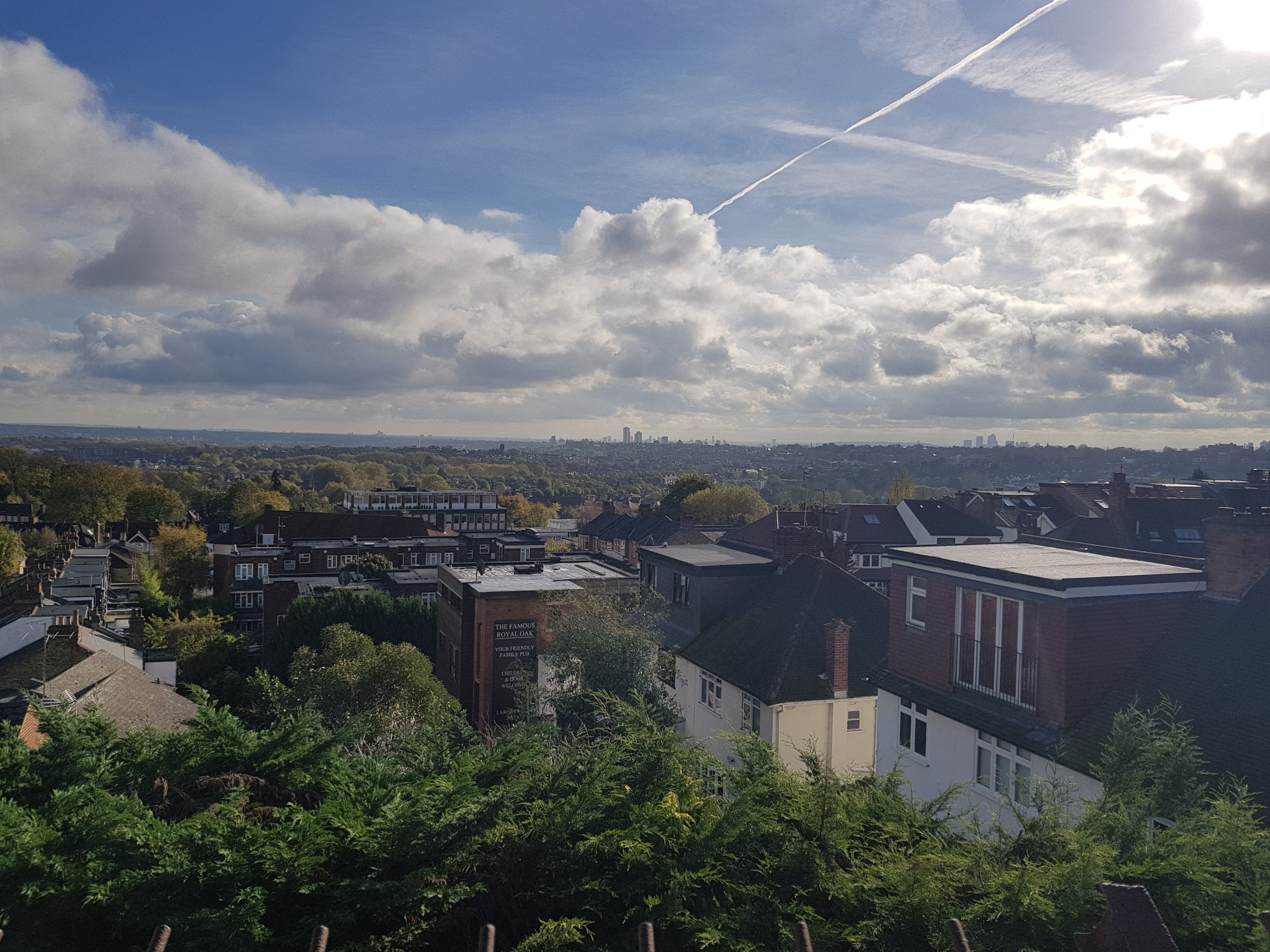
The walk ends at Alexandra Palace, where the World Darts Championships are held at Christmas every year. However, with a train home to catch I decided to stop after taking in this incredible view over London.
Looking over London
I plan on going back to finish off the walk in the future, but I had a great time doing the bits of it that I did.






 LEE PAYNE