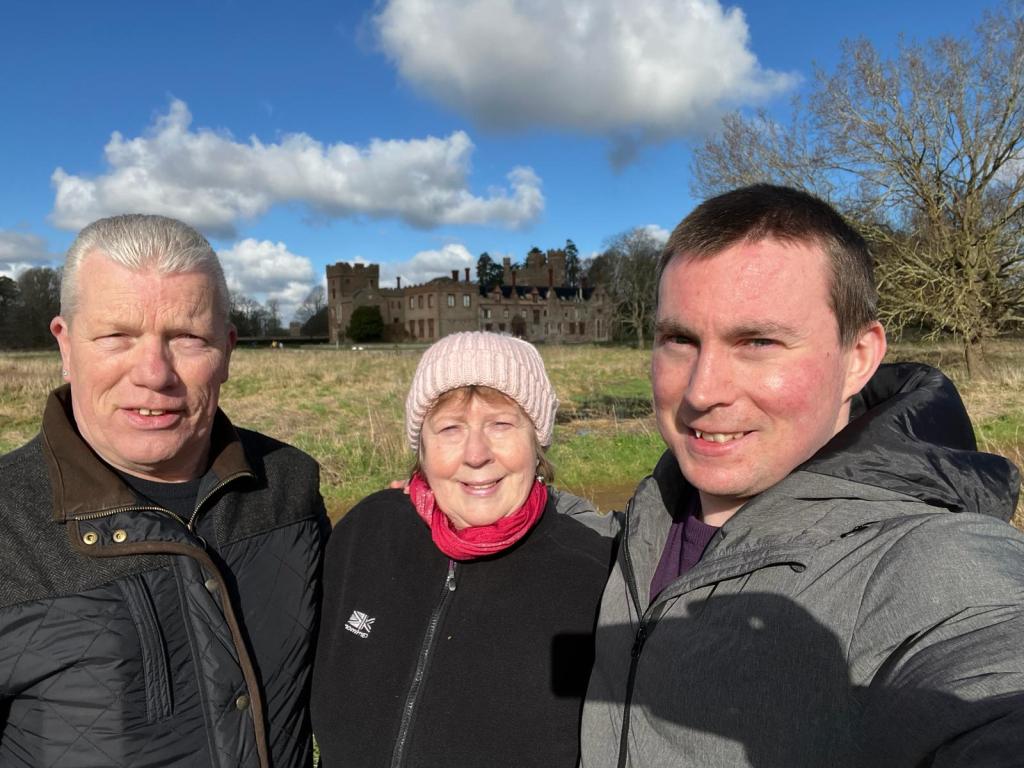
Hello again.
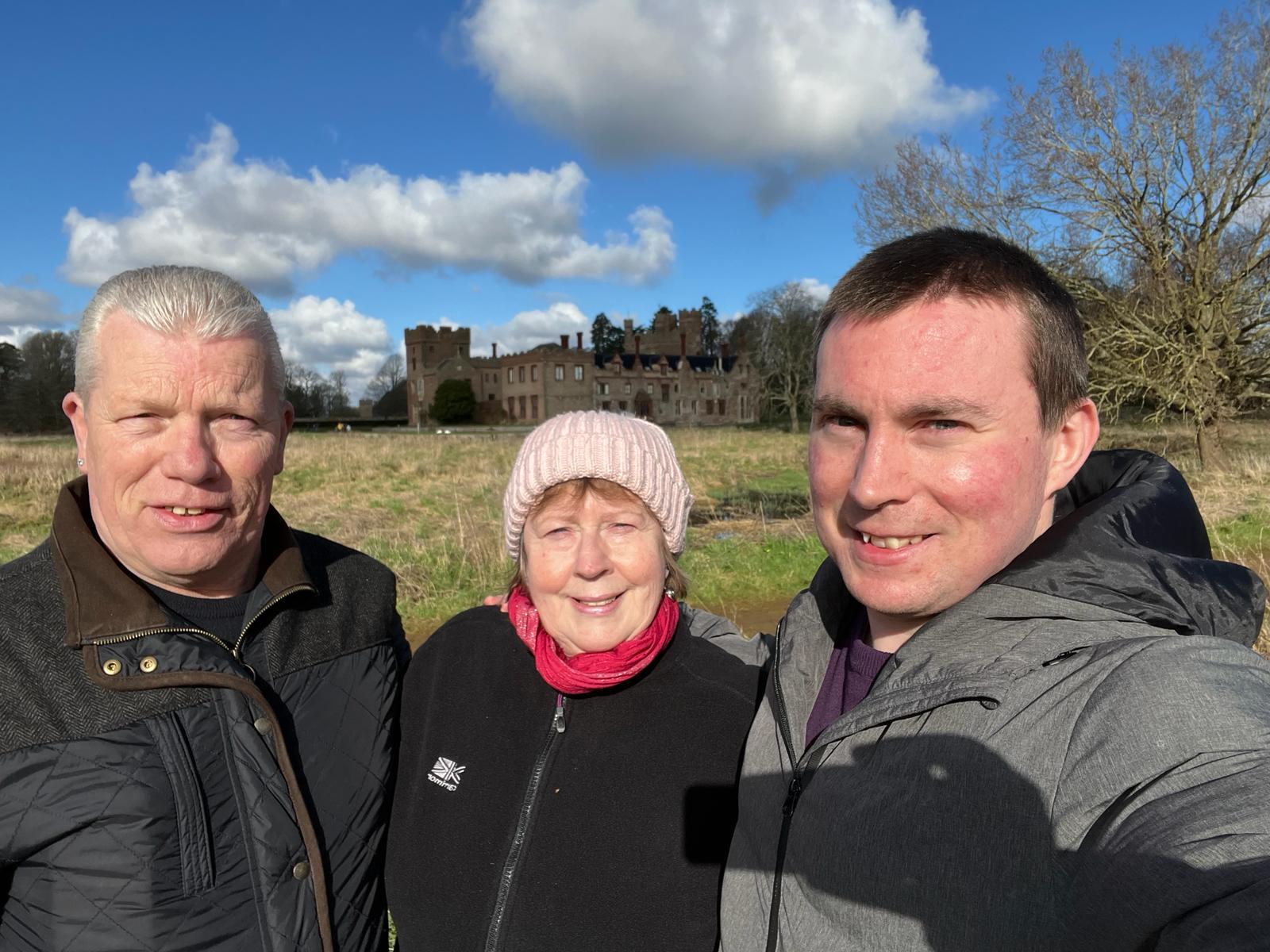
Without wishing to sound as pretentious as this might seem, it feels like I am saying hello again to myself as much as to anyone who has chosen to read this. The fact I feel able to sit and type this is a triumph in itself; not so long ago I wouldn’t have been capable of it.
I have always been prone to periods of low mood. To feeling like I am struggling to stay afloat. I don’t know why that is, and I certainly don’t relish it. I don’t want to wallow in self-pity. I wish I could be on a consistently upward trajectory, with a clearly defined goal to aspire to that would mean I had been successful. But is anyone’s life really like that? If I have learned anything over the last two months, it’s that everyone has their peaks and their troughs. Some have learned how to deal with them better than others, but only through experience. No one is immune.
This is the first time I have ever had a prolonged absence from work. I had never before had a sick note signed by a doctor. In thirteen years of work, I have had no more than four consecutive days off with illness – once enforced with Covid and once because of flu (not just a bad cold, the full blown flu). I even carried on when I had shingles at one point.
On a Tuesday morning in early January, I knew I couldn’t continue. I was gone. Going to work, no, leaving the house – no, actually, getting out of bed seemed like an impossible task. I couldn’t identify one particular incident that had led to this moment. I think now that it was like a boiler constantly having its pressure raised until it all got too much and gave in. A culmination of many things. In truth, I had been having panic attacks for over a year already. They nearly always happened at work, and when they appeared I would have to take myself away. I would have to find an excuse to be away from people. I’d deliberately find a task that meant I had to put distance between myself and everyone else.
I couldn’t explain why they were happening. It was the same job I had been doing for all my working life, it was a job I knew how to do, and suddenly I felt incapable, I felt weak, I felt like I was letting people down. The thought of my early shift on a Friday morning would render most of Thursday a waste of time. I couldn’t enjoy my day off because I was full of anxiety about work the next day. It took some persuasion to get me to see a doctor, because I thought I would be wasting their time. But I wasn’t, of course. Doctors have seen this all before. I was put on some medication, pointed towards talking therapies and offered time off work. That was in April.
I didn’t take the sick note then because I didn’t feel like I needed it. It wasn’t that bad. And other than making a few cursory glances at the wellbeing assistance offered by work, I didn’t pursue the therapy route. That seemed like crossing some sort of line. Like I would be admitting defeat. I am wrong about all of this, obviously, and kind of despise myself for ever thinking in this way. But I can’t deny it.
I carried on. I carried on right through the busy Christmas period that is always hell when you work in a supermarket. I dealt with having to work Christmas Eve, Boxing Day, New Year’s Eve and New Year’s Day. I guess I thought when January came it would be easier. People wouldn’t need so much stuff, either because they had enough already or because they were skint. It didn’t get noticeably quieter, though, and on two consecutive Sundays I found myself on the verge of walking out. I was walking through the corridors, hoping to bump into a manager. If I had, I would have told them that I was going home there and then. My ability to cope had been exhausted. I didn’t go home, though, and I talked myself out of running away. I got through the day and would collapse into a chair in the living room, completely done in, falling asleep at 5.30pm. At 31 years of age!
Maybe I should have spotted that things were coming to a head. That Tuesday morning came and I could not continue. I had to withdraw. I officially went off sick, was referred to the Norfolk Wellbeing Service by a mental health nurse and put on different medication. My mum took me to a garden centre, just to get me out of the house, and I was so restless with anxiety while sat in the cafe, a place that should be calm and comfortable, that it felt ridiculous. It was clear that I would not be able to go to work on the Friday, so we asked for a sick note. I was expecting maybe a couple of weeks, so was surprised when the doctor had put a whole month on the certificate.
The first few days, indeed the first few weeks of the note, were unpleasant to say the least. I was consumed by guilt, shame and paranoia. Guilt that I was letting my colleagues down, shame that I’d let myself give in and paranoia that some people wouldn’t believe that I was as bad as I said I was. I developed a habit of waking with a start at 4am, always 4am without fail, usually from a nightmare where I had gone back to work and it had become apparent it was too early. Even minor errands like going to the local shop seemed terrifying. I would put them off until I couldn’t put them off any longer, and then I would hate every second of them. I wanted to run away from the situation. Home was my sanctuary. One night I even slept in the caravan on our driveway because it was thought that a change of scenery, however minor, might help me sleep a bit better.
Going to the football, something I have been doing for fifteen years, felt like the most insurmountable challenge. On the morning of one match I had every intention of going but had got myself into such a state that my mum suggested it might not be a good idea. I stayed at home while mum and my step-dad went. I was immediately relieved at not having to go through the ordeal but angry with myself for not being up to it.
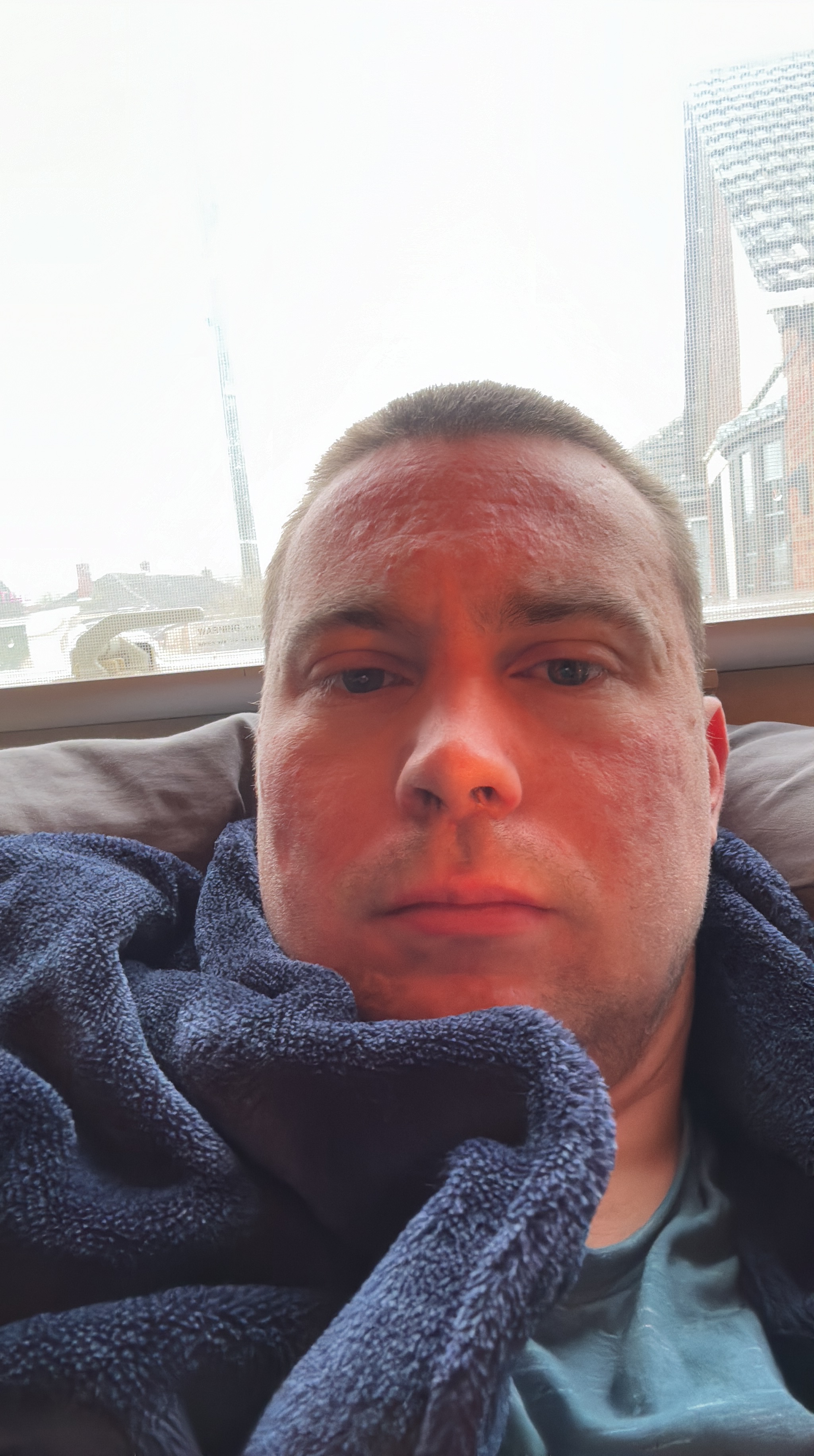
For a while, this seemed to be the new me. Outside of society, hidden away, not capable of functioning in the real world. It honestly didn’t feel like it would ever get better. But something else I’ve learned is that things always get easier after a while. The doctor doubled the dose of my medication, I reached the top of the waiting list to start telephone appointments for cognitive behavioural therapy (CBT) and I realised that it had been a while since I’d had an ‘episode’.
Throughout all of this, our little budgie Messy had been a constant companion. He was something for me to care for, to stop thinking about myself for a while, if only to feed him and get him some clean water in the mornings. When my mum and step-dad were at work, just hearing him moving around his cage or chucking bits of seed out of his food dish made me feel like I wasn’t on my own.
Then Messy died.
We thought he had hurt his leg, because he wasn’t moving very well. He had never been able to fly, because the people we bought him from had clipped his wings (we did not know this at the time, and don’t approve of this practice), so we were used to him hitting the floor with a thud when he frequently tried and failed to take off. He wasn’t getting any better, though, and he had completely stopped chirping and talking. He had stopped being himself. So we took him to a vet. Looking back on it now, I think the vet was just trying to soften the blow when she entertained our idea that he had hurt his leg. She quickly suggested it was possible that it was a neurological problem, and that if it was there wasn’t much that she could do.
Messy had hardly been home an hour when he literally fell off his perch. He was still with us at this point, blinking away, hugging mum’s shoulder on the sofa, seemingly unable to move by himself any more. I found it too upsetting. I couldn’t stay in the room. I shut myself away. Mum was magnificent. She held Messy for as long as she could, and made sure he was comfortable, keeping him warm in a box in his last hours. We knew what was coming. By the time we woke up on Saturday morning, after not much sleep, he had passed away. It was pure grief. This wasn’t just losing a budgie for us. It was losing a member of the family. A friend. A character. It all felt so unfair; he was only fifteen months old. We were supposed to have up to eight years with him.
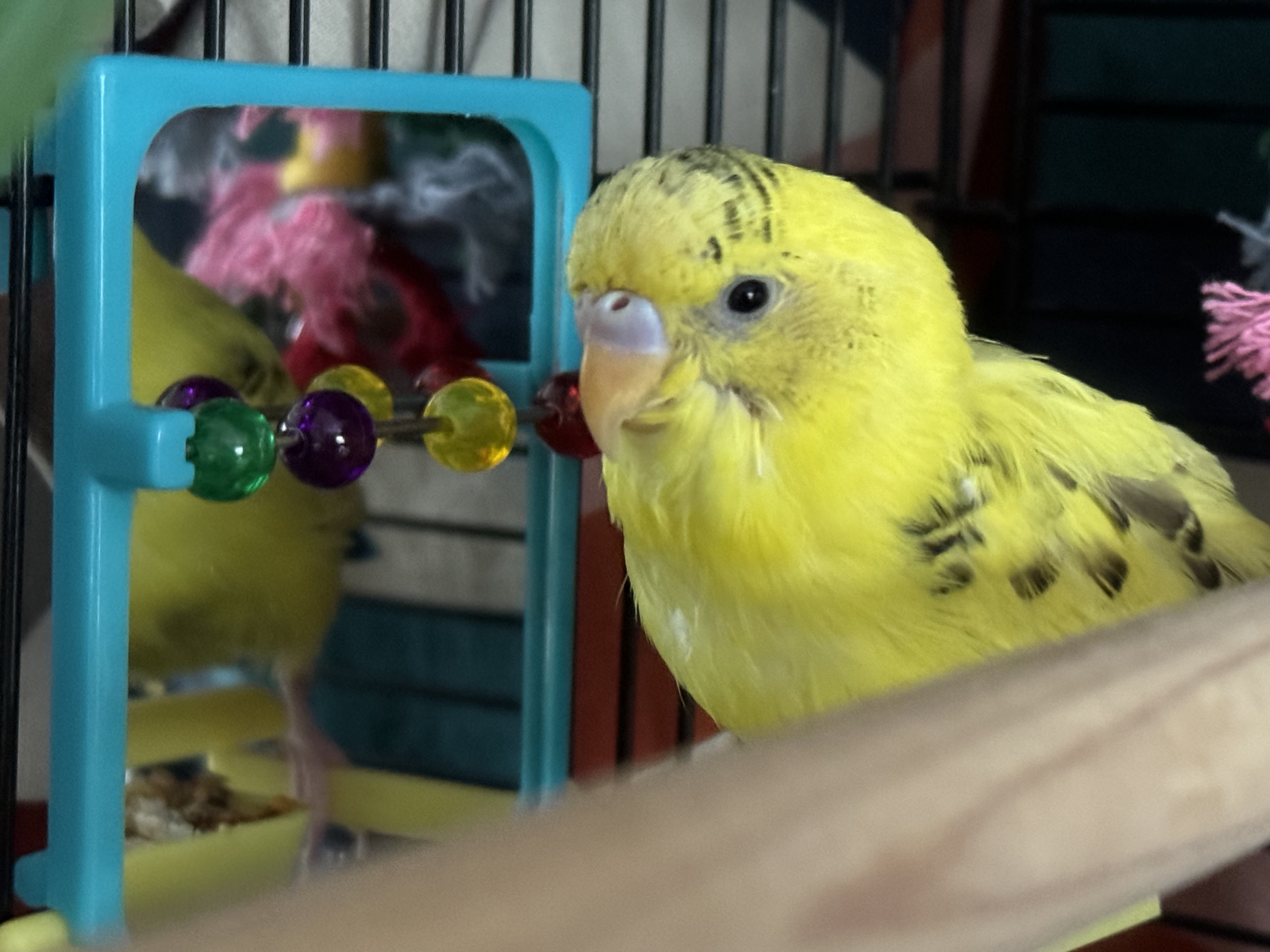
The only positive from Messy’s untimely death was that he completely stopped me worrying about a meeting I had at work on the Saturday morning to discuss my absence. I was so worried about him, so sad about what was happening, that any anxiety or nerves I had about going back to that place had been rendered irrelevant. I was not bothered in the slightest. I found it all very easy, and for the first time I said I was prepared to go back to work.
The next morning, we buried Messy in the garden and planted a flower above him. He will never be forgotten. At the time, both I and mum said that we couldn’t contemplate having another pet because it hurt too much when we lost them. How could you love something so much, only for them to break your heart like that? But in the days since I have softened my stance on this. I would love for Messy to have a successor. I’ve even thought about a name – Tidy.
Whether it was the resolve instilled in me by Messy’s death, the medication starting to work, or a combination of the two, I have found the world easier to deal with of late. Last week, I went to London with mum and stayed a night in an AirBnB without feeling anxious at any point. I think the sheer number of people in London, and the way you can blend into the background and move around unnoticed, helped. I have been to a football match, travelling by bus and sitting in my usual seat, without letting my nerves get on top of me. Life no longer feels like a challenge I can’t rise to. I have my moments, and there is no point where you feel completely fine, but you feel like you can be part of society again.
My return to work is approaching. It’s 17th March. I will be starting off by doing shorter shifts, to get back into the swing of things, for the first week or so. But it feels like a big step. And not one I’m having nightmares about any more. I am determined to go back and to show everyone that I am not weak, that I am just as capable as I have ever been and that I might even be better off for the experiences I’ve had since the start of the year.
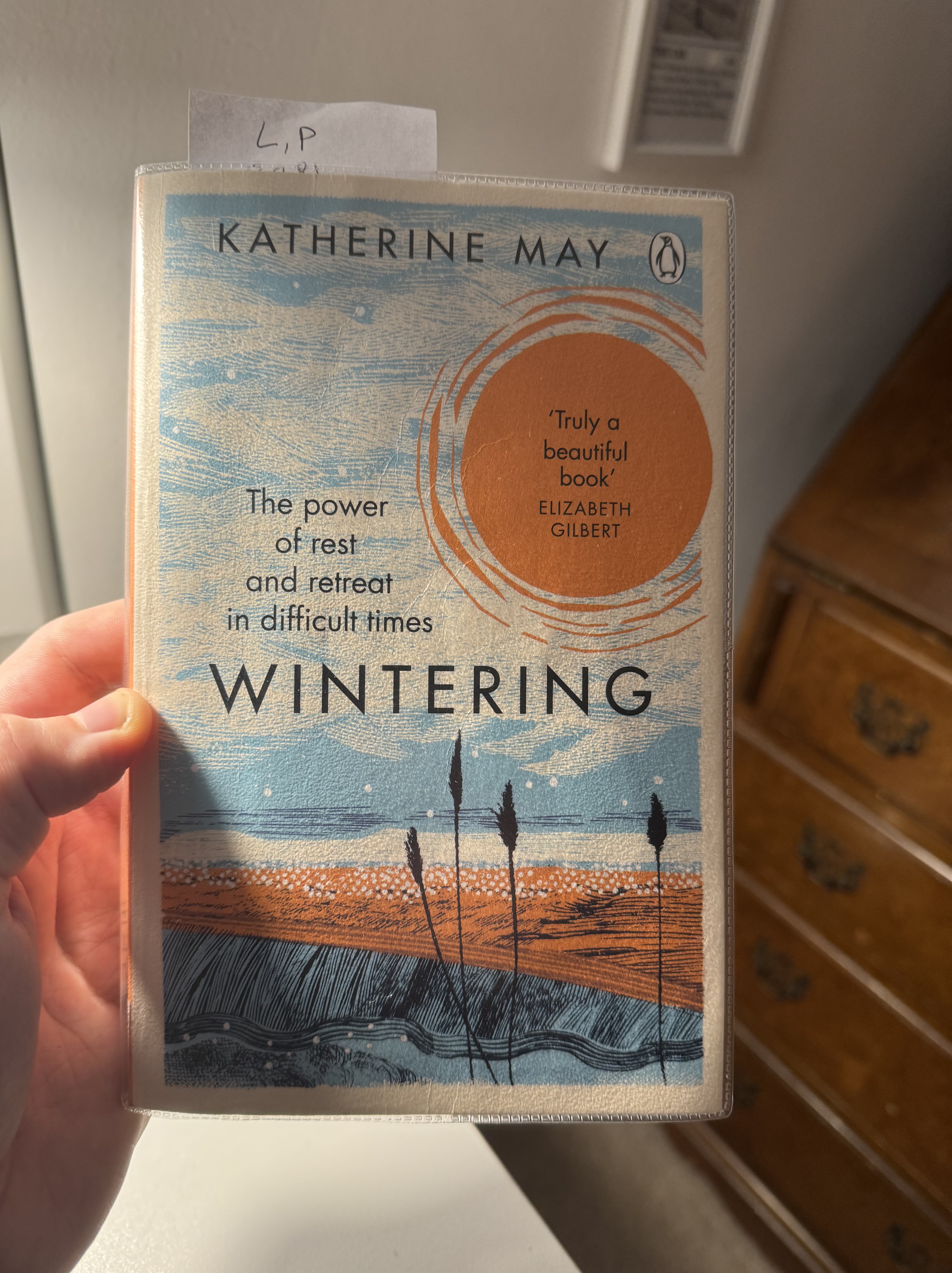
I have been reading a book called Wintering by Katherine May, which I have found helpful. It explores ‘the power of rest and retreat in difficult times’, and it has changed how I see these cold and dark months. It’s not a period where you are supposed to sit and wait it out, eager for the summer to return. It looks at how winter is an important time in itself, and how different people and indeed different animals adapt to it. I have picked out three quotes from it that I have found particularly relevant to me.
Unhappiness has a function – it tells us that something is going wrong.
Our present will one day become a past.
We who have wintered have learned some things.
Robins sing through the darkest months.
Wintering (2020), by Katherine May
You see, I no longer feel like I have failed. I no longer feel like I gave in. I have been ill. My body told me that it needed to rest, to recover, and I have given it time to do that. I can now come back into the world, to feel normal again, and take the things I have learned along with me. I have wintered. And now I am ready for the spring.
If you have made it all the way down this far, you have done extremely well and I thank you for that. This has been a self-indulgent post to say the least. But it has been incredibly therapeutic to feel these words flowing out of me. To be able to make sense of what has happened to me. I feel like this marks my return.
All the very best to you,
Lee
 LEE PAYNE