Tag: north

  • You don’t have to go far from home to find yourself – my night in Cromer

    “I am not enjoying myself very much.”
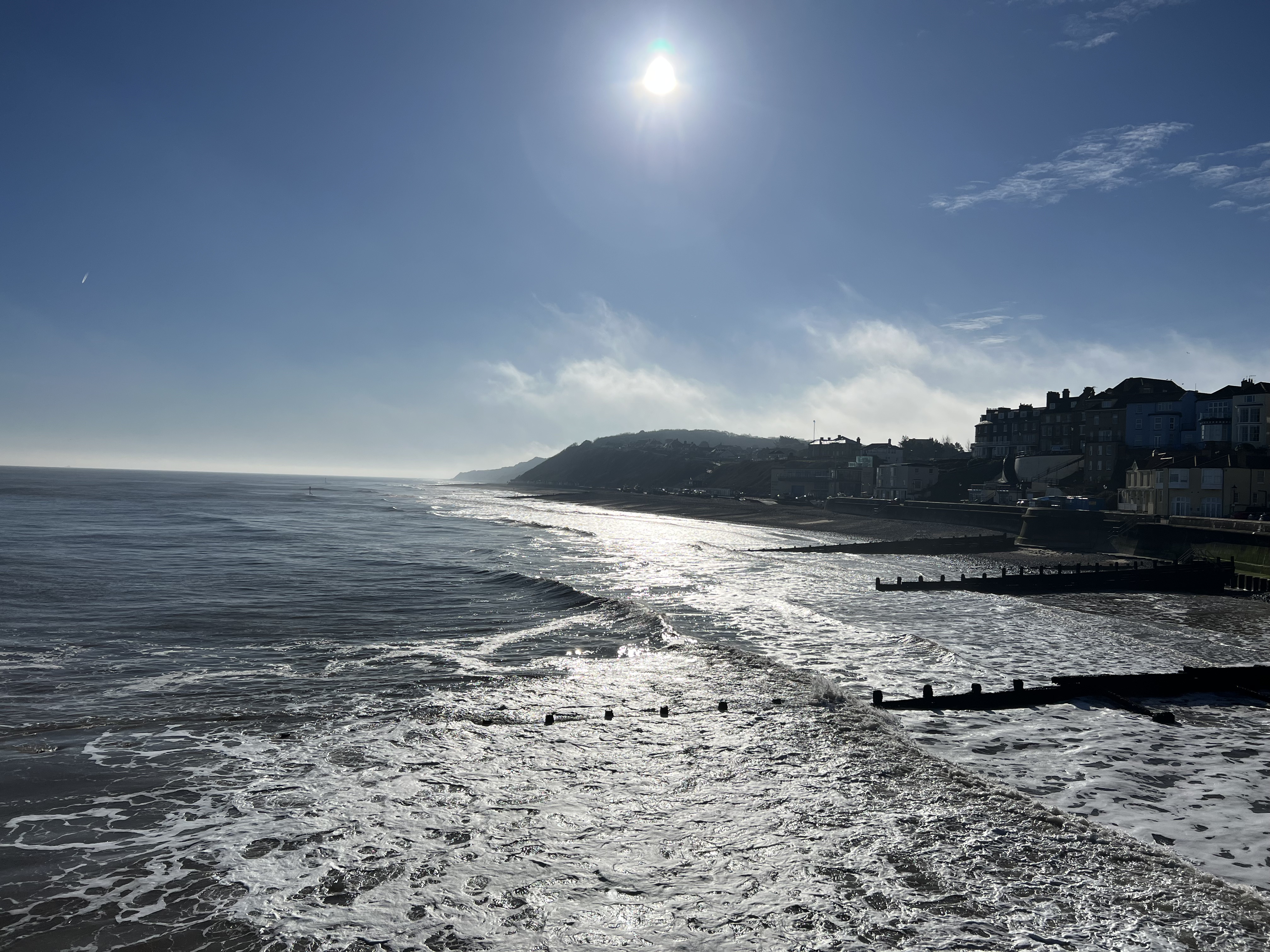
    Those were the words of a 13-year-old Winston Churchill on a visit to Cromer back in 1888. Well, I’m pleased to report that I enjoyed my overnight stay in North Norfolk earlier this week a lot more than arguably the country’s most famous Prime Minister did.

    Cromer is less than an hour from home but that was fine by me. I had decided to book a hotel there because, during my holiday from work, I was keen to make the most of it. To get away, to have a change of scenery and get my head together. Sea air has long been recommended as beneficial to the mind and the body.

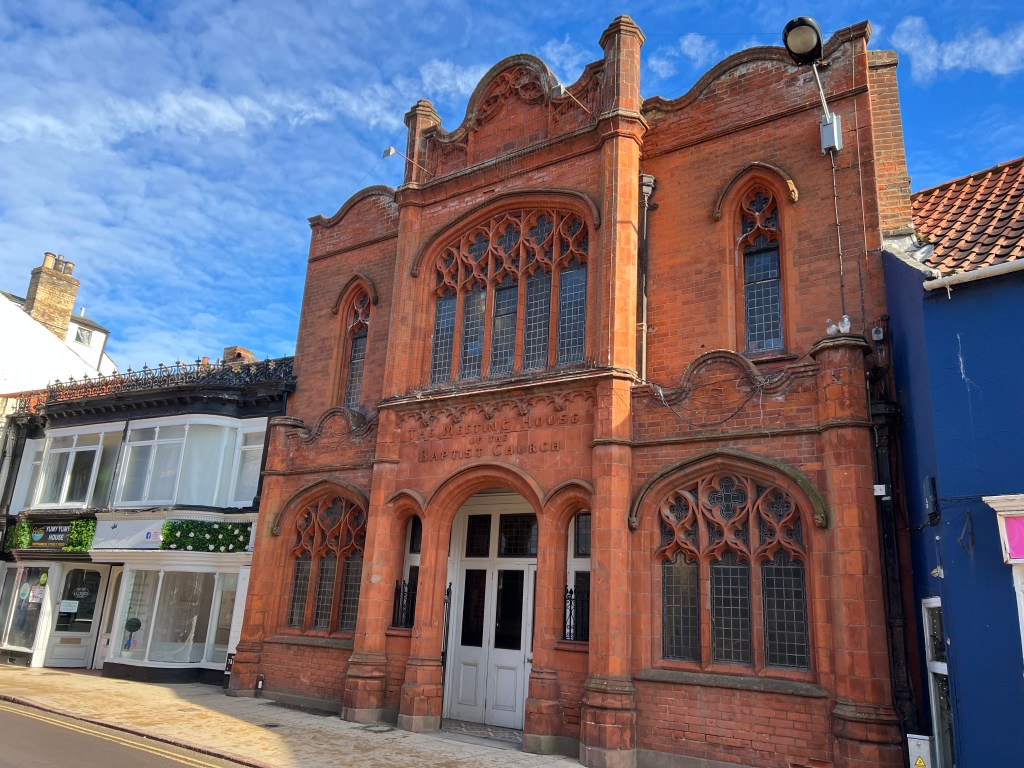
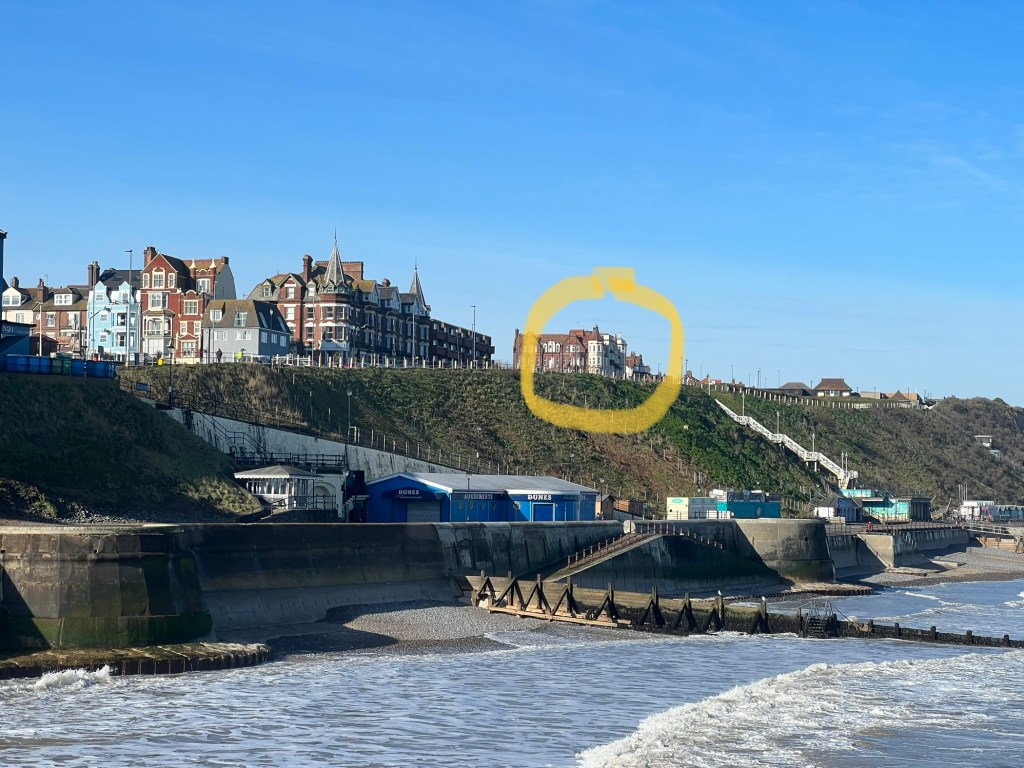
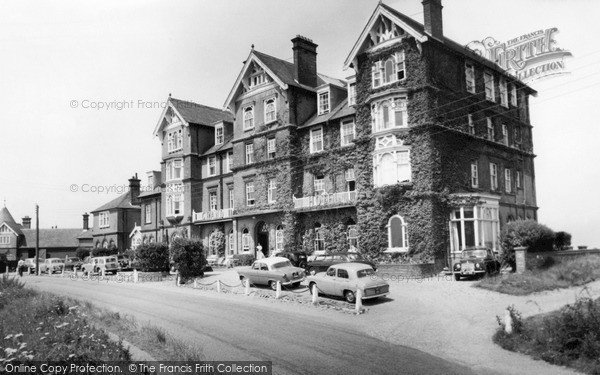
    I had long been intrigued by the Cliftonville Hotel in the town, too. It stands rather imposingly, just up the road from the centre, overlooking the sea. I’m fascinated by old buildings and the Edwardian hotel looked impressive from the outside. So I booked a night at the Cliftonville. Like I said, I enjoyed myself. It had the desired effect. And I learned.

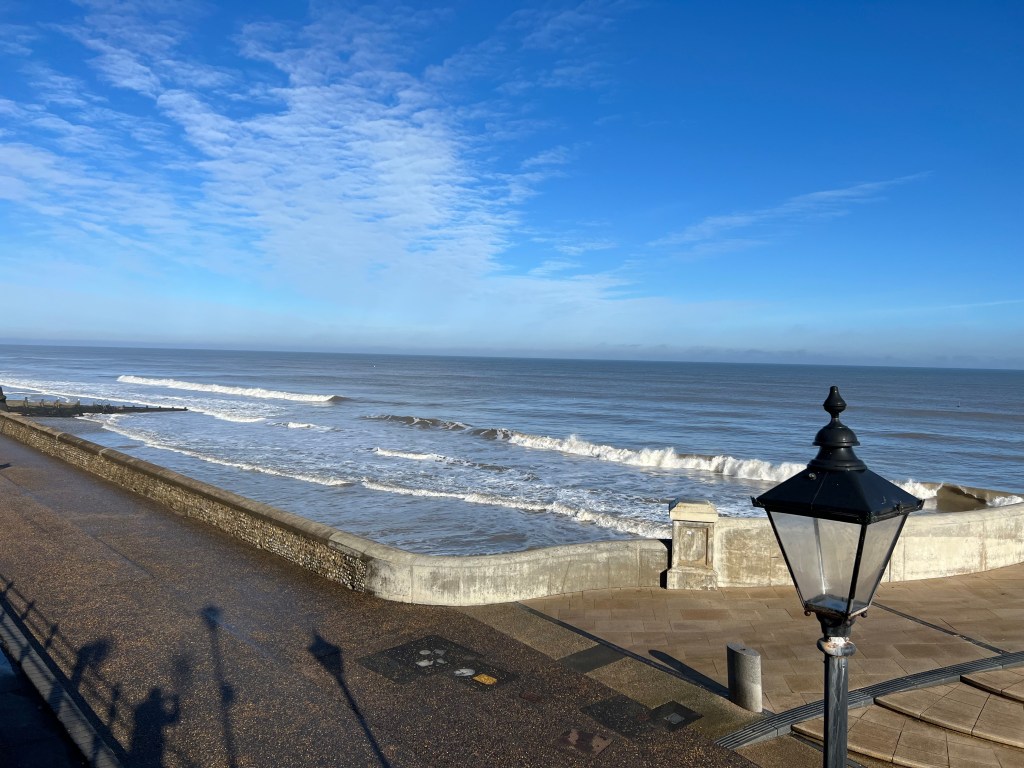
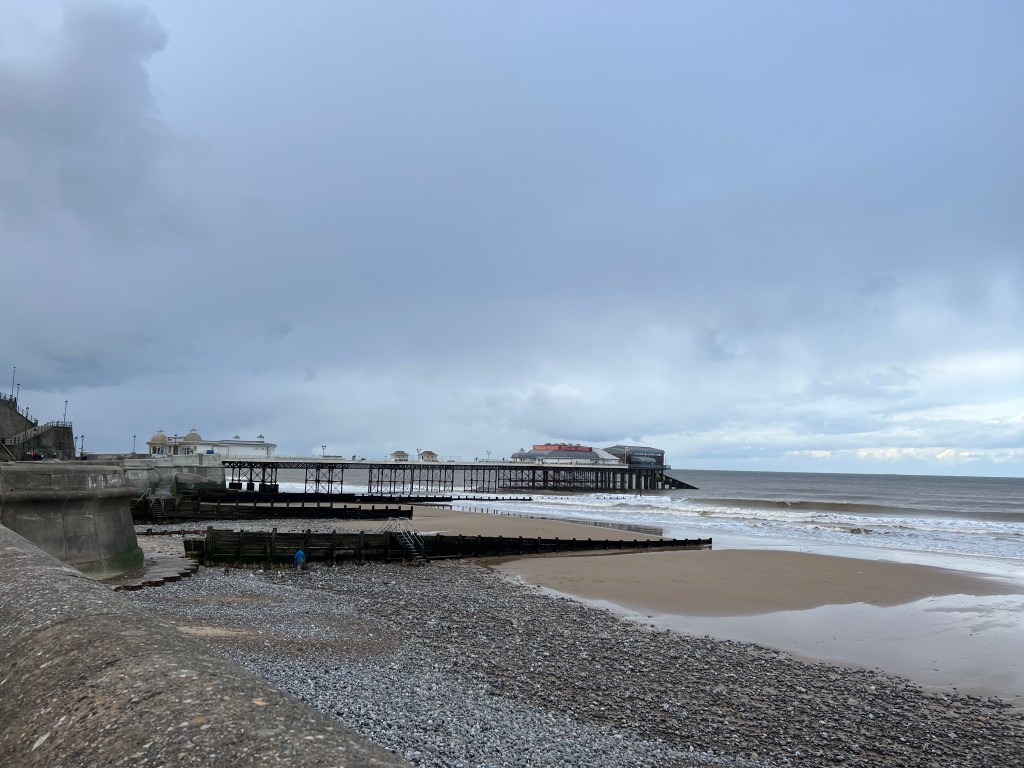
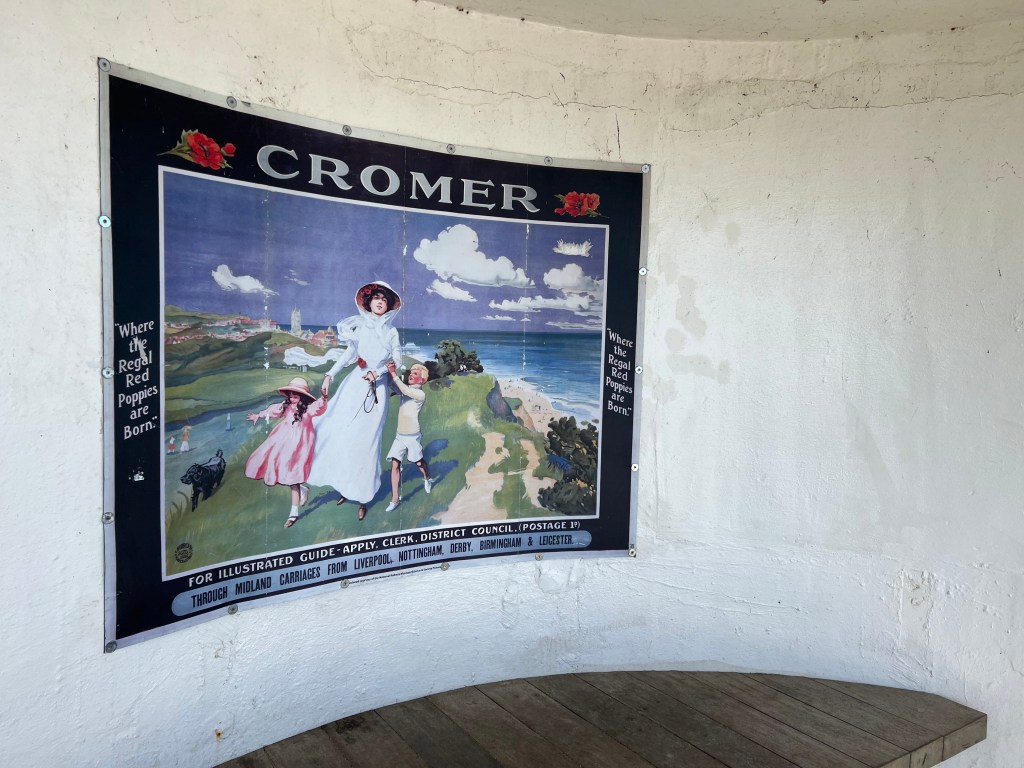
    To be fair to the young Winston Churchill, the Cromer he visited in 1888 would have looked very different to the one I was in this week. He wouldn’t even have had the pier to marvel at – Cromer Pier as we know it today wasn’t built for another 12 years. But it says a lot about the sense of humour we have in dear old Norfolk that his less than glowing opinion of the town is set into the promonade, right in front of the pier.
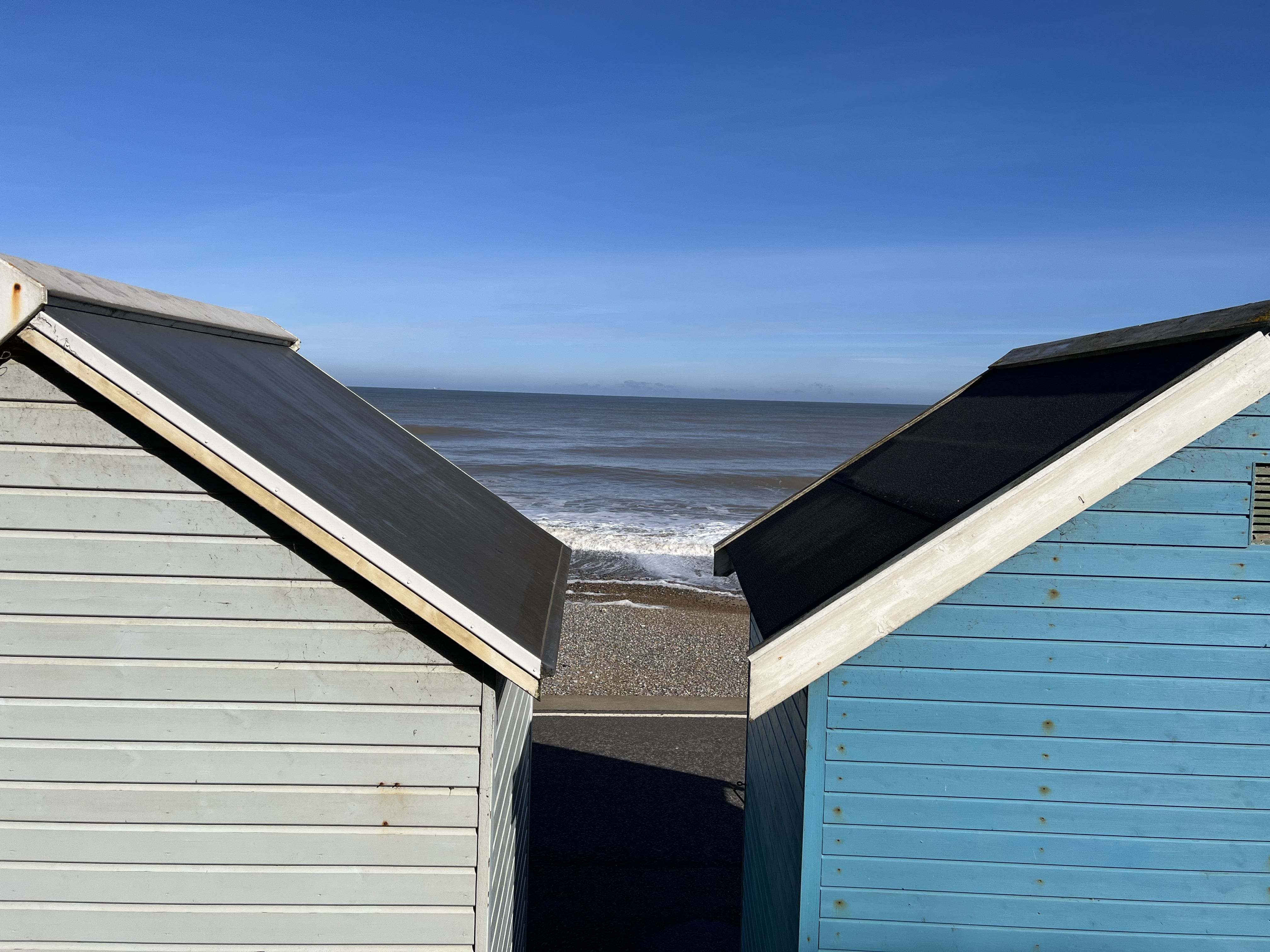
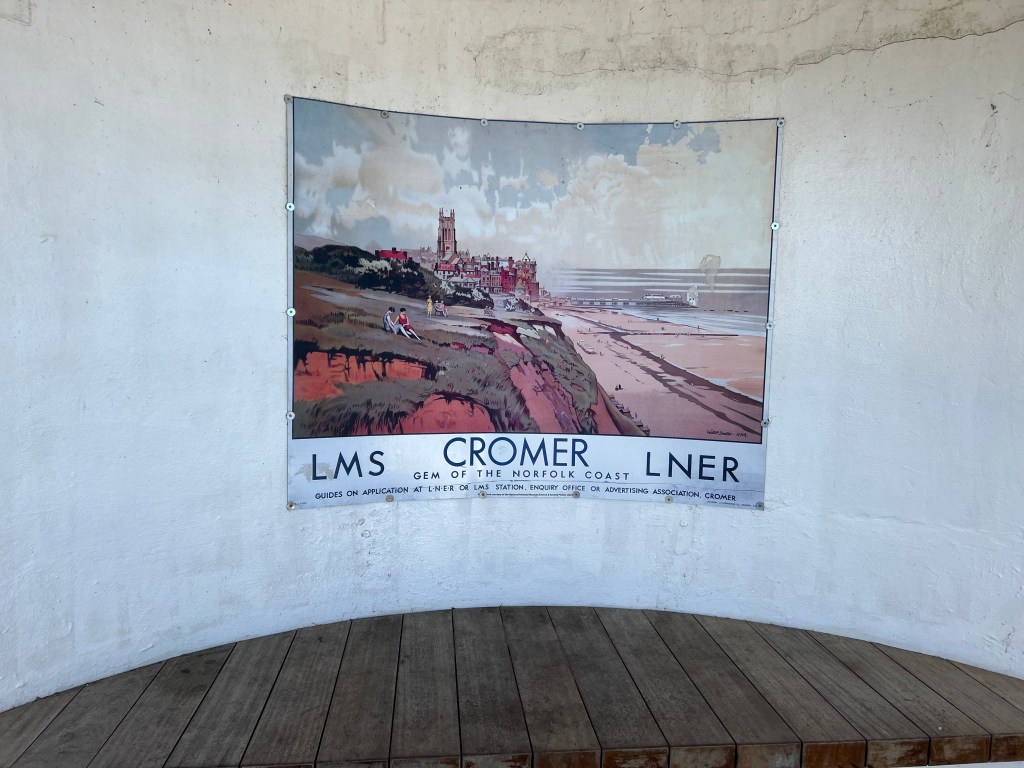
    If you’ve not looked into the history of Cromer before, it’s a fascinating story. The name does not appear until 1262, which given how old a lot of places in Norfolk are is basically last week. There was a village called Shipden near here, about a quarter of a mile from where the end of Cromer Pier is now, that was claimed by the sea hundreds of years ago. With the recent goings on in Hemsby, it just goes to show that some things never change. In 1888, coincidentally the same year as Churchill’s visit, a pleasure steamer crashed into the Shipden church tower which by then was just about reaching sea level. The passengers on the steamer were all rescued and no lives were lost, but when attempts to move the ship failed the decision was taken simply to blow it up, along with the church tower to ensure an incident like this wouldn’t happen again. About a hundred years later, a team of divers were able to find the wreck of the pleasure steamer as well as follow the streets of the old village along the seabed.

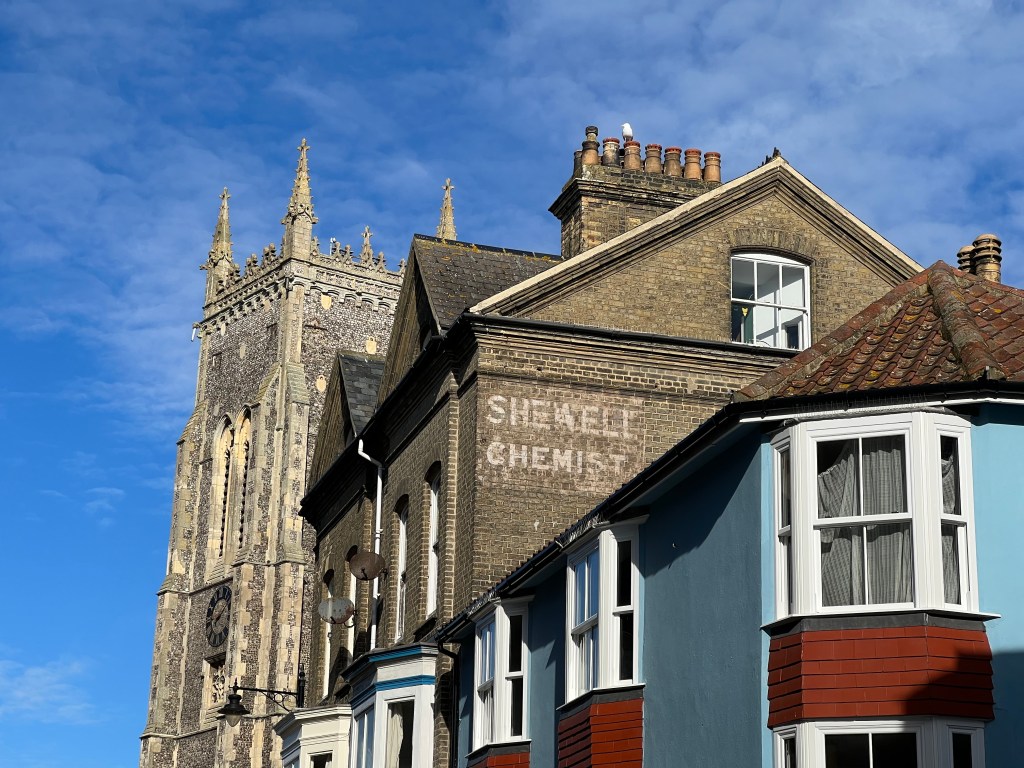
    What we now call Cromer would once have been known as Shipden-juxta-Felbrigg, with the name Cromer in use by 1400. Right in the middle of the town is the substantial church of Saints Peter and Paul. There is evidence that at one point Cromer was a small place with a large but run-down church in the middle. Just as had happened in Mundesley – which I wrote about last week – the arrival of the railway to Cromer in the Victorian age helped it become a seaside resort. On my walks around the town while I was there, Cromer has a huge number of buildings that would have been built around this time. Take a look at this page from the Town Council for more on Cromer’s history.

    As for my own trip, I arrived at the Cliftonville on Tuesday afternoon and was impressed from the moment I walked through the doors. It looked smart, it felt classy, and any fears I had that I was in for another London experience began to ease.

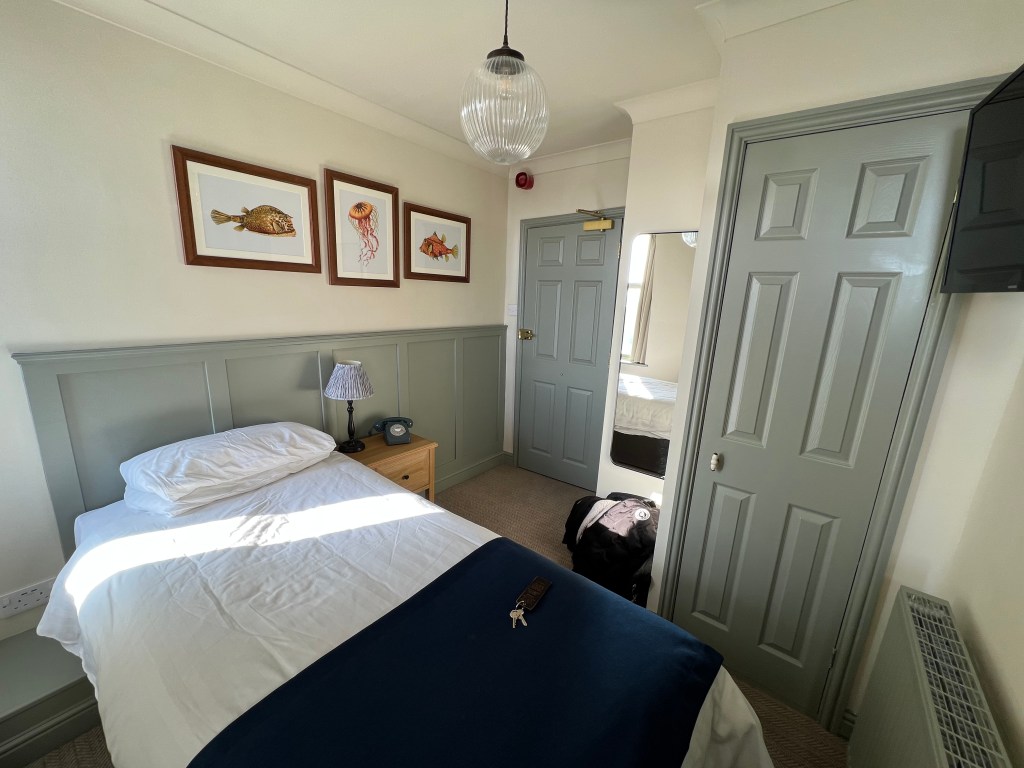
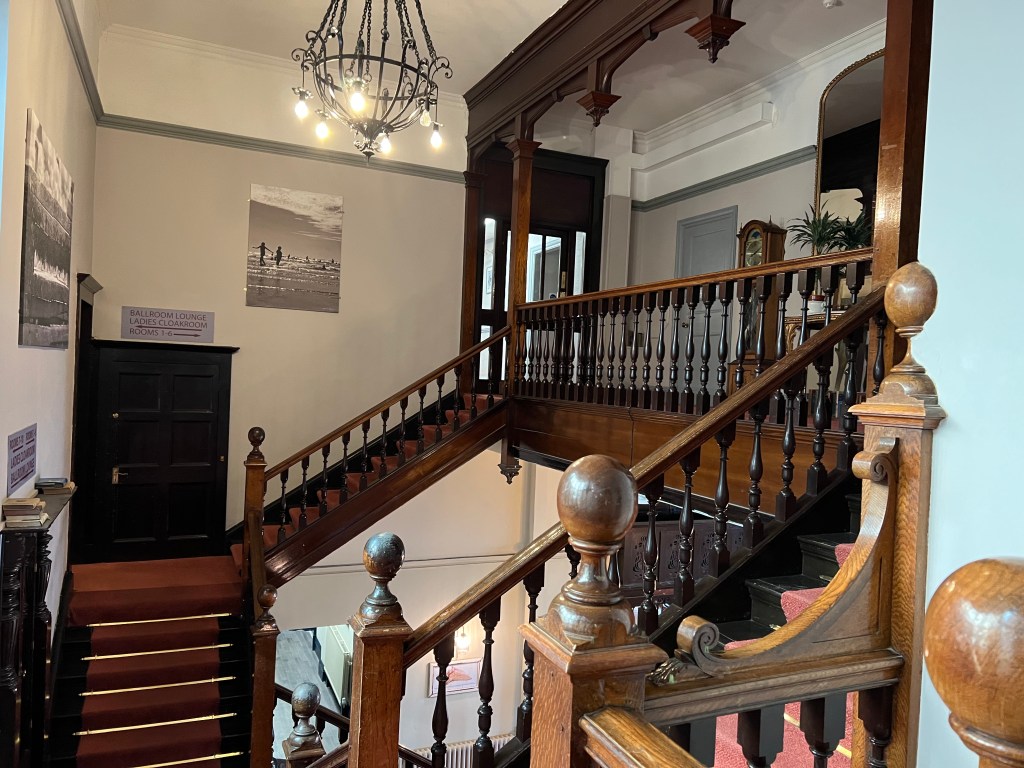
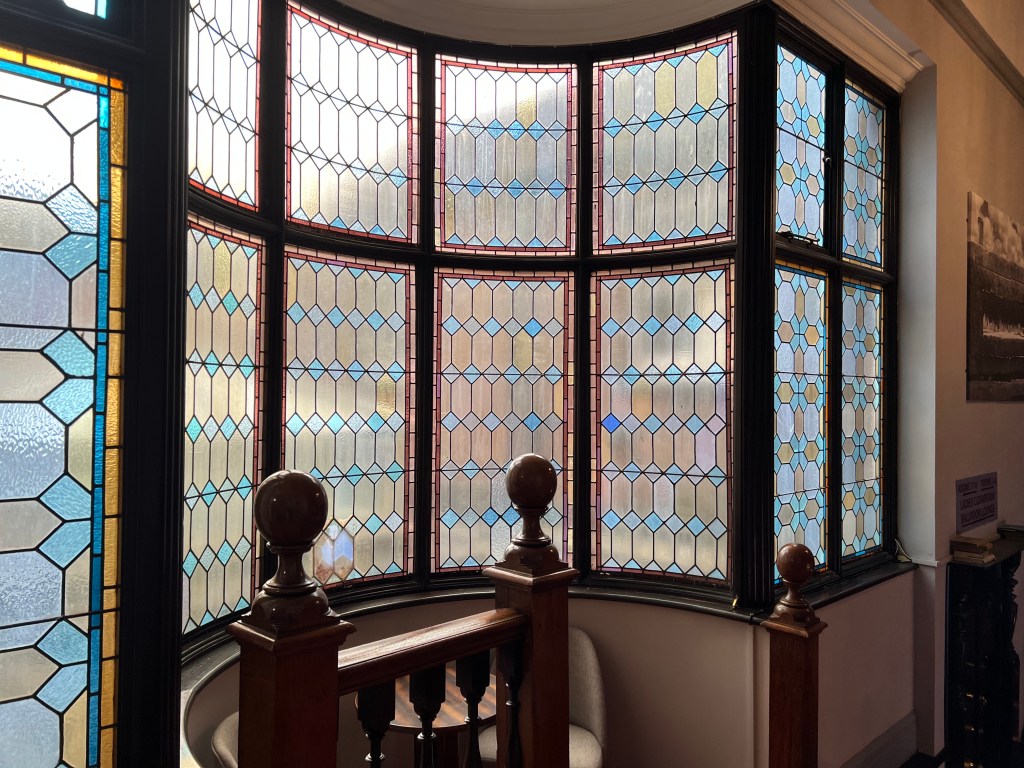
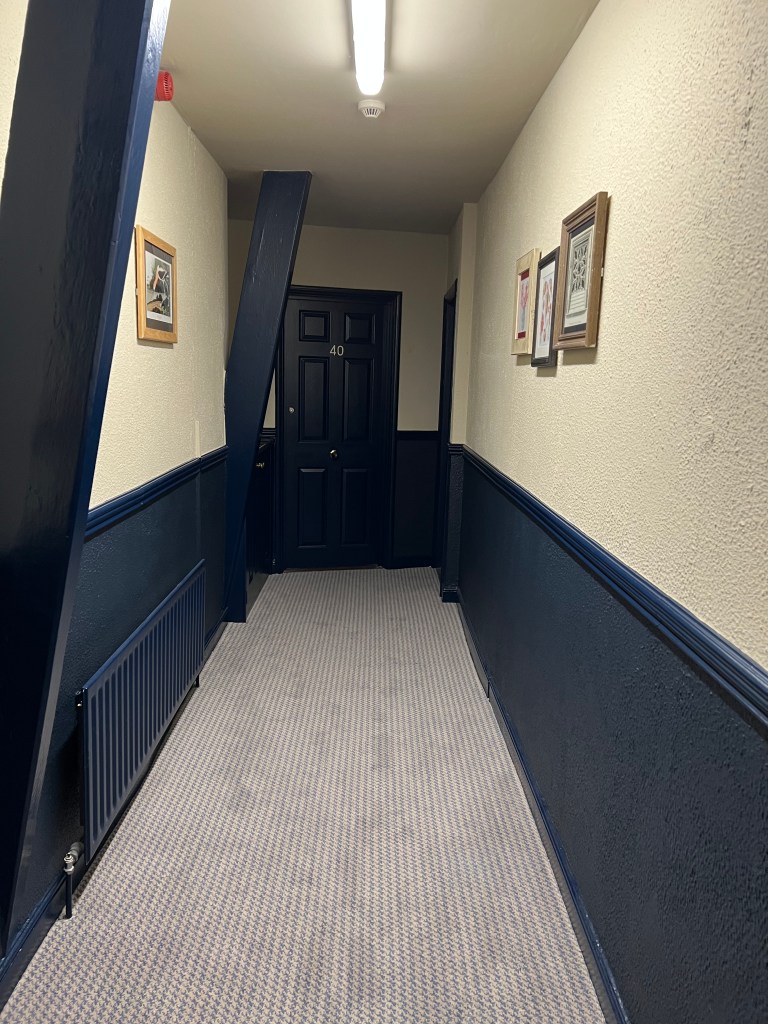
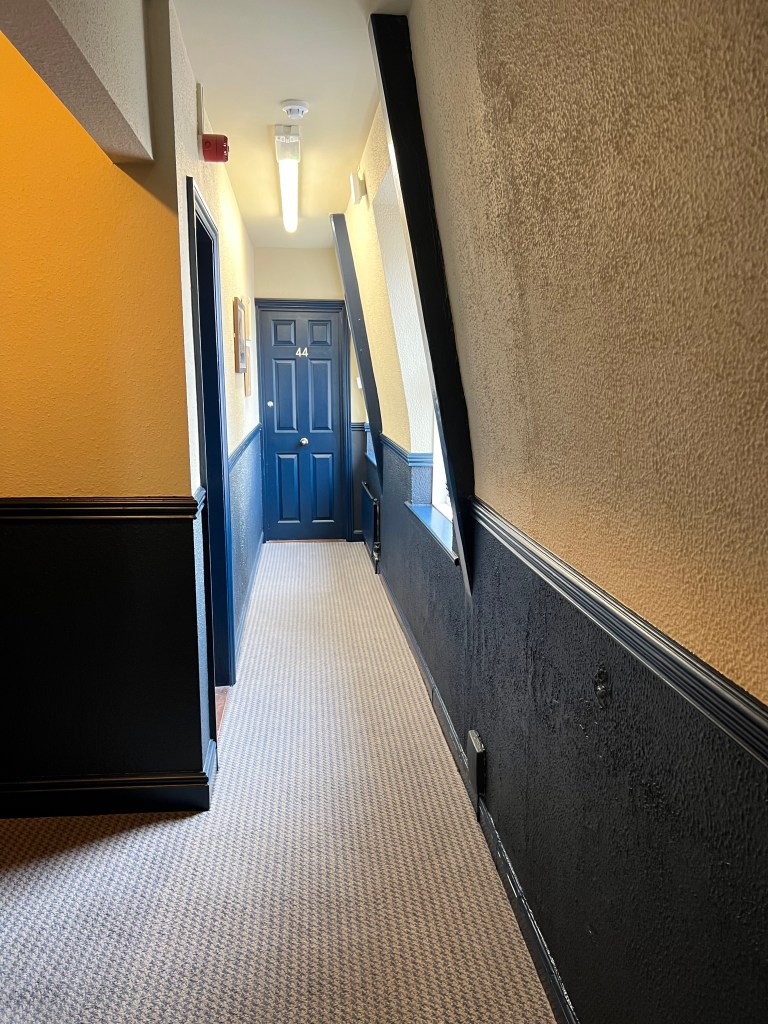
    I was in room 42, on the third floor. There is a lift, but I loved the grand staircase so much that I never used it. The second floor is being refurbished – there were tiles leaning against walls in the corridor and the chatter of workers as you passed on the stairs – but you couldn’t hear any noise from my room. Room 42 was small, granted, but it didn’t feel claustrophobic. I had booked a single room, travelling alone as I was, and that meant a small room with a single bed. It’s a while since I’ve slept in a single bed. It was clear that this room, too, had been recently refurbished. Possibly within weeks. The room had a fairly strong smell of paint, probably from the work being done on the floor below. The room had been finished to a very high standard and was sympathetic to the architecture of the building. Thumbs up from me.

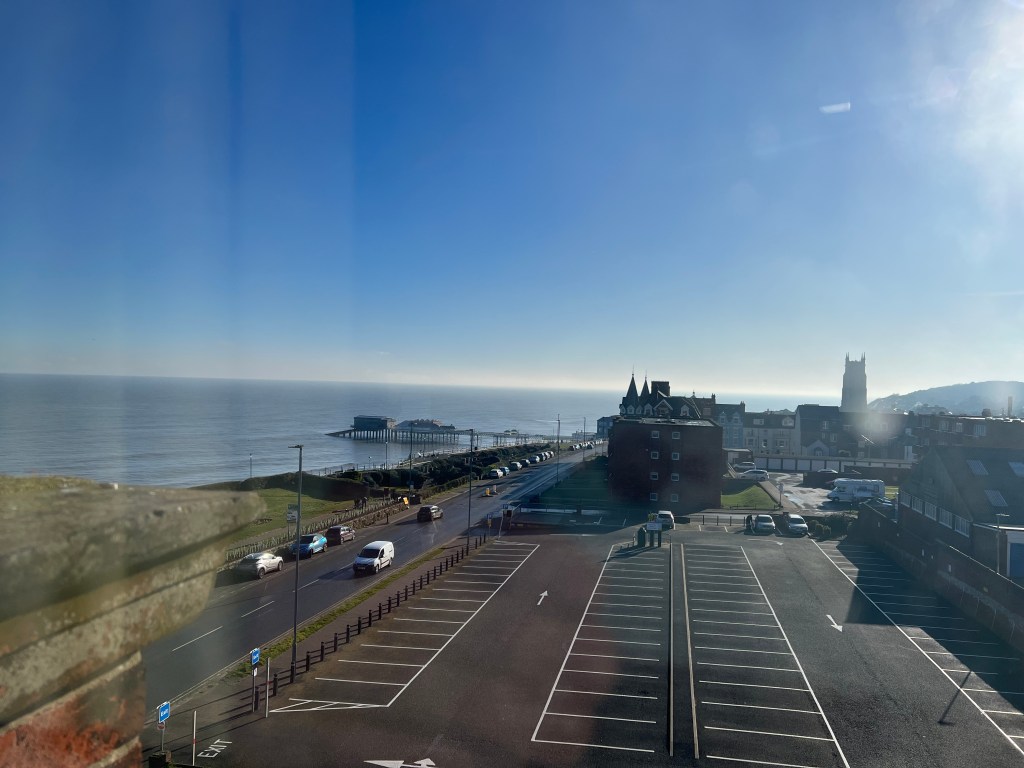
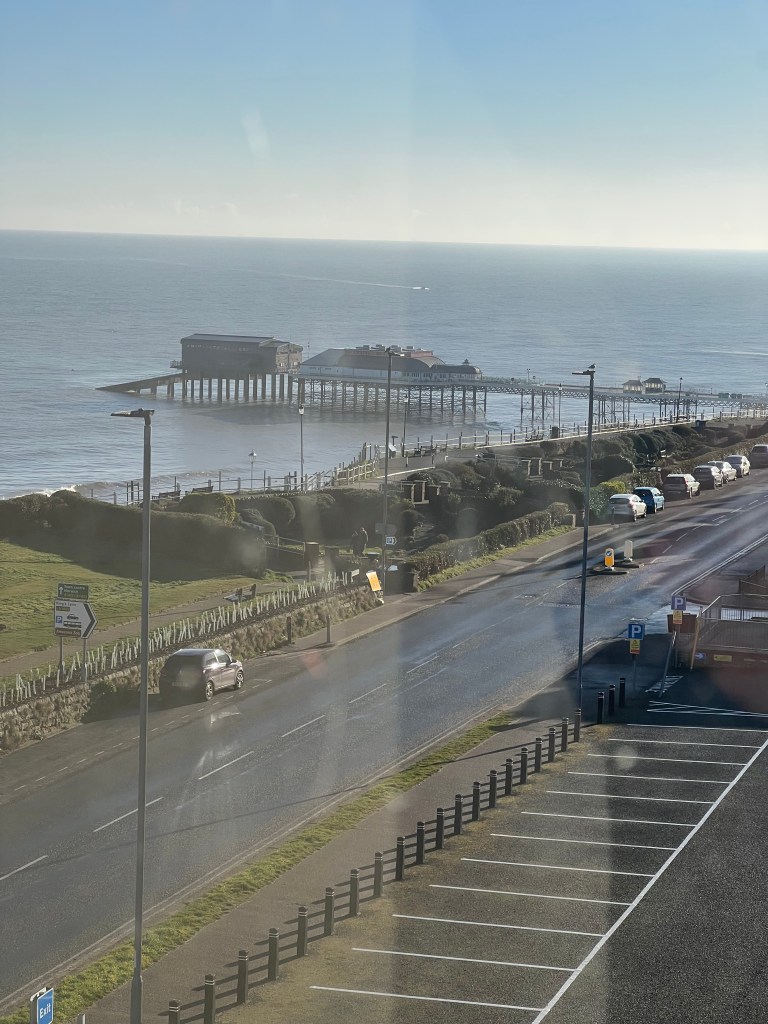
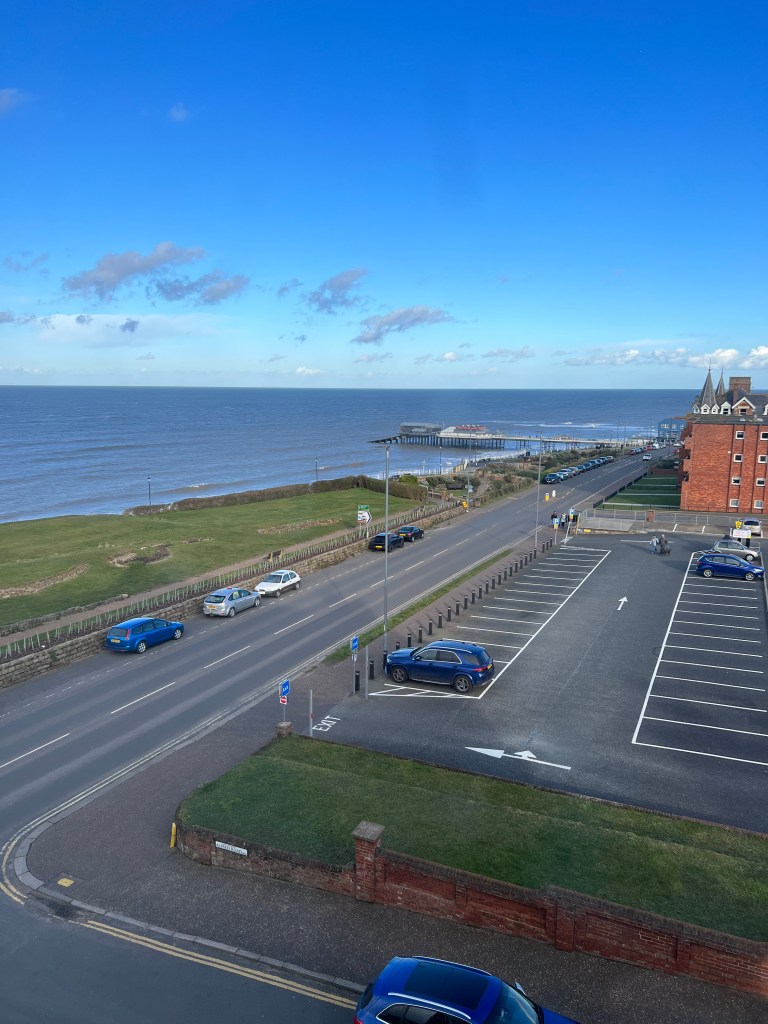
    The hotel claims to have sea views from every room, and while mine was on the side rather than the front of the building, I got a stunning view of the pier and the town centre.
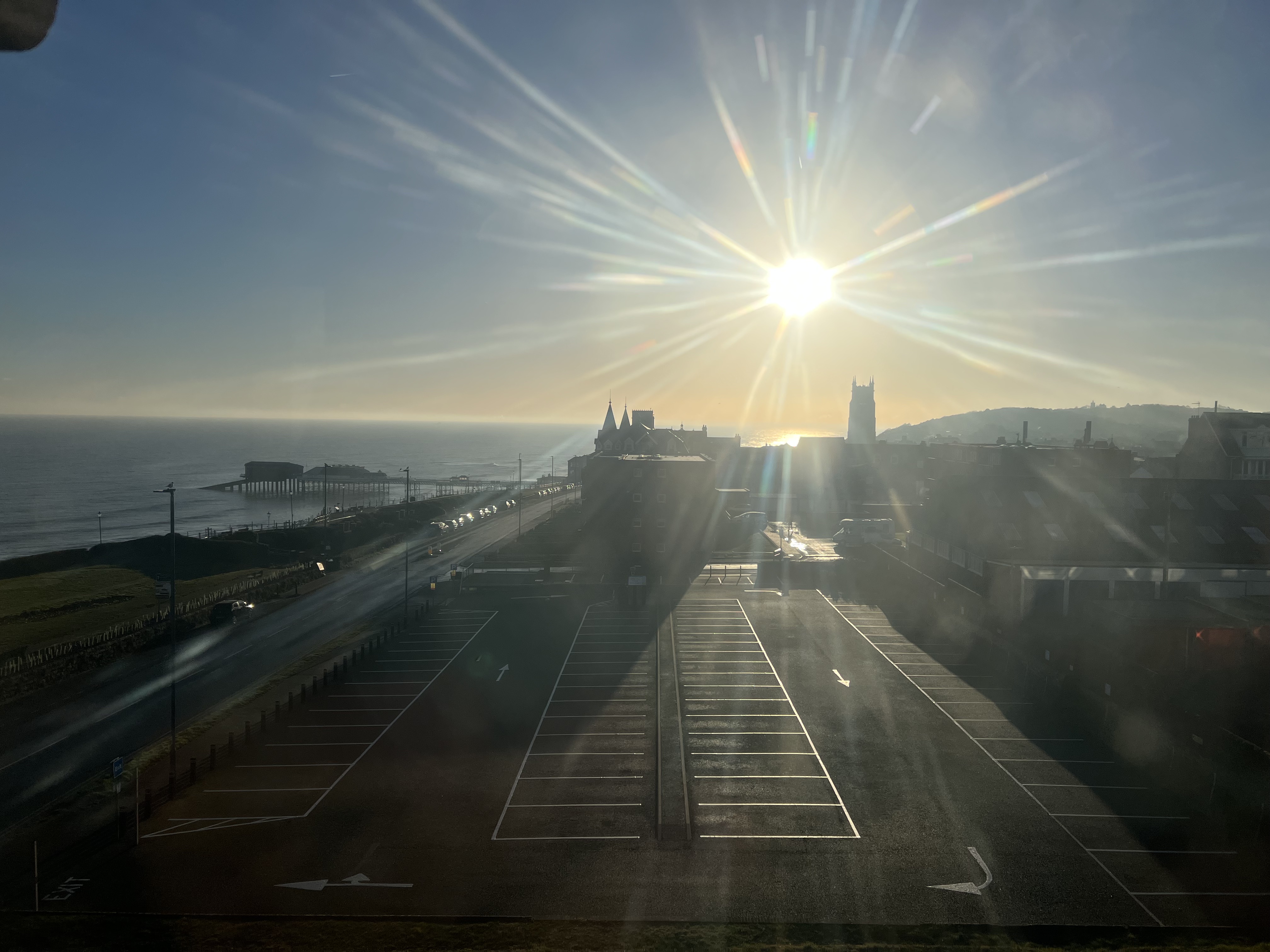
    The morning view from my hotel room window

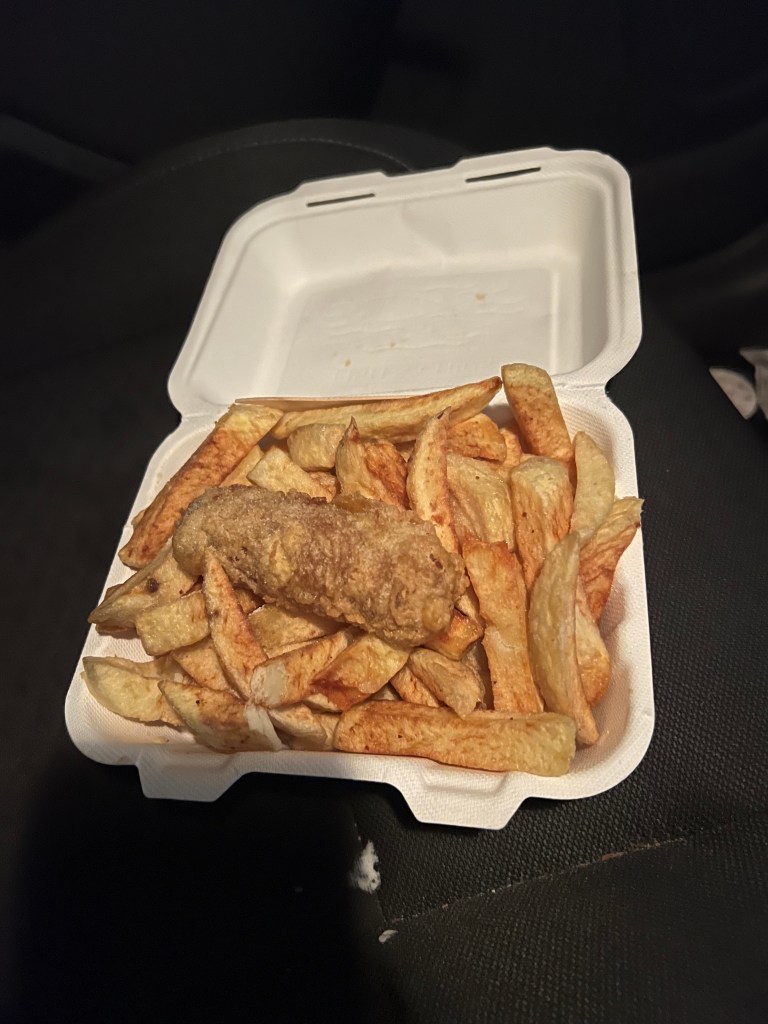
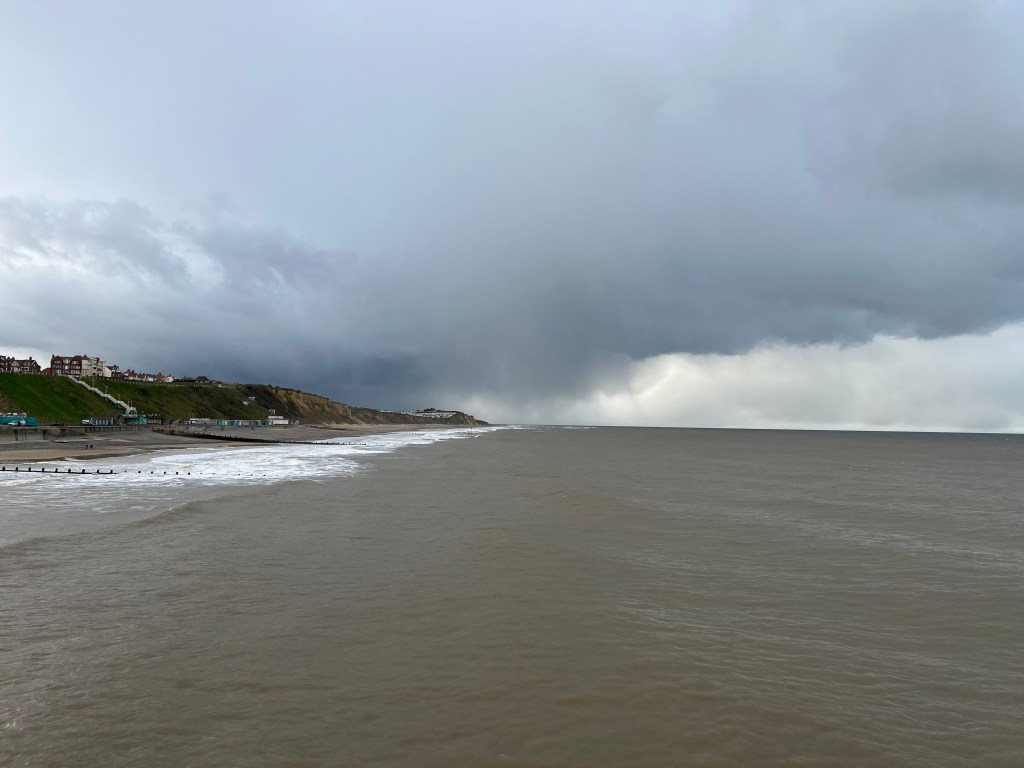
    I headed out for a walk, to explore, and was on the pier when I saw the weather closing in. Soon, a mixture of rain and hail was coming down, as well as the odd rumble of thunder. I went back to the hotel to wait for it to pass. When it did, I went to the famous Mary Janes Fish & Chip Shop, but ended up eating my sausage and chips sitting in my car in the hotel car park as I didn’t want the room to stink of them and all the seats I could find outside were soaking wet.

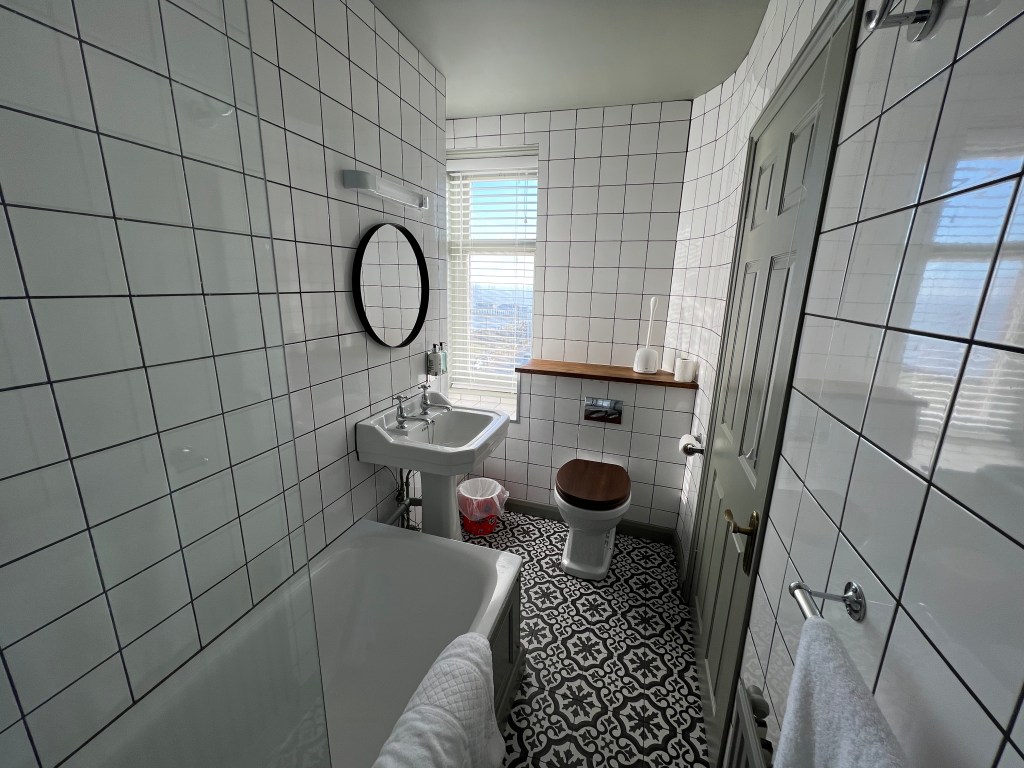
    I decided to have a bath, since the facilities seemed so inviting, and went to bed reading Felix White’s book It’s Always Summer Somewhere feeling restful and content, apart from the brief moment I forgot I wasn’t in a double bed and promptly fell off the side.

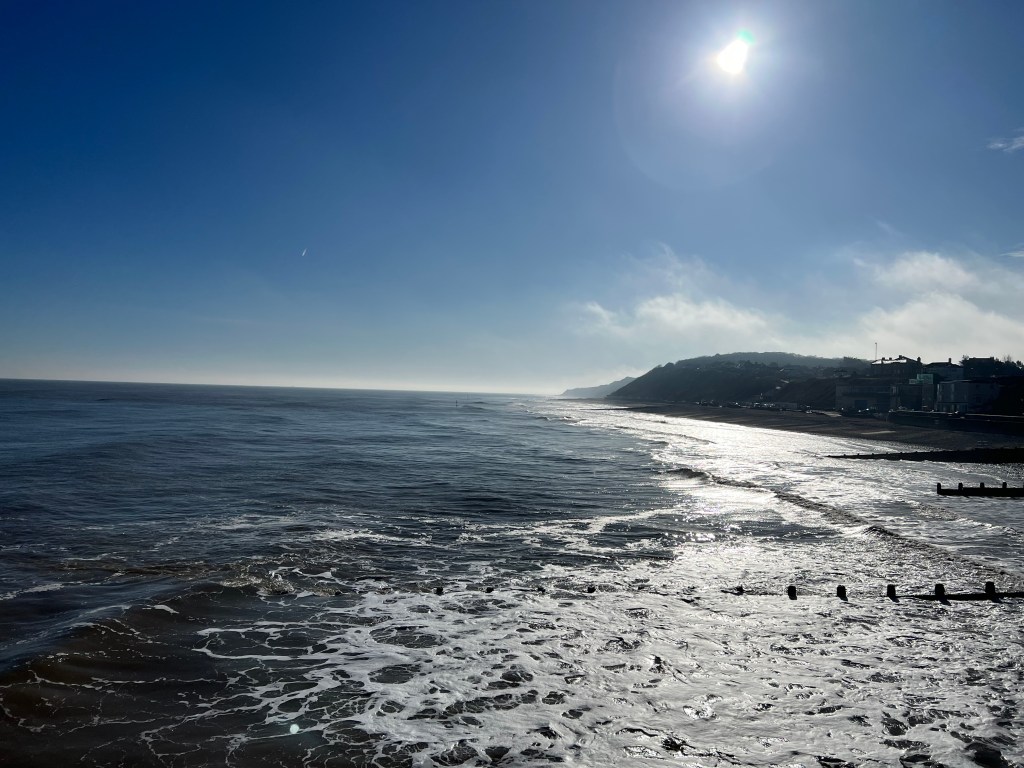
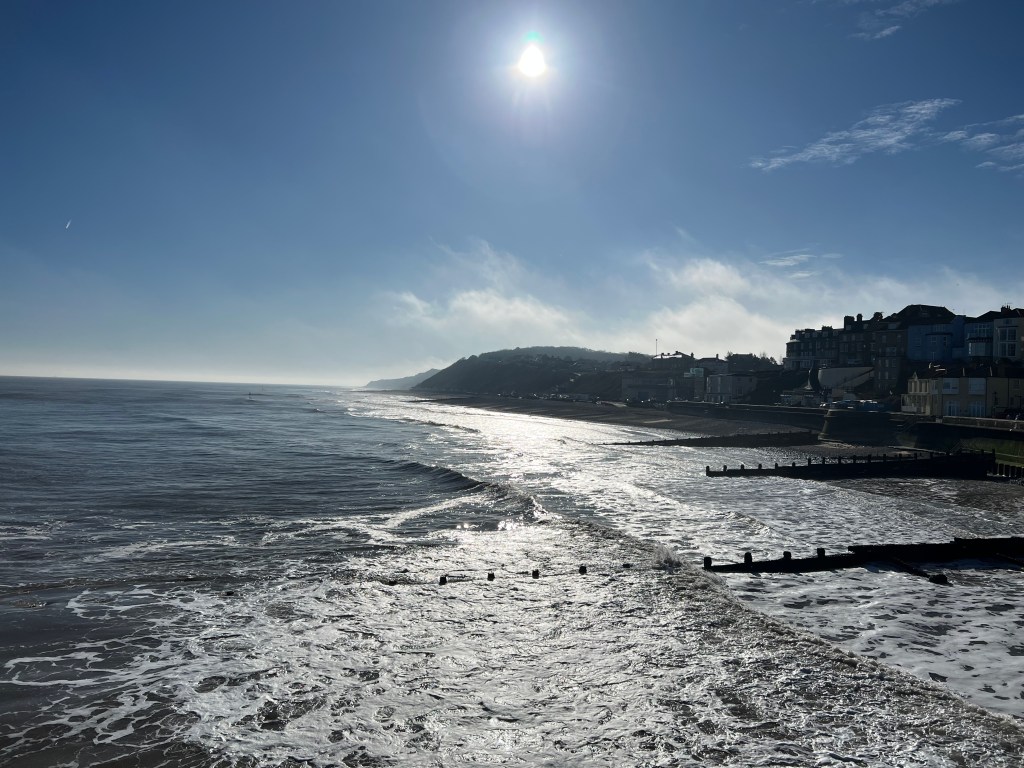
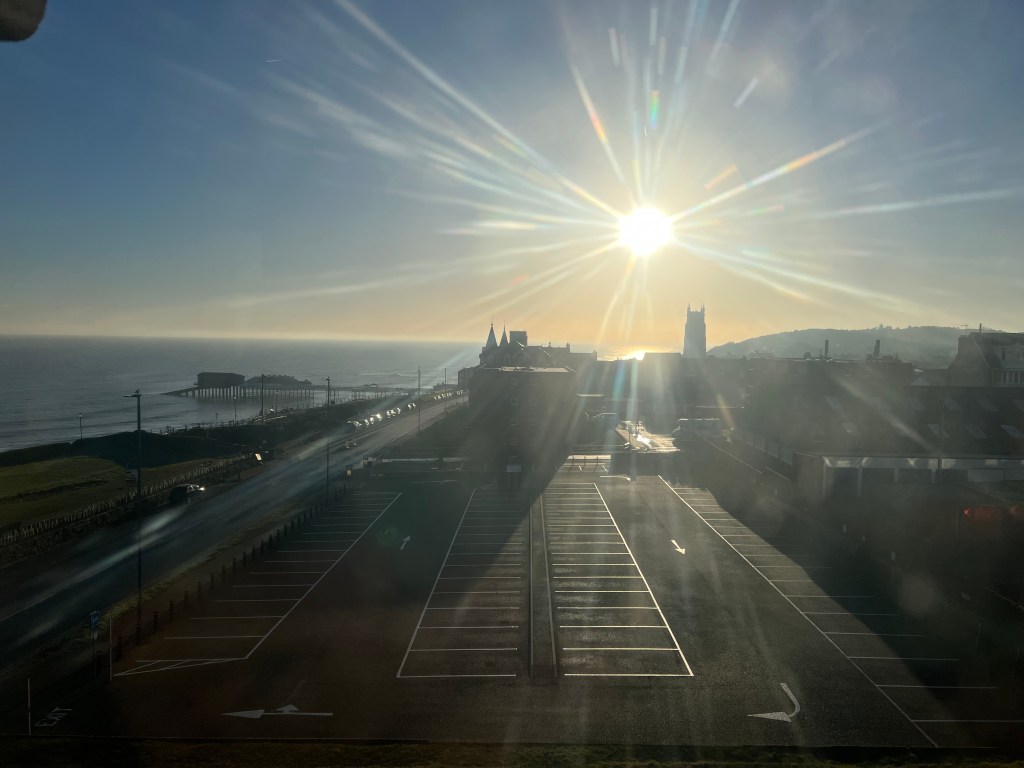
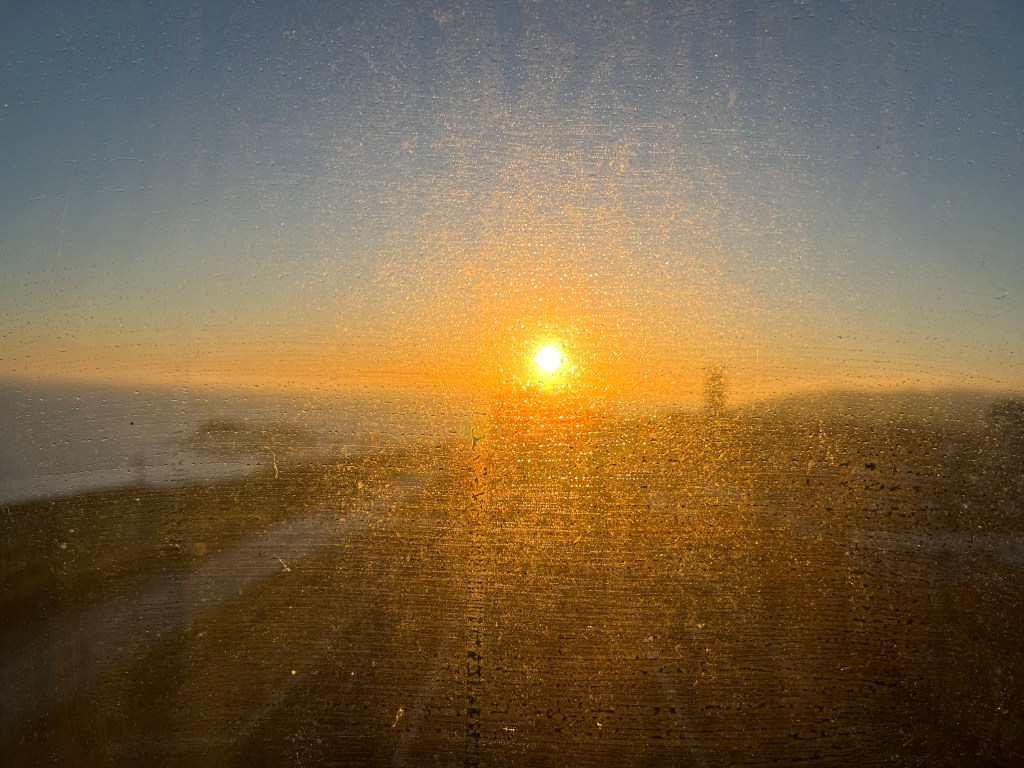
    I woke up somewhere between 5am and 6am. Mum had told me to look out for the sunrise if it happened to be awake, so I looked out of the window and was greeted with this stunning sight.
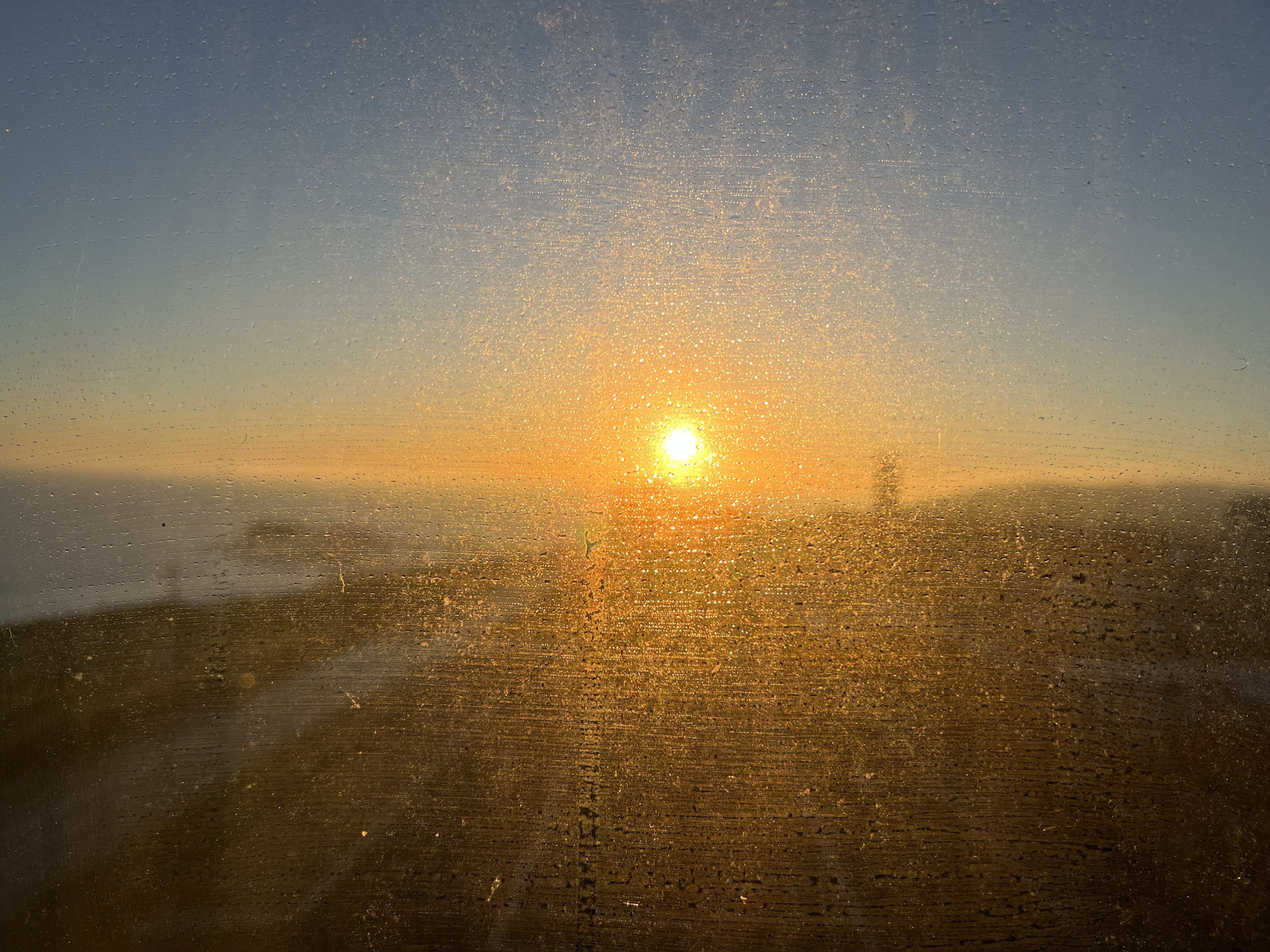
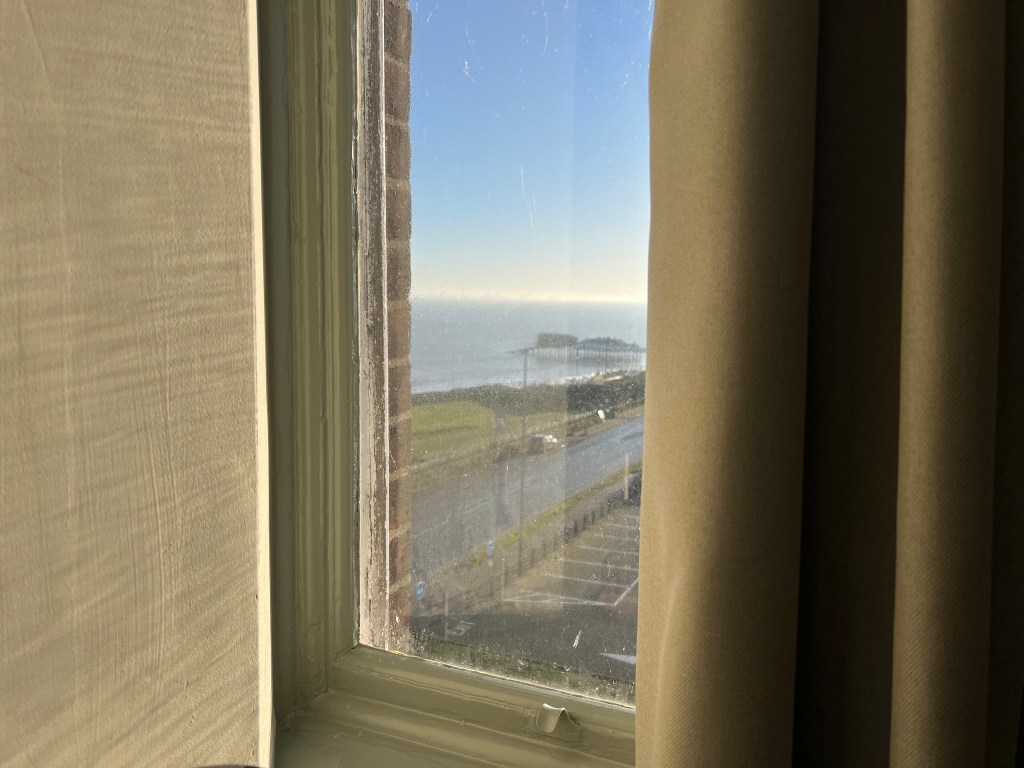
    The single glazed window had inevitably lost its battle with condensation, but a quick dry with a towel exposed that glorious view in all its glory.

    Breakfast was included in the £69 I paid for the hotel and I went down just after 8am. I found I was the only one in the restaurant, at least until an older couple came in when I was nearly finished. I was asked if I wanted tea or coffee (coffee please) and had a selection of cereals and juices to help myself to, as well as a menu of hot food to select from. In the end I just had a bacon bap, which was let down only by the fact the bun was a brioche one. Even my table in the restaurant had a view of the sea.

    Alone for breakfast

    Then I decided to get my things together and check out of the hotel, heading back into Cromer, taking in the morning sea air. I went into a couple of shops, leaving one of them with a new hoodie, and then I bought a small pot of pineapple, a bottle of orange juice and a paper and sat near the sea wall. My time in Cromer had been so short, but like I said, I learned.

    Here are a few things I learned:

    I am alone, but that’s ok.

    I am used to spending plenty of time alone. I do a lot of things with my mum, and that’s wonderful, but before I moved back in with her and her other half last year I lived as a lodger for eight years and spent lots of time by myself. I’ve never had a girlfriend, but that’s because I’m awkward and unappealing. I can probably count just the two friends that I would trust with my deepest secrets. It has to be partly my fault, I guess I can be overly intense and people tend to get bored of me after a while. But I often think I would love to be one of those people who has a phone that is constantly going off with messages. I’d love to be one of those people that wakes up to a good morning text. In Cromer, though, I absolutely felt the strength in being alone. I am often shy, hiding away even from buying things in a shop, but I overcame those fears on this trip and this has given me confidence that I can push on when I’m back in the real world.

    You don’t have to go far from home to have a holiday

    Cromer was my holiday, my trip away during my week off work. It might not have been the Caribbean or the Canary Islands, but it was far enough away for me to feel like I was somewhere different. And for £69 it didn’t break the bank either.

    The smallest things can put a spring in your step

    On my evening in Cromer, walking back to the hotel in the rain, I was waiting for a van to pass before I crossed the road. The window in the van was open, and loudly broadcasting from within was The View From The Afternoon by Arctic Monkeys. ‘Superb taste in music’ I thought to myself, and the rest of my journey was completed with a spring in my step.


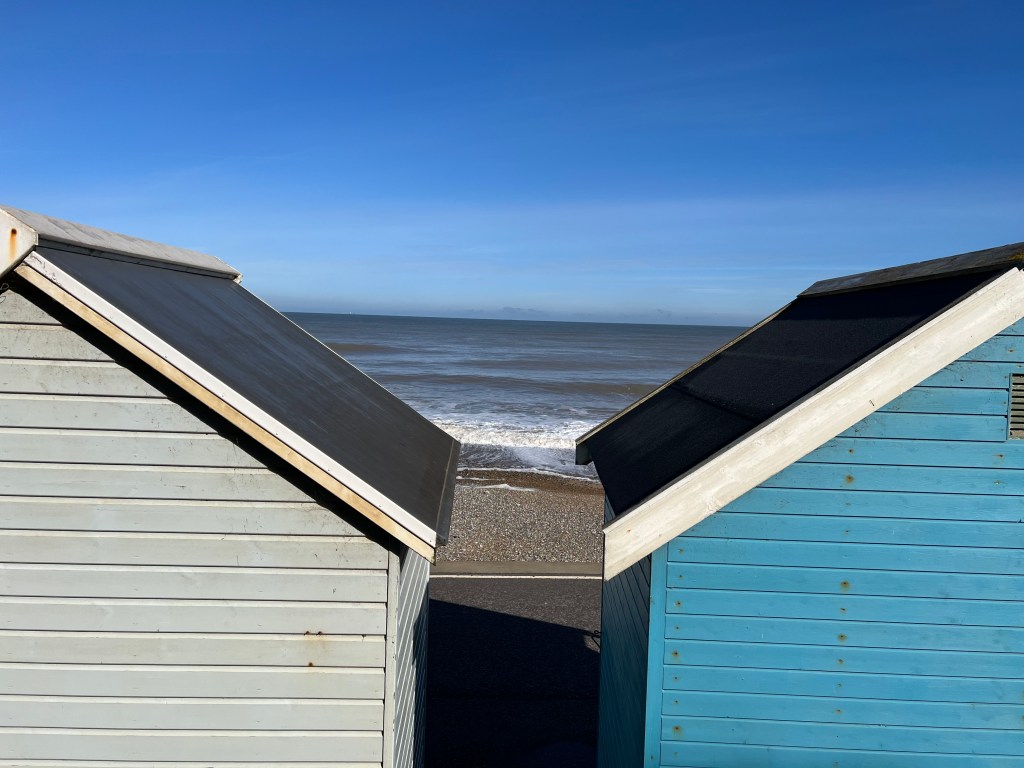
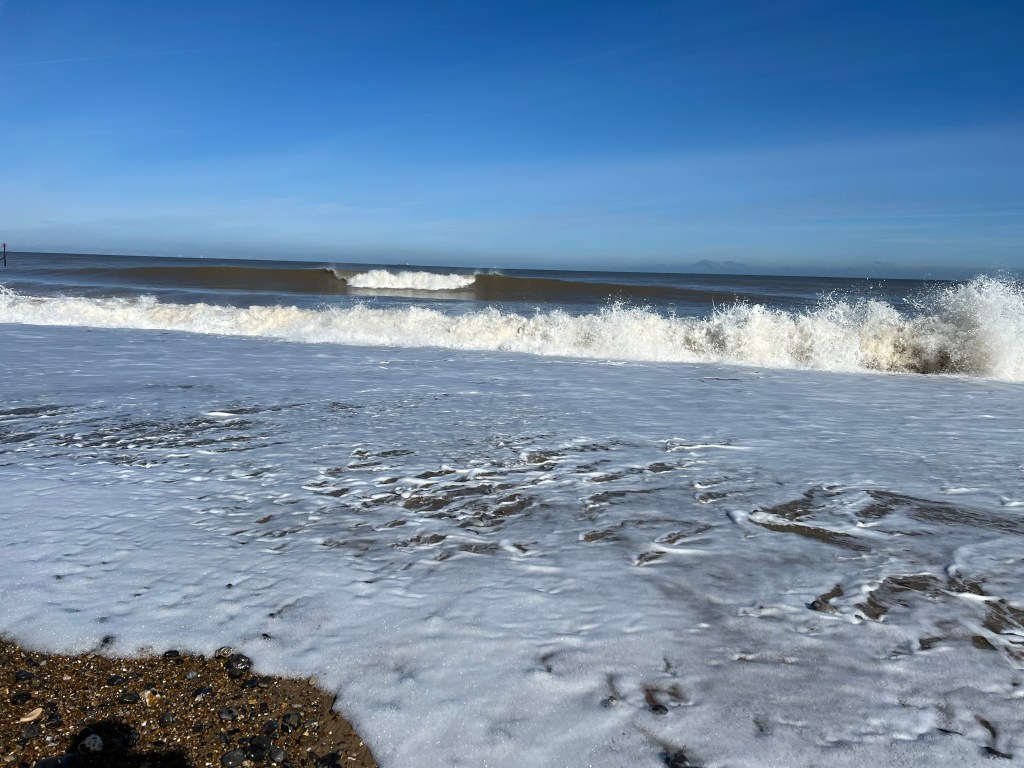
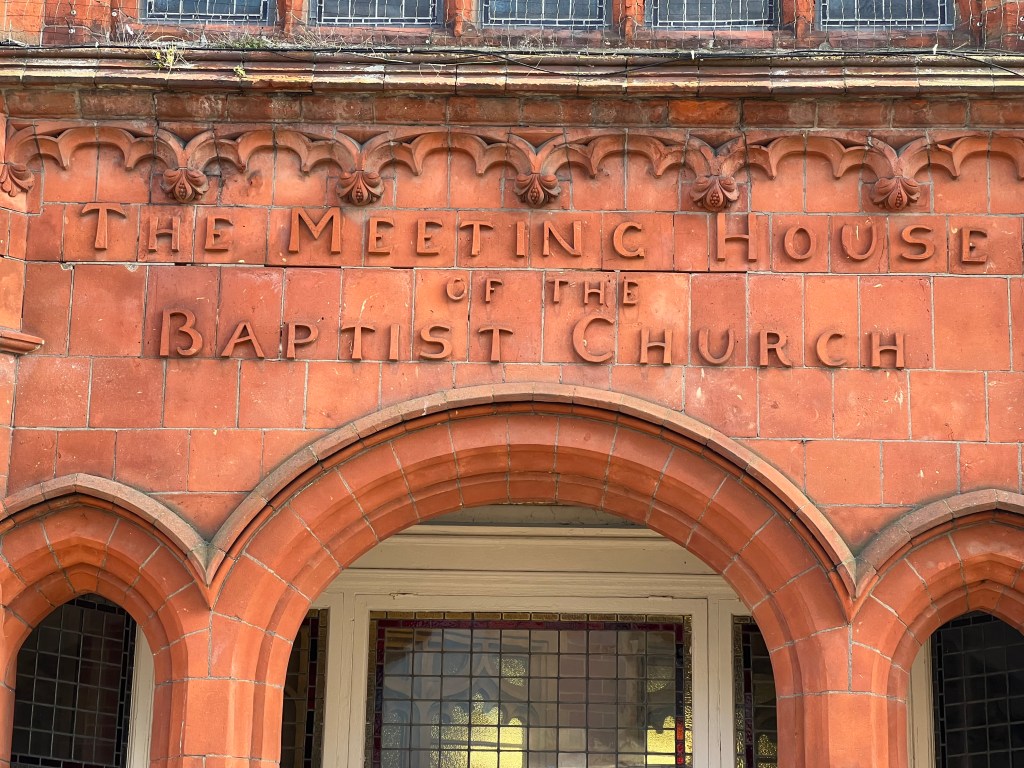
    And that was my trip to Cromer. All that remains is for me to urge you to go and stay at the excellent Cliftonville Hotel and to provide you with a photo dump. Thanks for reading.
  • There’s history everywhere if you look hard enough – my little trip to Mundesley

    I’ve got some much needed time off work this week and, not wanting to waste it sitting around at home (though the snow has rather forced my hand on that one for the last couple of days), on Wednesday mum and I decided to go and see the sea.

    We ended up in Mundesley, a village I hadn’t been to that often and didn’t know that much about. I knew that a teacher I didn’t like at primary school lived in Mudesley, and I knew that Mundesley was the first place mum and dad took me for an outing after I was born. I don’t remember that, obviously, but I’ve been told about it. I’ve also been to Mundesley with my friend and her dog for a walk.

    When we arrived, the village was very quiet indeed, as you might expect in winter with the wind blowing and the temperature hovering just above freezing. Mum and I went to the cafe nearest the car park, where we sat in the window watching a procession of dog walkers heading down and then re-emerging from the ramp that leads to the beach. I had a coffee and a bacon and sausage roll. I’ve become something of a connoiseur of various pig products presented between two slices of bread, as my expanding waistline will attest to – Mundesley’s, for the record, was acceptable. Not the best I’ve ever had, but not too bad.

    After the cafe we went for a walk, taking in the Norfolk coast path and the various sights along the way. Mundesley is actually a very interesting village in an architechtual sense – there are a number of old buildings, quite grand in appearance, that I wish I could find out more about.

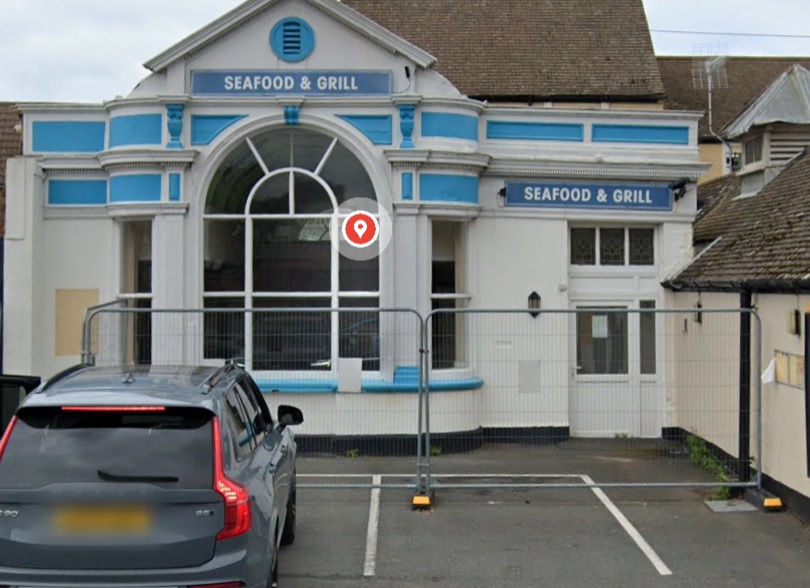
    Look at this building, for instance. I’ve had to get this image from Google Maps as I didn’t take many when I was there (my hands were too cold to hold my phone) but I can tell you that it looks exactly like this now. Empty.

    The architecture looks kind of art deco, I would say. It’s attractive, with its curves and big window. Yet it is underused, not being utilised to the extent that I’m sure the people who put it there invisaged.

    The research I’ve done suggests that this building, somewhat surprisingly, isn’t listed and that it was once called Bar Victoriana. Judging by its Instagram account, Bar Victoriana marketed itself as a trendy cocktail bar and occasionally had live music. The bar’s website is now dead, but on Facebook it appears to have closed in July 2019, with the promise of a ‘new seafood & grill restauarant’ on the way, which would explain the signs still on the outside. I can’t find anything about what happened afterwards, but I would suspect that the business may have been a victim of the pandemic.

    The building as it was in September 2008

    Mundesley has plenty of Victorian buildings, probably due to the arrival of the railway (long gone) in that period that turned the village into a holiday resort. Some of them are made out of local stone, given them an unusual appearance, while others are built from the red bricks you would expect of the Victorians.

    There are two imposing former hotels in Mundesley that demonstrate its past glory as a Victorian seaside resort. The photo below shows The Grand Hotel, as it was originally known, in around 1960:

    From what I’ve been able to find out, the hotel was renamed the Hotel Continental at some point after the Second World War. G. Laird, who took the more recent photo below, remembers three summer holidays in Norfolk during the 1960s and said the Hotel Continental ‘was then a very elegant building and was clearly a popular hotel’.

    It would seem the hotel later became apartments.

    Old hotels fascinate me – especially abandoned ones. You see, history isn’t about being nerdy and reeling off dates all the time. My interest in history comes from mentally taking a trip into the past and thinking about what the buildings and the places I can see used to do, and of the scores of people that would have used them in a former life. Think about all of the Victorians who would have come to that hotel for their bucket-and-spade holiday. How excited they must have been to be out of the city for a few days. Imagine them, dining in the hotel with a view over the sea. What would they think of it now? A bit run down, a shadow of its former self. That’s what intrigues me about this kind of thing.

    The other old hotel in Mundesley is the Manor Hotel. It was built in 1900, so slightly newer than the Hotel Continental, and was – as the name suggests – originally a manor house, converted into a hotel as the tourism industry took off. According to this newspaper article, the hotel ceased trading in December 2019 and a month later was up for sale (for what seemed like quite a reasonable £450,000). Of course, the pandemic was on its way shortly after, bringing with it a complete halt to tourism and leisure activities, so I don’t know what happened after that. The building stands empty, still showing evidence of the business that continued there until 3 years or so ago. Below is a photo I found online of the hotel in the month it closed:

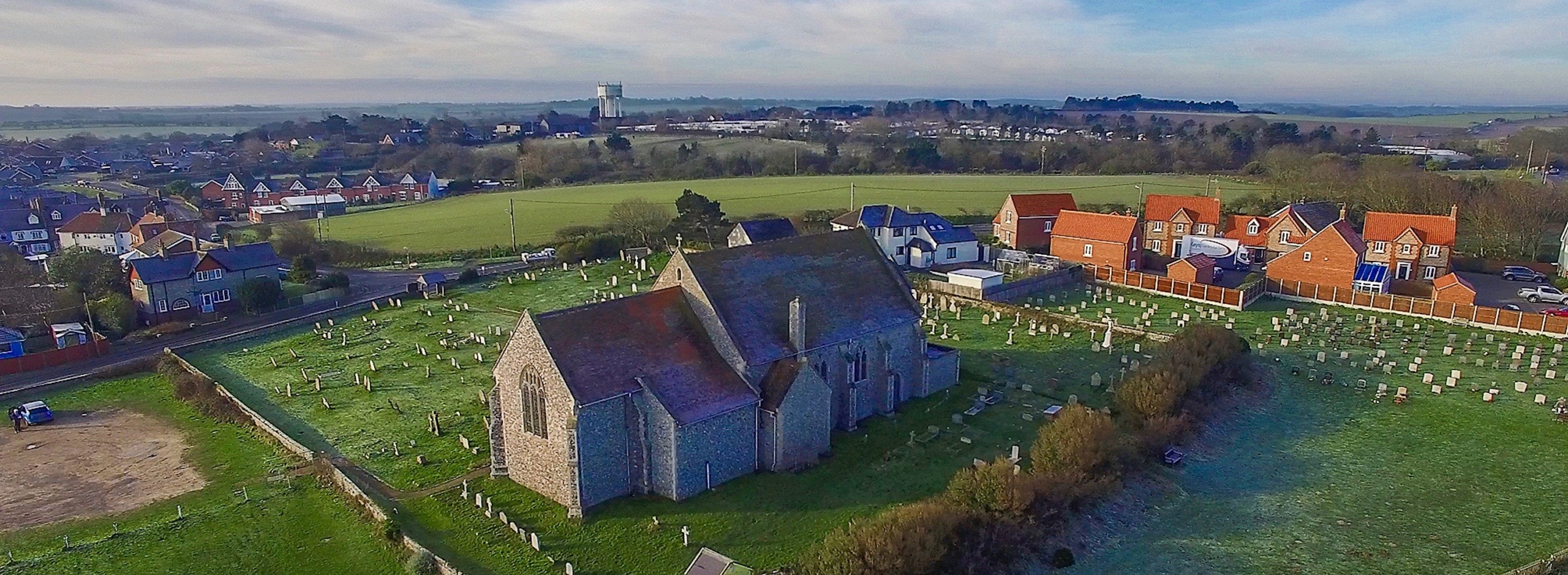
    Our walk also took in the impressive All Saints church, which stands alone and imposing on the cliff top. The church has Norman origins, but I learned that it stood virtually in ruins for about a hundred years until being sensitively restored (unusual for the time, I think) between 1899 and 1914 – this coincides with the railway and subsequent tourist trade coming to Mundesley, so they probably felt like they wanted to smarten the place up for all of its new visitors. The church is described in much finer detail than I can manage here.

    The church of All Saints, Mundesley

    On the wall of the church, we noticed a plaque dedicated to the residents of the London borough of Haringey who had died at Clarence House in Mundesley. We found The Clarence House later on in our walk, and it is a care home in what looks like it might have been another former hotel, but even looking online I can’t find anything about this perculiar dedication to people who came there from the capital. My theory is that some elderly residents of Haringey may have been moved out of bombed-out London to calmer, safer surroundings on the Norfolk coast, but I have no idea if I’m thinking along the right lines. If anyone reading this happens to know more, please do let me know.

    Speaking of the war, there is a large amount of evidence of Second World War defences in Mundesley. As well as a few pillboxes, there is a gun emplacement, built in 1940 or 1941. There is a newspaper article here about the community’s efforts to have the gun emplacement protected by Historic England. The gun emplacements are a stark reminder of how worried Britain was during the war about the enemy invading by sea and its extensive efforts to protect the coastline. The guns themselves were removed by 1946, but under the structure remains what would have been an accomodation area complete with bed frames. The future of the gun emplacement is a concern, with the underground section apparently now full of water and coastal erosion bringing the whole thing ever close to the edge of the cliff. I’m not that into war history, but I’d recommend visiting the gun emplacement at Mundesley while you can.

    The gun emplacement at Mundesley, pictured in 2016

    Part of our walk also took in Sea View Road, an untarmacked street separate from the main road. We found the number of seemingly empty but reasonably well-kept properties along this road odd, eventually concluding that this is probably an area of second homes – rich people, coming from outside Norfolk, who own properties on the coast that they only live in for some parts of the year. It’s a growing point of contention around here, and is already a massive problem in places like Cornwall.

    Our walk also took in this old brick kiln, right in the middle of what is now a caravan park and one of Mundesley’s listed buildings, and some evidence of coastal erosion:

    With a little help from a bus, we were back where we started and some (very good) chips for lunch brought a lovely little trip to the seaside to an end. I left knowing more about this small village of the North Norfolk coast, and reminded that everywhere has a story to tell if you look hard enough. I urge you to go out there and explore!

    The route of our walk
  • We walked 14 miles… because we wanted to

    We walked 14 miles… because we wanted to

    A friend is someone who understands your past, believes in your future, and accepts you just the way you are.

    Unknown

    There have been two major additions to my life in the last five years.

    One, taking up walking. Following trails, exploring new places and getting different perspectives of scenes familiar from the window of a car. Walking has subconsciously kept me reasonably fit and healthy, both mentally and physically. I used to do a lot of walking alone, usually on old railway lines. I am also often joined by my mum, who I have a bit of fun with by interviewing her at the end of one of our adventures. Nowadays, I tend to be joined on my walks by the second major addition to my life: friends.

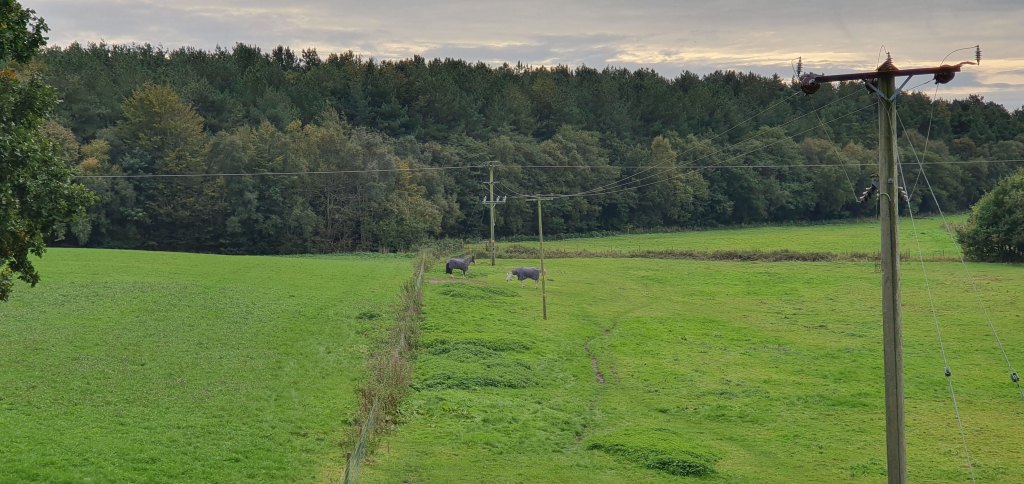
    Walking in the Norfolk countryside offers some stunning scenery

    I will readily admit that I have never found forming friendships easy. I am crippled by self doubt – I am not good enough, not worthy of anyone’s attention. I had a few school friends, as must of us do, and at university I had one friend that helped make being in a new town that bit easier. I am glad to say that friendship remains, albeit long distance, today.

    But in the last few years I have found myself with what I believe are the best group of friends anyone could wish for. Four people who I have laughed with, shared with and tackled life’s hurdles with. They have made me a better person. It’s not exaggerating to say that my life has been utterly changed by them.

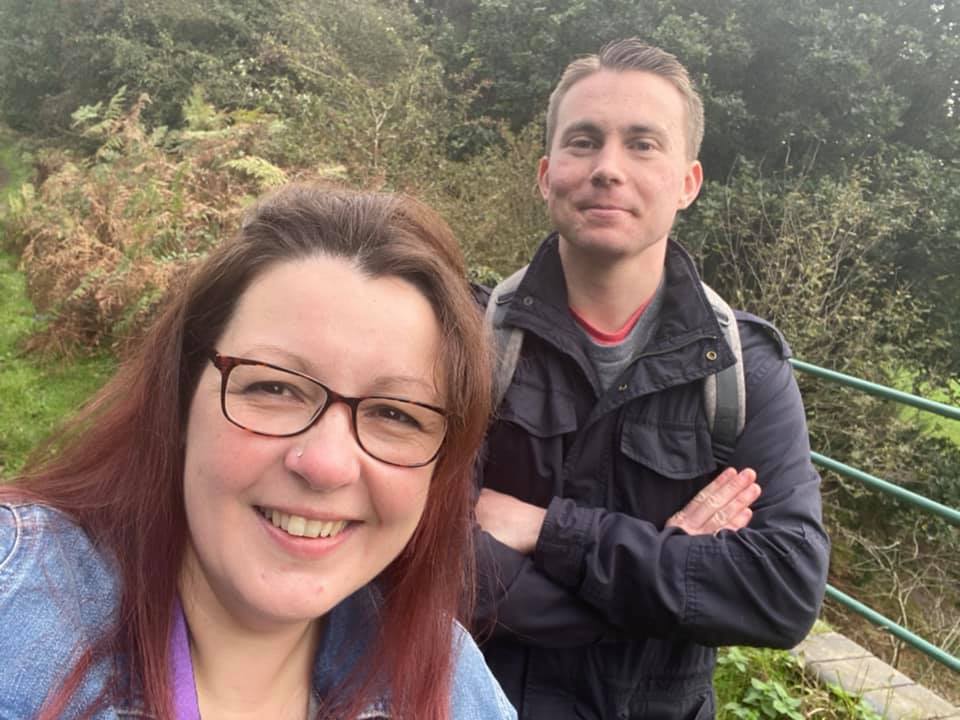
    One of these friends, Katie, is my regular walking buddy. We’ve been heading out with her dog Oscar for more than two years now, exploring the Norfolk countryside. Walking with someone else is now such a desirable thing for me that I find walking alone dull. Katie and I have mostly used the disused railway lines towards the north of Norfolk to chew the fat, have a laugh and talk over something that’s bothering us.

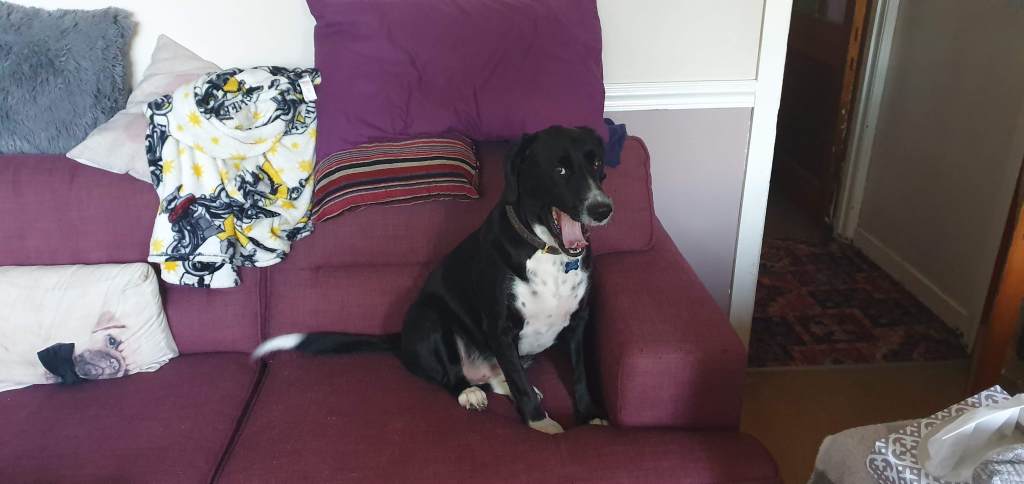
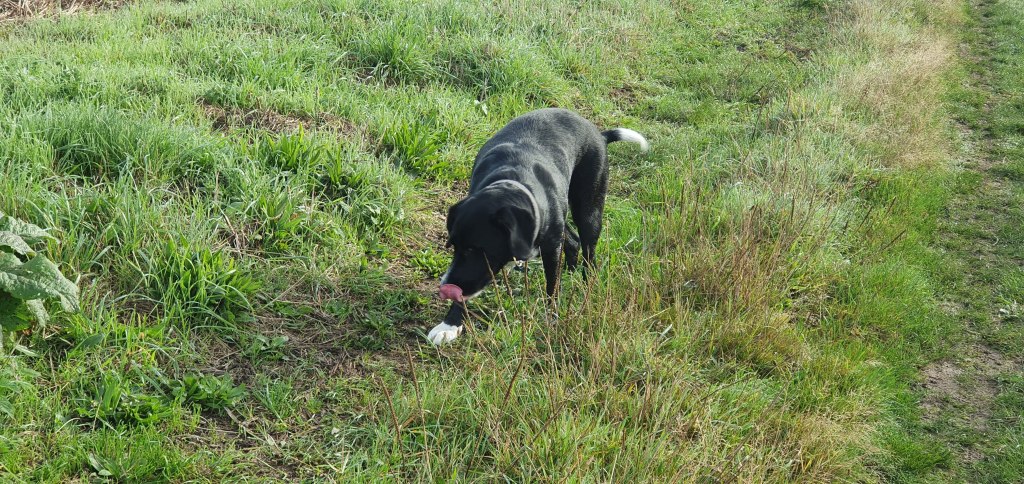
    Oscar was yawning before we had even set off

    Our walks are usually between four and six miles, but on a few occasions we have gone, quite literally, the extra mile. In early 2018 we walked from Aylsham to North Walsham and back, a distance of 14 miles, and later on in that year we did a 10 miler.

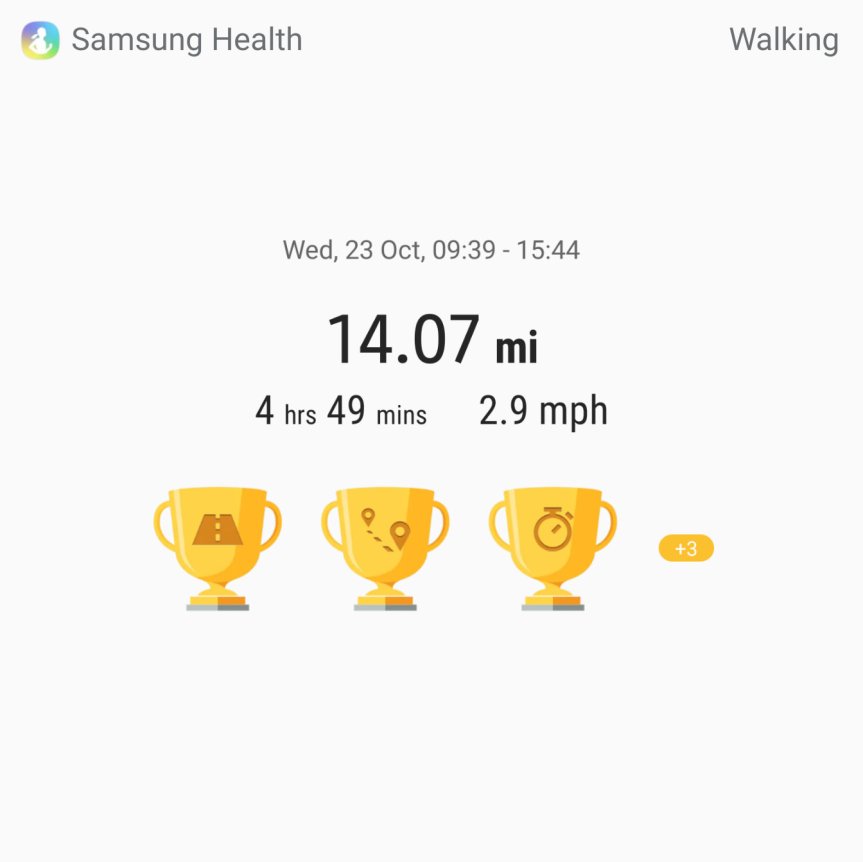
    Yesterday, we did the Aylsham to North Walsham trek again, this time learning from the errors we had made the first time around. We made sure we had enough fluids with us to avoid becoming as dehydrated, Katie had organised for her mum and her daughter to be waiting at the halfway point so we could have a ‘pit stop’ of sandwiches, and Katie also went through three pairs of socks and two pairs of boots in an effort to avoid the blister hell her wet feet had caused her the first time.

    Oscar enjoys the walks as much as we do

    The weather was just about perfect for the occasion – dry, not too hot and not too cold. We had been building up to this with several walks in the weeks before so we were in decent shape to hammer through the miles.

    Four hours and forty nine minutes after we had set off, we had done it.

    When we had told people what we were planning, the most common question was ‘why?’.

    Well – why not?

  • My Durham holiday photo treasure hunt

    This is a break from the norm for this blog.

    I’ve been spending a few days in Durham. While Norwich City do in fact play away at Newcastle this weekend (about 18 miles away) my visit is unrelated. I had a week off work coming up, did not want to be at home crawling up the walls with boredom, and my godmother – who works up here – kindly offered me the chance to come and stay at her place.

    My Durham Cathedral selfie.
    My Durham Cathedral selfie.

    Last night, while out for a walk, I had an idea. I asked my godmother to come up with a list of things that she wanted me to go and photograph the next day – a sort of treasure hunt. When I got up this morning, I had a Skype message from her containing this list:

    Whatever is up both of those alleyways (alleyways we had seen on our walk)
    The Sanctuary knocker
    Harry Potter style cloisters
    A cathedral made of Lego
    A poem on a stone bridge with the cathedral in the background
    A piece of rubbish in an inappropriate place
    A large map of the UK embedded in the pavement, made up of coloured stone in a geological manner
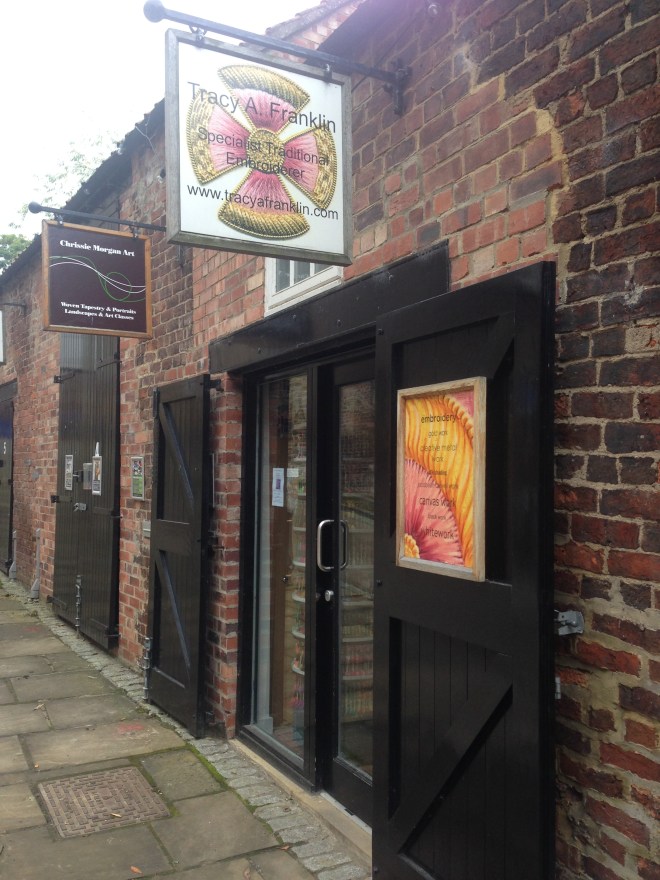
    Tracy Franklin’s studio
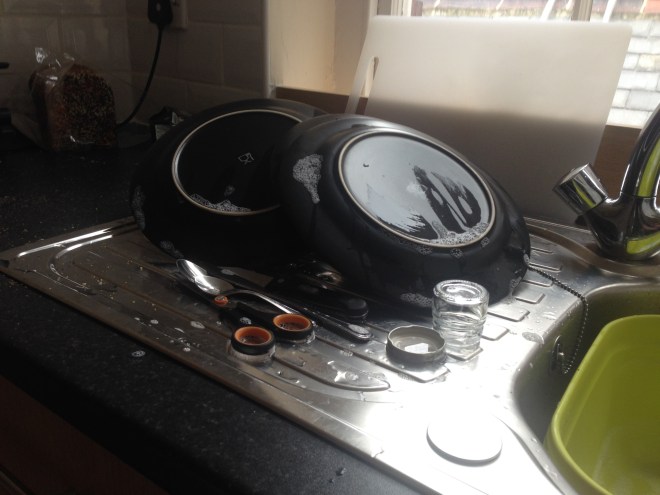
    A nice pile of washing up on the draining board
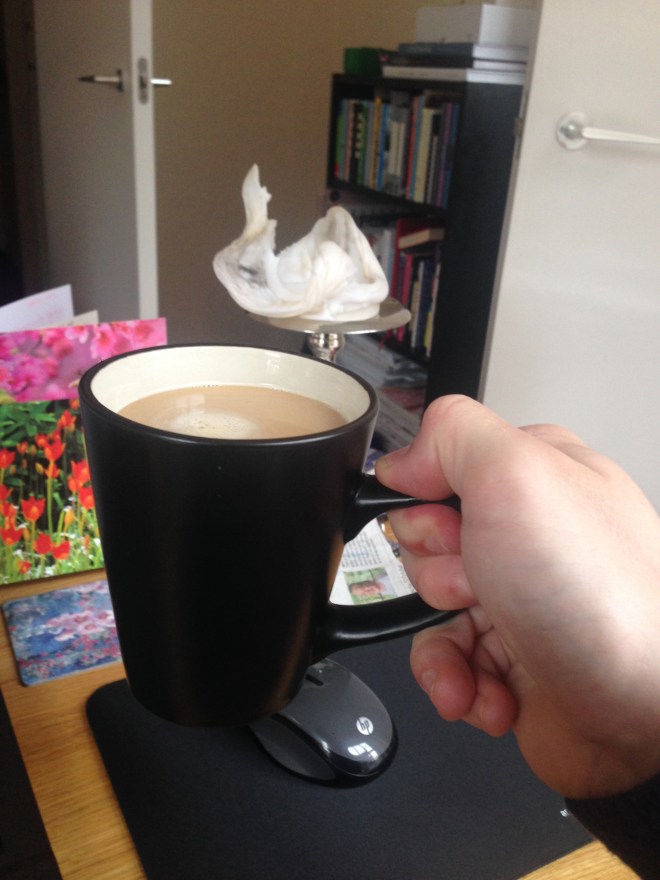
    A cup of coffee in your hand

    Around midday today, I was ready with my phone to start the challenge. Here’s how I got on.

    Whatever is up both of those alleyways

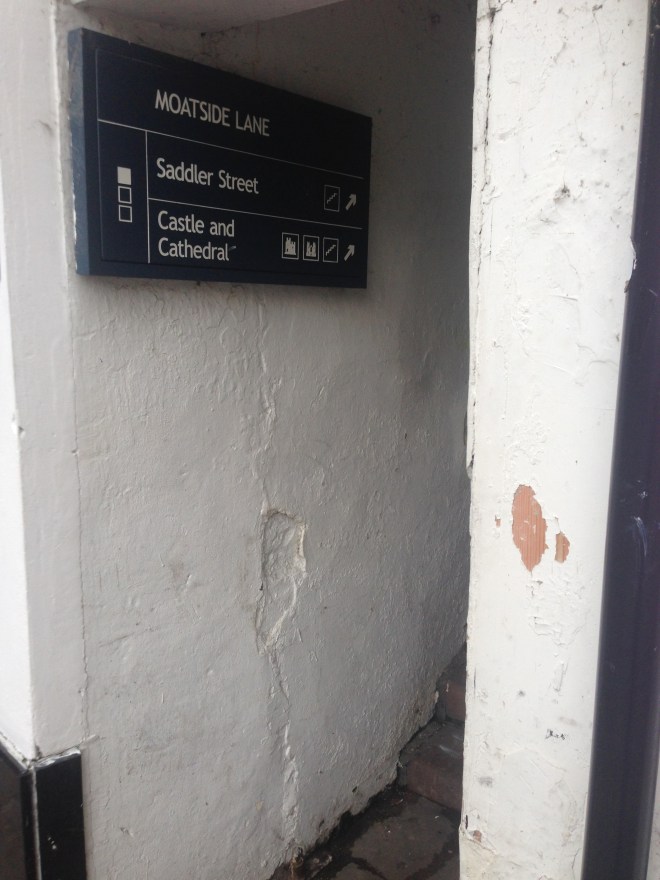
    Durham is a very old city. It’s full of narrow streets, listed buildings and hidden passages. On our walk last night, my godmother and I came to one of these hidden passages.

    The entrance to one of the alleyways.
    The entrance to one of the alleyways.

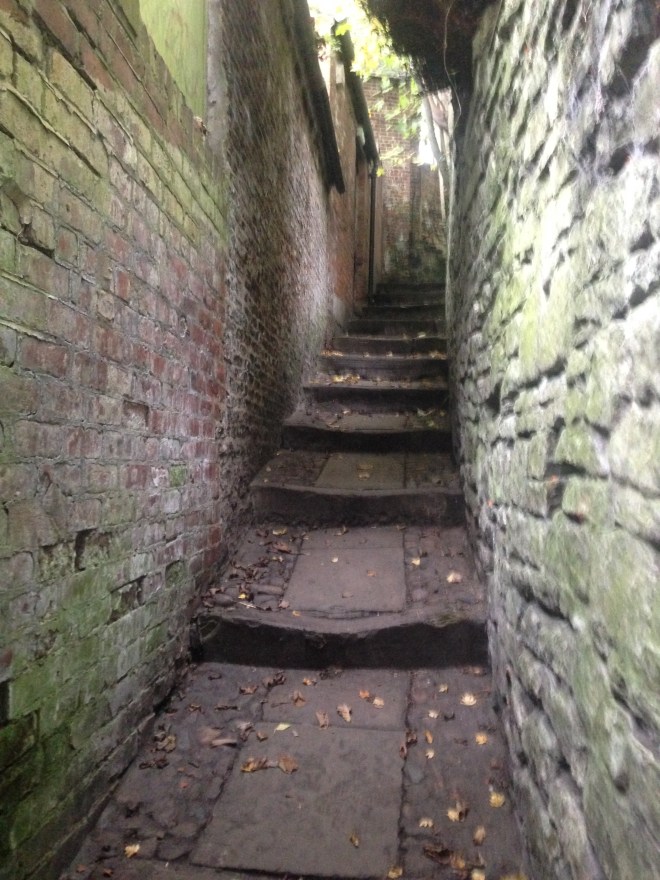
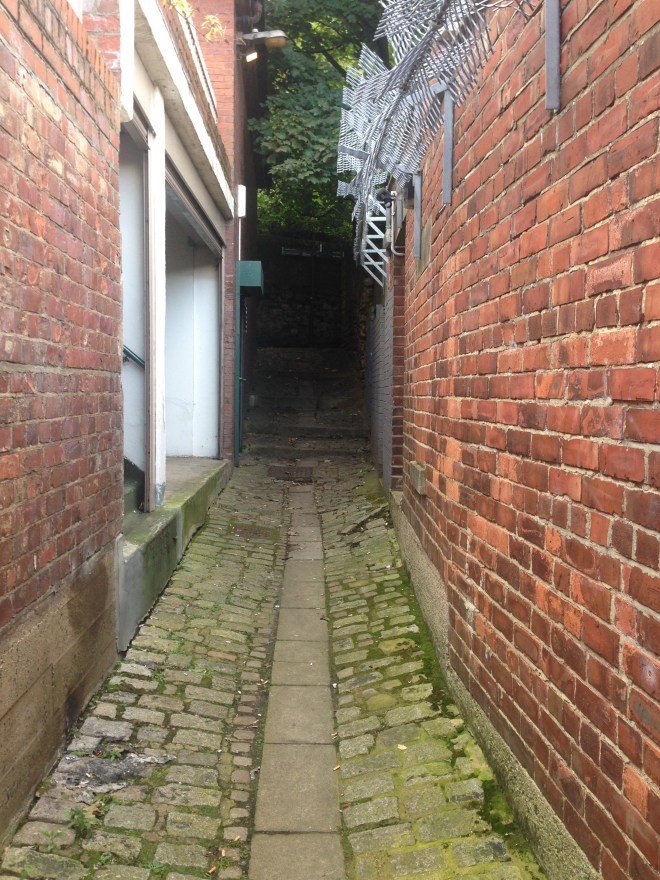
    It was getting quite late and the alleyway looked rather spooky in the dark, it has to be said. In the comfort of daylight, I headed up the steps and saw this ahead of me:

    This is what was up one of those alleyways.
    This is what was up one of those alleyways.

    When we had been looking at the entrance last night, a man in a suit strolled past us and went up there. It felt rather narrow and a bit eerie even during the day, so I would certainly not have gone up there at night like he did! The other alleyway I was tasked to explore looked like this:

    The other alleyway.
    The other alleyway.

    It turns out that this alleyway merges with the other one and they both take you just outside Pizza Express!

    The Sanctuary knocker

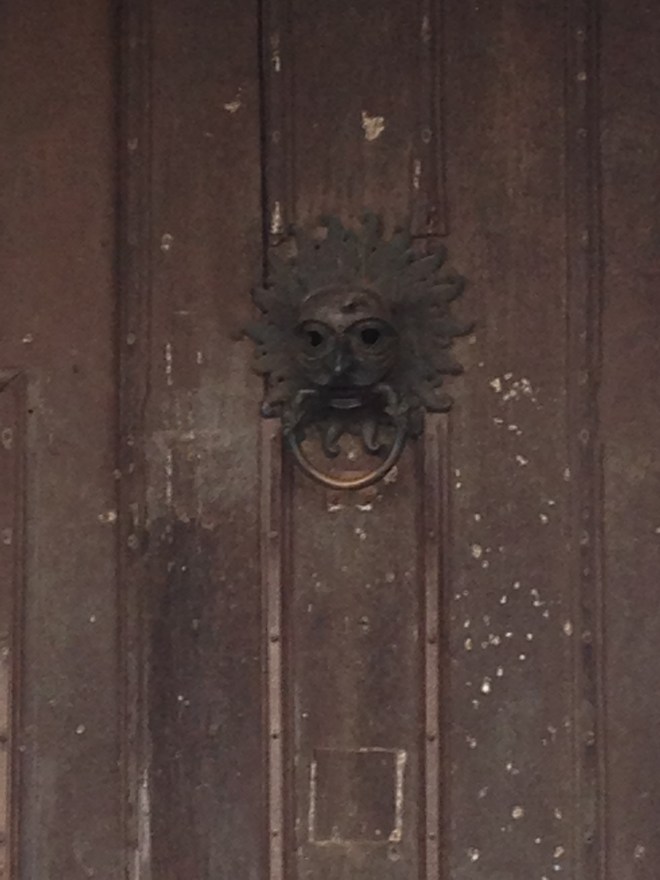
    In case you don’t know, a Sanctuary knocker (or ‘haogday’ but that’s just a weird name for it) is an ornamental knocker on the door of a cathedral. Long ago, if you touched the knocker, you were afforded the right of asylum inside. Think of a medieval Julian Assange. This ended about 400 years ago, so don’t try it the next time you are on the run from the police. Here’s the Sanctuary knocker on Durham Cathedral.

    It's much bigger than it looks here.
    It’s much bigger than it looks here.

    Harry Potter style cloisters

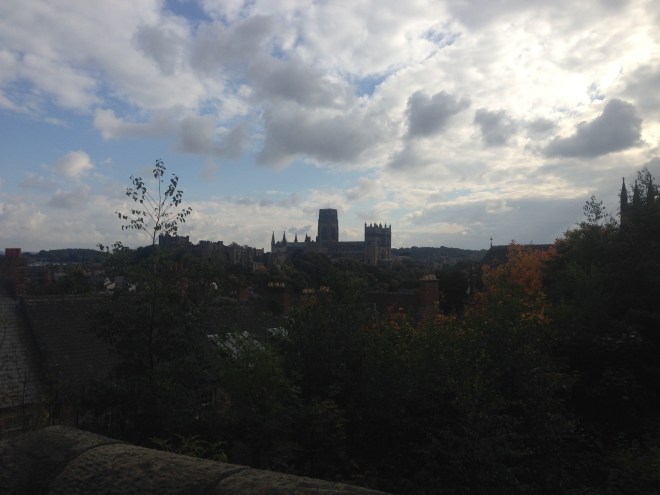
    The city of Durham is dominated by its cathedral. It looms large over the whole peninsula.

    Durham Cathedral looms large over the city.
    Durham Cathedral looms large over the city.

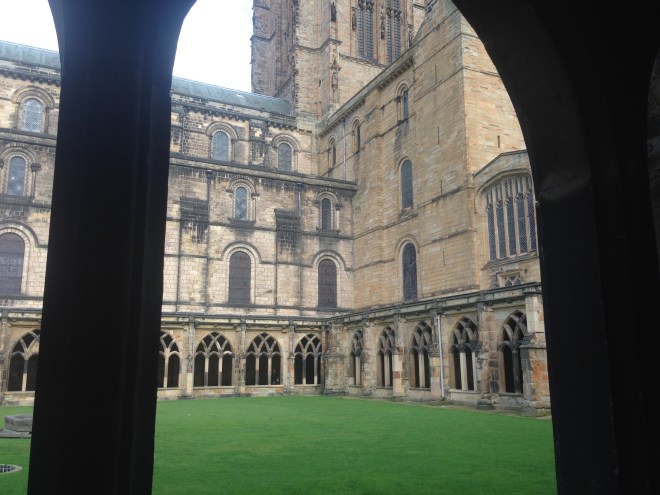
    I knew that the next target on the list would involve a trip inside this magnificent building. I made my way to the cloisters – stopping to take in the awe-inspiring interior – and got the shot I needed.
    The Harry Potter style cloisters of Durham Cathedral.
    The Harry Potter style cloisters of Durham Cathedral.

    My godmother hadn’t put ‘Harry Potter style’ cloisters on the list just because they look like they should be part of Hogwarts – she put it like that because they are part of Hogwarts. Durham Cathedral was used as a location for the first two films in the series – the Philosopher’s Stone and the Chamber of Secrets. The cloisters are where Ron’s spell backfired and he ended up coughing up slugs. Here is a page showing some of the scenes shot here.

    Parts of Durham Cathedral are currently covered in scaffolding as it undergoes major repairs and development. They are calling the project Open Treasure and you can donate to help them maintain this amazing place.

    A cathedral made of Lego

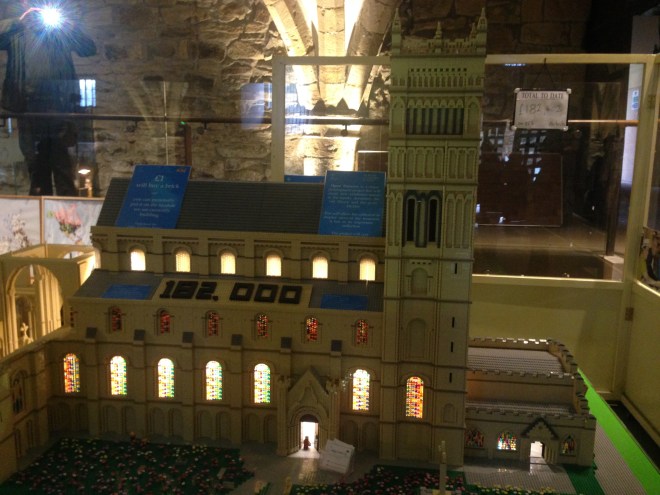
    Reading the list with somewhat bleary eyes this morning, I did think ‘she wants me to make the cathedral out of Lego!?’. It seems an unlikely request, but you don’t know my godmother like I do. I then realised that there must be a Lego model of Durham Cathedral. After taking a photo of the cloisters, I headed for the gift shop and found what I was looking for.

    That's a lot of Lego.
    That’s a lot of Lego.

    The ‘182,000’ on the roof of this impressive Lego creation refers to the fact that there are now more than 182,000 pieces of Lego used in the model. And it’s not even finished. People can buy a brick and add it to the model personally.

    A poem on a stone bridge with the cathedral in the background

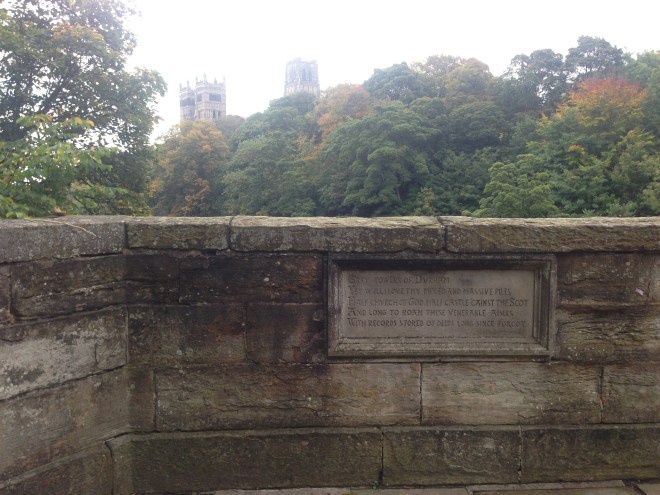
    Having left the cathedral, I went in search of this rather specific target. I had heard vaguely before about a bridge in Durham inscribed with a poem, but I had no idea where it was. It turns out it is on the secluded Prebends Bridge. It’s more than 340 years old and features the words of Sir Walter Scott from Harold the Dauntless.

    I was pretty pleased to get the money shot of the cathedral in the background too.
    I was pretty pleased to get the money shot of the cathedral in the background too.

    A piece of rubbish in an inappropriate place

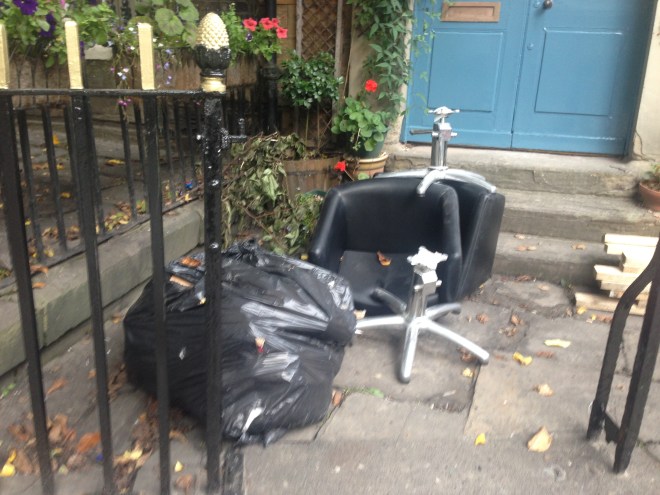
    I thought this one would be easy. Durham is so historic that pretty much any rubbish lying around would be inappropriate. However, it seems the people here know that and so I discovered that Durham is one of the most litter-free places I have ever been to. I was scouring the flowerbeds close to the cathedral for just one crisp packet. I was desperate enough at one point to consider putting a piece of rubbish on the toilet seat in the flat and claiming that as target complete. Eventually, I settled on this:

    I get a pass for this one, don't I?
    I get a pass for this one, don’t I?

    That’s rubbish. Check. That’s in the front yard of the road leading to the World Heritage Site. That’s got to be inappropriate, right? I do wonder what the people who saw me take that photo must have thought of me.

    A large map of the UK embedded in the pavement, made up of coloured stone in a geological manner

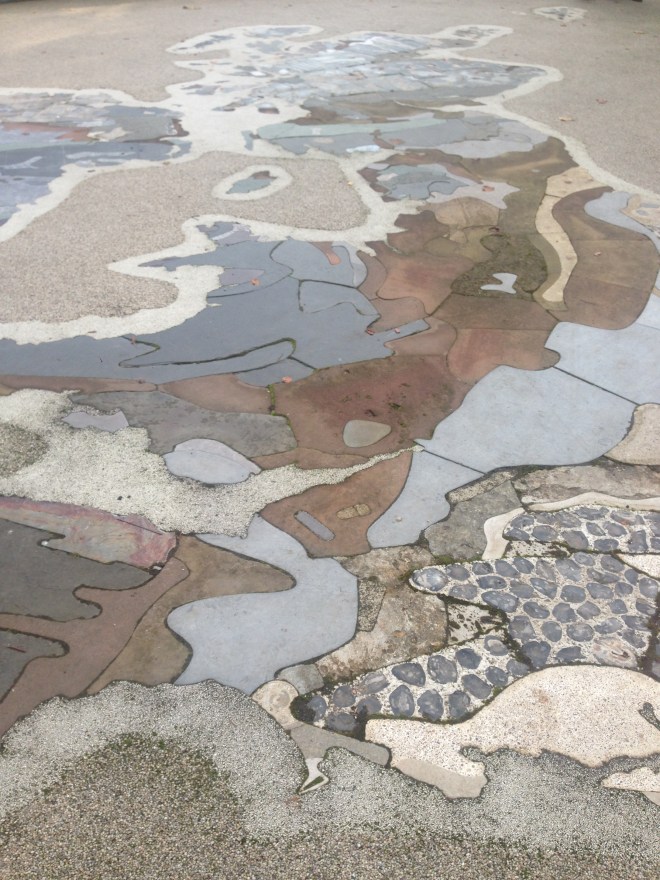
    This was the most difficult one on the list to find. This is because it’s not in the city centre, but outside the University of Durham’s Bill Bryson Library.

    Like Ronseal, it does exactly what it says on the tin.
    Like Ronseal, it does exactly what it says on the tin.

    Once you get the idea of what it is and what it represents it’s pretty cool I think.

    Tracy Franklin’s studio

    ‘Who the hell is Tracy Franklin?’ I hear you ask. Good question. I hadn’t got a clue either. Tracy Franklin is an embroiderer, and her studio is here in a back street.

    Tracy Franklin's studio.
    Tracy Franklin’s studio.

    I would tell you more about Tracy Franklin and her embroidery, but as embroidery is one of the most boring things in the world, I won’t.

    A nice pile of washing up on the draining board

    Now this was a very sneaky way for my godmother to get the washing up done in her flat. Being the excellent guest that I am, I did this before heading out this morning. Here’s the proof.
    How clean is your house?
    How clean is your house?

    Last but not least…

    A cup of coffee in your hand

    After traipsing around Durham for more than three hours, I was quite happy to complete the challenge with this one. Sat back in the flat, this cup of coffee was very welcome on a chilly October day.

    Raising a mug to my successful completion of the challenge.
    Raising a mug to my successful completion of the challenge.

    With that, my photo treasure hunt was finished. It was a lot of fun actually, a great way to explore somewhere you’re not familiar with. I recommend this game the next time you go on holiday.

    Thanks for reading, and rest assured normal service will be resumed shortly.