Tag: sexism

  • England are champions of Europe and it feels fantastic

    England are the champions of Europe. I, and no one else who holds their national pride through the prism of sport, will ever tire of saying that.

    The power of sport is incredible. It brings people together, it divides them, it captures the nation’s attention and it even brings about huge changes in society. I am so grateful to have sport in my life and I don’t know what I would do without it. On Sunday afternoon, I rushed home from work to watch the final on TV. A peak audience of 17.4 million tuned into the BBC, making it the most watched women’s football match ever on UK television.

    The match itself was an emotional wrangle. It was tense throughout, the two finalists were well matched and clearly the two best teams in the tournament. Ella Toone’s sublime finish gave England the lead in the second half, only for Germany to level through Lina Magull. Tabea Wassmuth dragged England captain Leah Williamson out of position, allowing Magull the space to finish.

    At that point, I felt like the Germans just hadn’t read the script. Like the Italian men last year. This wasn’t their story. The Wembley crowd – 87,192, a record for a Euros match for men or women – were desperate for England to go all the way and put the crowning glory on a fantastic tournament. On the radio on the way home from work, I heard a German journalist say “Germany wants to win it. England needs to win it.” He was right. England had done so well, but they really needed to make that final step.

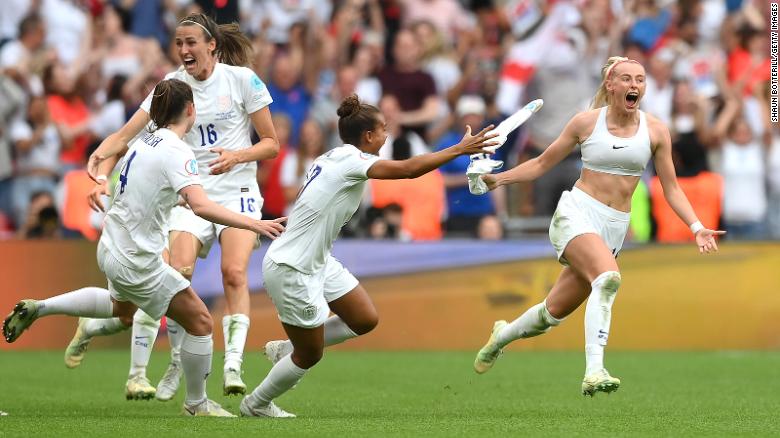
    Extra time came and the dreaded penalty shootout was looming. Everyone knows we don’t beat the Germans at penalties. Thank heavens, then, for Chloe Kelly poking the ball over the line from a (North Walsham born) Lauren Hemp corner and putting England back in front with ten minutes to go. The celebrations were wild. For once, England weren’t following the script.

    The way England saw out the game was masterful. Keeping it in the corner, drawing cheap fouls from the increasingly frustrated Germans, not giving them a sniff of coming back. Then, the referee (who had a really poor game, by the way) put the whistle to her lips. She waited a couple of seconds and then blew. No one knew what to do with themselves. England had won Euro 2022, the country’s first major tournament victory in football since 1966.
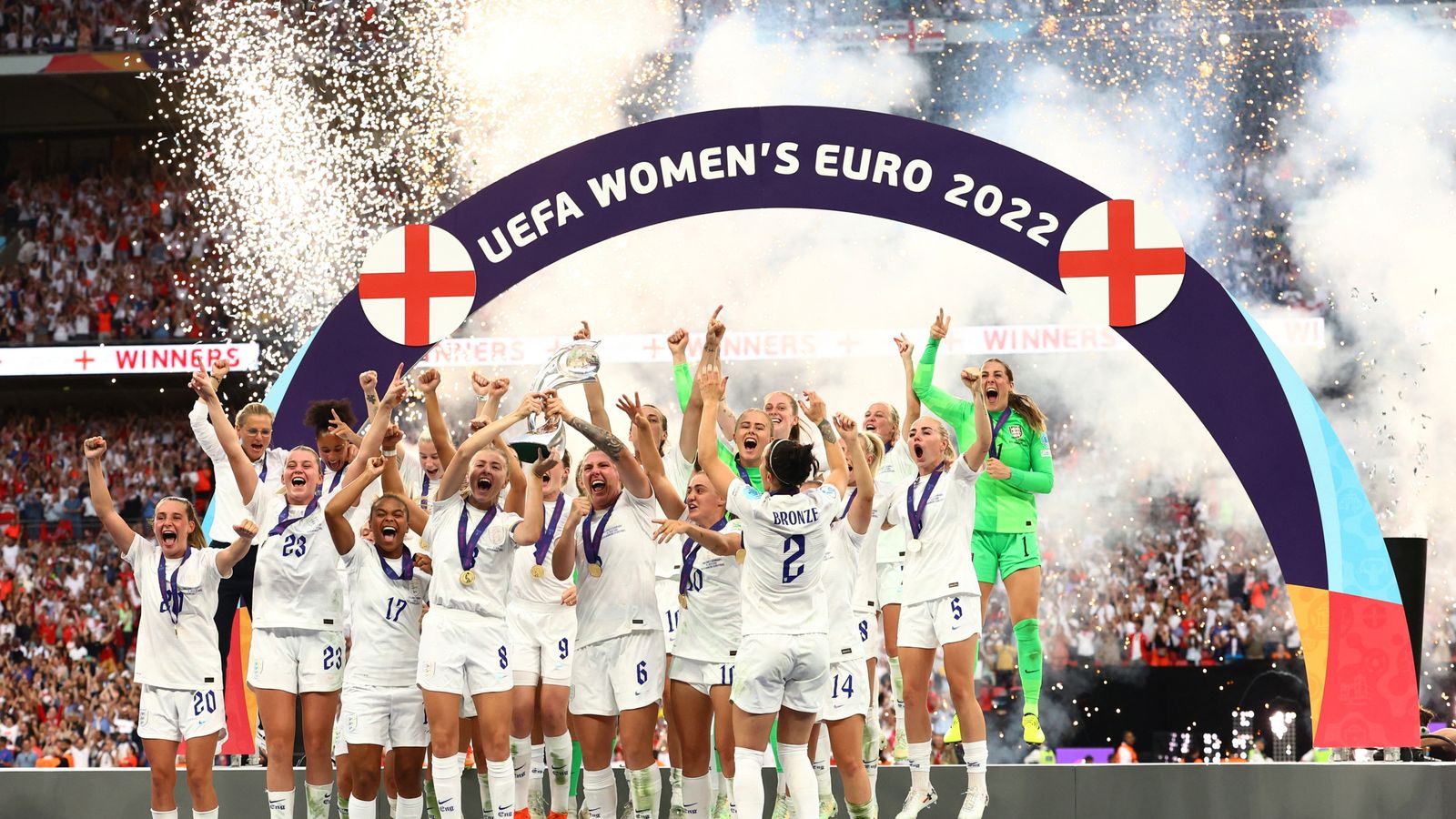
    Here, we were embracing each other in pure delight. It feels so good because it happens so rarely. Germany, for instance, were aiming to win the Women’s Euros for the ninth time. It wouldn’t have felt so joyous and momentous for them. England, with the years of dreaming, the heartbreak, the near-misses… it all felt like it was leading up to that moment.

    I have spent a lot of time and energy arguing with men – and it is always men – on Twitter about women’s sport. Tired clichés about how ‘no one cares’, ‘the standard is shocking’, ‘they should be in the kitchen’. Well, last night they were categorically rendered incorrect and irrelevant. I just love sport and I don’t care if the people playing it are male or female. The quarter-final against Spain and the final against Germany comfortably matched the quality of any men’s football match I can think of, and I am so proud that this incredibly likeable squad will have inspired women and girls across the country to start playing and to dream big.

    It’s been an amazing few years for women’s sport in the UK. England won the cricket World Cup in 2017, Emma Raducanu won the US Open last year at the age of just 18, and the Birmingham 2022 Commonwealth Games are the first to award more gold medals to women than men. It’s wonderful to see.

    So, if you’re one of those blokes who avoided the game yesterday because you feel threatened and intimidated by seeing a woman play sport, I have a question for you:

    Who had the better evening?

  • Why I took part in the social media boycott

    This morning, a major social media boycott by the world of sport came to an end.

    Clubs and governing bodies from football, cricket, netball, rugby union and rugby league were joined by companies including Barclays and Adidas and broadcasters Sky Sports and BT Sport in not posting anything on Facebook, Twitter, Instagram or YouTube between 3pm on Friday and 11:59pm on Monday.

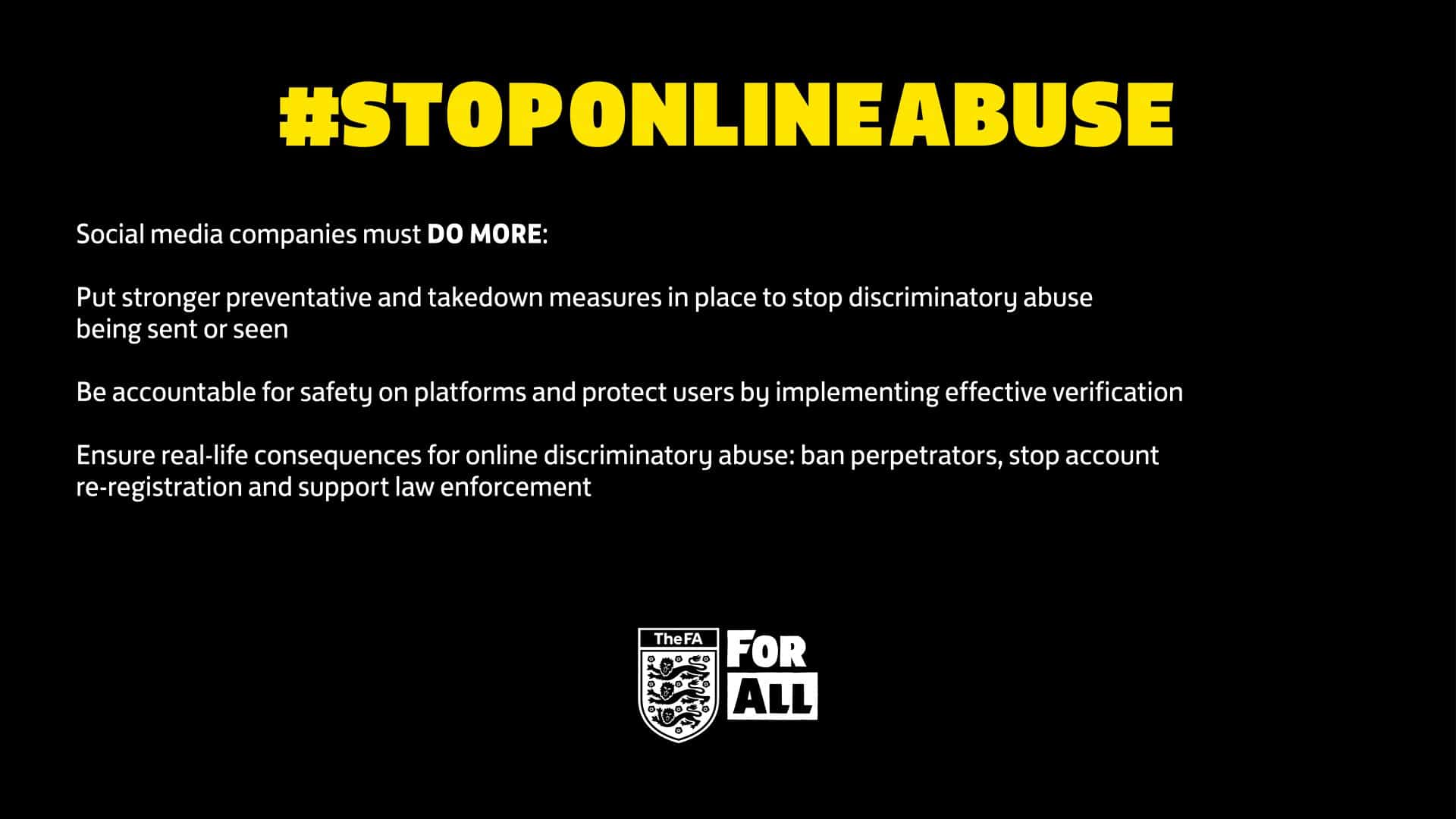
    The boycott took place with the aim of pressuring the social media companies into doing more to identify and punish people who post racist, sexist and homophobic messages on their platforms. The problem has been getting worse in recent months with several high profile cases highlighted by the media.

    My team, Norwich City, were part of the boycott and encouraged their fans to join in – which I did. This meant that there was no official content from the club on the weekend it won the Championship title.

    I see a lot of racist, sexist and homophobic messages online and, while I am a straight, white male, I find it very difficult to ignore and will often call people out on it. Usually it is because I am so astounded by some of the things they say that I feel the need for them to confirm that they really do mean the bile that they type. I am under no illusion that I can ‘talk them round’. I have written about sexism in sport in the past.

    Some say that those on the receiving end of such abuse on social media should simply ignore, block or report it. I think that is the wrong stance. This pushes the responsibility onto the victim of the abuse rather than challenging those who write it in the first place. The fight against abuse has to be about changing attitudes, not simply keeping them quiet.

    I hope this has helped to explain why the social media boycott was important and why I took part in it. No one involved expects online abuse to stop because of it, but if Facebook, Twitter and Instagram are shocked into action by a taste of what their platforms without the country’s biggest sports using them would be like then that can only be a good thing.

  • ‘No one cares’ – the infuriating misogyny on the internet

    I know I shouldn’t.

    I know I shouldn’t rise to it. I know they are on the wind up. Looking for a reaction. Reeling me in.

    But I just can’t help it.

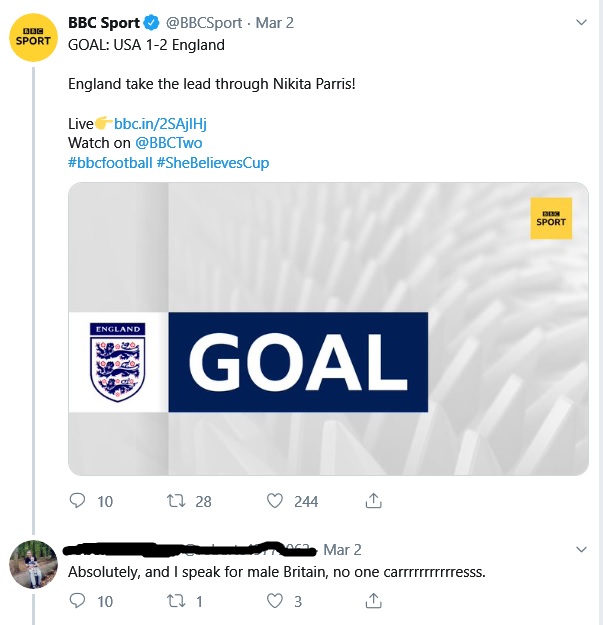
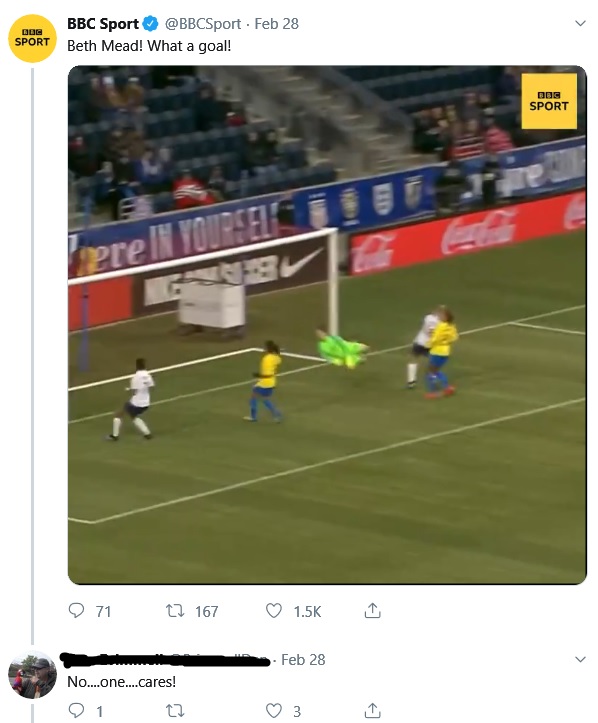
    I’m referring to people on Twitter who reply to any – and I mean any – post about women’s sport with the words ‘no one cares’.

    A blokey bloke claiming to speak for every man in Britain

    It’s incredibly irritating. It’s so fundamentally incorrect, so infuriatingly dismissive and so annoyingly pompous. Who are they to speak for everyone? They might not care themselves, fine, but they don’t speak for me.

    Personally, if I don’t care about something I don’t spend my time commenting on tweets about it making it clear to everyone that I am not interested. I like most sports but golf and Formula 1 leave me cold. I am well aware that millions of people love them, though, so I leave them to it. It’s the way these blokes – and it is always blokes – desperately need to tell everyone that they don’t care about women’s sport that gets to me.

    Another bloke

    It is most often ‘no one cares’. That’s the textbook blokey casually sexist reply. Sometimes it’s a snide comment on the size of the crowds at a women’s sporting event. Sometimes it’s more explicit, with suggestions that the players ‘should be in the kitchen’ or that there would be more interest if the players were in bikinis.

    Joking or not, comments like these are wrong. It’s 2019 now. Shouldn’t we have moved on from these tired cliches? Jokes require an element of humour, and there’s nothing funny about them.

    Women’s sport is in a fantastic place right now, and getting better all the time. As I write this, the England football team are on the verge of winning the SheBelieves Cup. The England cricket team are world champions, having beaten India in front of a crowd of around 25,000 at Lord’s in 2017. And who could forget the Great Britain hockey team’s thrilling gold medal at Rio 2016?

    England’s women’s cricket team won the World Cup in 2017

    When England’s women played the Netherlands in the semi-finals of Euro 2017, 4 million people watched it on Channel 4. This was the biggest UK audience for a women’s football match to date, and the match got double the average audience of that day’s episode of Celebrity Big Brother. This is solid proof that ‘no one cares’ is plainly wrong.

    This is not about wanting to fight a battle on behalf of women. This just really irritates me. When I’ve engaged with the people who make these comments, I’m usually met with denial. Nobody cares mate. These facts you’re telling me are made up. Sometimes I’m told that I’m in the ‘PC (politically correct) brigade’. I’m not. It’s not PC to not hate, or be frightened of, women. Because that’s what these men are. They will deny it until they are red in the face but they’re are afraid that these women playing sport threatens their masculinity.

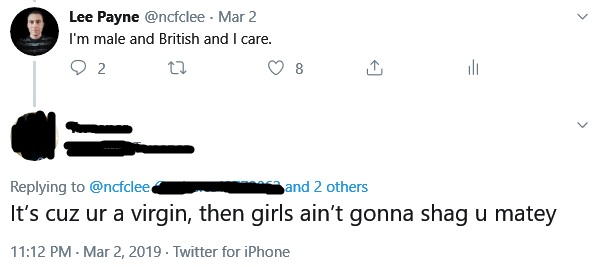
    Once, I was given the bizarre response that I am only defending women’s sport because I think it would make women want to sleep with me. I mean, really? How shallow can you be? That one wasn’t even worthy of a reaction.

    This bloke can only imagine caring about women’s sport if it was in the pursuit of sex

    I felt like writing this because I am sick of calling out the ‘no one cares’ blokes on Twitter. I thought I’d write very clearly why they are wrong and link them to it in future.

    Women’s sport is on the rise and that should be celebrated. It doesn’t need some bloke on social media dismissing it. Let’s not let them.