The last time I wrote to you, I was about to leave Nottingham for the next stop on my road trip holiday.
Before going away, I had read about Nottinghamshire in a book I had called I Never Knew That About England. The section on Southwell I found particularly interesting, with it being described as one of England’s least known cathedral towns. It turned out to be a perfectly easy stop on the way between Nottingham and Lincoln, so mum and I decided to go and explore.
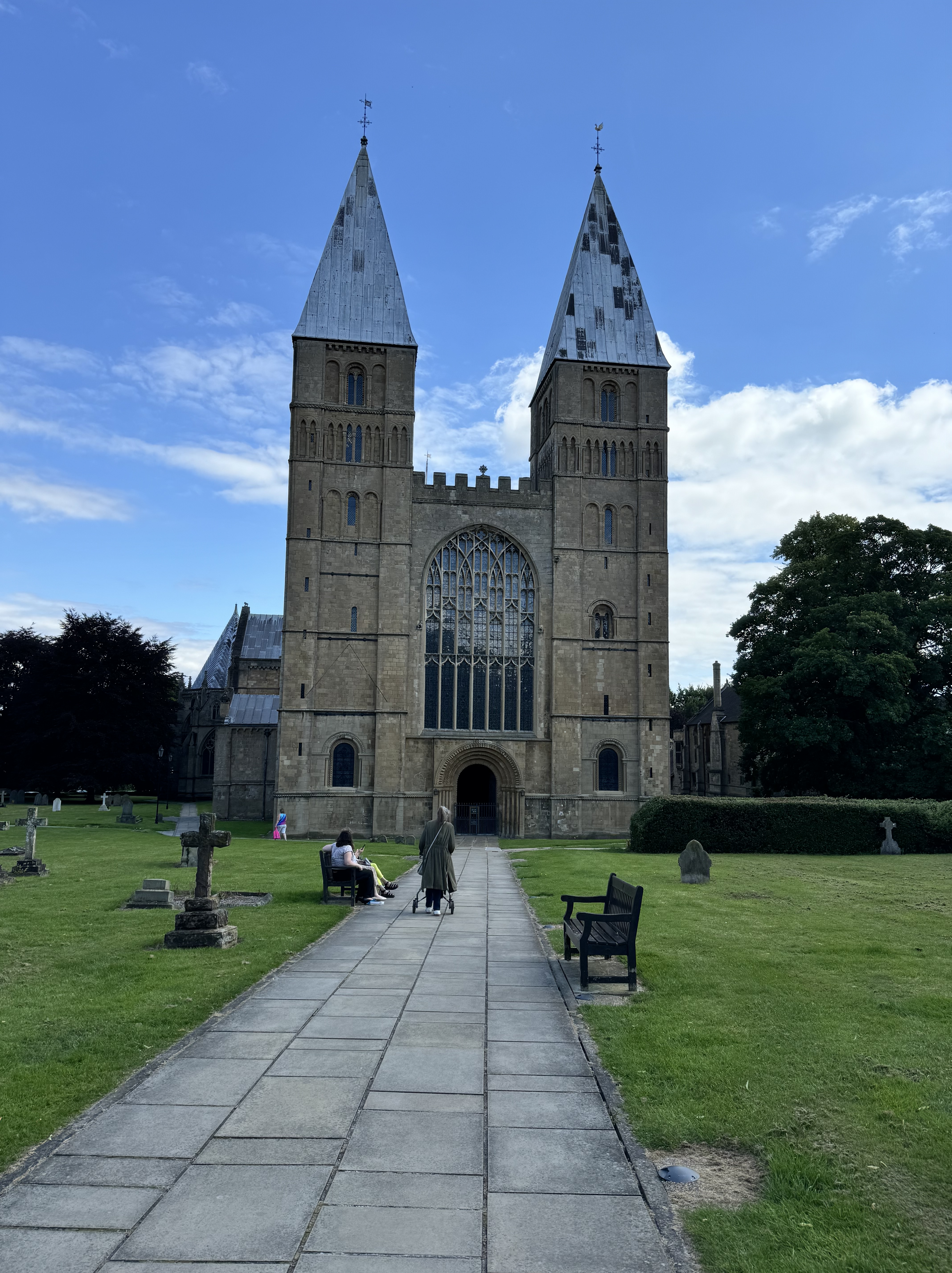
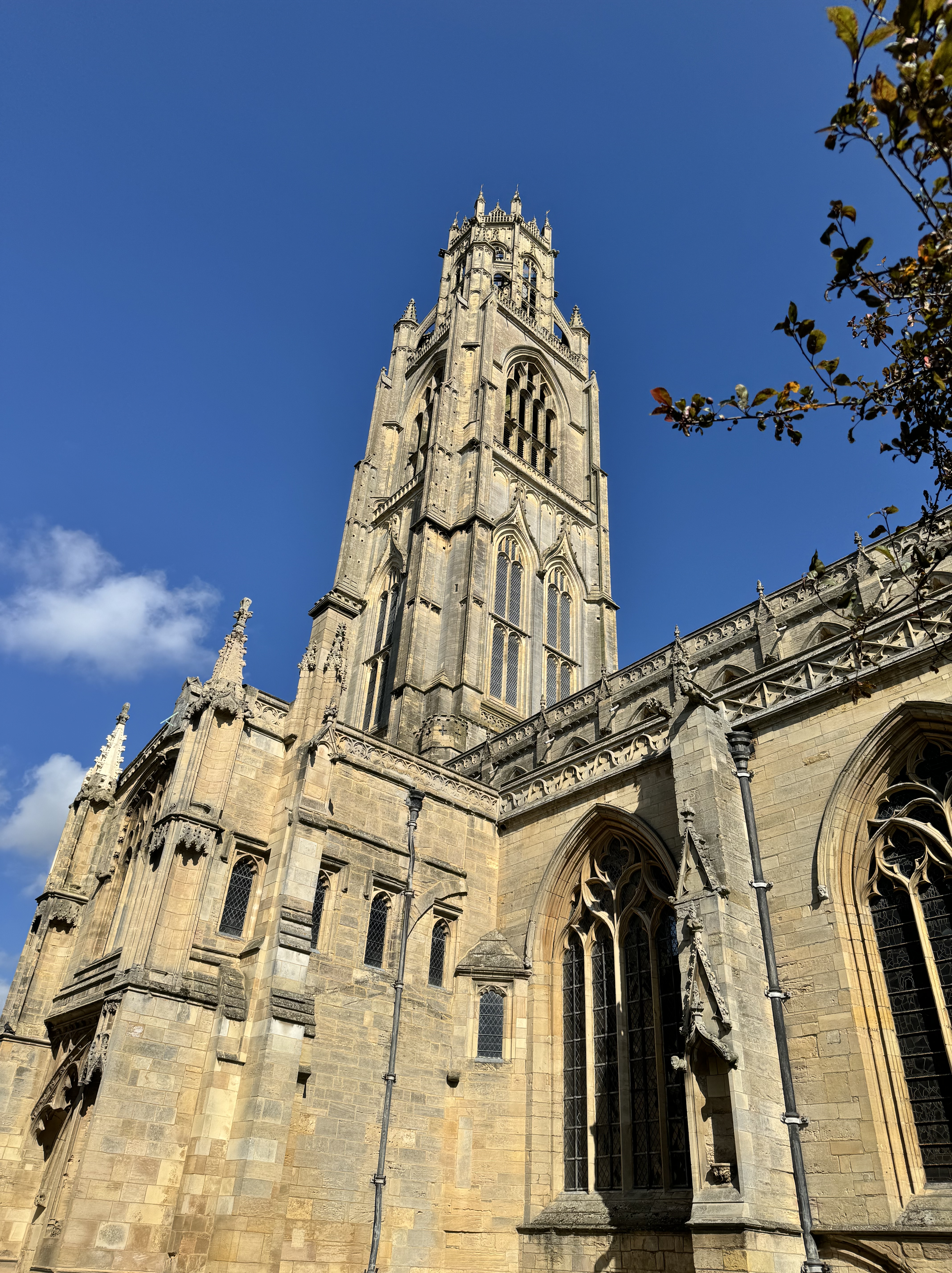
The quite remarkable Southwell Minster. I didn’t have the patience to wait for the old lady with the walking frame to get out of the way.
Southwell is a small, pretty, well-looked-after town that is completely dominated by its magnificnet minster. Built in Roman times, it really needs to be seen to be believed.
The town is also famous for (and very proud of) being the birthplace of the Bramley apple. Mary Ann Brailsford, aged 9, planted some apple pips in her garden on the outskirts of Southwell in 1809. The resulting tree produced so much fruit that in 1856 the later owner of the house, Matthew Bramley, was asked if he would consider selling the apples. By 2007, 95% of total culinary apple orchards in England and Wales were Bramley apples. Mary Ann Brailsford probably never knew that the tree she planted had become so famous – when you think about it, we should really be making our apple pies with Brailsfords.
From Southwell, we drove on to Lincoln. This was my first time in Lincoln, but unlikely to be my last. With its castle and cathedral, I felt an immediate affinity with my beloved home city of Norwich. It doesn’t happen often, but Lincoln might actually beat Norwich for history – it still has a Roman archway that traffic passes through.
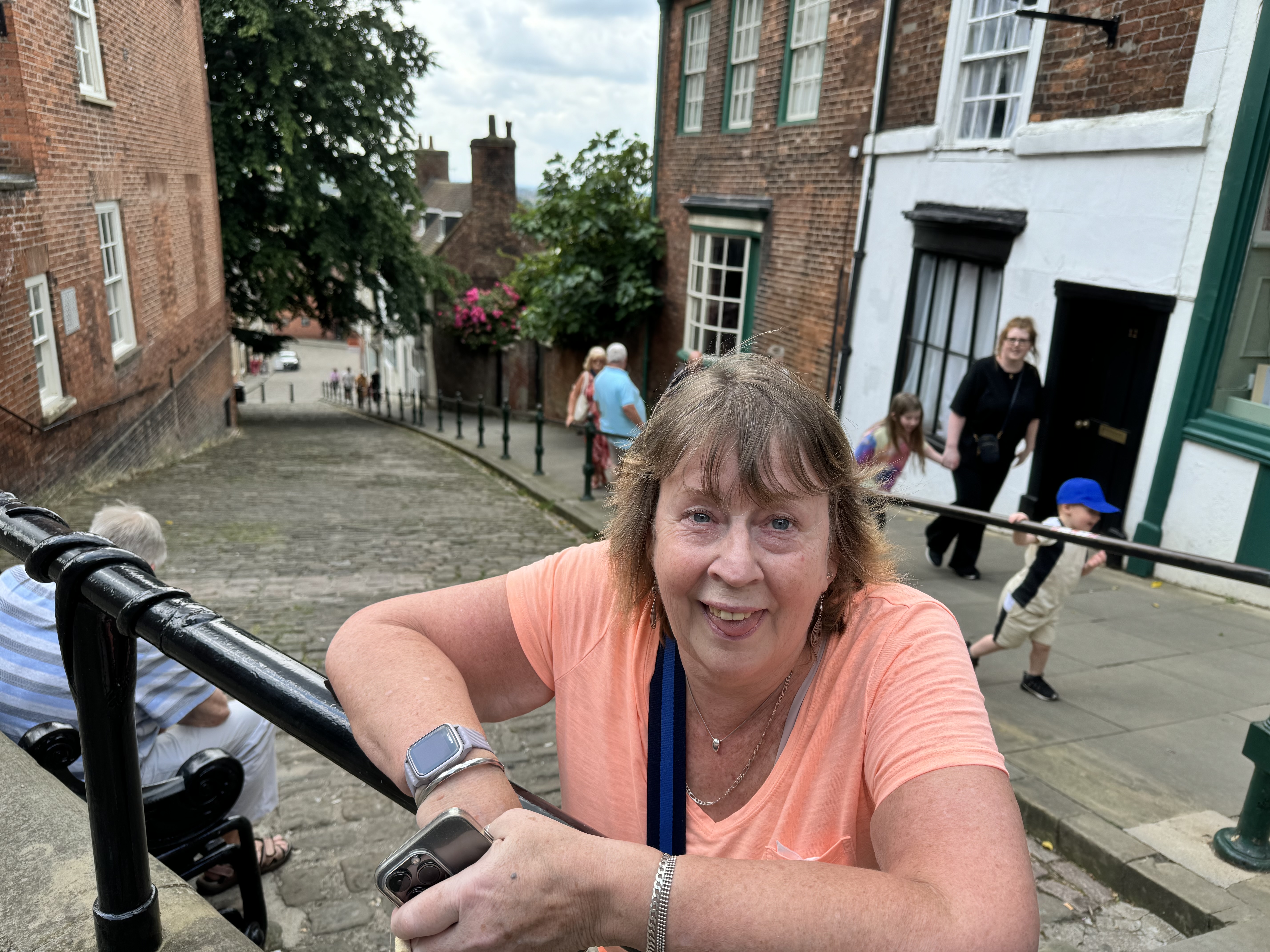
We had been warned about Steep Hill in Lincoln, possibly the most aptly named road in Britain. My dear mum, who is asthmatic, has a hernia and has just turned 60, surprised the both of us by managing to walk up this monster of a hill. Here she is at the top.
Mum at the top of Lincoln’s frankly ludicrous Steep Hill
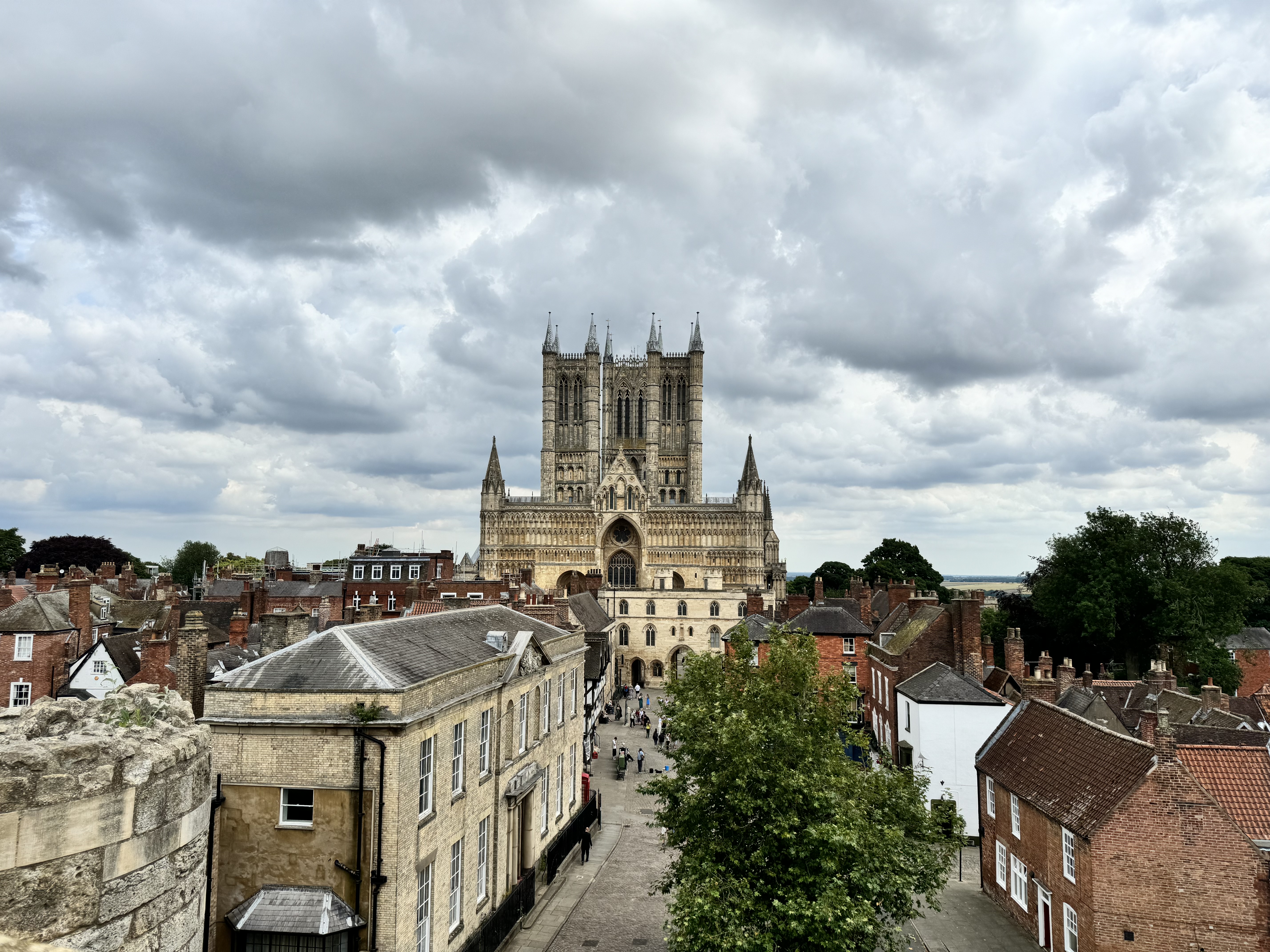
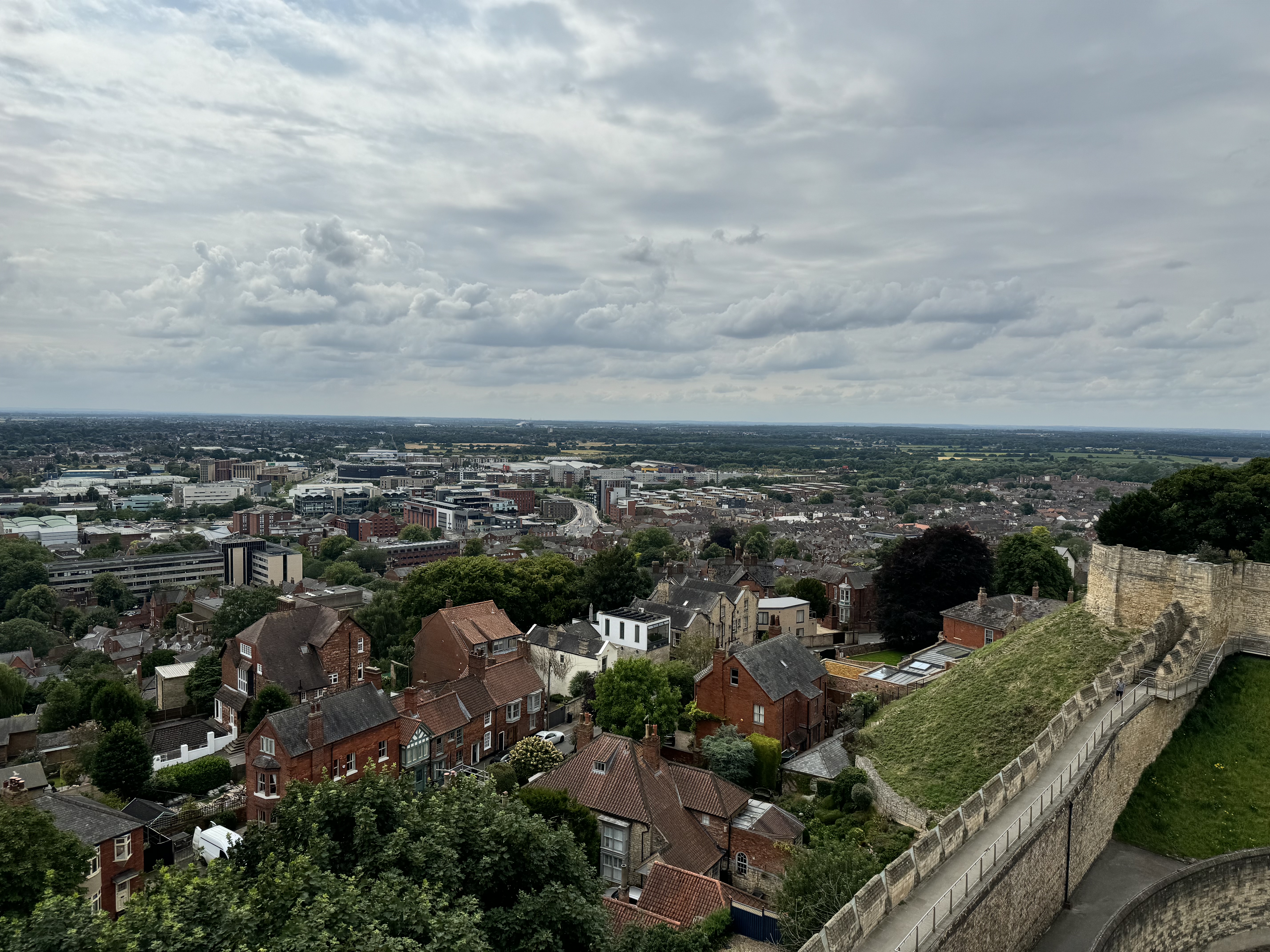
Steep Hill was well worth the climb though, as the Cathedral Quarter at the top is beautiful. We went into the grounds of the castle and paid to do the castle wall walk. You get to walk all the way along the top of the castle walls, a full circle, and it was well worth the £10 fee to do so. The views are simply spectacular, both of the cathedral opposite and the surrounding countryside.
The cathedral as seen from the castle walls.Overlooking Lincoln from the castle walls
We decided to come back on Thursday to do the cathedral. The only other thing we did in Lincoln on Wednesday was have the best waffle I’ve ever tasted at Madame Waffle. Seriously, if you are ever in Lincoln, go and have a waffle at Madame Waffle. I had one covered in Nutella and topped with fresh strawberries and I am wondering if I will ever taste anything like it again.
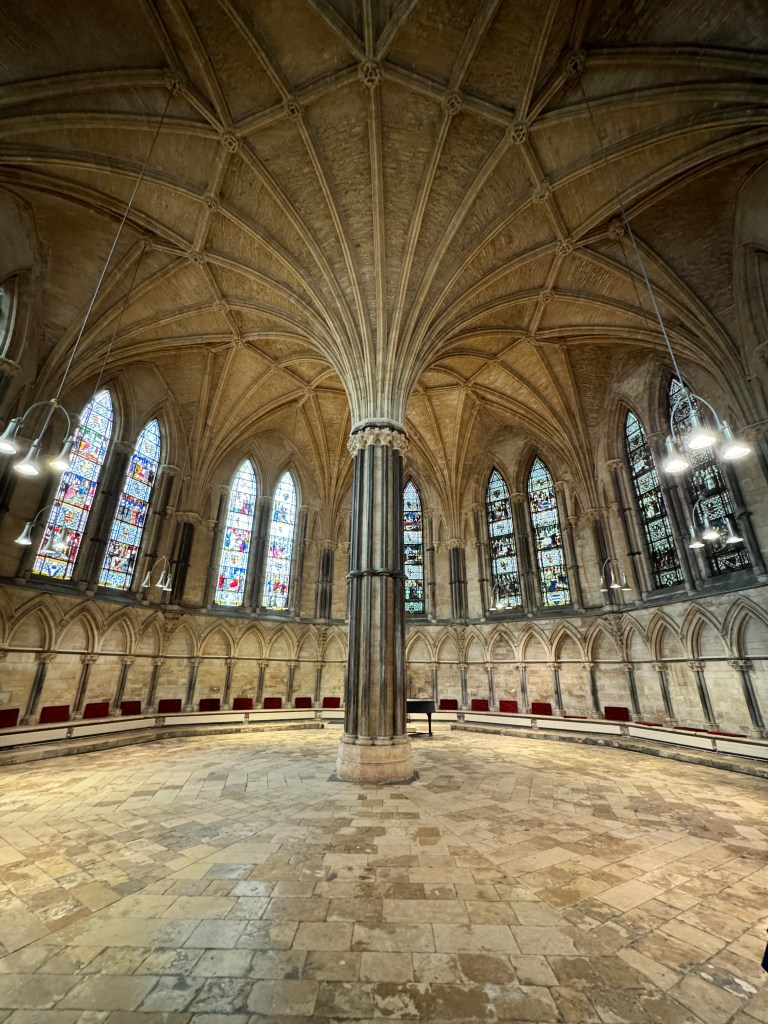
The nave of Lincoln Cathedral was off limits to the public on the day we visited because it was being used for the local university’s graduation ceremonies, but it meant we got in for a reduced rate and got to experiene the atmosphere of a cathedral filled with the sound of organ music. There was still plenty of the magnificent building worth seeing, including the Chapter House.
The Chapter House inside Lincoln Cathedral
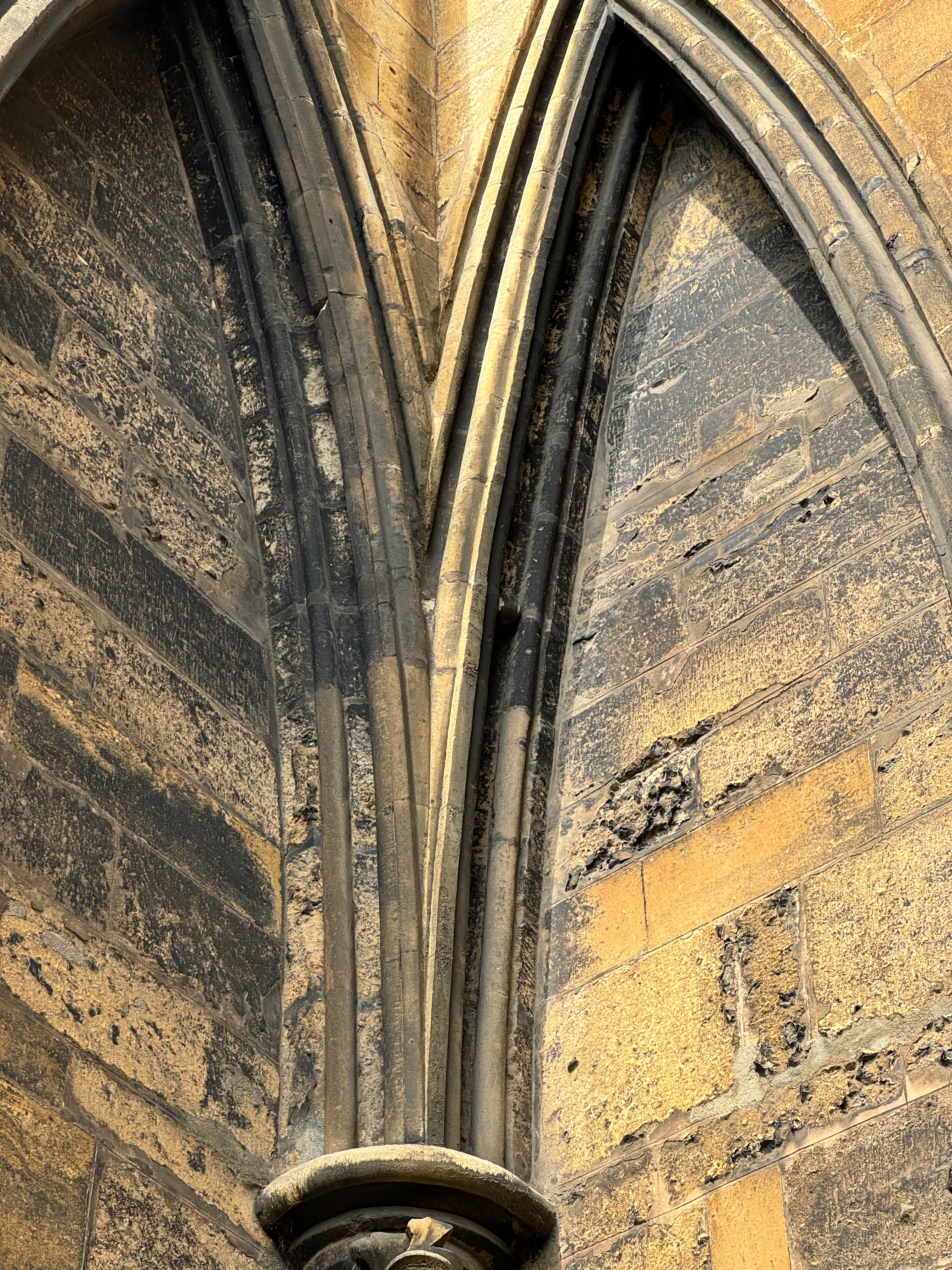
I had also read about a slightly more recent bit of quirky history to do with Lincoln cathedral. The story goes that a boy, Gilbert Bell, was playing with a tennis ball in the shadow of the cathedral, all the way back in 1914, when it unfortunately became stuck in the mouldings of the building. It was too high to even entertain the thought of climbing up to retrieve it. And there Gilbert’s tennis ball has remained! 110 years on, the tennis ball is still lodged in place – and I managed to find it!
Gilbert Bell’s tennis ball, lodged in the mouldings of Lincoln Cathedral since 1914
The final stop on the road trip was to Boston. Boston is famous for being the place a lot of the first pilgrims that travelled to the USA came from – and that is very much what the town shouts about. References to the pilgrims are everywhere – in statues, in street names, in pubs. I don’t want to be too negative about the place, but I can understand why the pilgrims were so keen to leave! Of course, the Boston in Massachusetts, USA takes its name from this Lincolnshire port.
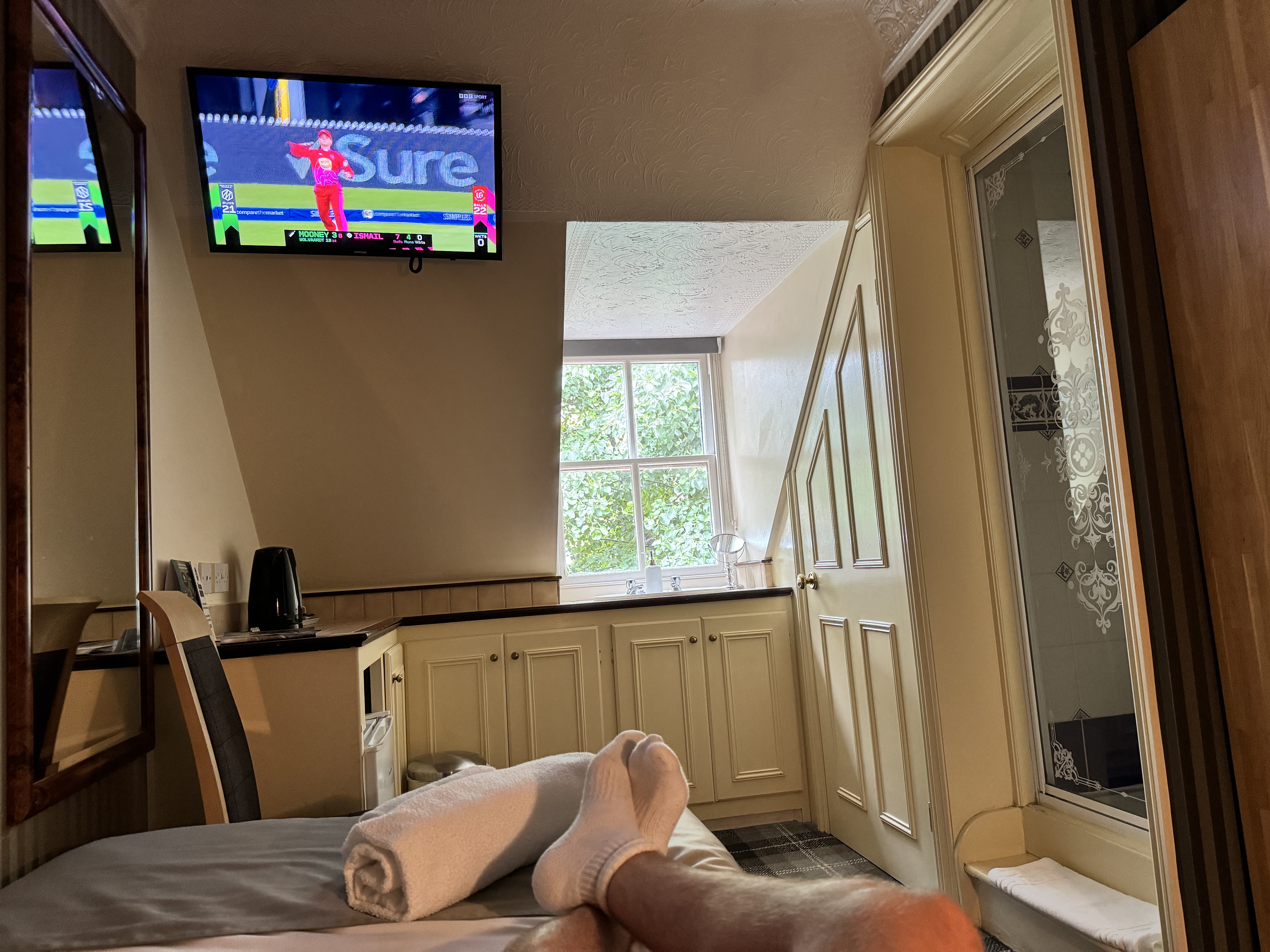
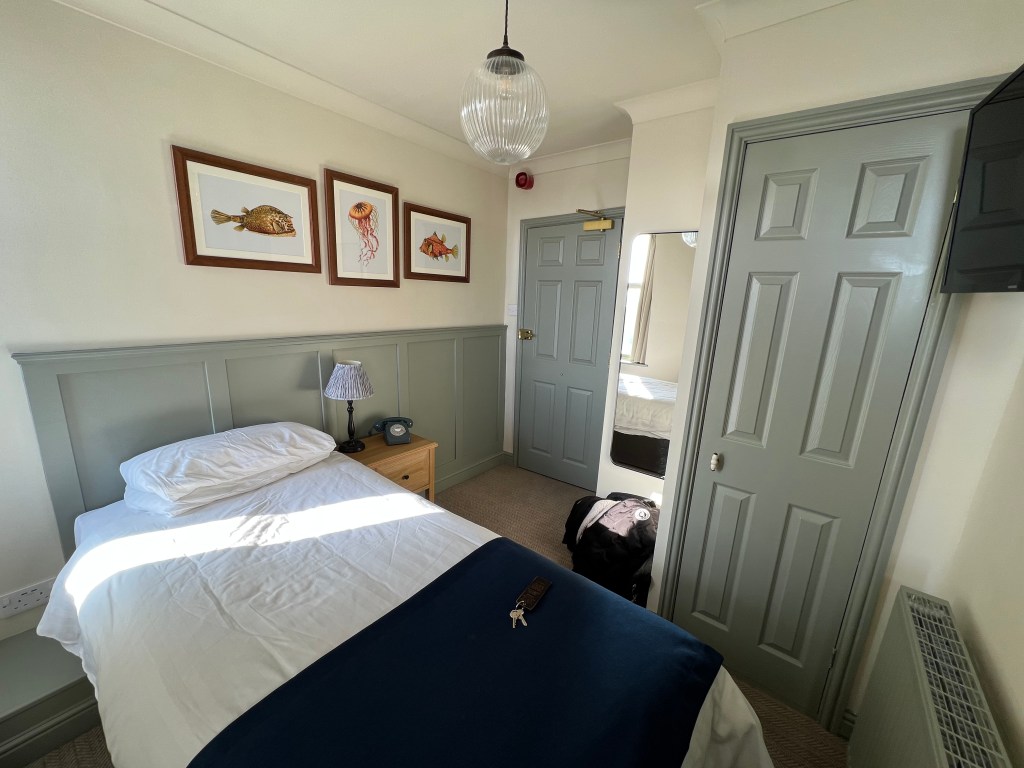
Yes, Boston is a little on the rough side these days. A lot of it needs regenerating, I was wary of the locals and I made sure I wasn’t still out after dark. But our accomodation, the Quayside Hotel, was a gem. Its owners were actually once winners on the Channel 4 show Four in a Bed. The rooms were small but had everything I could wish for.
Relaxing on my bed in the Quayside Hotel, Boston
Undoubtedly the jewel in Boston’s weathered crown is St Botolph’s Church, known locally as the Stump. The sheer size of what is simply a parish church would put many cathedrals to shame. We had a great time wandering around, taking in all the details, and watching resident ‘morale assistant’ dog Morse running around with a tennis ball.
St Botolph’s Church, Boston, knows as ‘the Stump’
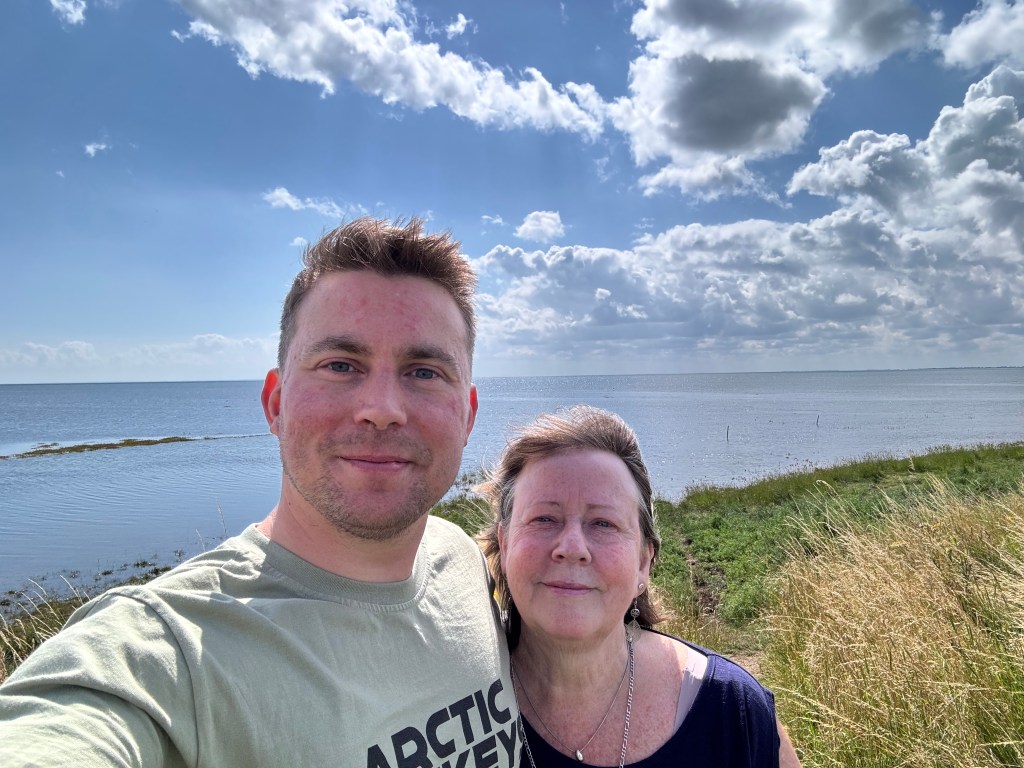
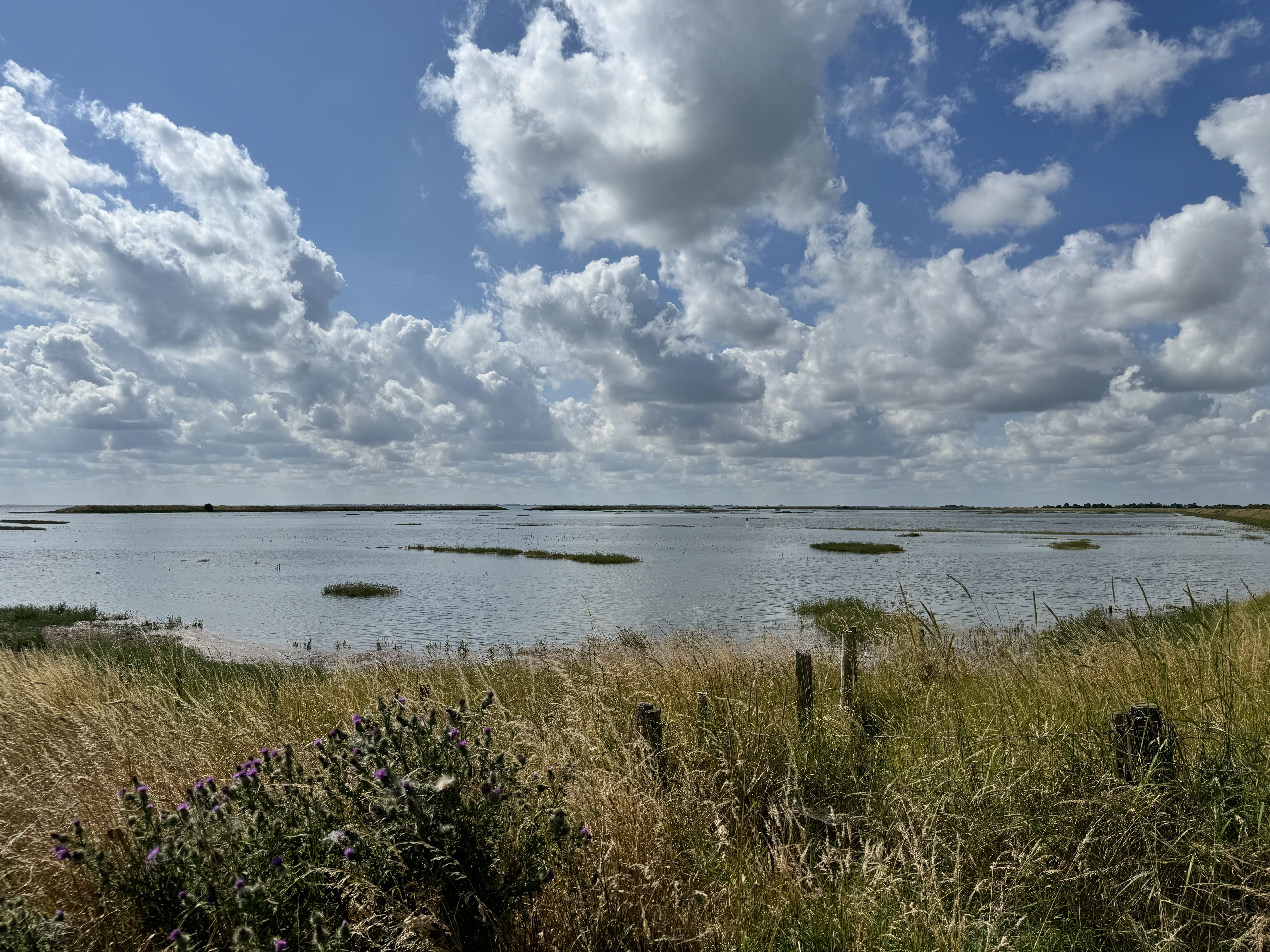
And so to Friday morning. Mum wanted to go to the coast, look back over the Wash to the shoreline of Norfolk, and take in the view that she had so often seen from the other side. We achieved this at a salt marsh about twenty minutes from Boston.
Salt marsh near Boston. In the distance you can just about make out the Norfolk coastline (the Hunstanton/Heacham area)
Then it was time to head home. Another lovely holiday is over, and on Sunday it’s back to the Misery Dome (i.e. work) for me. But I have really enjoyed myself. It’s been lovely to get away, to recharge, to see some new sights. I’ve even walked in the footsteps of royalty. I saw a great day of cricket and discovered Lincoln. I come home happy.
I’m writing this in my hotel room near the River Trent, where I am on holiday.
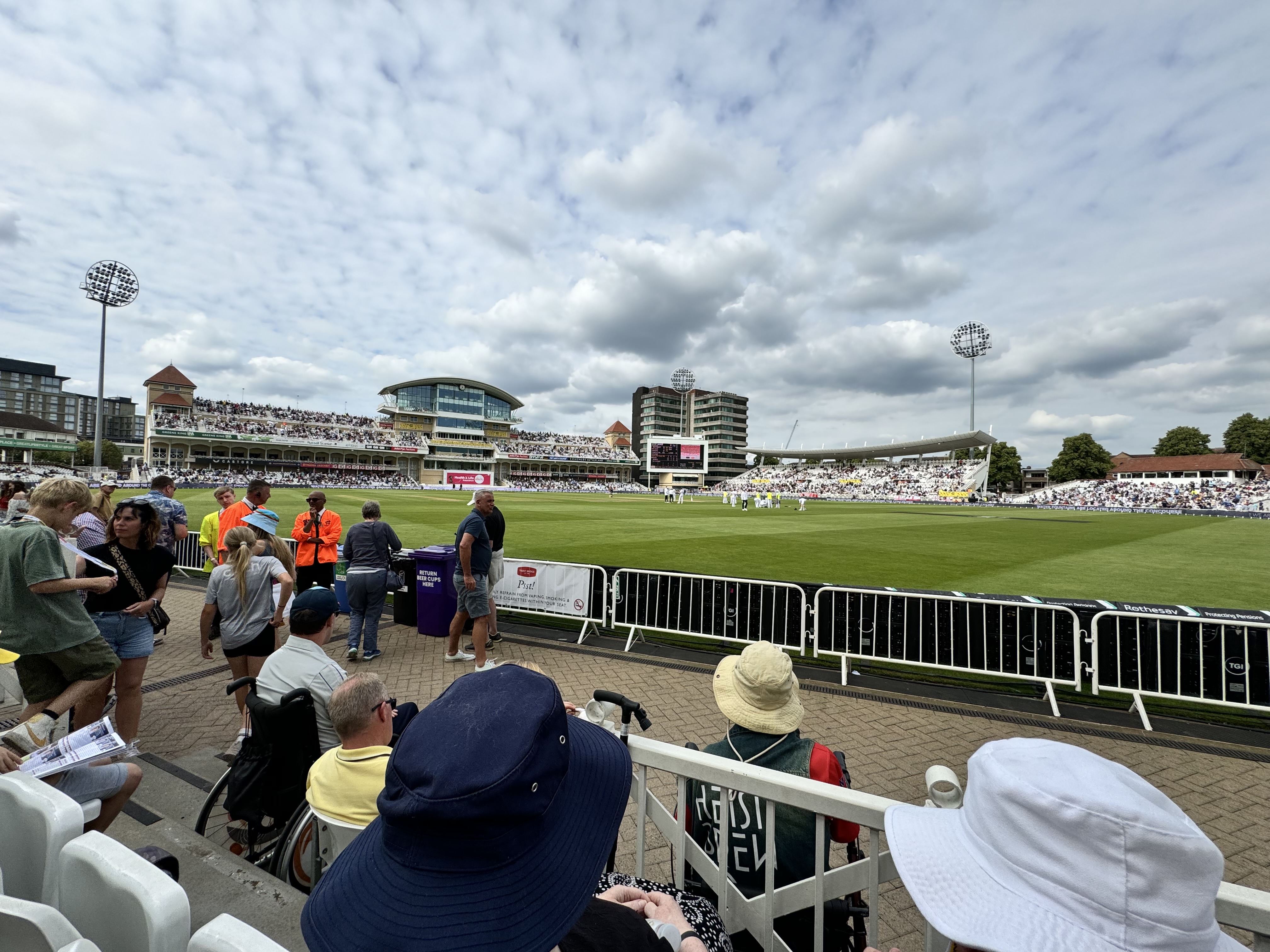
The main reason for coming here was to watch the England men’s cricket team play in the Test match against the West Indies at Trent Bridge, my favourite cricket ground in the country. Mum and I had tickets for the fourth and fifth days of the match, and after England thrashed the tourists in the first Test at Lord’s – completing the victory an hour into the third day – we had our fingers crossed that the game would get that far.
Thankfully, the West Indies put up much more of a fight in this one and we made the two-hour journey from home on Sunday morning with the weather set fair and a finely poised cricket match in prospect.
The view from my seat at Trent Bridge for England v West Indies
In the end, we couldn’t really have asked for better! We saw Harry Brook complete his first Test century in a home match (his other four had been overseas), Joe Root reach not only 50 but then a hundred of his own (his 32nd Test century), Shoaib Bashir take a 5 wicket haul, and an England victory on Sunday evening. We will get a refund for the fifth day tickets, so we haven’t been left out of pocket.
Finding ourselves with a free day on Monday, mum and I went into Nottingham to explore. Nottingham has some interesting old buildings but I would describe it as rough around the edges. There is a lot of building work going on, but large areas seem almost to have been left to ruin. Centuries old architecture stands next to unsympathetic concrete monstrosities. It made me appreciate Norwich even more!
Here are a few things I’ve learned about Nottingham though:
Traffic lights: my word, there are a lot of traffic lights in Nottingham. The city seems to have a problem with queues of traffic, and from what I can see a lot of them would be eased if they didn’t have so many traffic lights. It makes sense, though, when I discovered that Nottingham is the birthplace of the traffic light. Engineer John Peake Knight adapted the signalling system used on the railways for the roads, although the first one was installed in London in 1868. Nottingham’s Radcliffe Road (which runs behind the cricket ground) was the first road in the world to be covered in tarmac.
Ibuprofen: at one point yesterday, mum asked me to go into a shop and buy her a couple of packets of ibuprofen. It wasn’t until I got back to the hotel and did some research that I discovered Nottingham is where this particular painkiller was invented. Dr Stewart Adams developed ibuprofen, in an effort to find an alternative to aspirin, while working in the laboratories of Boots Pure Drug Company Ltd in the 1960s. Jesse Boot took on his father John’s herbalist shop in Nottingham in the 1860s and transformed it into the famous Boots chain of chemists we know today.
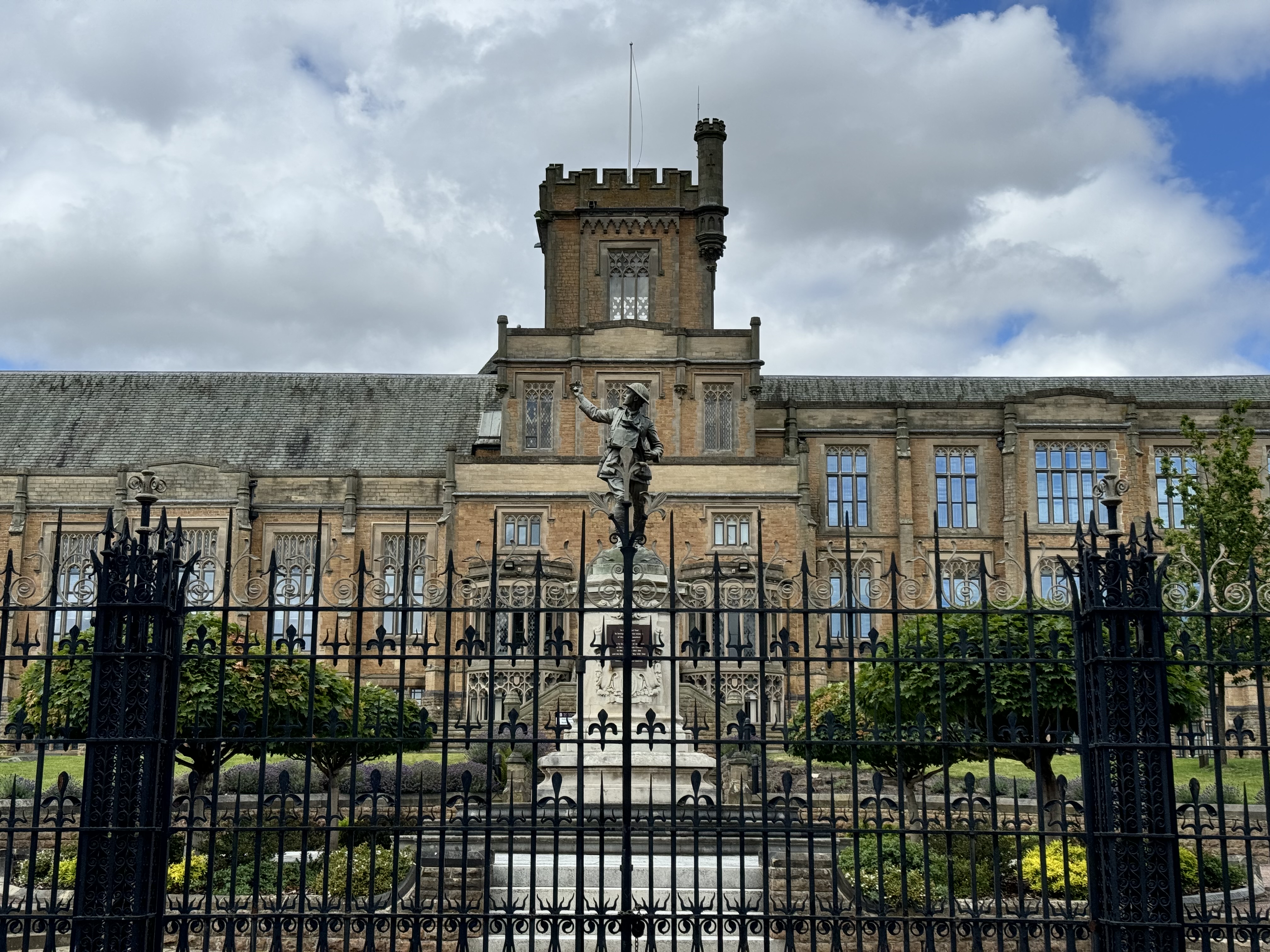
Nottingham High School: having made the effort to get to the top end of Nottingham Arboretum – the city’s first public park – we were greeted with the elegant building that is the fee-paying independent Nottingham High School. Looking into it, I discovered that Norwich-born former Labour MP Ed Balls went to the school, as well as the footballer Patrick ‘Barn Door’ Bamford, who had an unsuccessful loan spell at Norwich a few years ago. He now plays for Leeds.
So that’s the Nottingham leg of this holiday complete! Today we are off to explore Southwell (plenty of old buildings) before we reach our next stop in Lincoln later.
Thanks for reading, I’ll be back with some more in a couple of days. Here are a few photos.
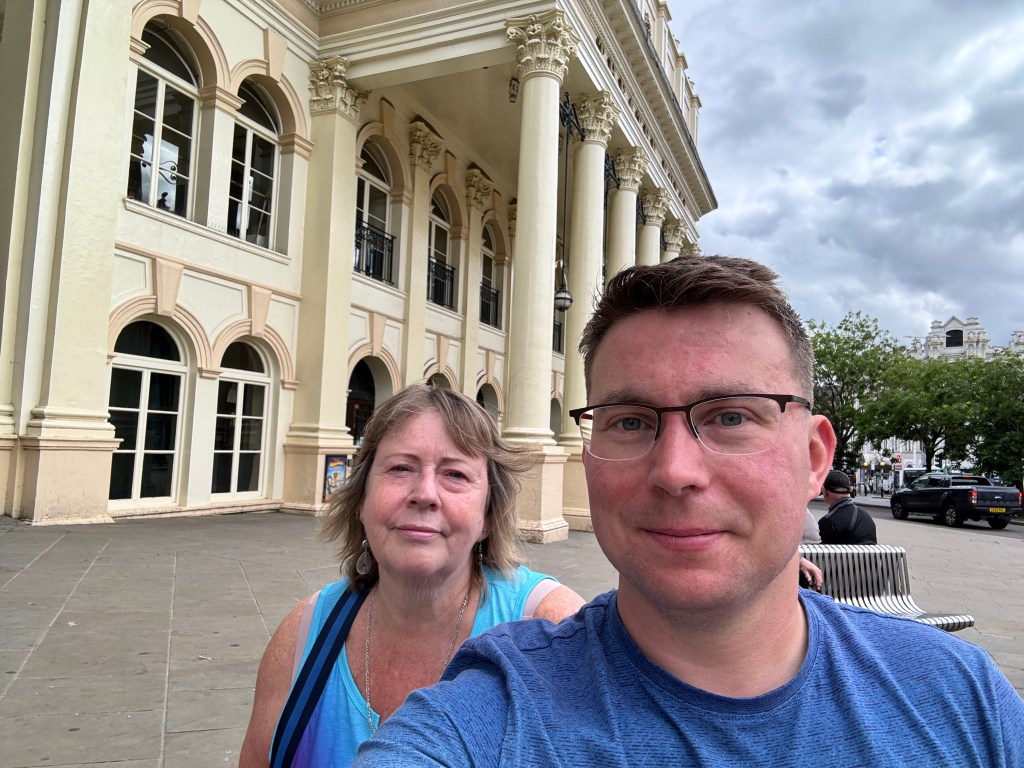
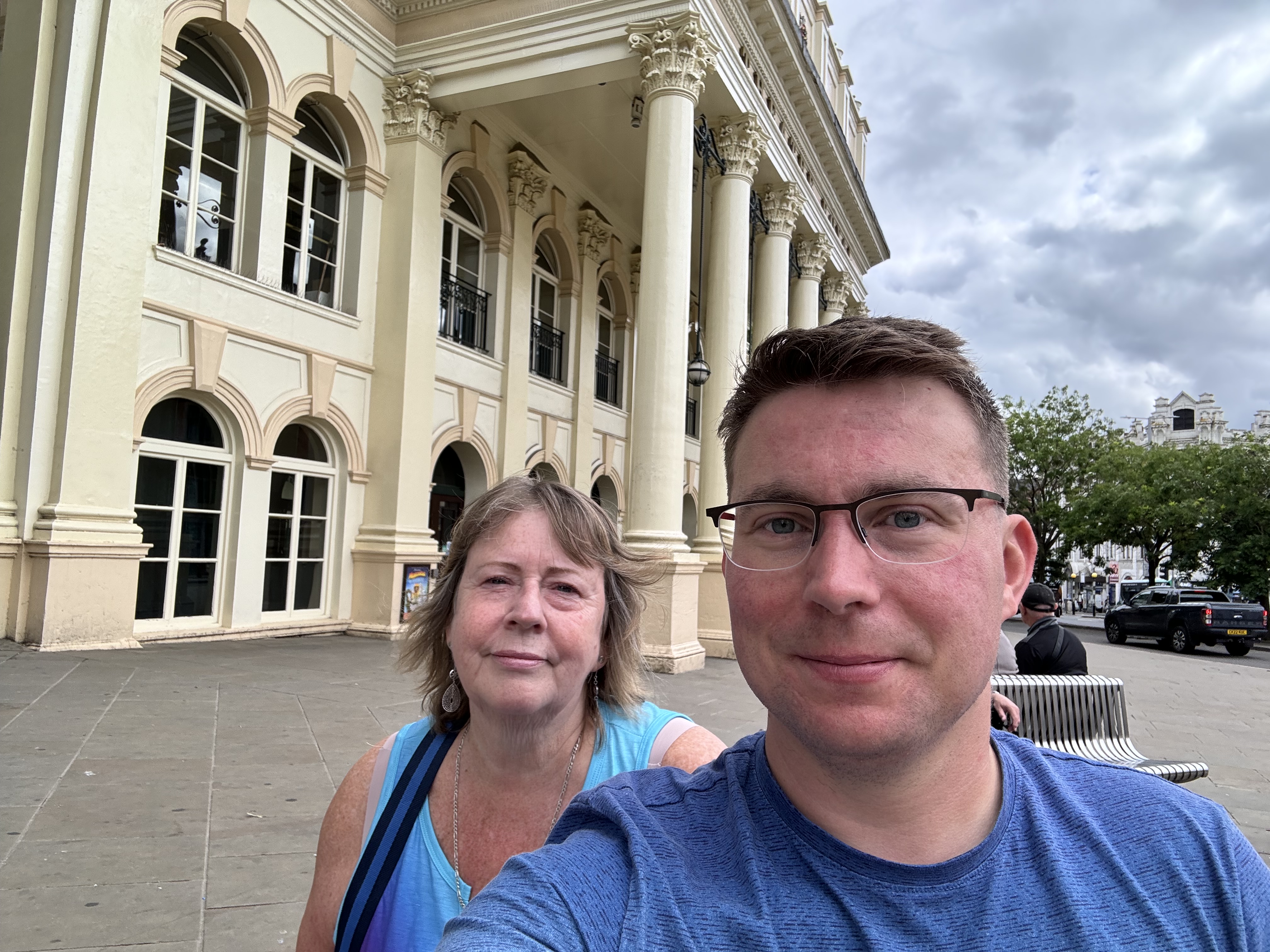
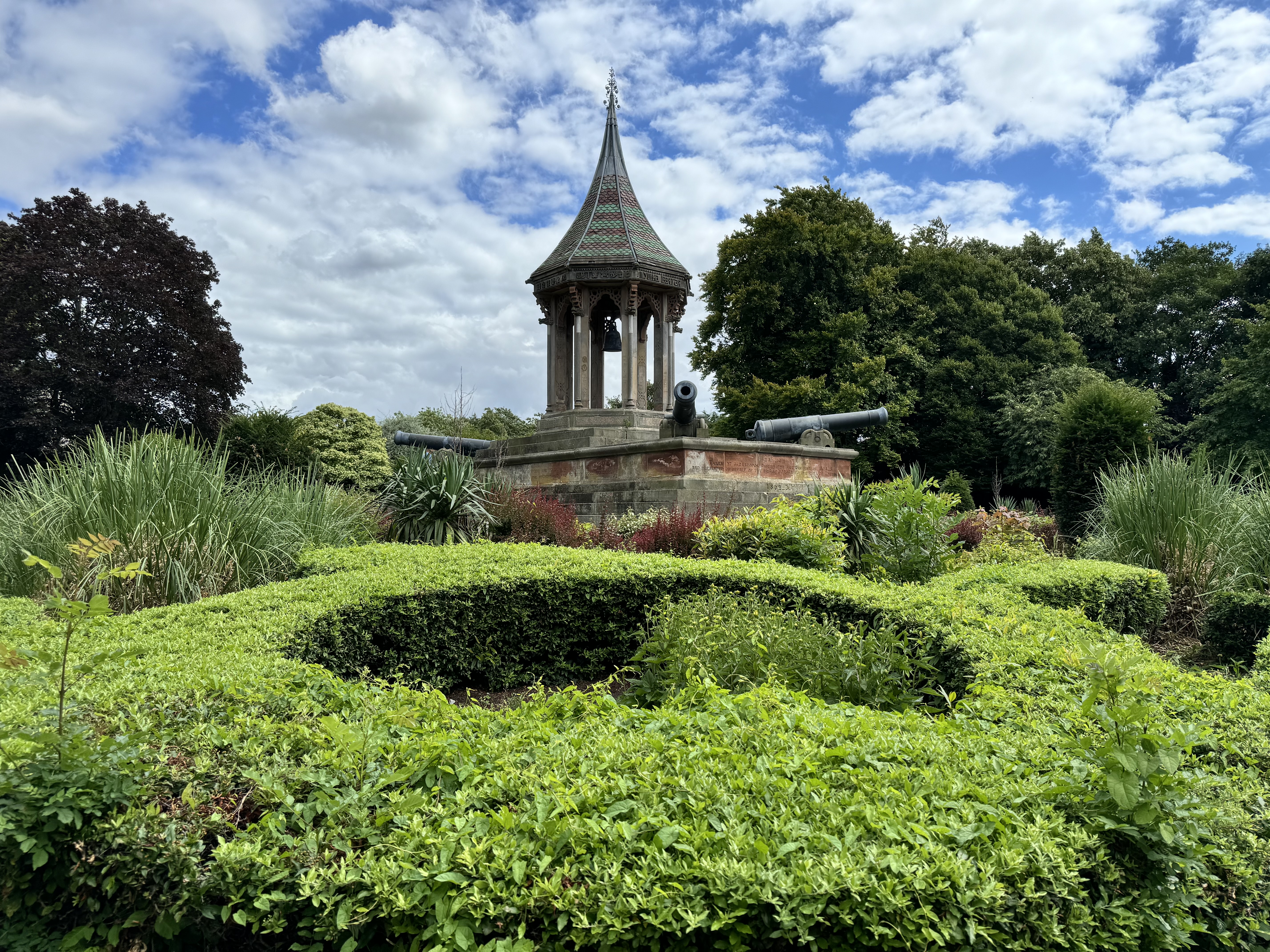
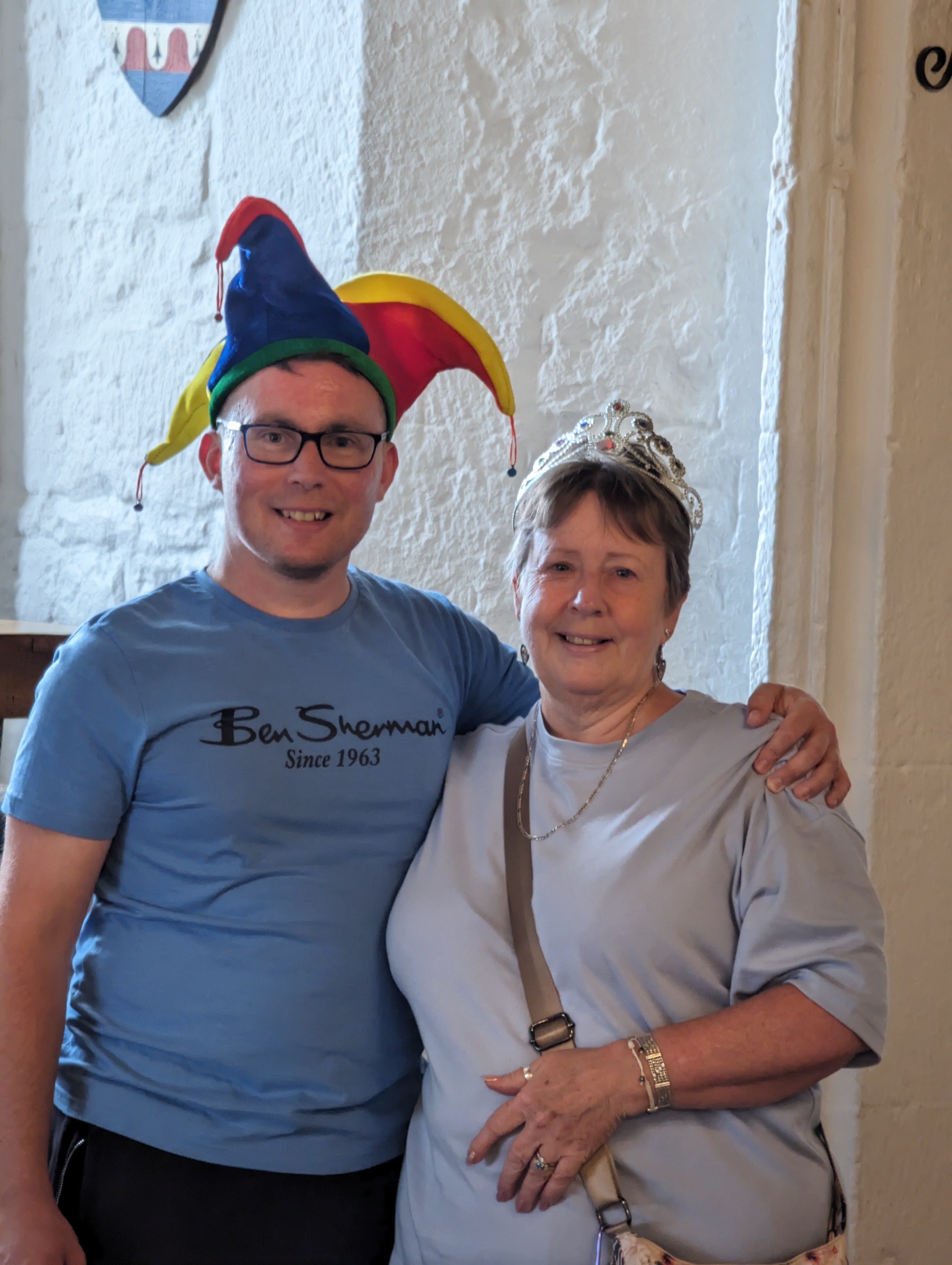
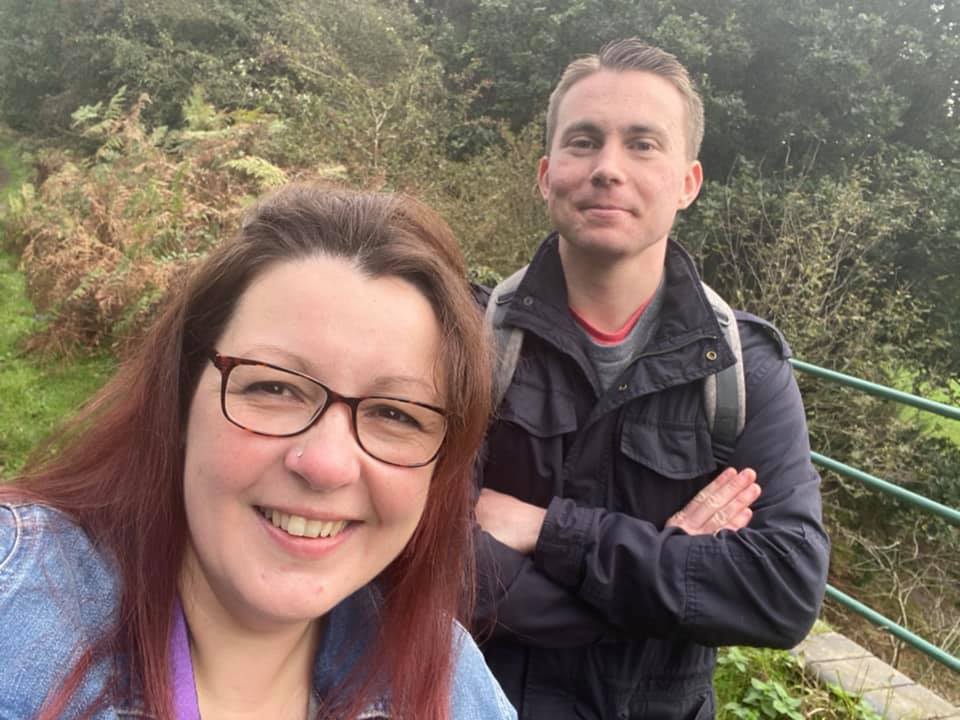
Mum and I outside the Theatre Royal in NottinghamThe Chinese Bell Tower in Nottingham ArboretumThe magnificent building of Nottingham High School, where Ed Balls and Patrick Bamford were educated
Here are the highlights of the cricket we saw at Trent Bridge on Sunday:
It’s what literally no one has been waiting for! Part 2 of my write-up of my holiday in Wales. If you haven’t read part 1, click here to get up to speed with Barry Island, Chepstow and Hopwood Park Services.
Day 3 – Wednesday 19th July
Wednesday was mum’s birthday, so the morning involved her opening her cards (I now have a five year streak of producing tears with mine) and presents (the Garmin fitness tracker, a joint gift from me and Dave, was well received). But we didn’t have much time for that, as we had to be on the train fairly early again. We were heading back into England – we were going to Bristol.
The trip to Bristol obviously involves crossing the River Severn again, and on the train it means going underneath it via the Severn Tunnel, not something that mum enjoyed. Anyway, it was quite a short journey and we arrived in one of England’s great cities.
I had never been to Bristol, but read and heard much about it. This was Brunel country, a big city that somehow doesn’t have a top flight football team, and also where a lot of scenes from my favourite sitcom Only Fools and Horses were filmed once it had become too popular to be shot in London. It was exciting to be able to tick off another metropolis.
Unfortunately, we had not planned for our visit to Bristol beyond buying the train tickets, and so on arrival we had no idea where we going or what we were going to do. We walked away from the enormous Temple Meads station and, as it turned out, went the wrong way and ended up in a rough part of town.
Temple Meads station in Bristol
Mum said she wanted a coffee, so I used my phone to find us a place with good reviews not far away. We discovered that this place, Bakehouse, was on an industrial estate. The coffee was ok, the food looked nice but went untried due to how expensive it was, and we found ourselves in the bizarre situation of sitting on a picnic bench amongst industrial units. Only two days before we had been enjoying the spectacular views on Barry Island.
We resolved to find the city centre, and eventually managed it. We went into a few shops and had a nice lunch in a café, but we never saw any of Bristol’s great sights. We didn’t see the SS Great Britain, we didn’t see the Clifton Suspension Bridge, and I didn’t tick off any more sporting venues such as Ashton Gate, the Memorial Stadium or the County Ground. We went to catch the train feeling like we hadn’t really ‘done’ Bristol, and I feel like I need to return at some point.
Day 4 – Thursday 20th July
There was a train strike on Thursday, so we spent the day off the rails, as it were. We walked to Caldicot Castle, not far from our apartment, and were very pleasantly surprised by the experience. It was free to get in, which was unexpected, and there are so many little nooks and crannies of this historic site to explore. A Grade I listed building, most of what we can see today was built somewhere around 1170 and restored in that confident Victorian way by a man called Joseph Richard Cobb, who made it his family home.
What really interested me was the fact that the castle was used to house families who had been bombed out during the Second World War. Down one very narrow corridor was a bath that would have been used by people living there in the 1940s.
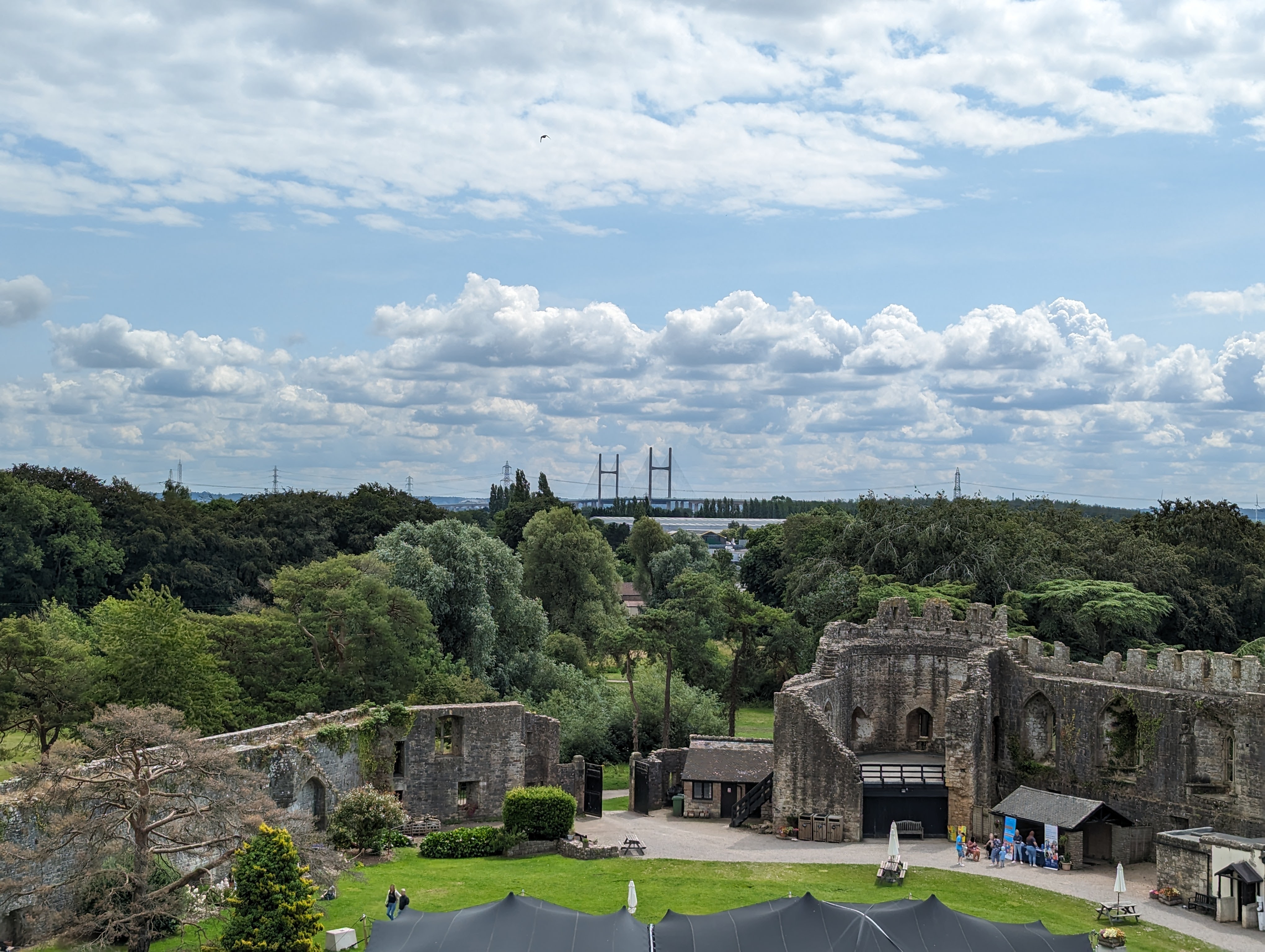
Extensive helical staircases would take us down to the basement, where a grate allowed us to peer into the darkness of the dungeons, and up to the top of the tower, where we enjoyed wonderful views over the Severn Estuary – very much a photo opportunity.
The view from the top of Caldicot Castle, with the Severn Bridge in the background
We enjoyed a snack and a drink from the castle’s tea room before we left. A truly wonderful place, a fantastic thing for the locals to have on their doorstep. The field next to the castle is used for concerts – Noel Gallagher’s High Flying Birds are performing there in August.
Day 5 – Friday 21st July
Our last full day in Wales. We had heard about a place called Dewstow Gardens & Grottoes, which was only about ten minutes away from the apartment by car, so we went there to take a look.
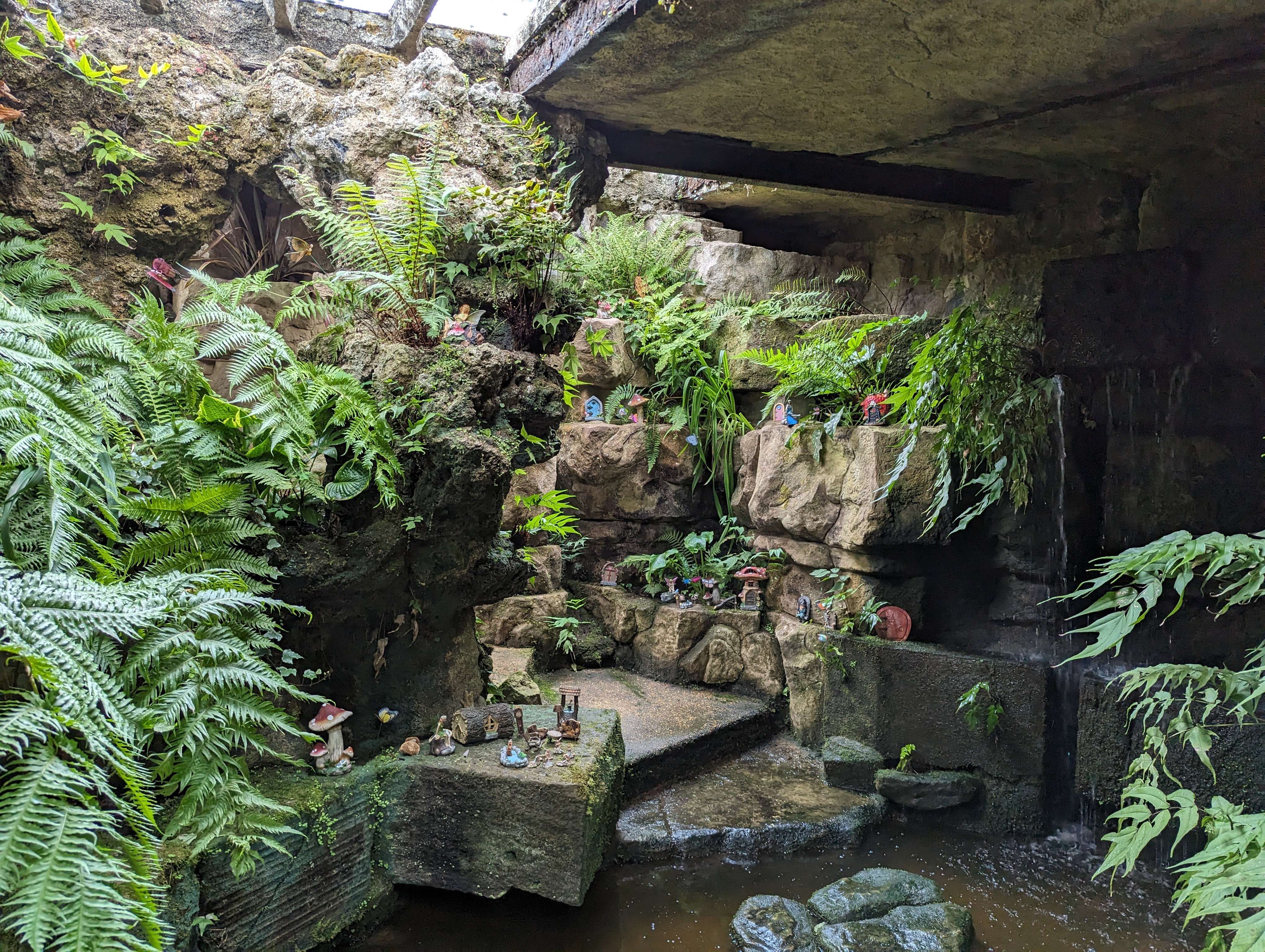
Honestly, if you are ever out that way you must go to Dewstow Gardens & Grottoes. The gardens at ground level are beautiful and incredibly well-maintained, with so many trees, plants and ponds to sit by and enjoy some peace and quiet. But it is when you go underground, into the network of tunnels that go through the stone, that your mind is truly blown. These grottoes are amazing spaces – they really are like stepping into another world.
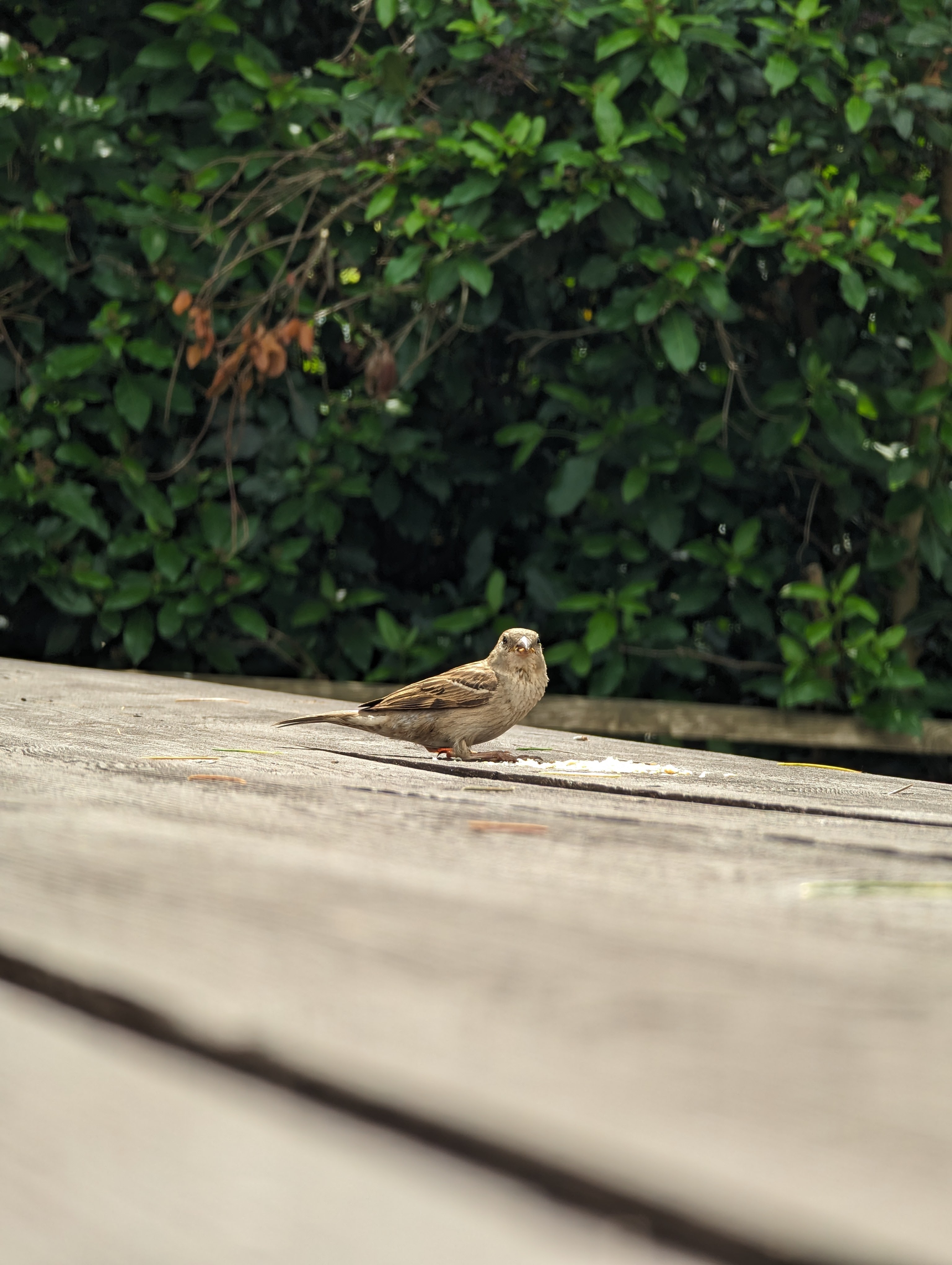
Even better, when I was enjoying a delicious sausage roll and slice of chocolate cake from the café, little birds like to sit on the tables and eat the crumbs that people have left behind. Look at this chap.
We didn’t really have a plan for what to do after we’d left Dewstow, and in an unexpected turn of events we ended up crossing back into England and stopping at Severn View Services. As the name suggests, this is where a short walk will give you the best possible view of the Severn Bridge.
Increasingly weary, next we found ourselves back in Chepstow, but with very little energy left in the tank we didn’t do anything other than visit a Wetherspoons for a meal. I had a pizza (and no, I’m not getting any thinner).
We were knackered, but content. We’d seen so many new places and done so much walking that we knew our holiday in Wales was one we would never forget.
Day 6 – Saturday 22nd July
Time to go home. With the forecast suggesting that a month’s worth of rain in one day would leave Wales looking something like Atlantis before long, we left as early as we could. I put my head down for a nap just after we’d crossed the bridge back into England, and when I woke up we were driving around the suburbs of Reading, which was a surprise as no part of our journey home should have involved the suburbs of Reading.
Apparently, they had said on the radio that there was traffic on the M25 at Slough. This was exactly the part of the M25 we needed to go on, so Dave had made the decision to try to avoid the M25. Well, to say this meant we went home the long way round is an understatement. We must be the only people ever to travel between Wales and Norfolk and stop for a wee at the Tesco in Amersham, Buckinghamshire. After we’d been there I swapped with mum and sat in the front seat to help guide us in the right direction. We took in Chesham, Hemel Hempstead and St Albans but eventually made it to the A14 near Cambridge and back to dear old Dereham.
If you’ve made it down this far, thank you very much for reading. Hopefully I’ve inspired you to go exploring. Whatever you do, make sure you visit Dewstow Gardens & Grottoes!
Those were the words of a 13-year-old Winston Churchill on a visit to Cromer back in 1888. Well, I’m pleased to report that I enjoyed my overnight stay in North Norfolk earlier this week a lot more than arguably the country’s most famous Prime Minister did.
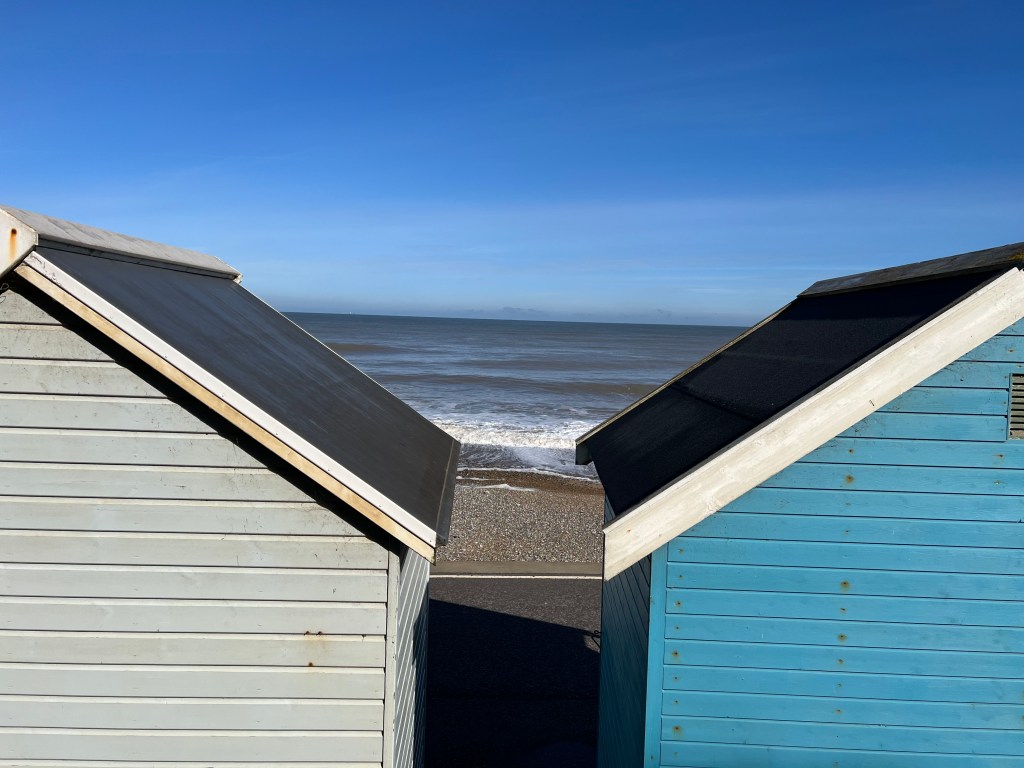
Cromer is less than an hour from home but that was fine by me. I had decided to book a hotel there because, during my holiday from work, I was keen to make the most of it. To get away, to have a change of scenery and get my head together. Sea air has long been recommended as beneficial to the mind and the body.
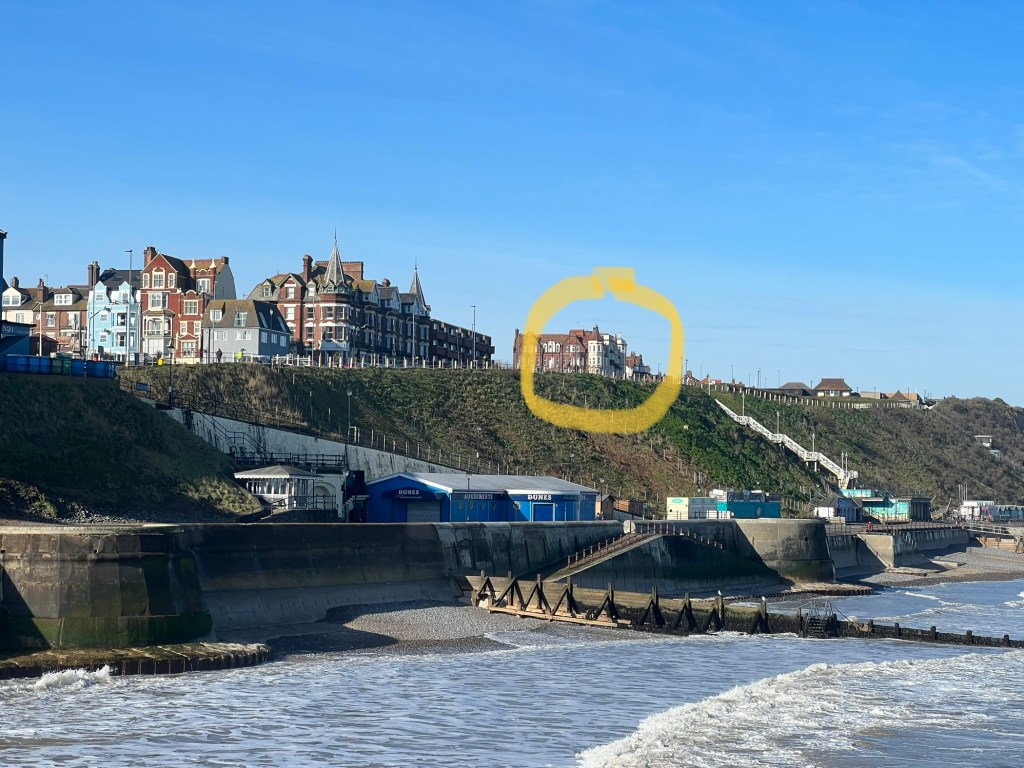
I had long been intrigued by the Cliftonville Hotel in the town, too. It stands rather imposingly, just up the road from the centre, overlooking the sea. I’m fascinated by old buildings and the Edwardian hotel looked impressive from the outside. So I booked a night at the Cliftonville. Like I said, I enjoyed myself. It had the desired effect. And I learned.
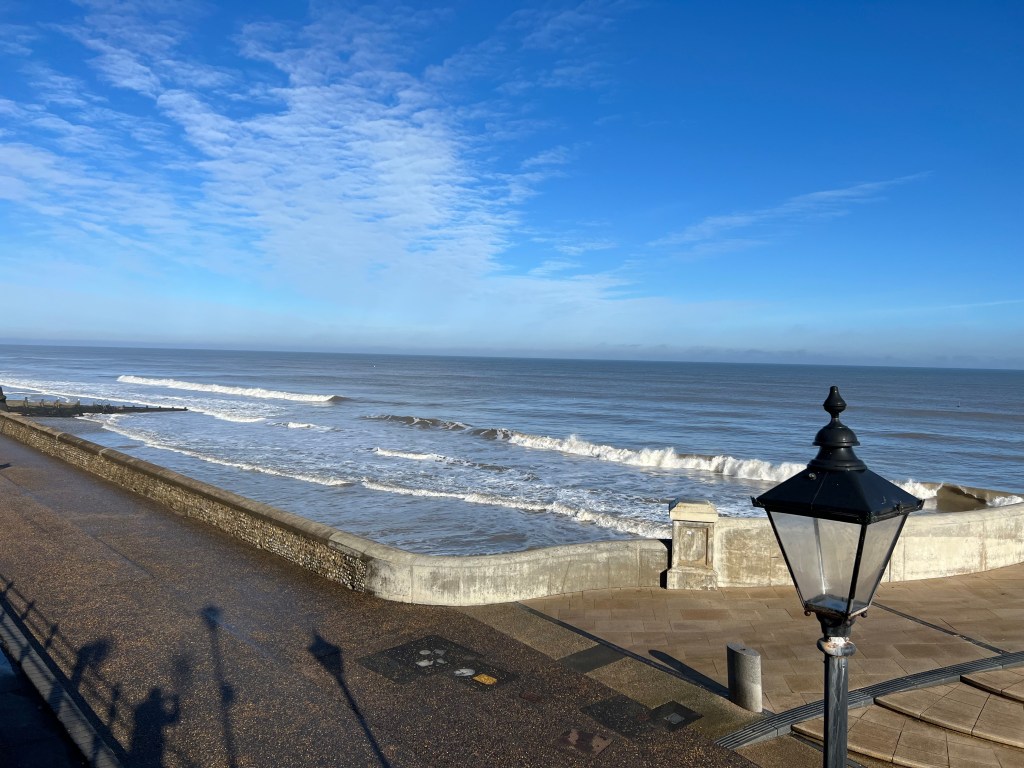
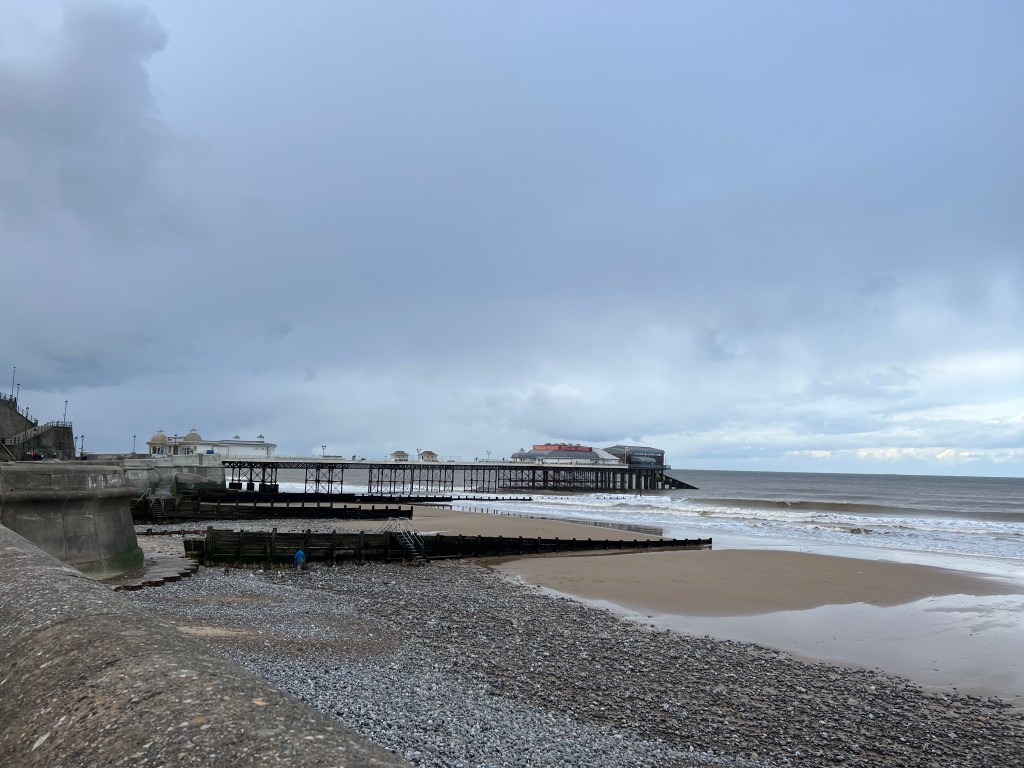
To be fair to the young Winston Churchill, the Cromer he visited in 1888 would have looked very different to the one I was in this week. He wouldn’t even have had the pier to marvel at – Cromer Pier as we know it today wasn’t built for another 12 years. But it says a lot about the sense of humour we have in dear old Norfolk that his less than glowing opinion of the town is set into the promonade, right in front of the pier.
If you’ve not looked into the history of Cromer before, it’s a fascinating story. The name does not appear until 1262, which given how old a lot of places in Norfolk are is basically last week. There was a village called Shipden near here, about a quarter of a mile from where the end of Cromer Pier is now, that was claimed by the sea hundreds of years ago. With the recent goings on in Hemsby, it just goes to show that some things never change. In 1888, coincidentally the same year as Churchill’s visit, a pleasure steamer crashed into the Shipden church tower which by then was just about reaching sea level. The passengers on the steamer were all rescued and no lives were lost, but when attempts to move the ship failed the decision was taken simply to blow it up, along with the church tower to ensure an incident like this wouldn’t happen again. About a hundred years later, a team of divers were able to find the wreck of the pleasure steamer as well as follow the streets of the old village along the seabed.
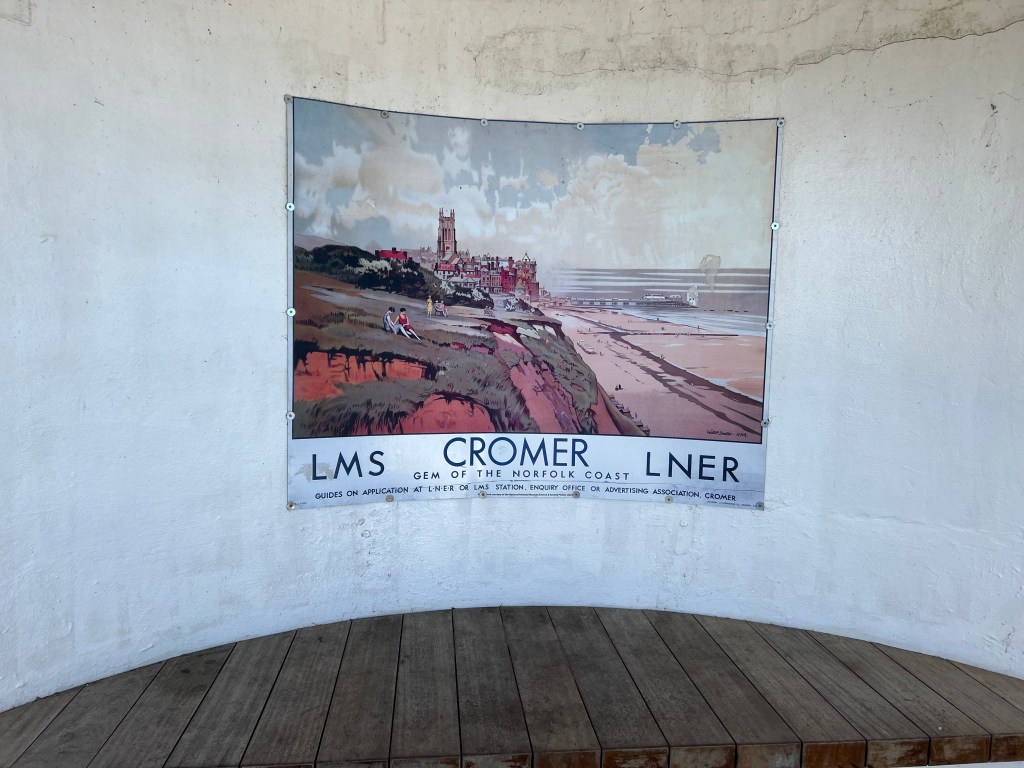
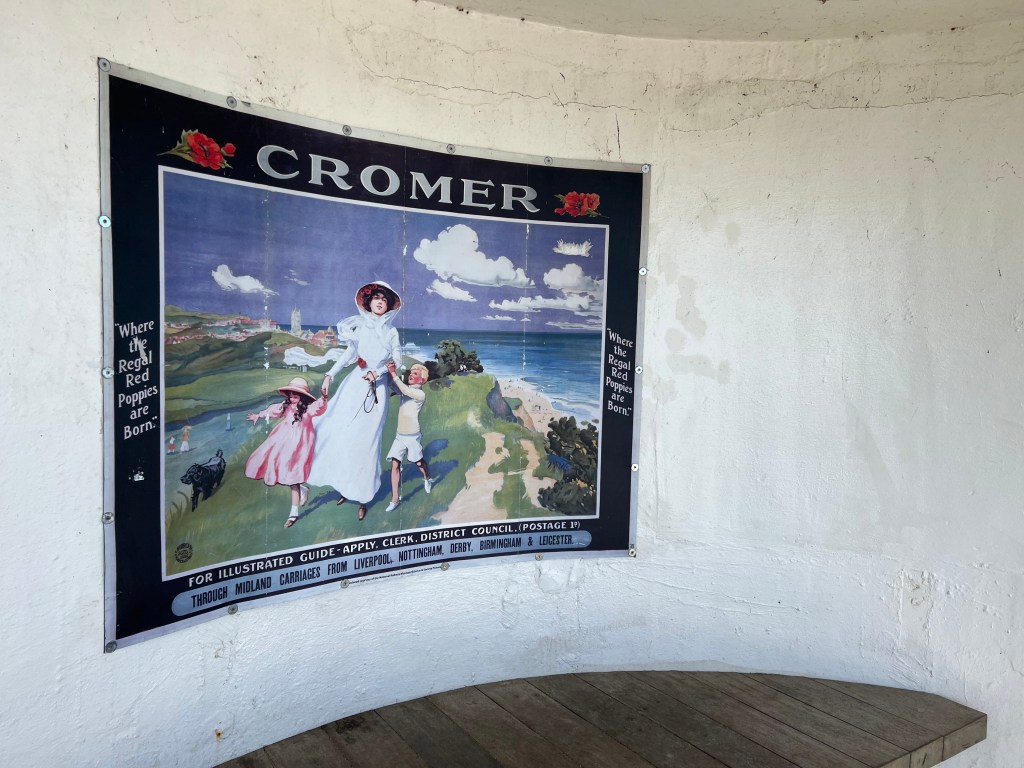
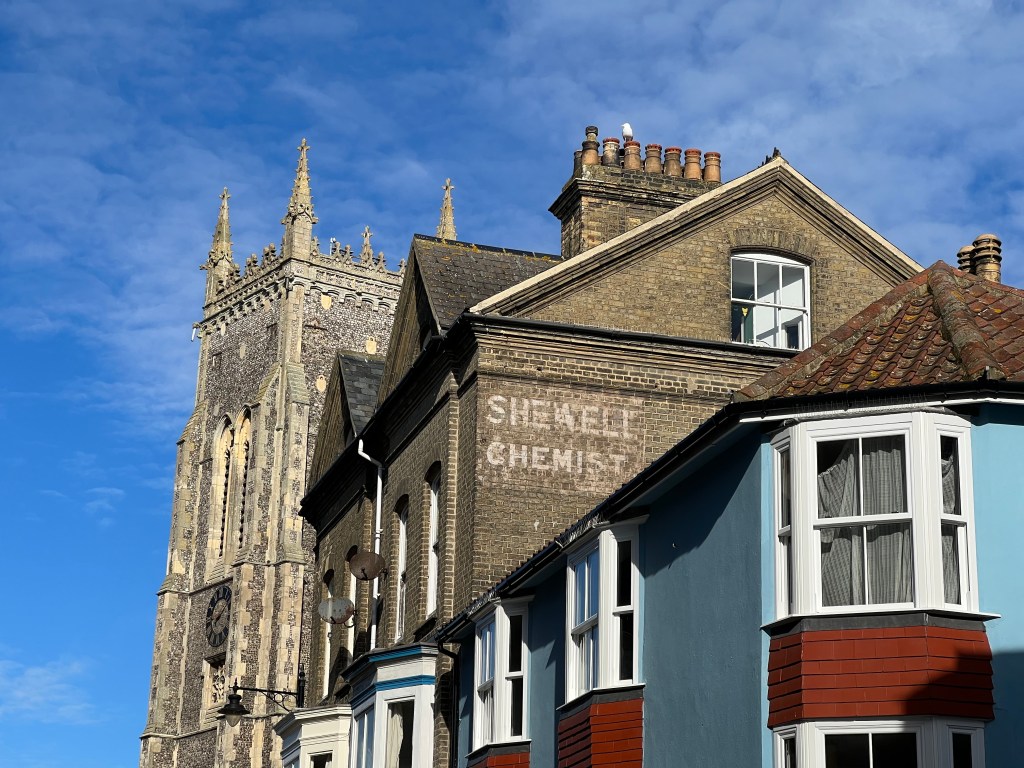
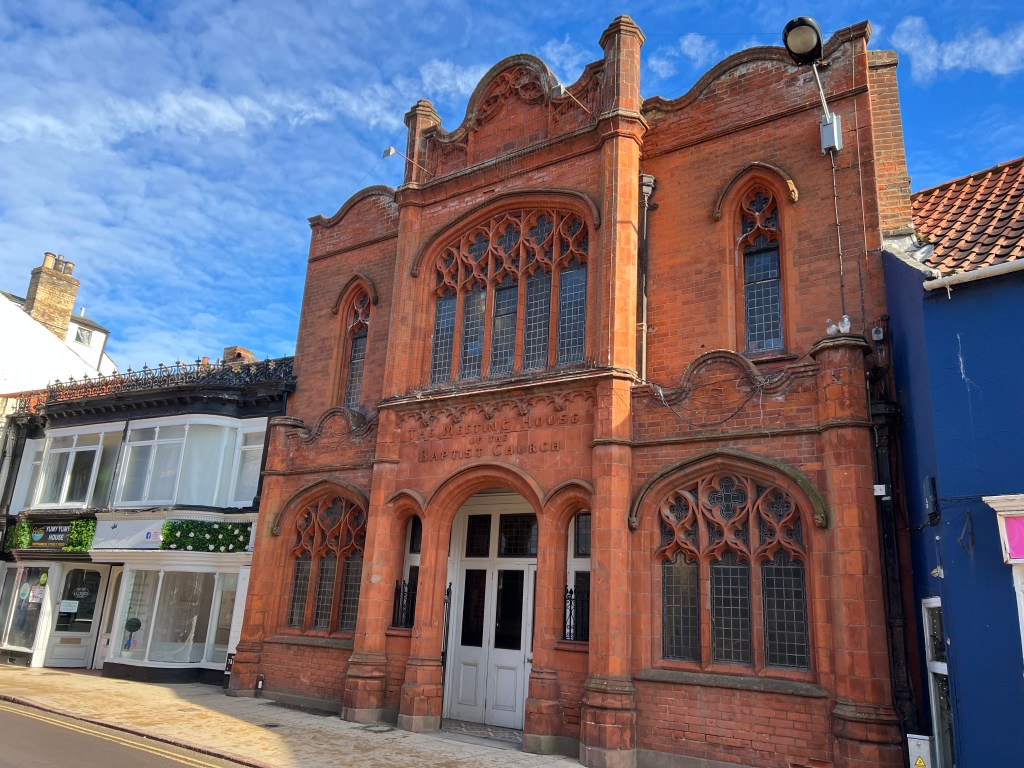
What we now call Cromer would once have been known as Shipden-juxta-Felbrigg, with the name Cromer in use by 1400. Right in the middle of the town is the substantial church of Saints Peter and Paul. There is evidence that at one point Cromer was a small place with a large but run-down church in the middle. Just as had happened in Mundesley – which I wrote about last week – the arrival of the railway to Cromer in the Victorian age helped it become a seaside resort. On my walks around the town while I was there, Cromer has a huge number of buildings that would have been built around this time. Take a look at this page from the Town Council for more on Cromer’s history.
As for my own trip, I arrived at the Cliftonville on Tuesday afternoon and was impressed from the moment I walked through the doors. It looked smart, it felt classy, and any fears I had that I was in for another London experience began to ease.
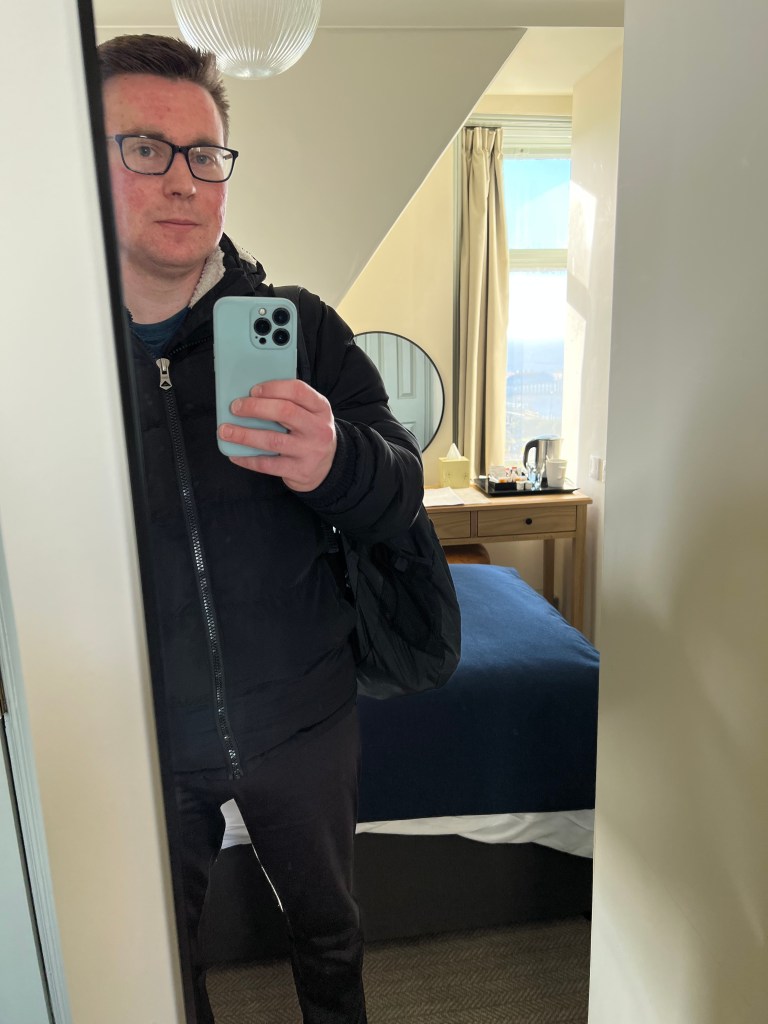
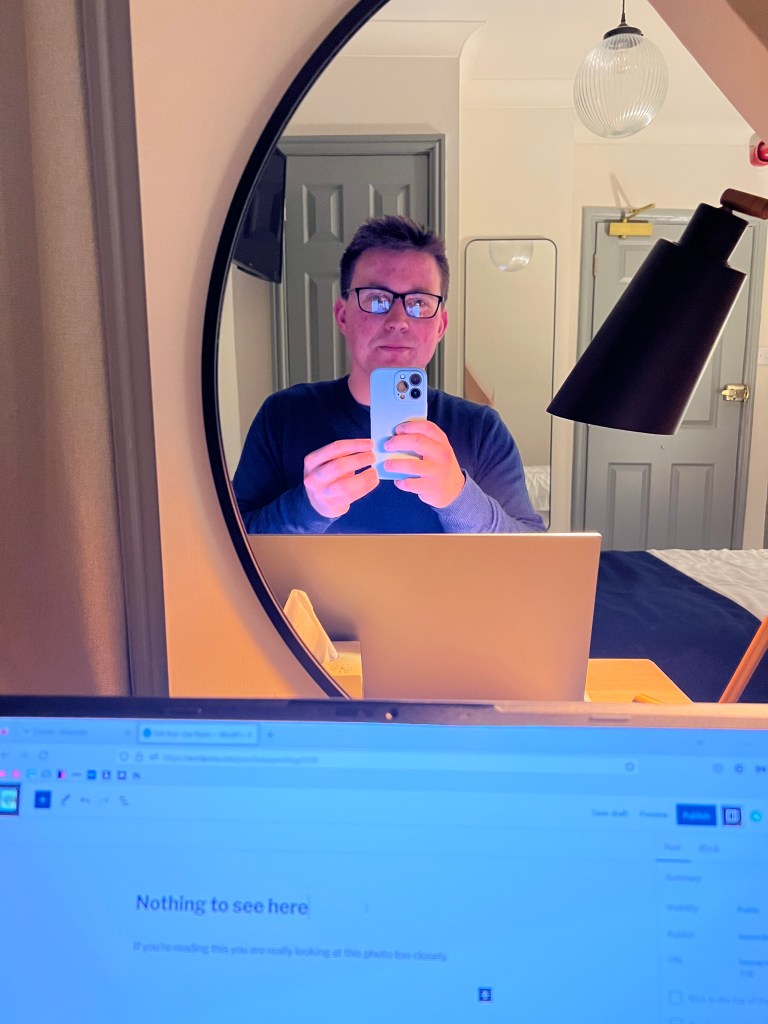
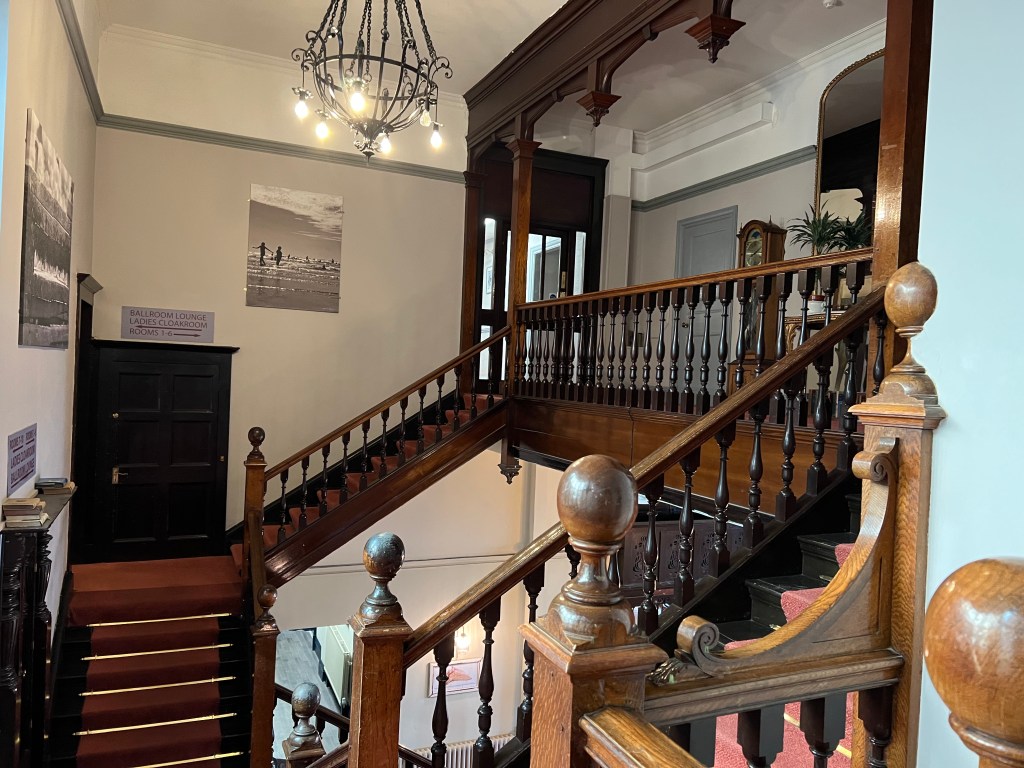
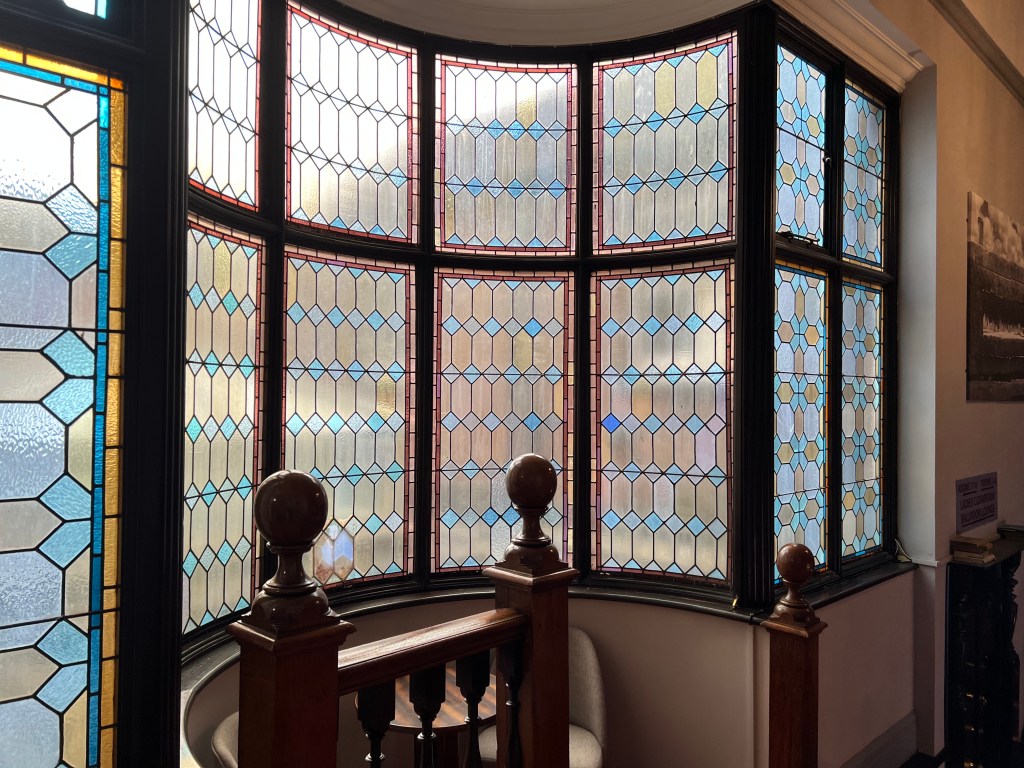
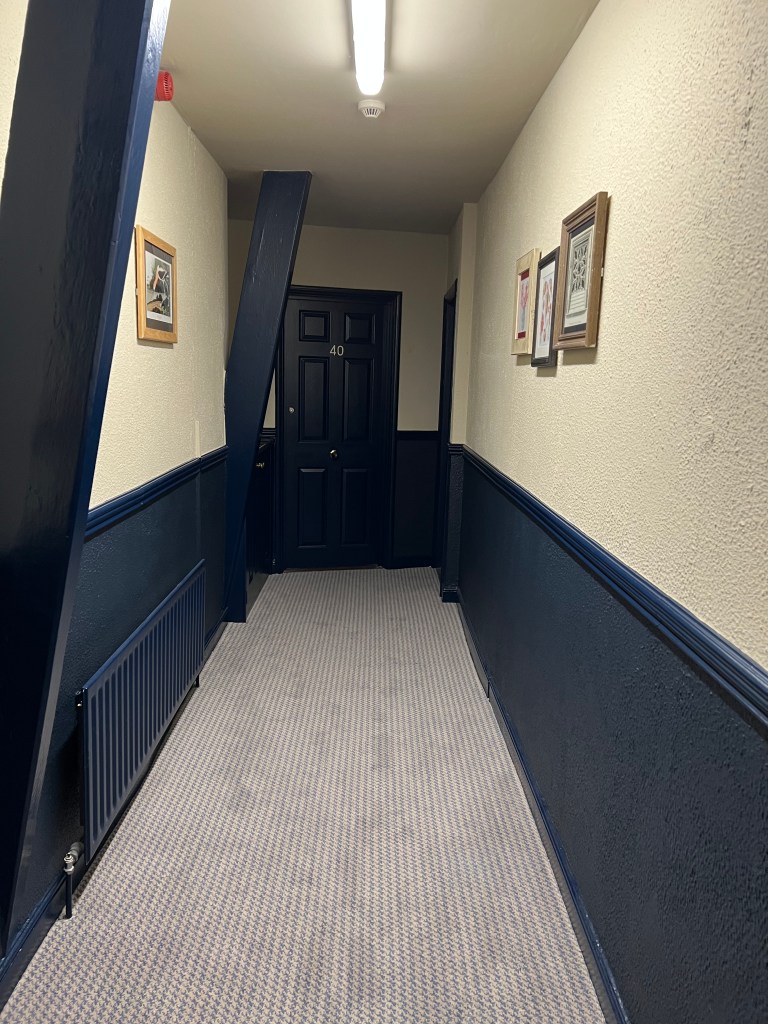
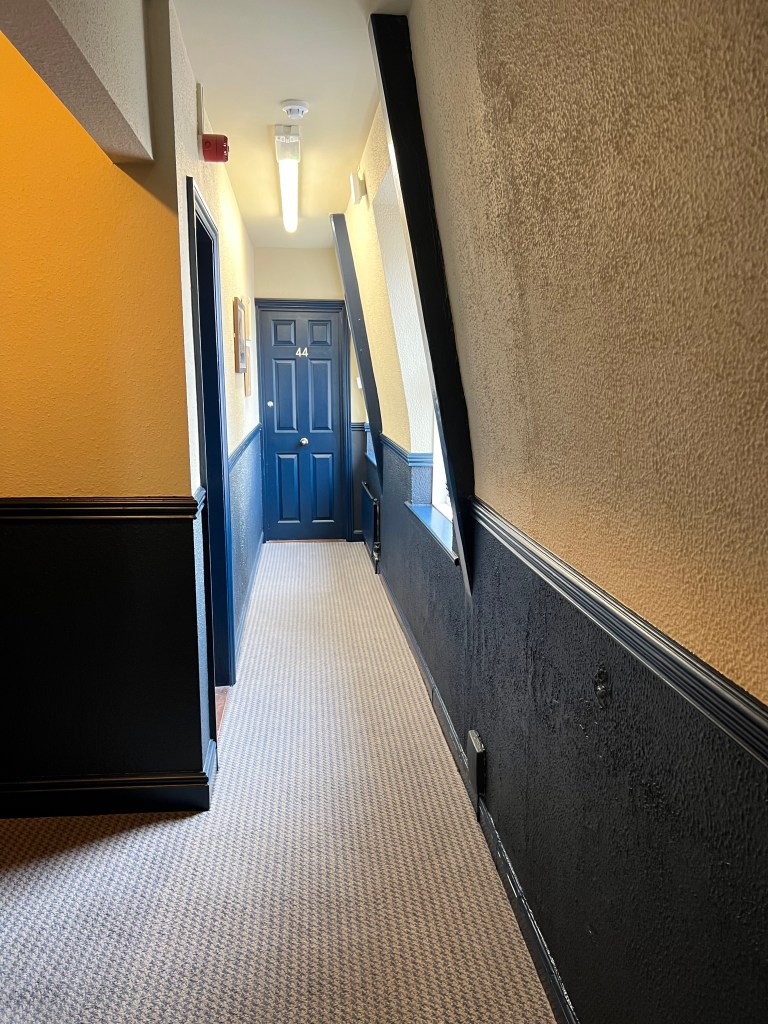
I was in room 42, on the third floor. There is a lift, but I loved the grand staircase so much that I never used it. The second floor is being refurbished – there were tiles leaning against walls in the corridor and the chatter of workers as you passed on the stairs – but you couldn’t hear any noise from my room. Room 42 was small, granted, but it didn’t feel claustrophobic. I had booked a single room, travelling alone as I was, and that meant a small room with a single bed. It’s a while since I’ve slept in a single bed. It was clear that this room, too, had been recently refurbished. Possibly within weeks. The room had a fairly strong smell of paint, probably from the work being done on the floor below. The room had been finished to a very high standard and was sympathetic to the architecture of the building. Thumbs up from me.
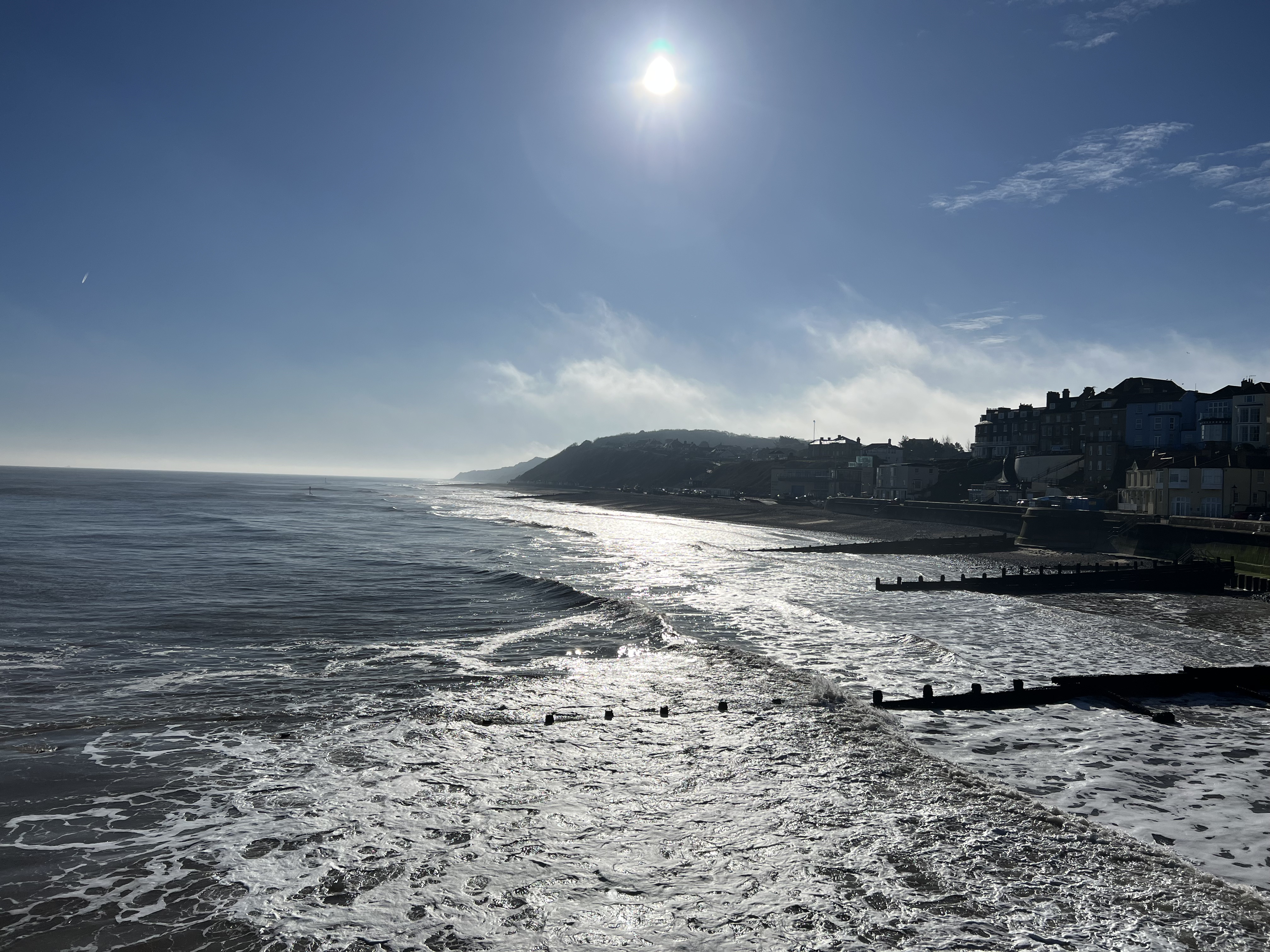
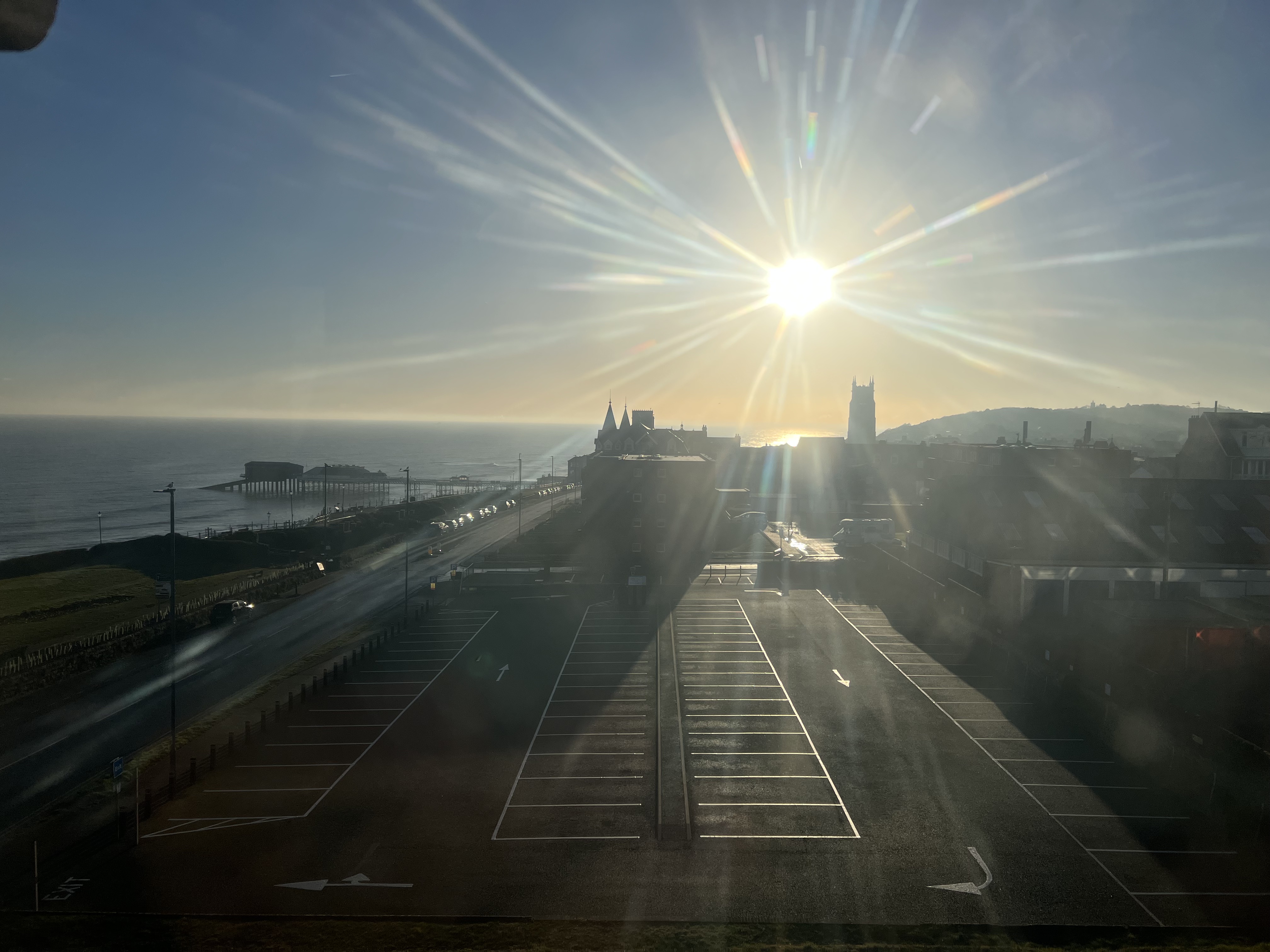
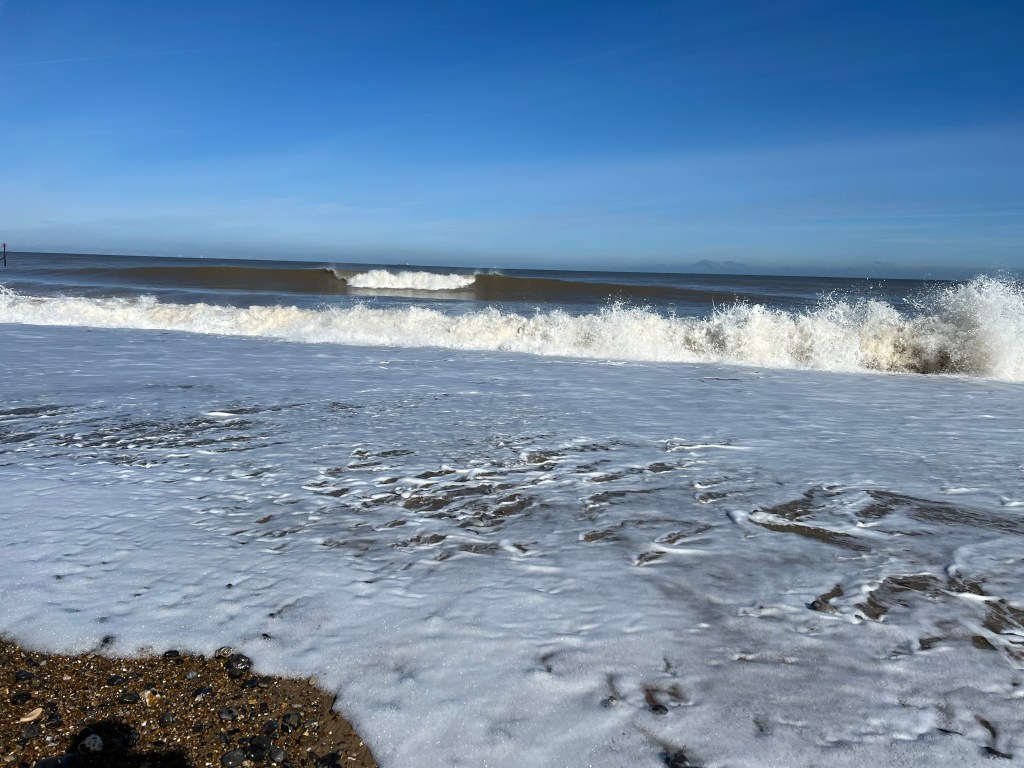
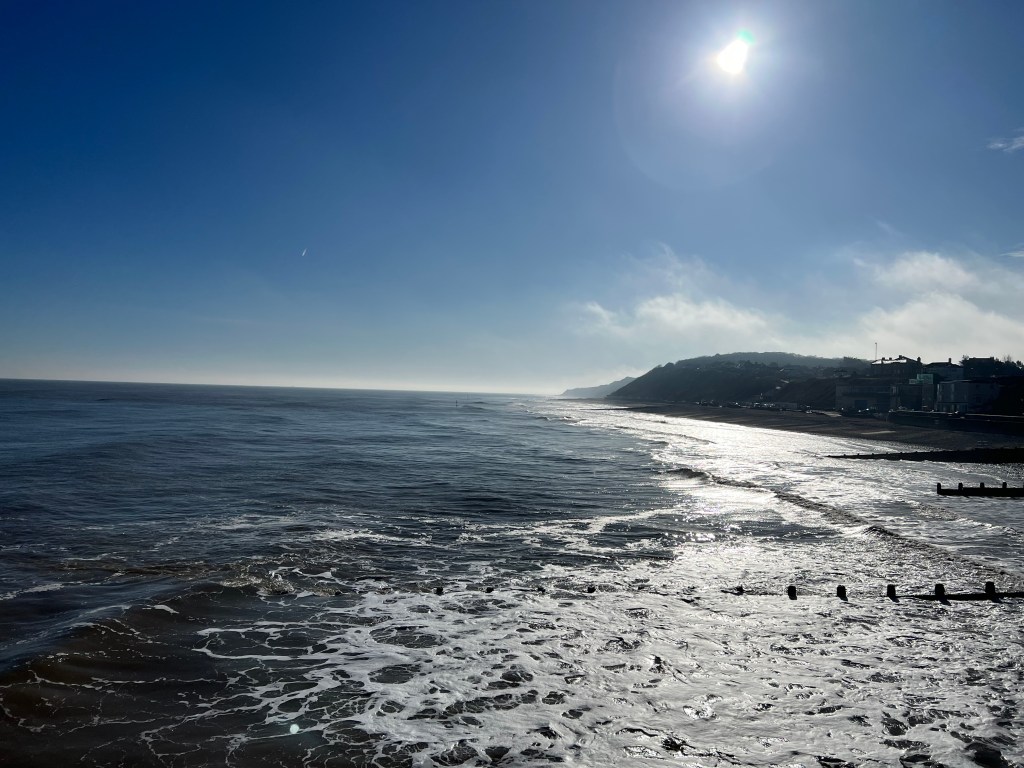
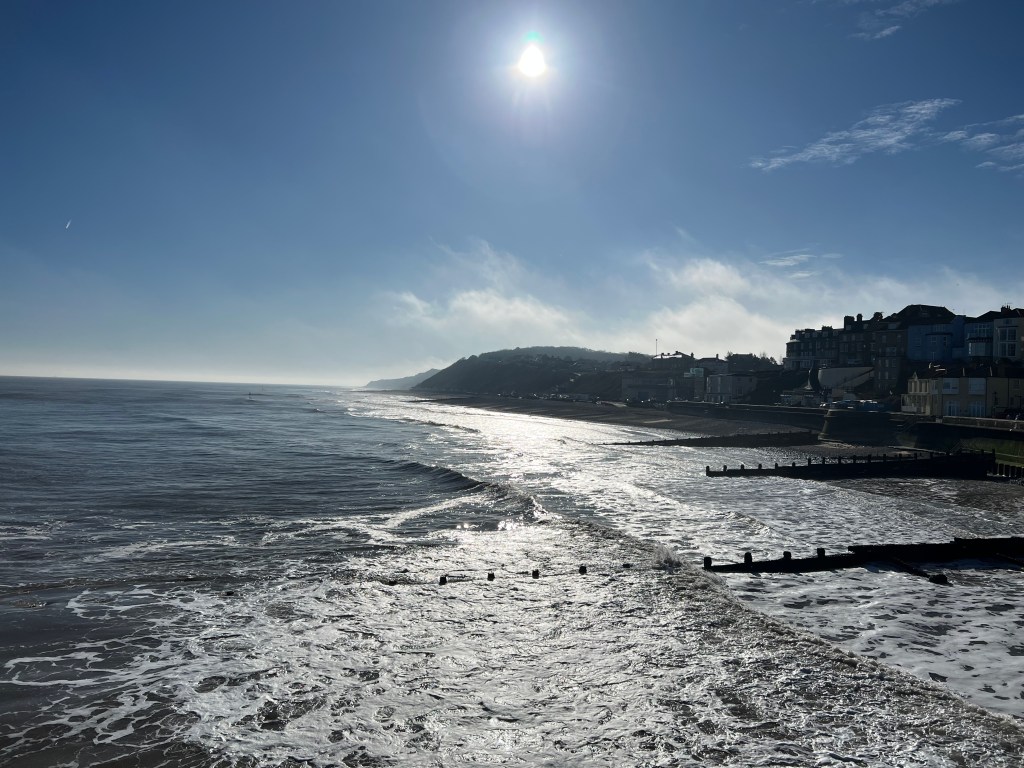
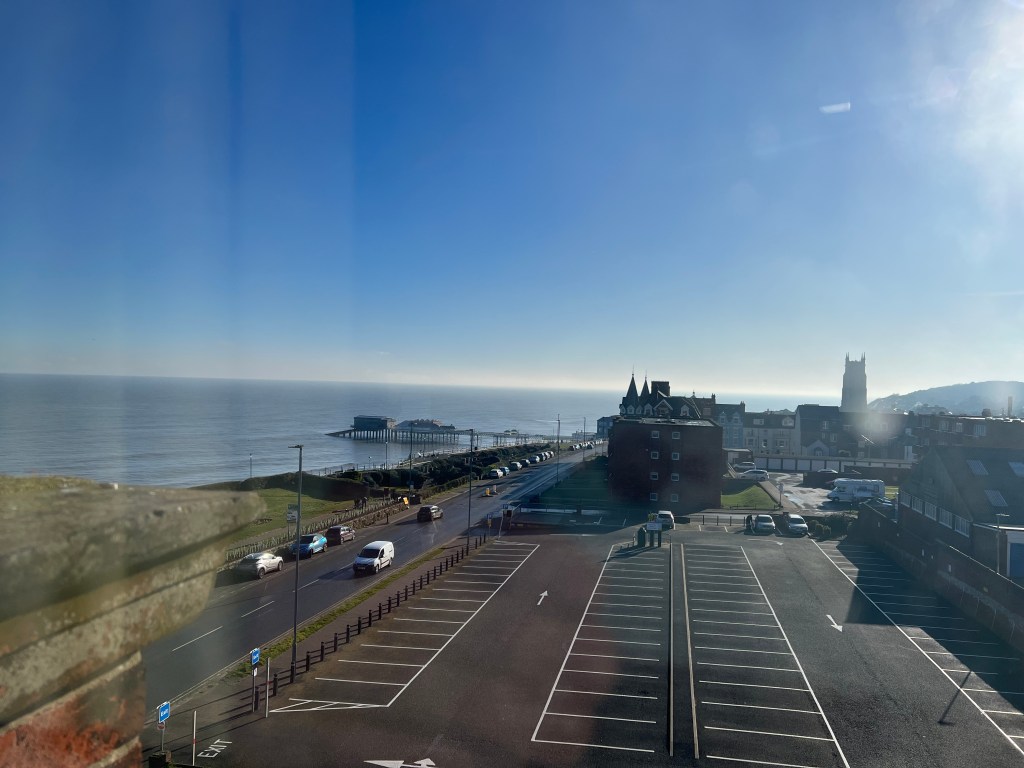
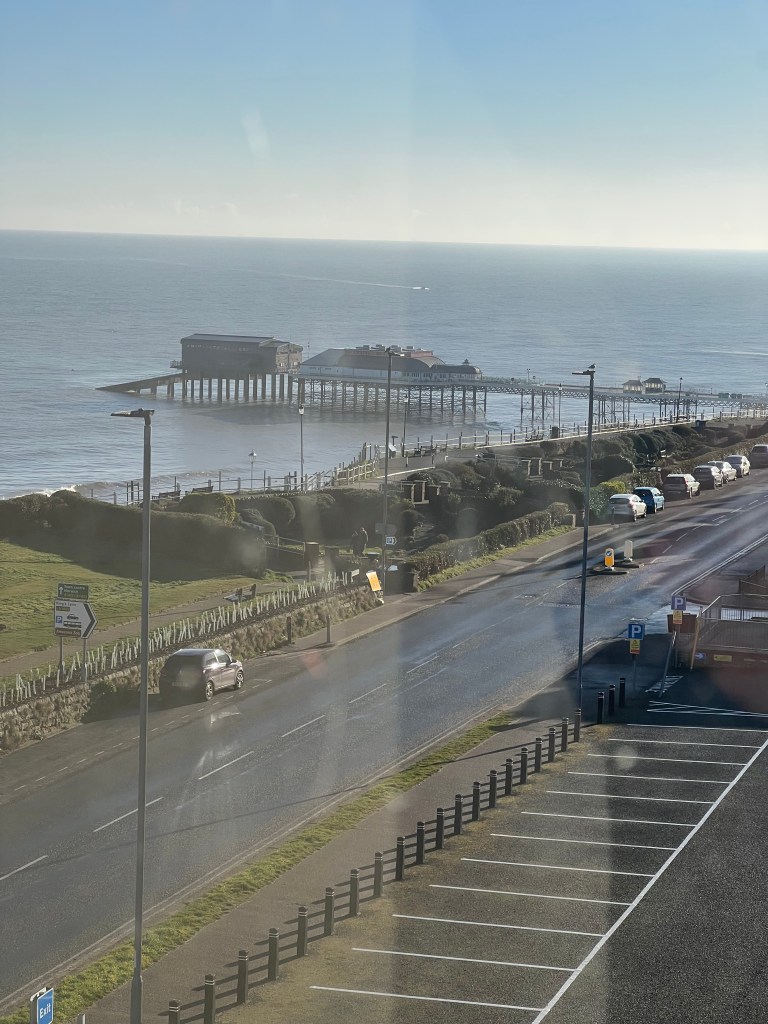
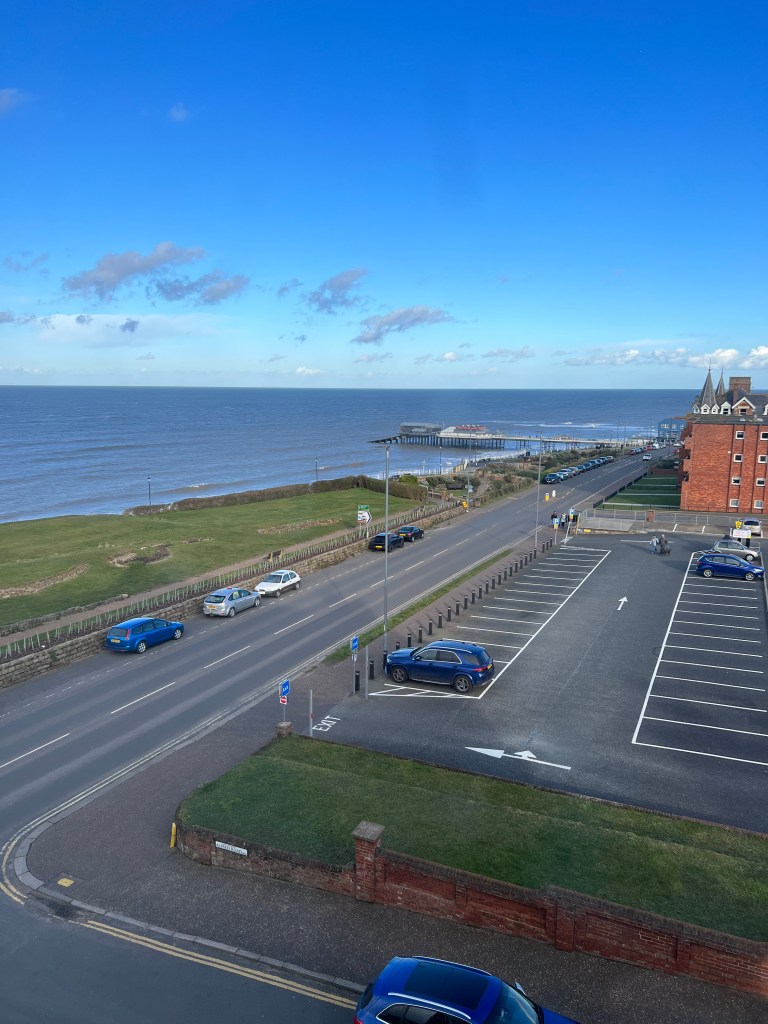
The hotel claims to have sea views from every room, and while mine was on the side rather than the front of the building, I got a stunning view of the pier and the town centre.
The morning view from my hotel room window
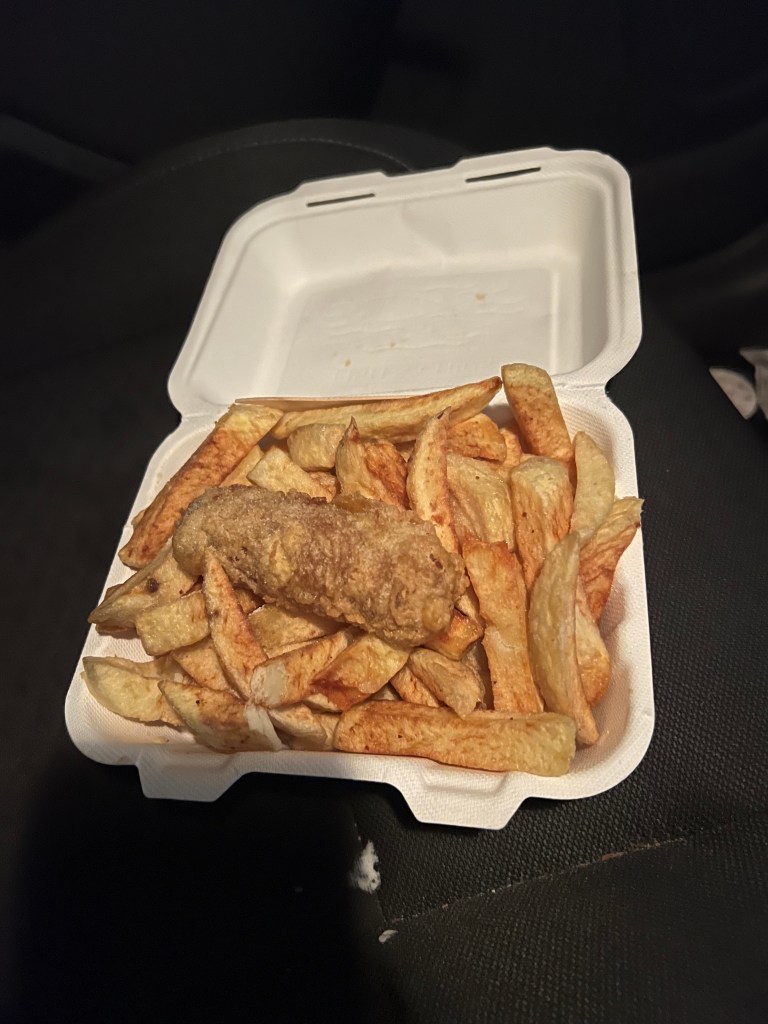
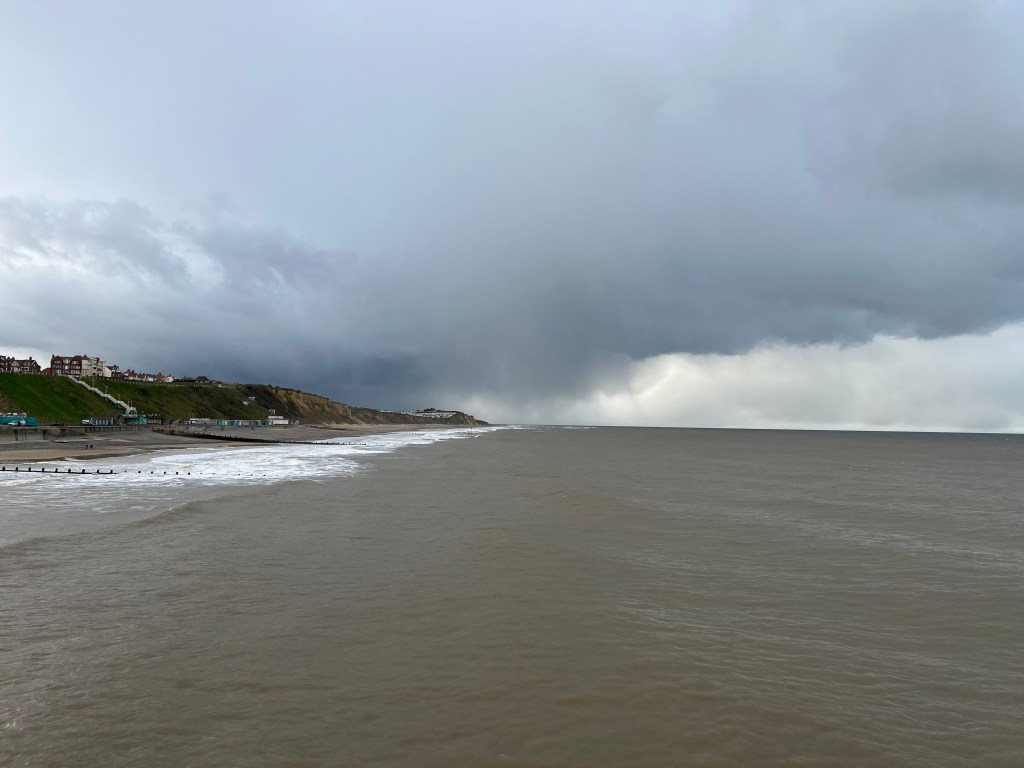
I headed out for a walk, to explore, and was on the pier when I saw the weather closing in. Soon, a mixture of rain and hail was coming down, as well as the odd rumble of thunder. I went back to the hotel to wait for it to pass. When it did, I went to the famous Mary Janes Fish & Chip Shop, but ended up eating my sausage and chips sitting in my car in the hotel car park as I didn’t want the room to stink of them and all the seats I could find outside were soaking wet.
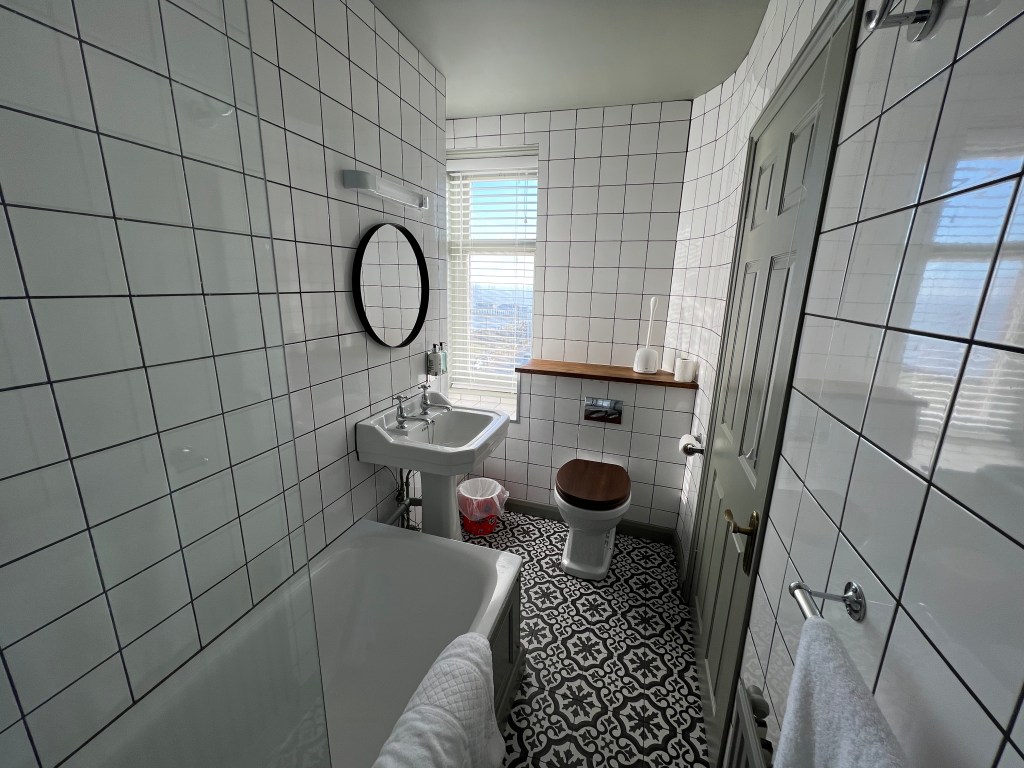
I decided to have a bath, since the facilities seemed so inviting, and went to bed reading Felix White’s book It’s Always Summer Somewherefeeling restful and content, apart from the brief moment I forgot I wasn’t in a double bed and promptly fell off the side.
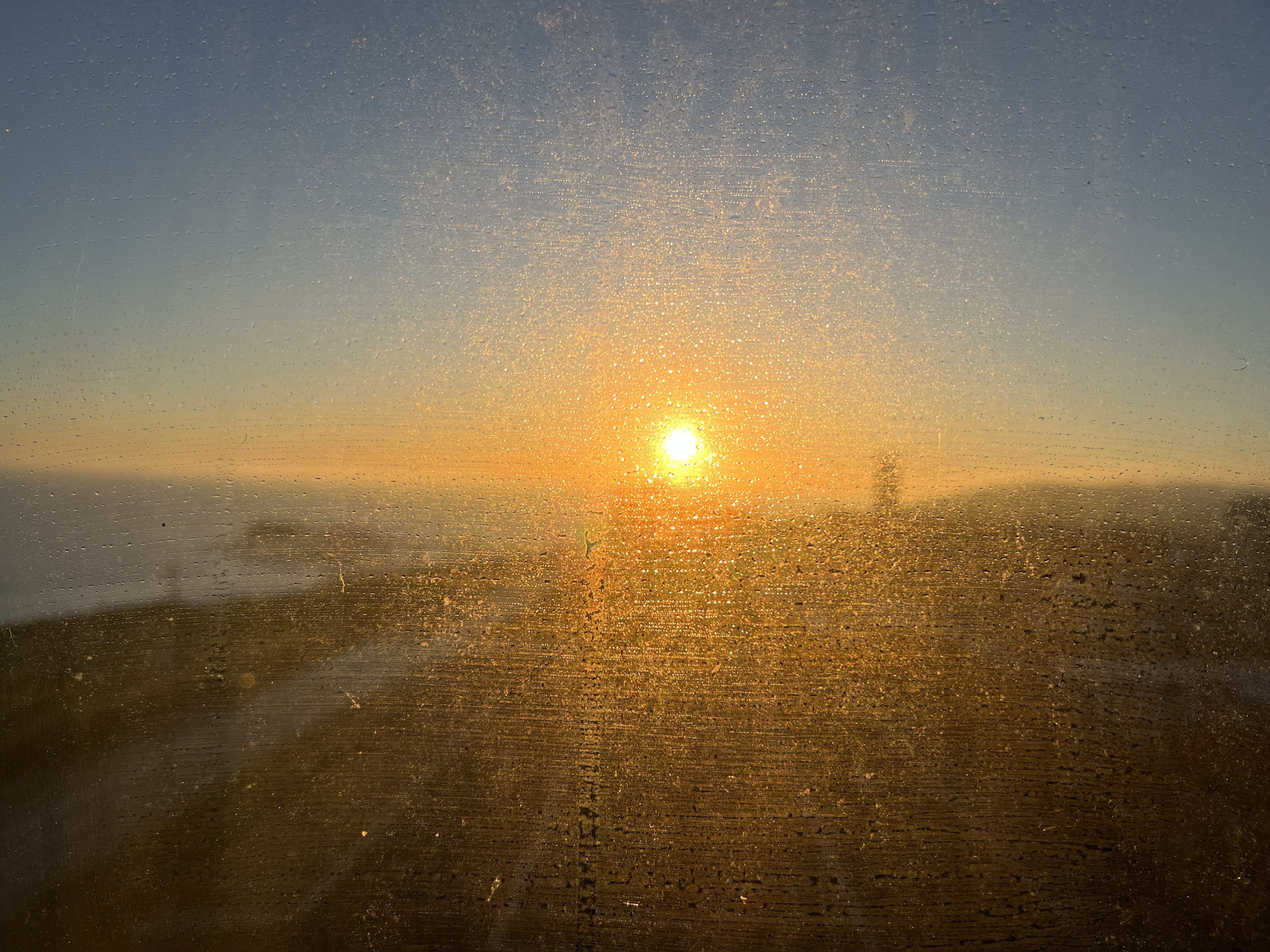
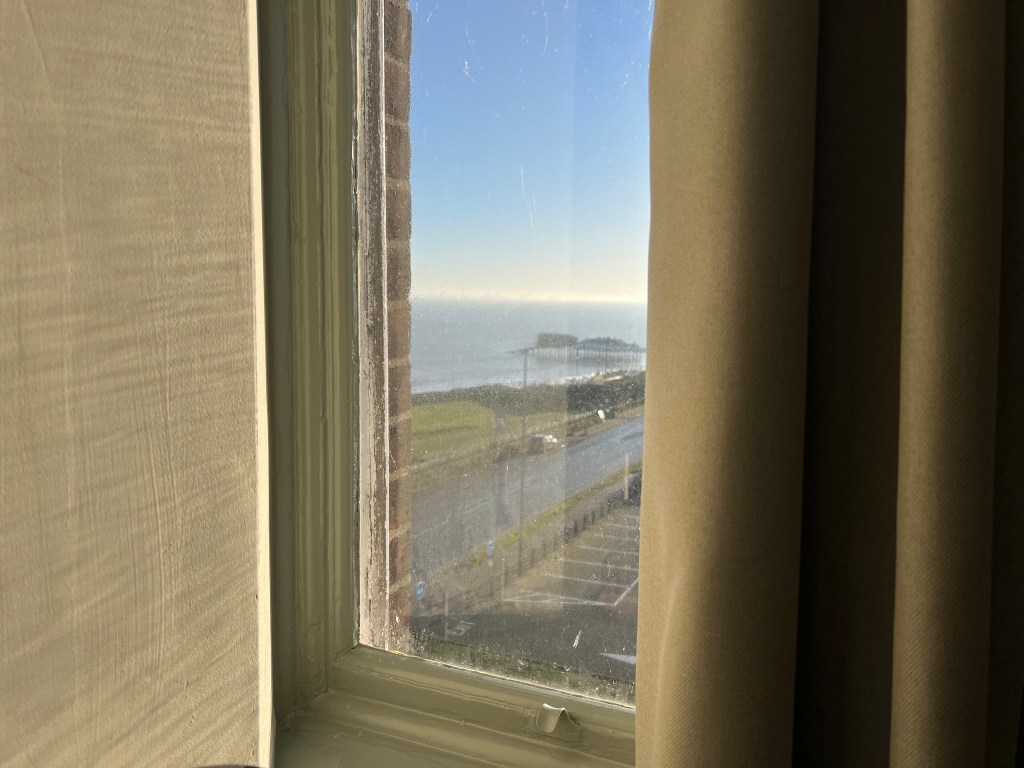
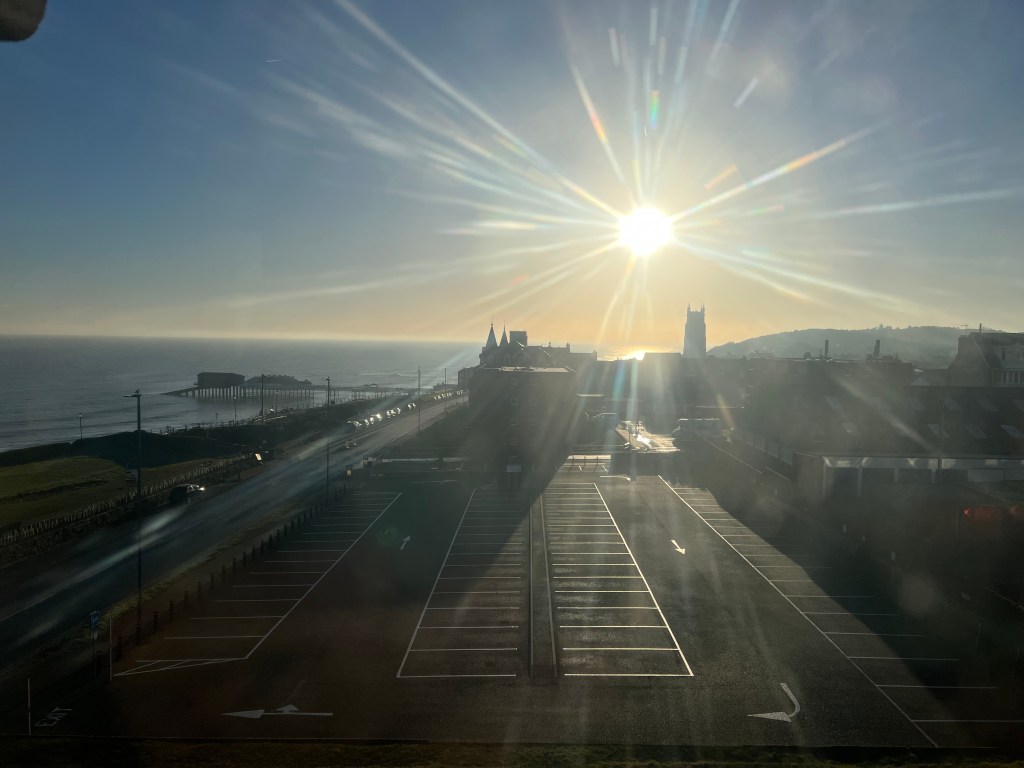
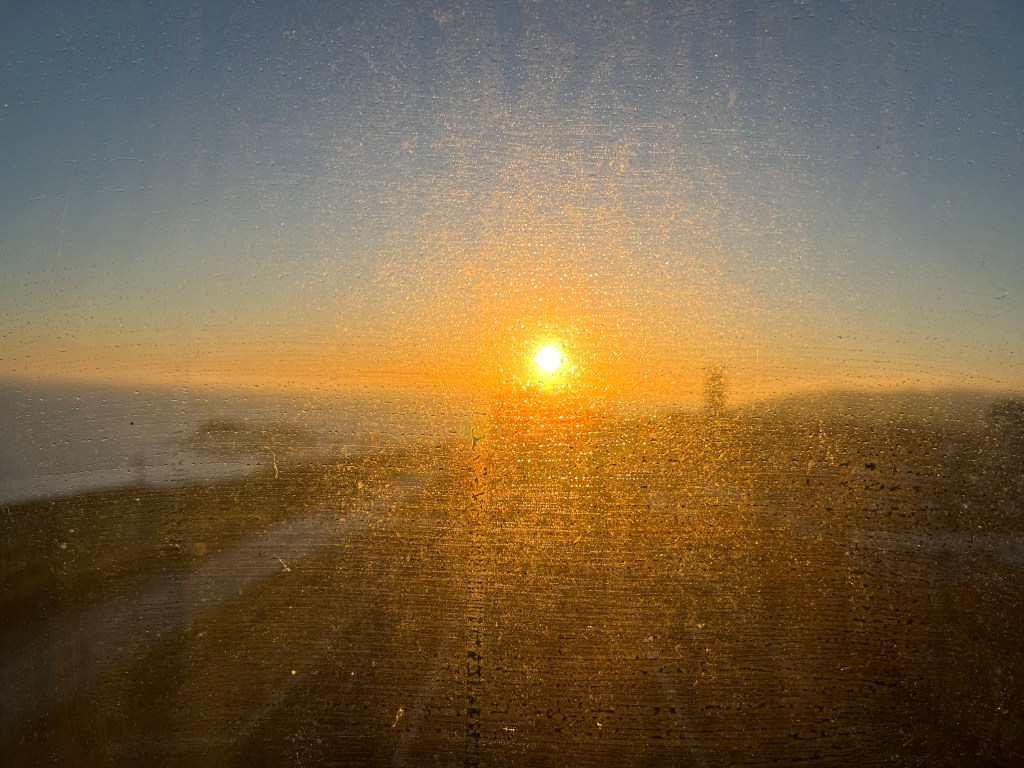
I woke up somewhere between 5am and 6am. Mum had told me to look out for the sunrise if it happened to be awake, so I looked out of the window and was greeted with this stunning sight.
The single glazed window had inevitably lost its battle with condensation, but a quick dry with a towel exposed that glorious view in all its glory.
Breakfast was included in the £69 I paid for the hotel and I went down just after 8am. I found I was the only one in the restaurant, at least until an older couple came in when I was nearly finished. I was asked if I wanted tea or coffee (coffee please) and had a selection of cereals and juices to help myself to, as well as a menu of hot food to select from. In the end I just had a bacon bap, which was let down only by the fact the bun was a brioche one. Even my table in the restaurant had a view of the sea.
Alone for breakfast
Then I decided to get my things together and check out of the hotel, heading back into Cromer, taking in the morning sea air. I went into a couple of shops, leaving one of them with a new hoodie, and then I bought a small pot of pineapple, a bottle of orange juice and a paper and sat near the sea wall. My time in Cromer had been so short, but like I said, I learned.
Here are a few things I learned:
I am alone, but that’s ok.
I am used to spending plenty of time alone. I do a lot of things with my mum, and that’s wonderful, but before I moved back in with her and her other half last year I lived as a lodger for eight years and spent lots of time by myself. I’ve never had a girlfriend, but that’s because I’m awkward and unappealing. I can probably count just the two friends that I would trust with my deepest secrets. It has to be partly my fault, I guess I can be overly intense and people tend to get bored of me after a while. But I often think I would love to be one of those people who has a phone that is constantly going off with messages. I’d love to be one of those people that wakes up to a good morning text. In Cromer, though, I absolutely felt the strength in being alone. I am often shy, hiding away even from buying things in a shop, but I overcame those fears on this trip and this has given me confidence that I can push on when I’m back in the real world.
You don’t have to go far from home to have a holiday
Cromer was my holiday, my trip away during my week off work. It might not have been the Caribbean or the Canary Islands, but it was far enough away for me to feel like I was somewhere different. And for £69 it didn’t break the bank either.
The smallest things can put a spring in your step
On my evening in Cromer, walking back to the hotel in the rain, I was waiting for a van to pass before I crossed the road. The window in the van was open, and loudly broadcasting from within was The View From The Afternoon by Arctic Monkeys. ‘Superb taste in music’ I thought to myself, and the rest of my journey was completed with a spring in my step.
And that was my trip to Cromer. All that remains is for me to urge you to go and stay at the excellent Cliftonville Hotel and to provide you with a photo dump. Thanks for reading.
In the game of cricket, a century is a significant milestone. Compiling one hundred runs with the bat is very difficult to do and the greats of the game are measured against each other by how many centuries they made. Sadly, despite it being my favourite sport, I have never been good enough at it to get anywhere near 50, let alone 100.
I have made a century of a different kind, though. This post, the one you’re currently reading, is the 100th I’ve made on my blog! When I started it I was 17 and coming towards the end of sixth form, which feels a very long time ago now. Often several months have passed between entries, but it has always been there as a place to write when I’ve wanted to get something out there. The vast majority of them have been almost entirely ignored, which is par for the course, but a few have unexpectedly gained traction.
To mark the occasion, I thought it would be interesting to look back over the previous 99 posts and pick out a few that mean a lot to me. Yes, I know it is self-indulgent, but my name is literally at the top. I’m not forcing you to be here!
The post that started this blog off was a piece of football writing. This was five years before I began writing a regular column for the Eastern Daily Press but it has always been sports journalism that has interested me. Published on 15th March 2010, it strikes me that the style of my writing has not actually changed that much. I think it has just developed to be a bit looser – that first post comes across as a tad uptight (not unlike me really!) and while I appear to be quite happy to express my opinion on the injury David Beckham had suffered playing for AC Milan, putting not only his participation in the 2010 World Cup but also his entire England career at risk, I get the feeling I’m trying too hard to sound like I write for The Guardian. I’ve definitely developed my writing so I can adapt to whatever publication I’m writing for.
A couple of things about this piece: Beckham never played for England again. My choice to replace him, James Milner, did indeed go to the World Cup that year but (spoiler alert) it did not go well for England and they were knocked out by Germany in the Last 16 – that match that contained Frank Lampard’s ghost goal, hastening the introduction of goalline technology. I also note that my radio station of choice back in 2010 was BBC Radio Norfolk. Not long after this I discovered Chris Moyles on Radio 1 and my life changed. Why, oh why, did I not get into that sort of thing sooner!?
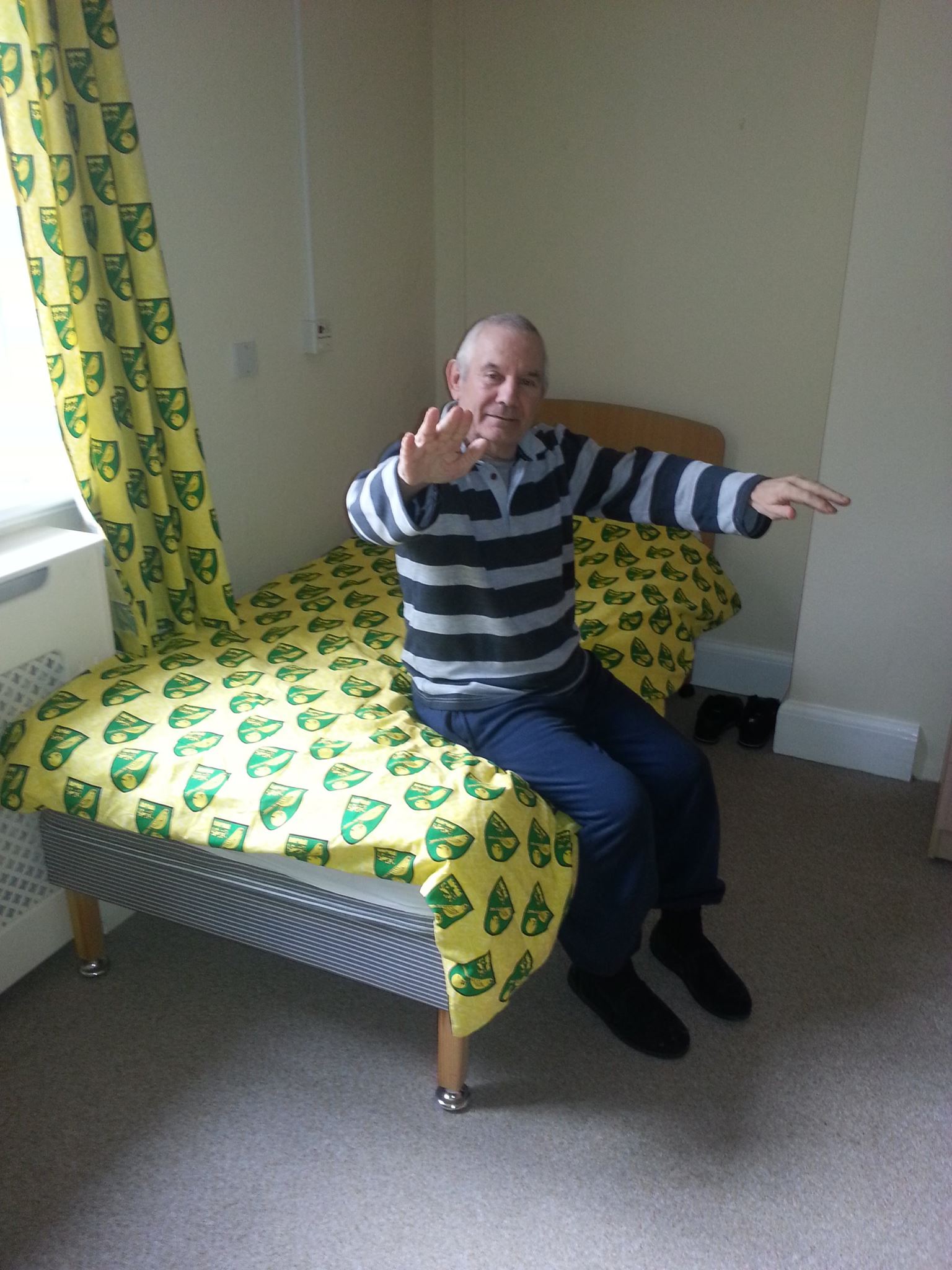
I have written about it in various places before, but my dad died in 2014. Six years after being diagnosed with Alzheimer’s disease. He was 69. On 22nd May 2015, I wrote this piece about wearing my dad’s old Norwich City shirt to the Championship play-off final at Wembley Stadium. Dad was a lifelong Norwich fan and when my mum and dad split up the main thing we did together was go to Carrow Road with our season tickets. To this day I sit in the same seat, but I sit alone, with my dad’s to my left now taken by somebody else. In May 2015, Norwich had made it to the play-off final, having beaten arch rivals I***ich Town in the semi-finals, and were one game away from promotion to the Premier League. 40,000 Norwich fans made to the trip to London for the occasion, me included. I thought it would be fitting to wear dad’s shirt in his honour on the day.
My dad in his room in his care home, a Canary from beginning to end.
Having shared the story on social media, it proved popular and gained the attention of a journalist from the EDP, who contacted me to write up the story for the paper. I can’t seem to find the article on their website, but I promise you it happened. Norwich beat Middlesbrough 2-0 and made it to the top flight.
I picked this one because I like the way the writing flows and because I’ve plenty of use of this piece over the seven years since I wrote it. Wes Hoolahan, a diminutive Irishman, was my favourite Norwich City player for most of the decade he spent at the club. Full of skill, he could always make something happen and was there at some really good moments for Norwich. I was inspired to write this after he was the star in a 3-1 win over Bournemouth in the Premier League. He was 33 at the time and I felt I wanted to write about him while he was still around.
Wes Hoolahan
I was able to bring this back out again when Hoolahan announced he was leaving Norwich in 2018. It got a fair number of readers and is a piece I’m pretty pleased with.
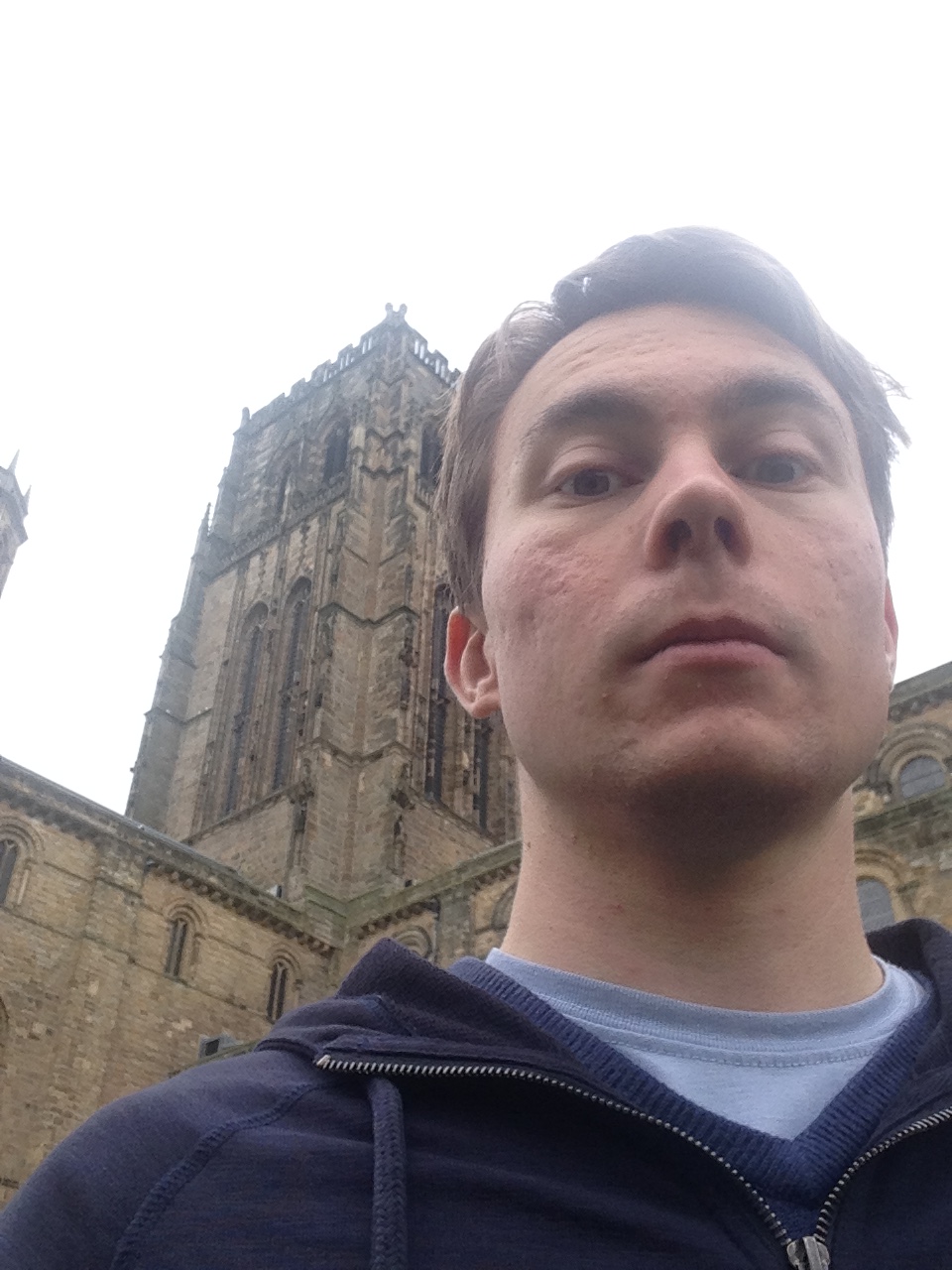
Looking back, I was churning out writing pretty well in 2015. I’d had the successes of the dad’s shirt at Wembley story, Hoolahan and I’d also been chosen to write for the EDP’s new Fan Zone page. In October of that year, I went up to Durham to visit my former landlady, who was working there at the time. She set me a photo treasure hunt challenge – she gave me a list of things that I had to find and take photographs of. This was a great way to explore a city I didn’t know very well. As you can see from the post, I completed the task. This was my first real foray into personal blogging, something that I’ve done more of since and it has always proved reasonably popular – much to my surprise, as I’ve always felt I’m incredibly boring!
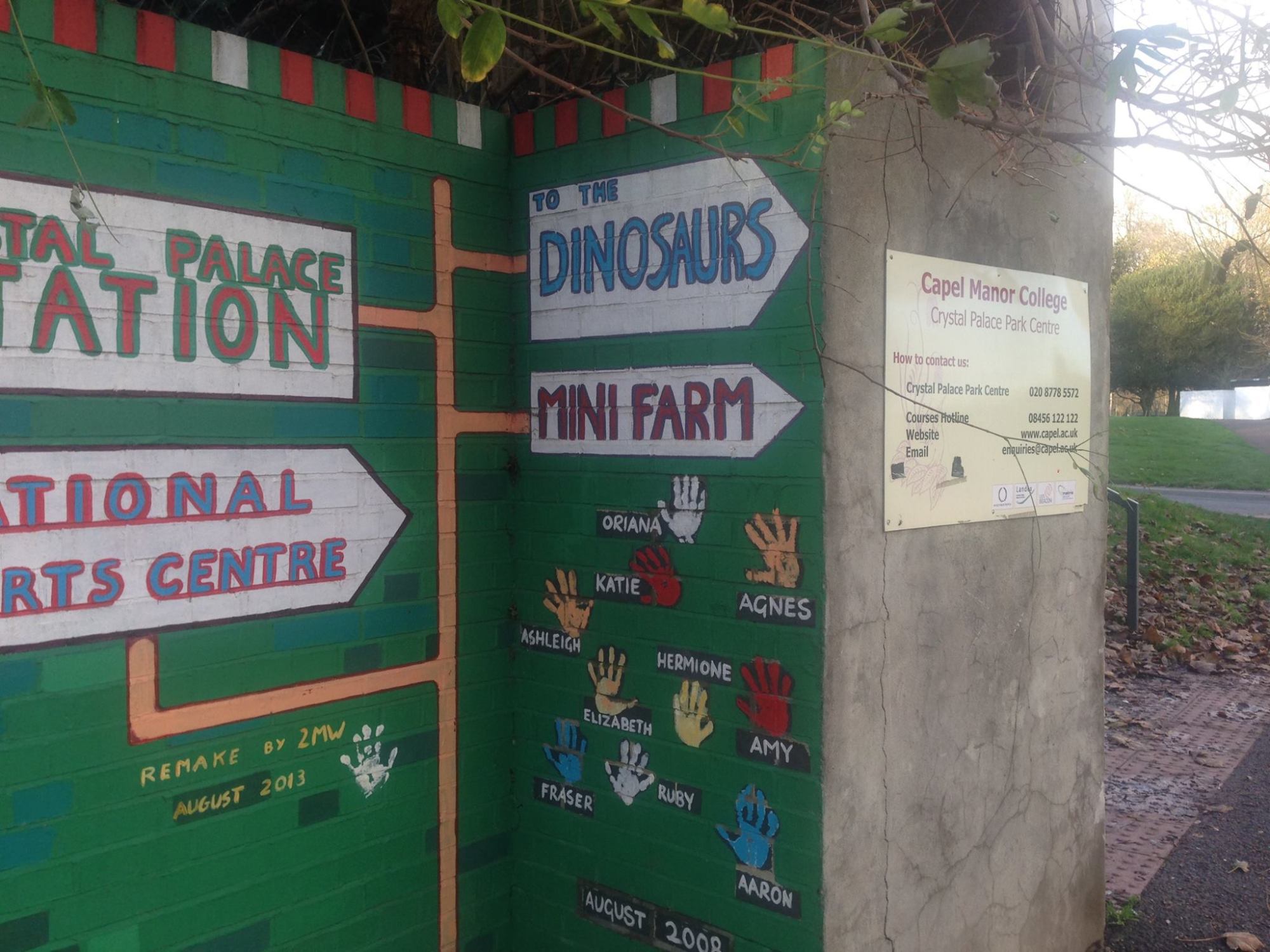
2015 again and another attempt at personal blogging. The dinosar sculptures in Crystal Palace Park in South London had always fascinated me and I had read loads about them but I had not visited them until December 2015. I spent one of the days I’d got off work to visit them and I blogged about my trip. I have been to see the Crystal Palace Dinosaurs several times since.
A two-parter. In October 2017, I made a solo (’twas ever thus) trip to London to watch Norwich City play Arsenal in a League Cup match at the Emirates Stadium. I blogged about the trip, with the first part being all about the football match and the second part being about my walk along a disused railway line the following day. Reading it you can tell I enjoyed myself and it makes me want to do something like this again.
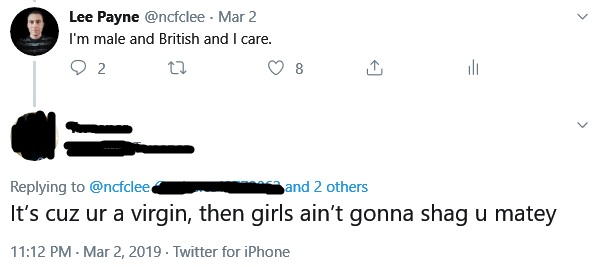
When I’m on social media, I’ve never been able to resist arguing with people when I see them posting overtly racist, sexist or homophobic material. Basically, I will call out the arseholes. People tell me the solution is to ignore it, but I haven’t managed it yet. I just continue calling them out until I need to take a break from social media completely to get my head together.
Bored with seeing women-fearing blokey blokes taking every opportunity to be disparaging about women’s sport, I wrote this piece in 2019. I don’t claim to fight the feminist fight on behalf of women, I’m just a guy that likes sport and I don’t care whether those participating have willies or not. I wrote this so I could link to it when I was arguing with one of these blokey blokes, rather than having to write the same arguments out every time. It feels more relevant than ever now, with the England women’s football team becoming European champions last year.
This was the first time I had written about music and my love for Arctic Monkeys. The band changed my life when I discovered them, far later than everyone else had. They changed my hair style, they changed the clothes I wore, the way I saw music as an art form. I wrote this piece about the album they had released in 2018, Tranquility Base Hotel & Casino, and according to my stats it still gets occasional views from the many Monkeys fans around the world. I enjoyed writing it so much that I have since written about their other six albums: Whatever People Say I Am, That’s What I’m Not (2006), Favourite Worst Nightmare (2007), Humbug (2009), Suck It And See (2011), AM (2013) and The Car (2022).
On the face of it, this is just another piece of personal blogging about walking 14 miles – Aylsham to North Walsham and back again – with my friend Katie. But when I read it back, I realised that it was actually about as gushing as I’ve ever been with the written word. It is really about friendship, and how the little gang that had taken me in when I’d been so alone (Katie, Megan and Sarah) had made such a difference to my life. Little did we know that the pandemic was just around the corner and our lives would change so much.
The pandemic was a strange time, wasn’t it? It all happened so quickly, and while it felt like it dragged on, it feels like a lifetime ago now. As supermarket staff, we were actually given letters to show to the police should we be pulled over and asked why we were out and about. Extraordinary stuff. And can anyone remember when Sainsbury’s was only open to NHS staff for an hour every morning, and they would play Captain Tom Moore’s charity version of You’ll Never Walk Alone over the PA system!? Strange times. Anyway, in April 2020 I decided to write about the things I was doing, watching and playing to get myself through lockdown. I think in years to come I’ll be glad I did this – it’ll be a sort of record of that (hopefully) once-in-a-lifetime event.
A piece I wrote about an afternoon spent sifting through some of the many comics I keep in a box under my bed. Not much to say about it, but it got a decent number of readers and people seemed to like it.
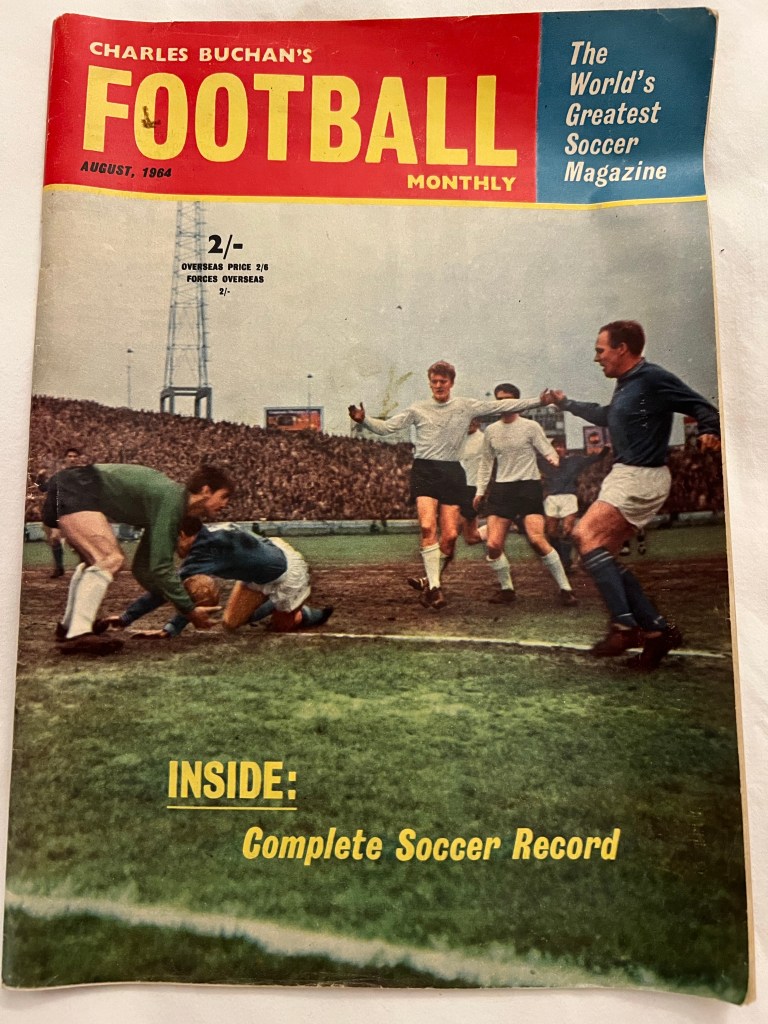
I don’t think I would have written this piece if I hadn’t done the comics one first. Last March, I went to a shop on the Dereham to Fakenham road called Corners (now defunct) and found this football magazine from 1964. I picked out some interesting things from it, most of which were along the lines of ‘weren’t things different back then?’.
I was full of angst about turning 30. I find it easier to write than I do to speak, so I blogged about it. Basically, I was about to hit that milestone and I had no idea what I was doing with my life. I am glad I wrote this. Turns out, being 30 feels very much like being 29, but this did me good. I later chose 30 songs that had been the soundtrack to my 30 years and blogged about that too.
If I was a musician, this one would be described as my biggest hit to date. Last September, I went to London for a couple of days with my mum, her other half and their two friends. The hotel we stayed in was so awful it was actually funny. I have just checked the stats and 213 people have read this so far – that’s a lot, considering I usually get 10 pairs of eyes on something I’ve written if I’m lucky. This encouraged me to document my own life instead of writing about sport the whole time. A rule I stick to is never to construct situations purely for the benefit of the blog – like the way people on TikTok (bah) who go to places only to show off to their followers. I simply go somewhere, enjoy myself, take a few photos and spend a while writing about it when I get home. It seems to work.
Finally, my attempt to get into the festive spirit. This piece about my memories of Christmas as a child seemed to strike a chord with people, who were reminded of cherished moments from the past themselves by reading it. I loved that I was able to do that for them. Some I hadn’t heard from in years got in touch to say they enjoyed it, which was a really lovely way to round off the year.
There we have it then, my picks of the 99 posts I have written for this blog to date. I have pretty much decided that making a living out of writing isn’t going to happen, but I still get enough enjoyment out of it that I will carry it on as a hobby regardless. So, here’s to many more posts on this blog. I hope you’ll join me for the ride.
If you have any thoughts about the posts I’ve shown you here, do feel free to leave a comment under this post or contact me. I’d love to hear from you!
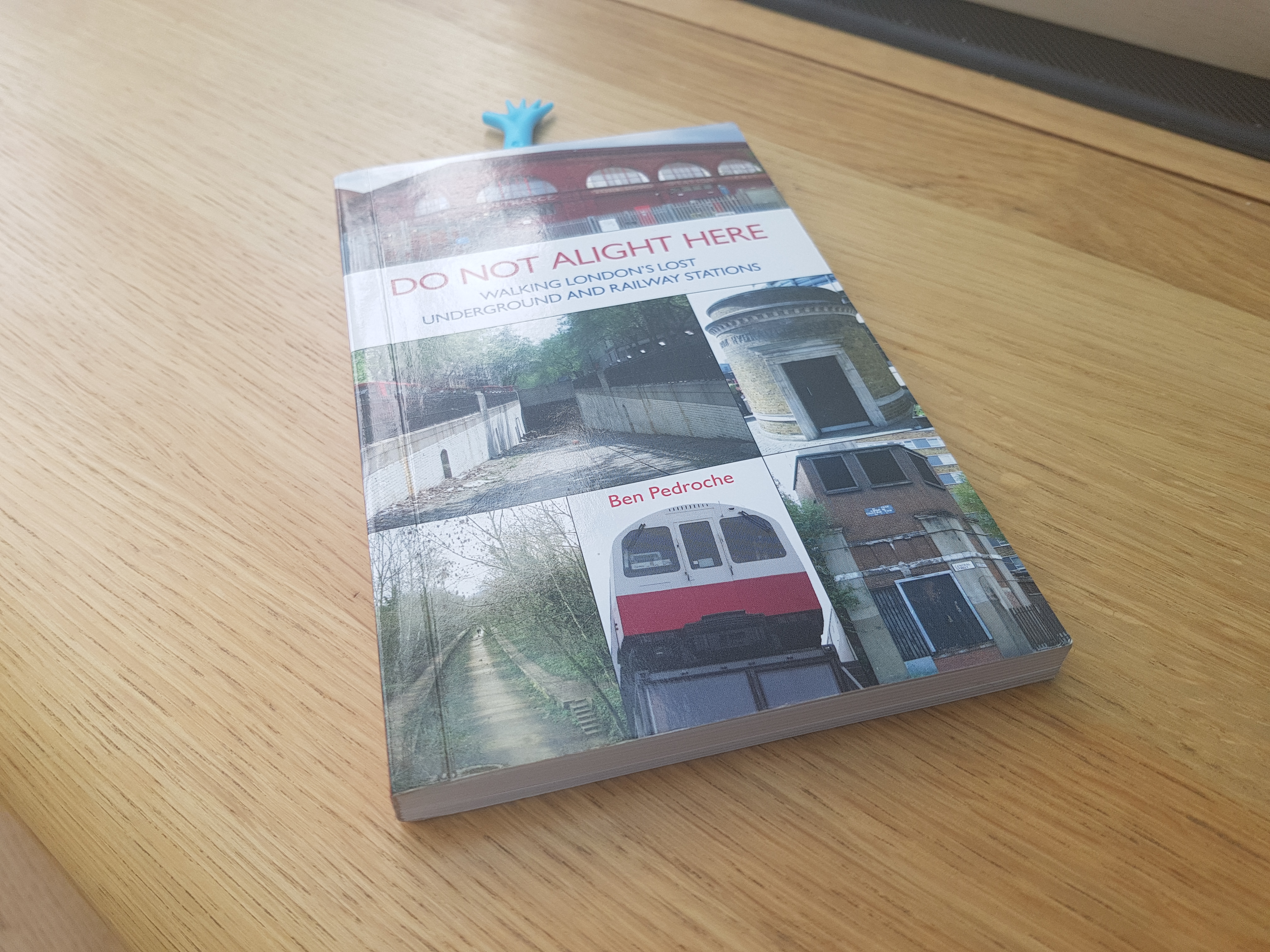
Three things I love are London, walking and disused railway lines. That makes this book seem like it was almost written with me in mind.
The morning after the Arsenal v Norwich match I decided to do one of the walks in the book, starting at Finsbury Park.
The park itself often hosts big name musicians. In 2014, my favourite band Arctic Monkeys played two gigs there and this week Liam Gallagher announced he would be playing Finsbury Park in June 2018.
My walk followed the route of a planned extension to the Northern Line of the London Underground which was never completed.
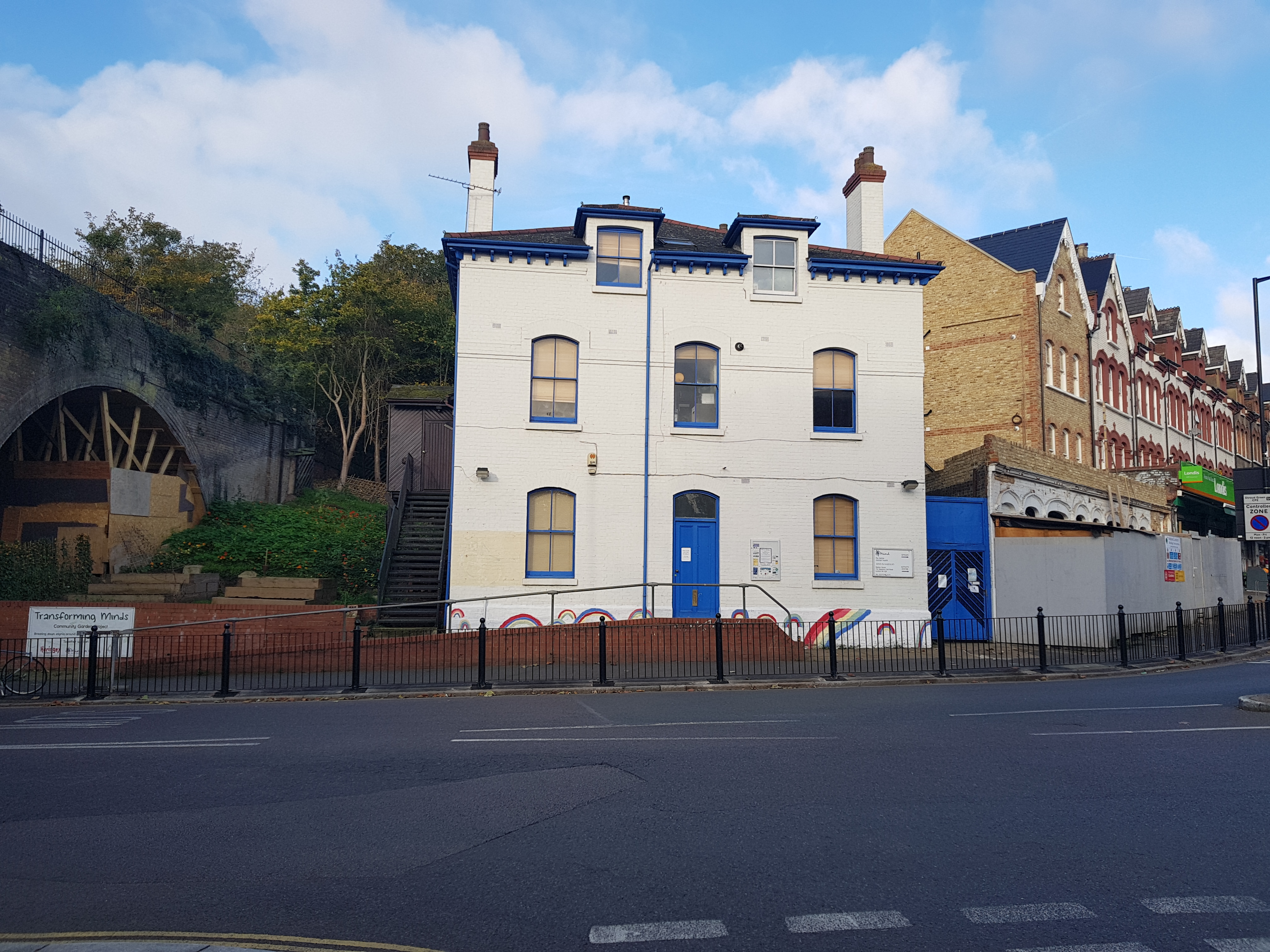
What I enjoy about disused railway lines is imagining what they once looked like, seeing how they have changed with the ghost of its past still evident. The first example of this was when I came across the building below.
This used to be the station building of Stroud Green station
Stroud Green station closed to passengers in 1954, but 63 years later its building is still intact. There’s no evidence of how the building links to the railway bridge above, so countless people must pass it every day without ever realising its former purpose.
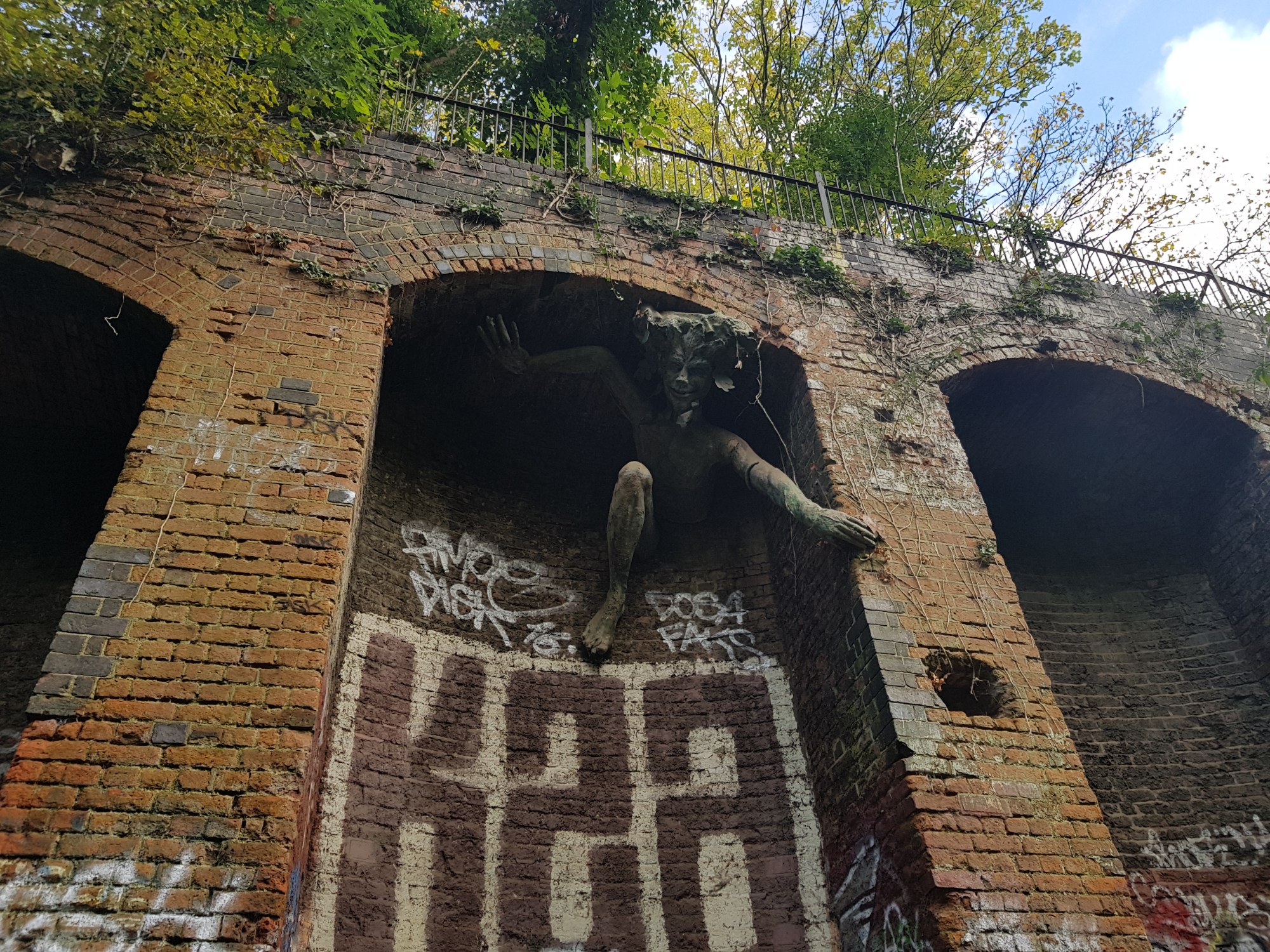
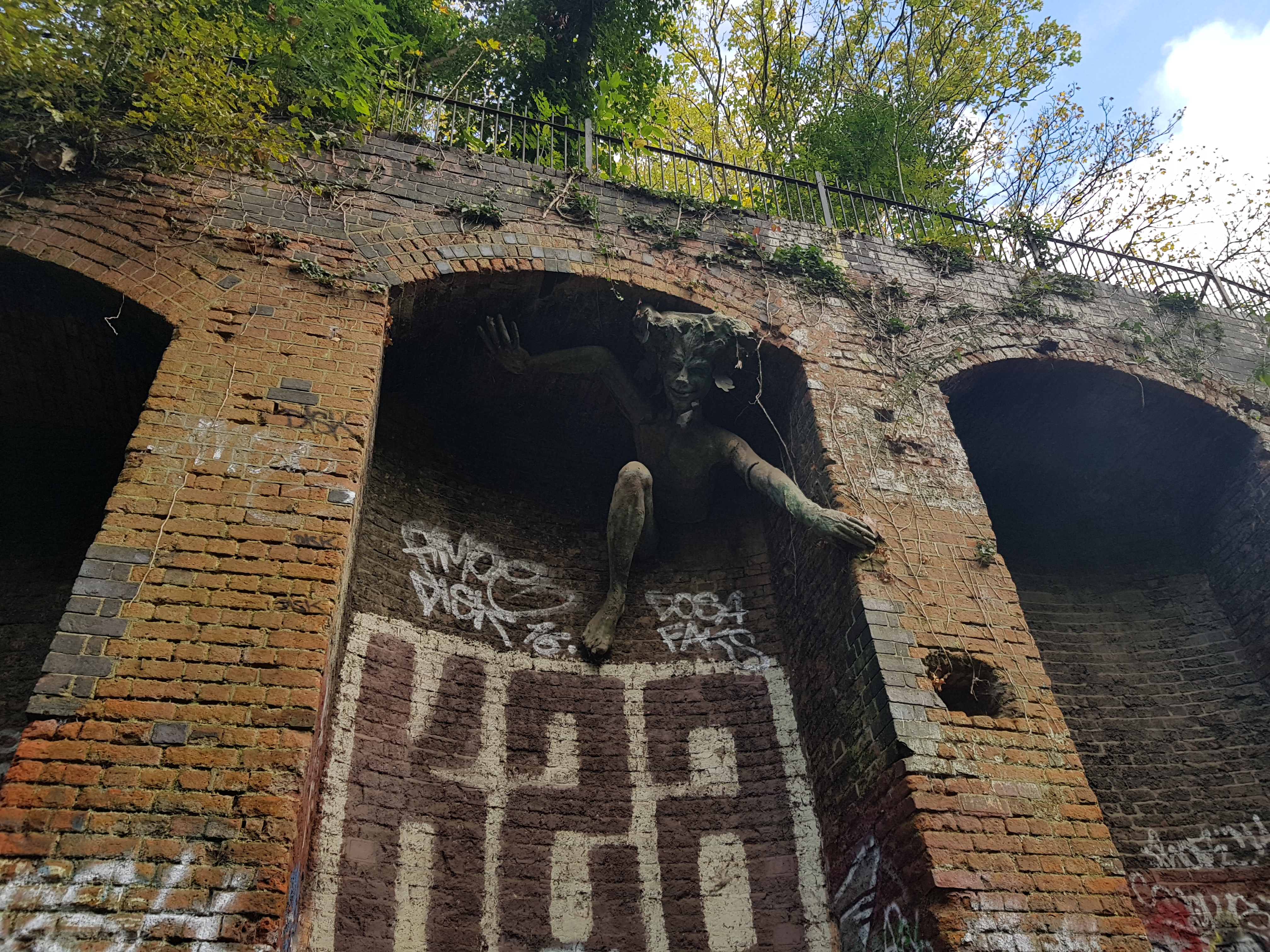
Further along where the track once was, there is a work of art inside one of the arches. When you’re walking alone, it’s quite creepy to be honest – even though I knew it was going to be there!
Spriggan sculpture
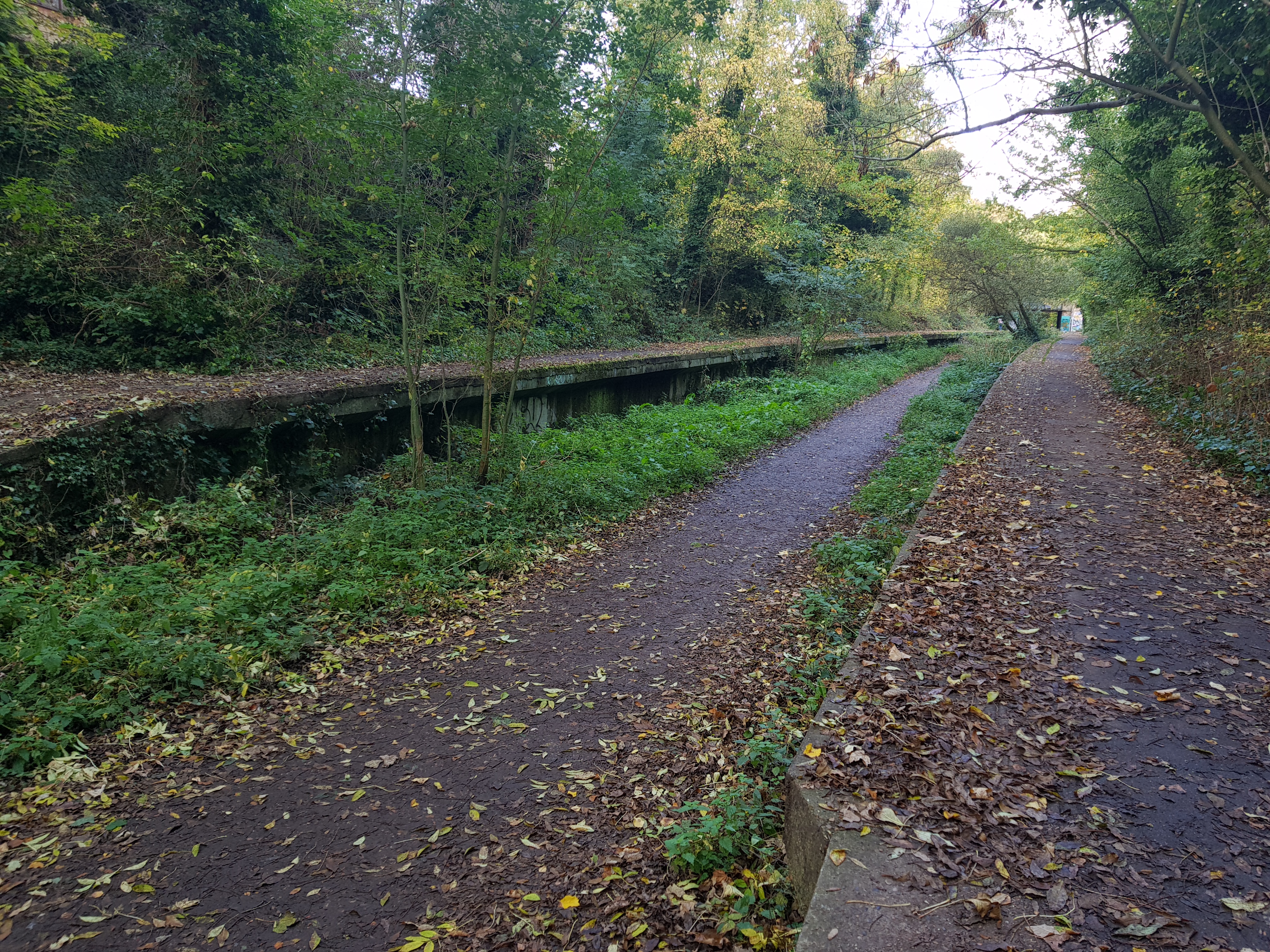
The most intact platforms on the walk are at Crouch End. As you can see from my photo, it’s obvious that trains used to stop here.
Crouch End
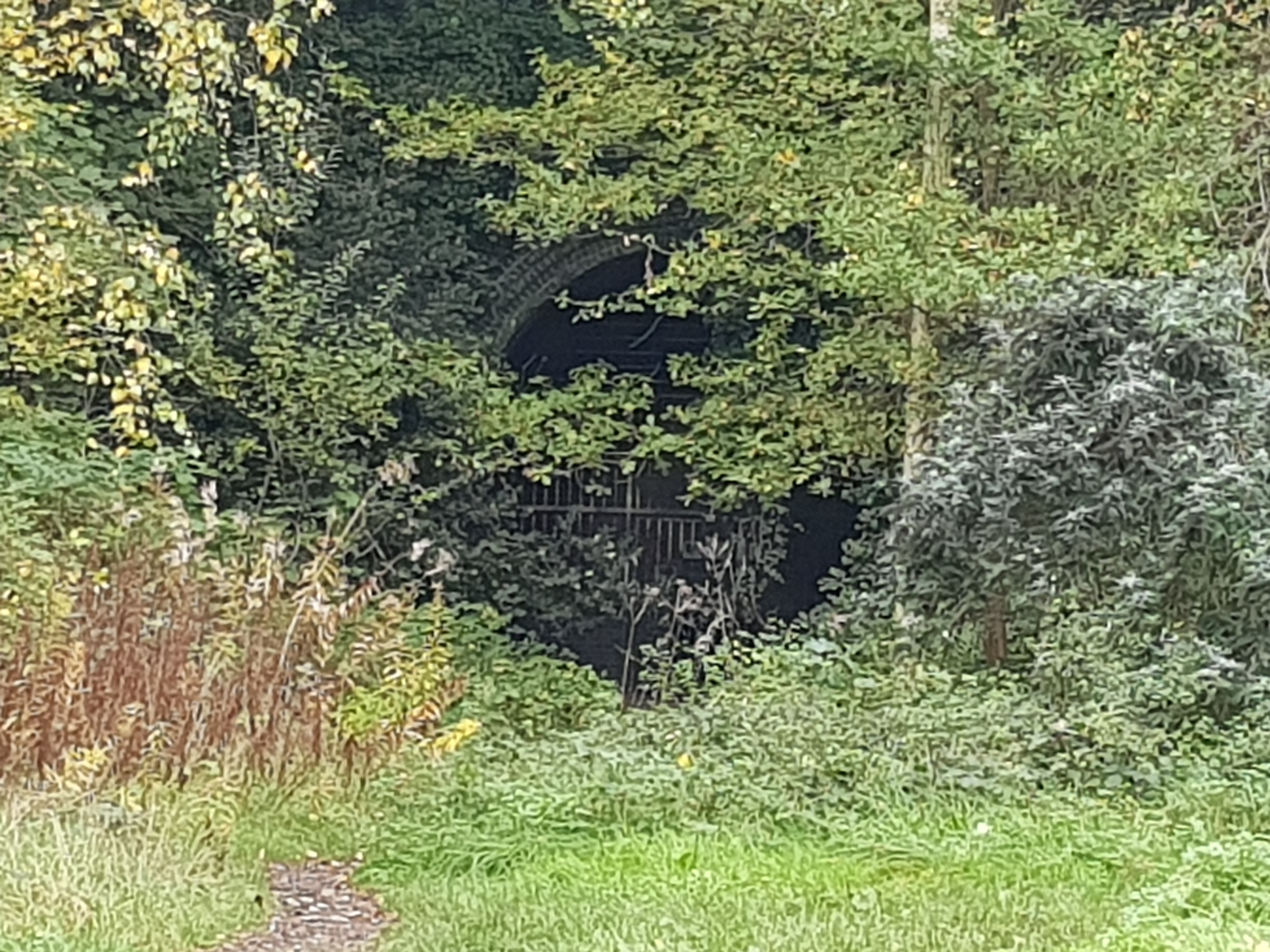
The thing I was most excited about seeing were the Highgate Tunnels. The imposing portals are now a sanctuary for bats. The ground in front of them was too muddy for me to walk across, so I had to zoom in from a distance, but you can still see them.
The abandoned Highgate Tunnels
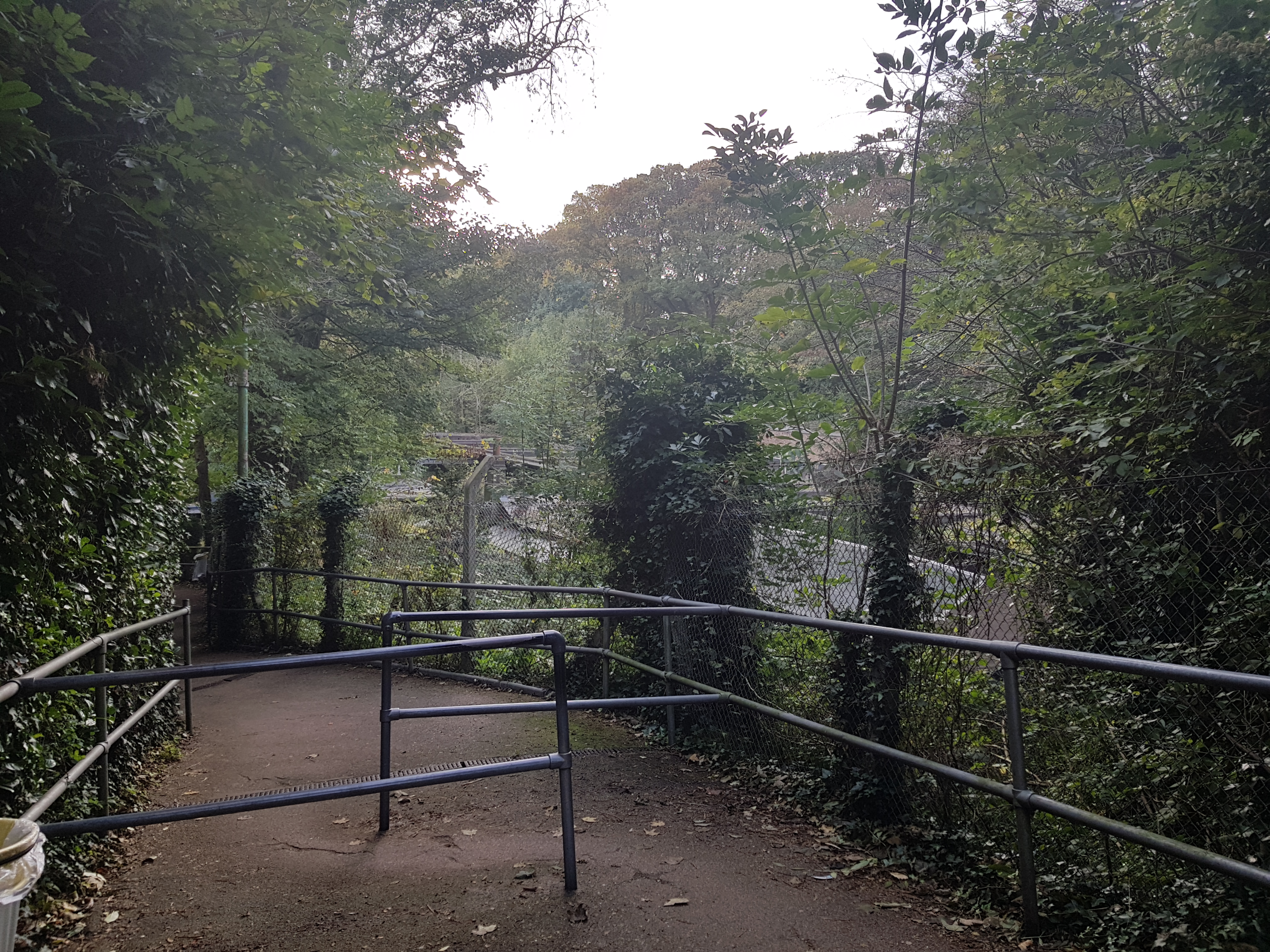
To rejoin the walk, I had to go up to street level. I was now in Highgate, famous for its middle class mums (as seen in the @Highgatemums Twitter account and book). The next thing to glimpse was the abandoned Highgate High Level station.
Overlooking the abandoned Highgate High Level station
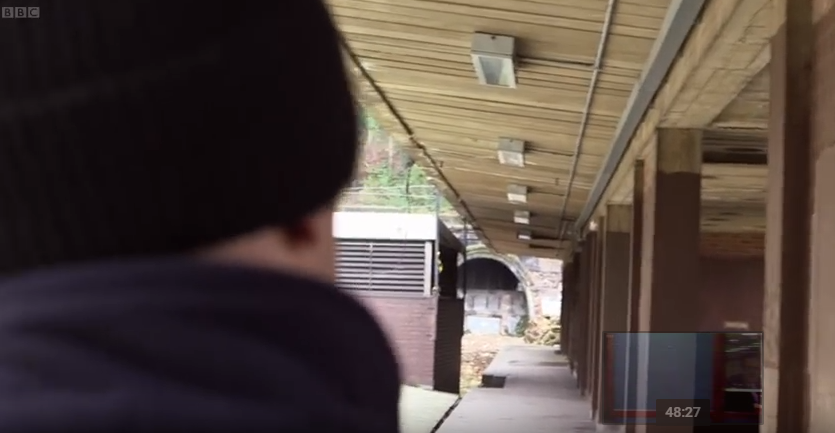
It was near impossible to get a good view of it, but the tunnels I saw earlier emerge here. In a BBC documentary made in 2013 to commemorate the Underground’s 150th anniversary, a Tube driver can be seen on the platforms.
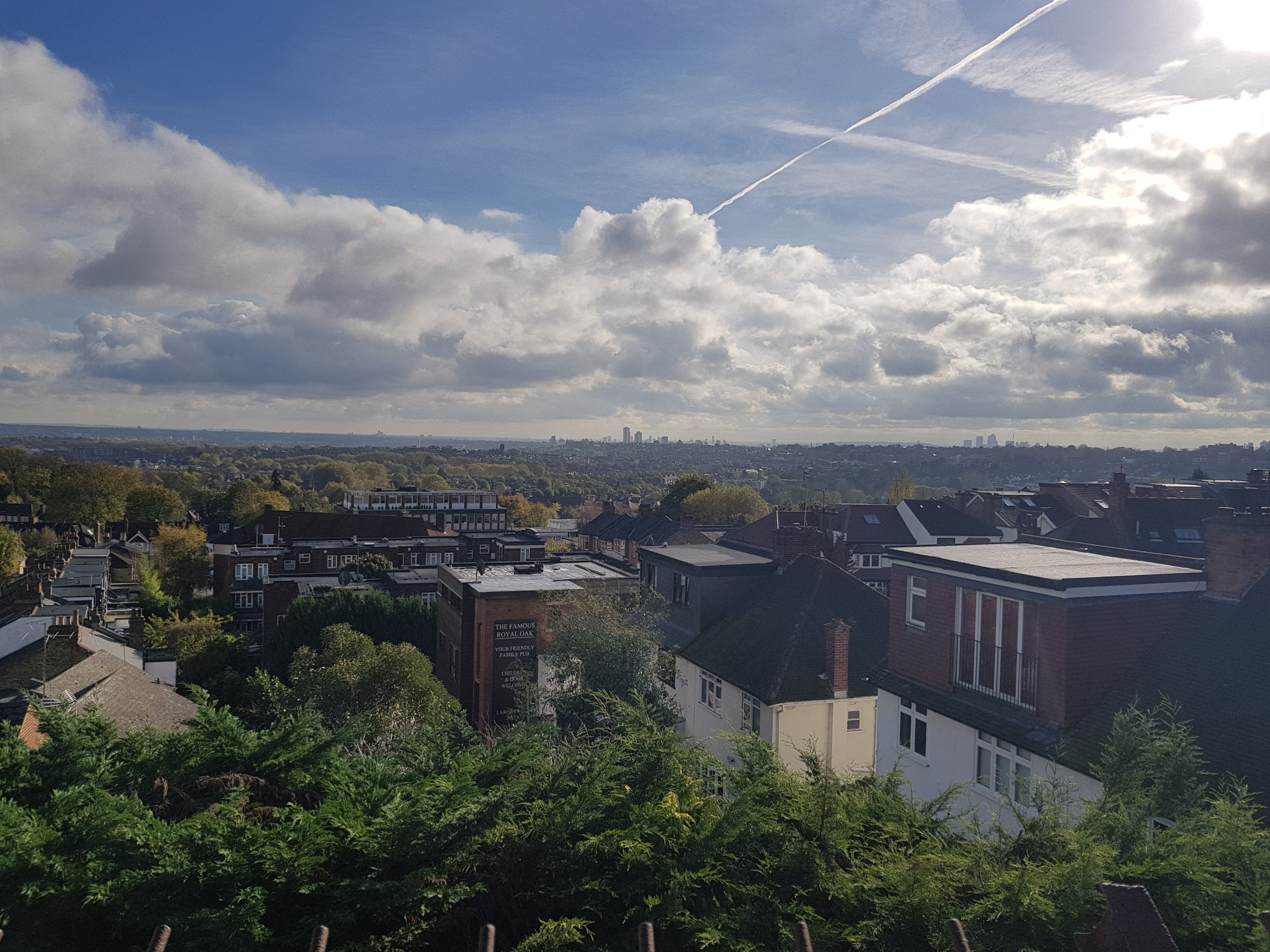
The walk ends at Alexandra Palace, where the World Darts Championships are held at Christmas every year. However, with a train home to catch I decided to stop after taking in this incredible view over London.
Looking over London
I plan on going back to finish off the walk in the future, but I had a great time doing the bits of it that I did.
Remember my Durham holiday photo challenge? That stemmed from me trying to avoid getting bored during a week off work. Well – I’ve had another week off.
I always try to have a week off just before the Christmas rush starts, but I’m not very good at resting or doing nothing. So last week I decided to use one of my free days to go in search of something that had fascinated me for ages. I went looking for the Crystal Palace Dinosaurs.
I had not been to London for a proper day out since last December. I’d been there for the play-off final at Wembley, but this was my first visit to the city itself in almost a year. As such, after getting off the train at Liverpool Street I wandered around for a while, taking in my surroundings and the big buildings before making my way anywhere.
Eventually I went to Canada Water station and took the London Overground to Crystal Palace. When you come from Norwich you are used to everything being pretty close by – it took about half an hour to get from Canary Wharf to Crystal Palace! When the train finally arrived, I walked out of the station and was immediately filled with hope.
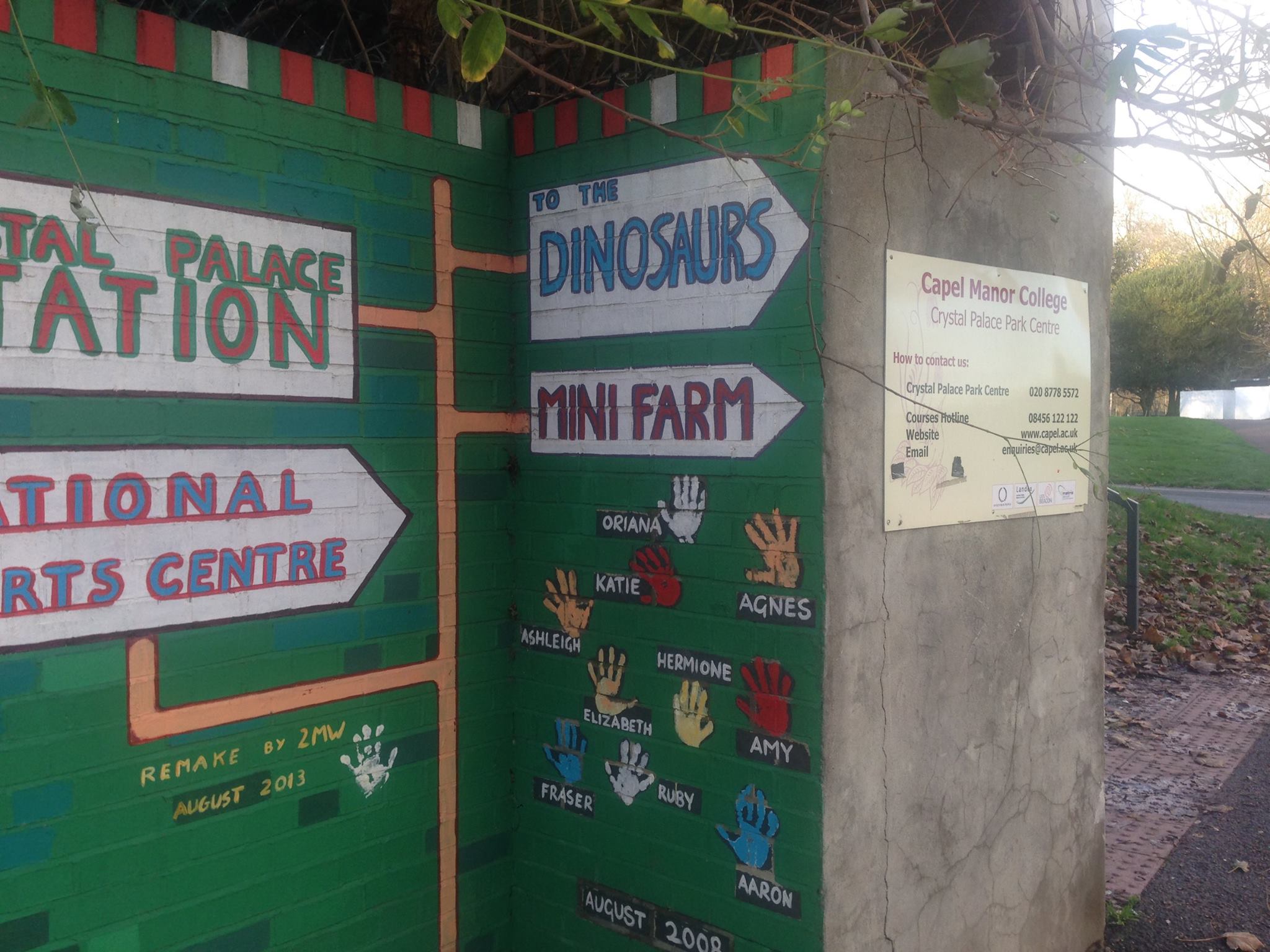
When you’ve come all this way looking for Dinosaurs, this was a pleasing sign to find.
I was definitely on the right track.
In case you don’t know, the Crystal Palace was a huge glass building that was built to house the Great Exhibition of 1851. When the exhibition closed, the Crystal Palace was moved from Hyde Park to Penge Common in South London. It had such an impact that the area it stood in itself became known as Crystal Palace.
The land surrounding the Crystal Palace was landscaped and became Crystal Palace Park. The Palace burned down in 1936, but you can still see where it would have been. And one of the elements of the original park that still remain are the dinosaurs.
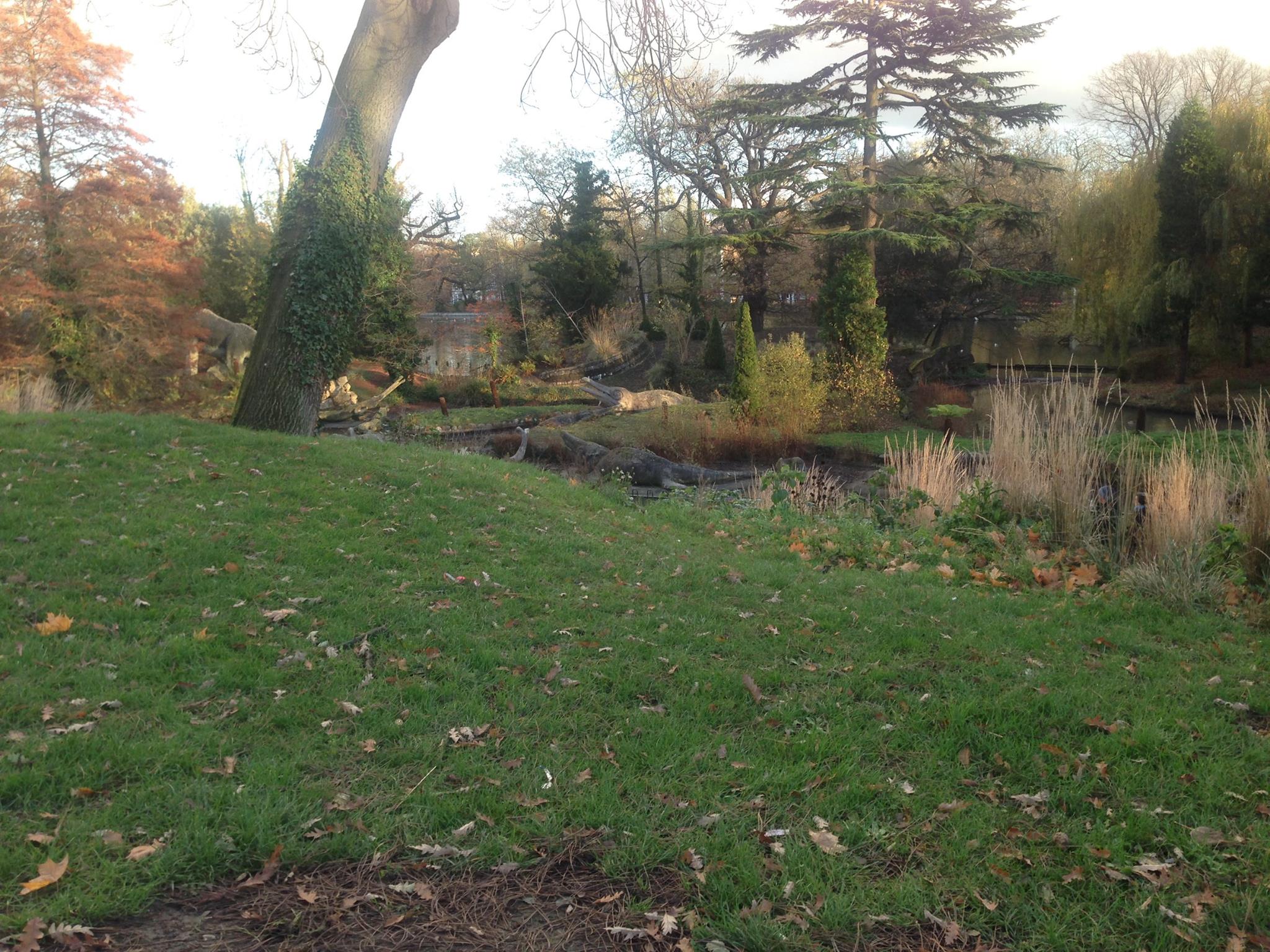
I followed the path and got my first glimpse of the sculptures.
You don’t get those in Eaton Park.
These models have been in place since 1854. 161 years! They were the first attempt to make large scale models of dinosaurs in the world, and were designed using the Victorians’ best ideas of what they looked like -they were made a full six years before Charles Darwin published On the Origin of Species. Scientifically speaking, we now consider the sculptures to be rather inaccurate. But for me that just makes them all the more interesting.
The Iguanodon models, the Park’s most famous residents.
A close up of Iguanodon.
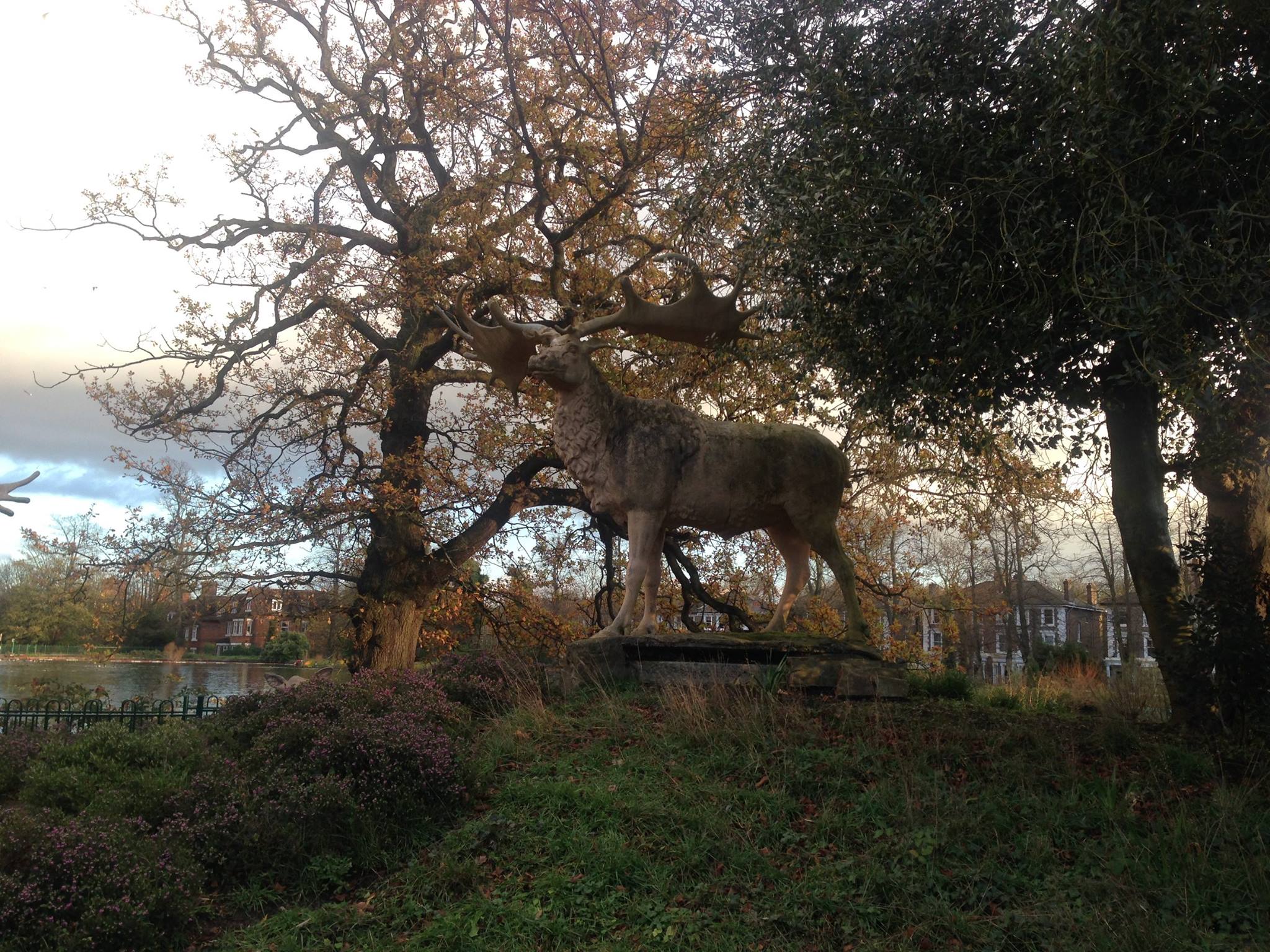
There are not just dinosaur sculptures there. The idea was to make models of extinct animals from different eras. The dinosaurs were one part of that.
This is a Megaloceros. You can probably guess it is related to the deer.
It was well worth the trip out to see them. It takes a bit of extra time to get there, and it’s a little bit off the tourist track, but there is plenty to see out there. I might even come back when it’s a bit warmer.
After ticking the Crystal Palace Dinosaurs off my ‘to do’ list, I headed back to central London and did the usual things tourists do when they are in central London.
The London Eye is ready for Christmas.
Parliament, taken from the other side of Westminster Bridge.
It was then time to head home. And I managed to make it back, despite Greater Anglia’s best efforts. My train back to Norwich was cancelled so I had to make a detour to Cambridge in order to get home! I didn’t mind that much though, it had still been a decent day.
I have another week off work in January – I wonder what I’ll get up to then?



















 LEE PAYNE