Tag: visit

  • Lincoln’s Steep Hill is aptly named, Southwell is proud of its apples and Boston is a bit rough – my July 2024 holiday (part 2!)

    Lincoln’s Steep Hill is aptly named, Southwell is proud of its apples and Boston is a bit rough – my July 2024 holiday (part 2!)

    The last time I wrote to you, I was about to leave Nottingham for the next stop on my road trip holiday.

    Before going away, I had read about Nottinghamshire in a book I had called I Never Knew That About England. The section on Southwell I found particularly interesting, with it being described as one of England’s least known cathedral towns. It turned out to be a perfectly easy stop on the way between Nottingham and Lincoln, so mum and I decided to go and explore.
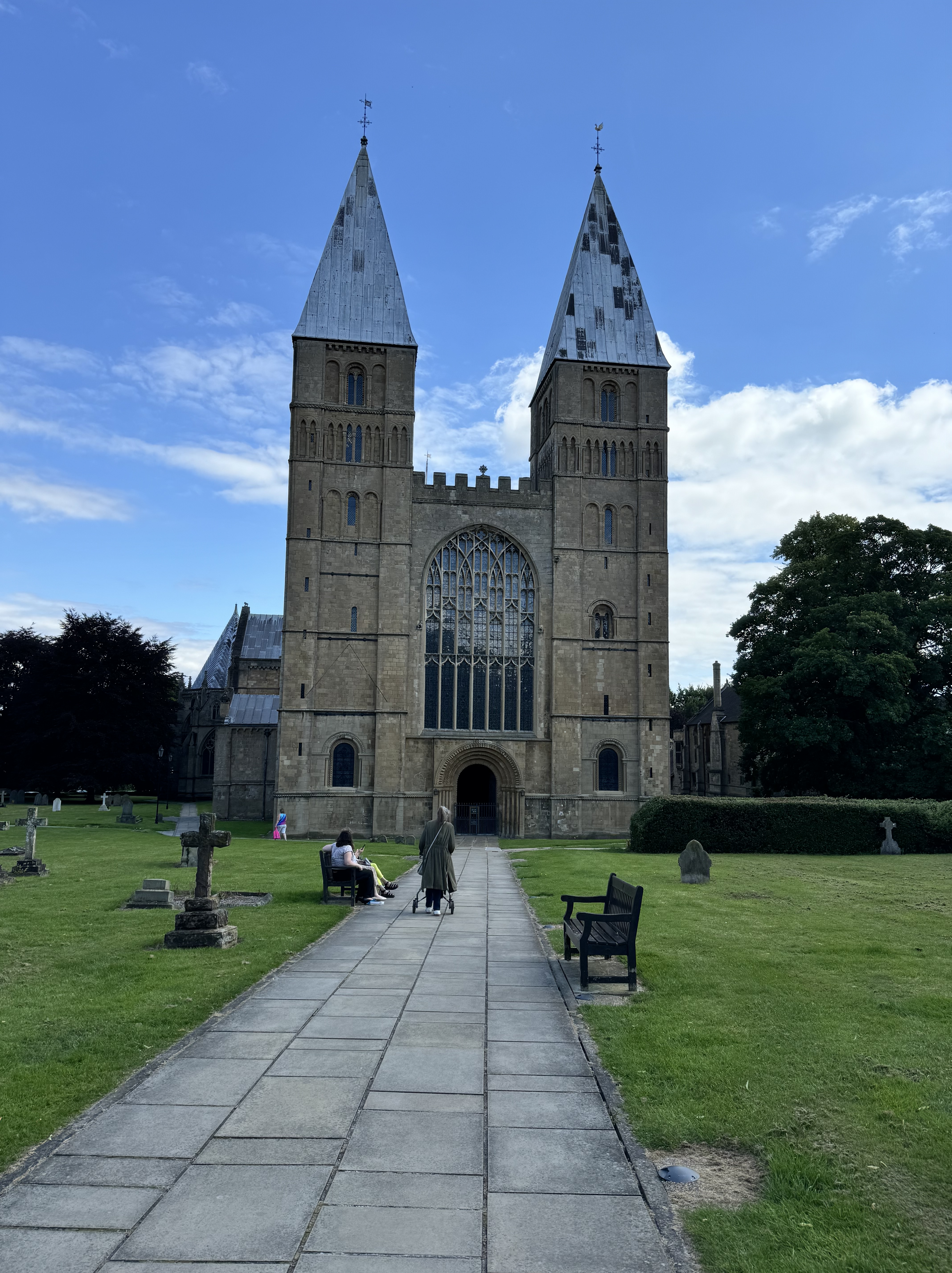
    The quite remarkable Southwell Minster. I didn’t have the patience to wait for the old lady with the walking frame to get out of the way.

    Southwell is a small, pretty, well-looked-after town that is completely dominated by its magnificnet minster. Built in Roman times, it really needs to be seen to be believed.

    The town is also famous for (and very proud of) being the birthplace of the Bramley apple. Mary Ann Brailsford, aged 9, planted some apple pips in her garden on the outskirts of Southwell in 1809. The resulting tree produced so much fruit that in 1856 the later owner of the house, Matthew Bramley, was asked if he would consider selling the apples. By 2007, 95% of total culinary apple orchards in England and Wales were Bramley apples. Mary Ann Brailsford probably never knew that the tree she planted had become so famous – when you think about it, we should really be making our apple pies with Brailsfords.

    From Southwell, we drove on to Lincoln. This was my first time in Lincoln, but unlikely to be my last. With its castle and cathedral, I felt an immediate affinity with my beloved home city of Norwich. It doesn’t happen often, but Lincoln might actually beat Norwich for history – it still has a Roman archway that traffic passes through.

    We had been warned about Steep Hill in Lincoln, possibly the most aptly named road in Britain. My dear mum, who is asthmatic, has a hernia and has just turned 60, surprised the both of us by managing to walk up this monster of a hill. Here she is at the top.
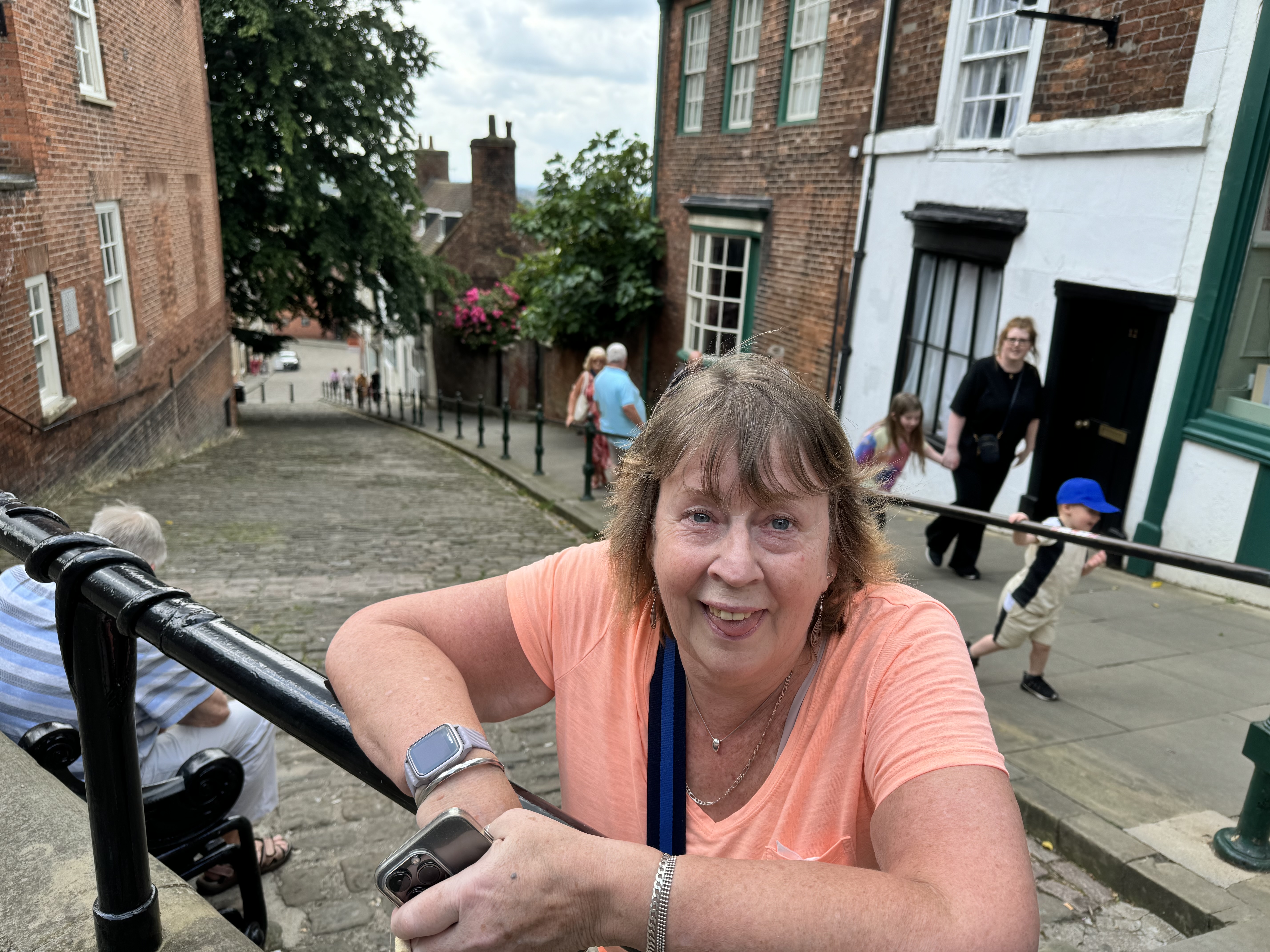
    Mum at the top of Lincoln’s frankly ludicrous Steep Hill

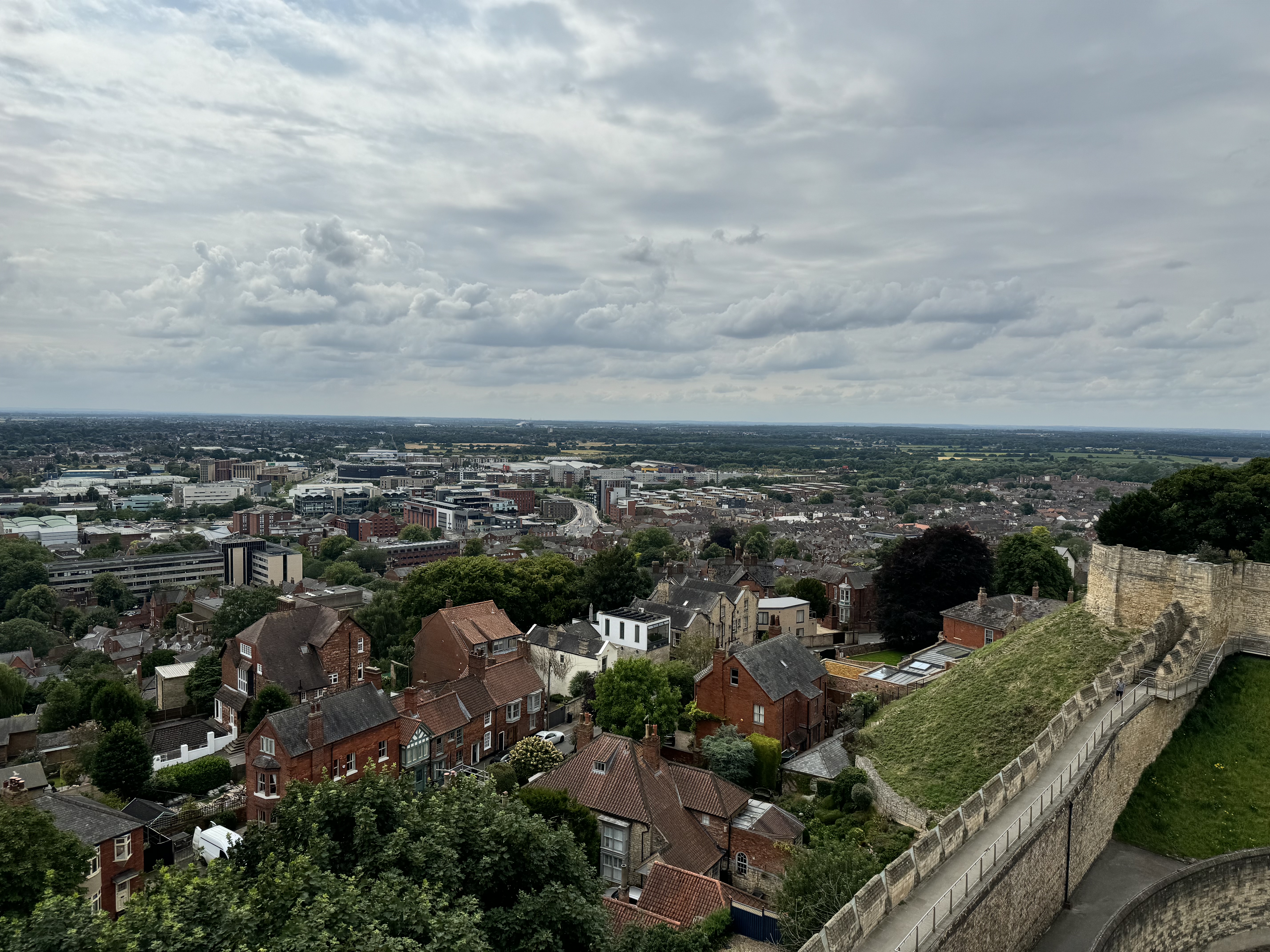
    Steep Hill was well worth the climb though, as the Cathedral Quarter at the top is beautiful. We went into the grounds of the castle and paid to do the castle wall walk. You get to walk all the way along the top of the castle walls, a full circle, and it was well worth the £10 fee to do so. The views are simply spectacular, both of the cathedral opposite and the surrounding countryside.
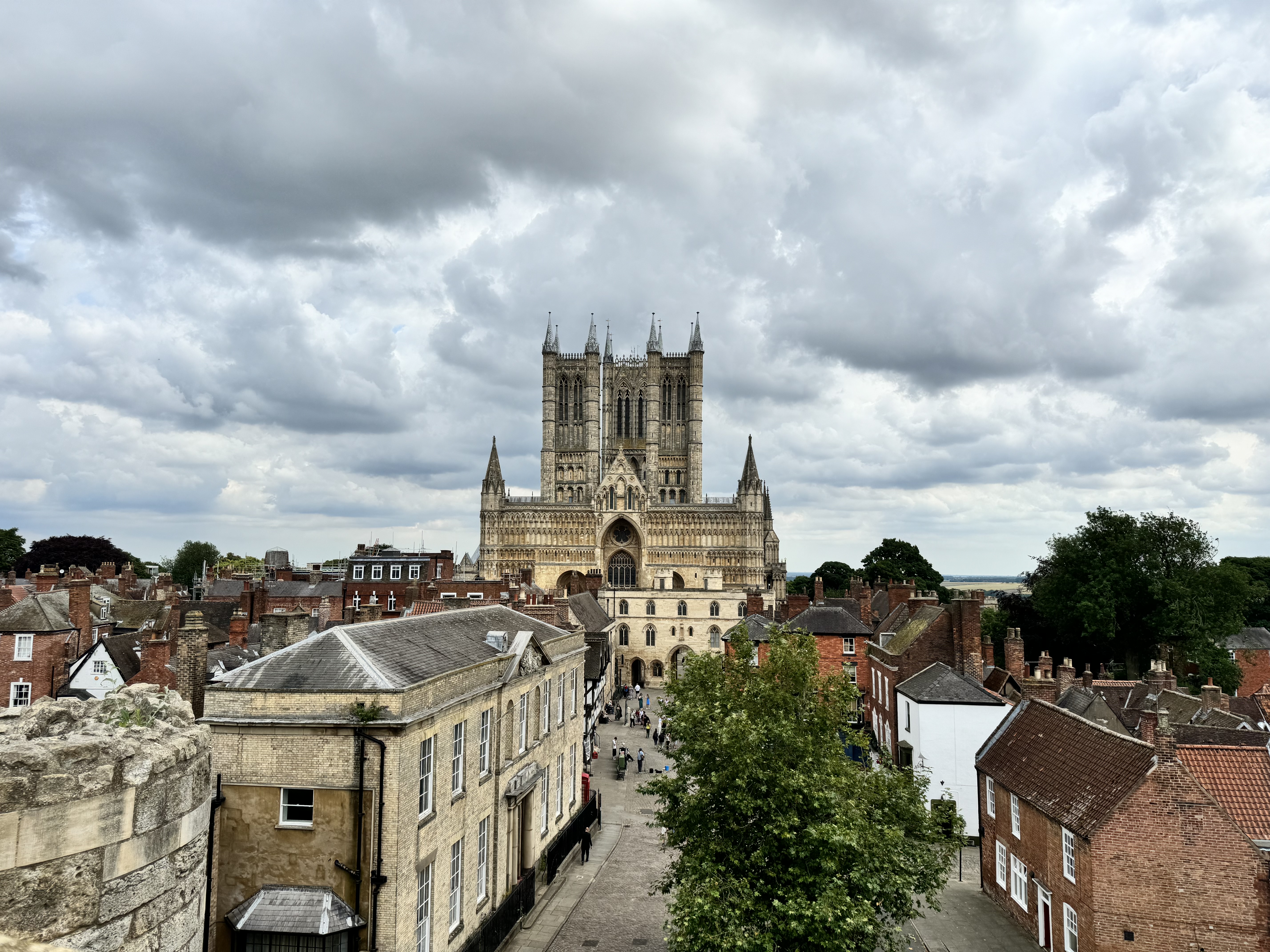
    The cathedral as seen from the castle walls.
    Overlooking Lincoln from the castle walls

    We decided to come back on Thursday to do the cathedral. The only other thing we did in Lincoln on Wednesday was have the best waffle I’ve ever tasted at Madame Waffle. Seriously, if you are ever in Lincoln, go and have a waffle at Madame Waffle. I had one covered in Nutella and topped with fresh strawberries and I am wondering if I will ever taste anything like it again.

    The nave of Lincoln Cathedral was off limits to the public on the day we visited because it was being used for the local university’s graduation ceremonies, but it meant we got in for a reduced rate and got to experiene the atmosphere of a cathedral filled with the sound of organ music. There was still plenty of the magnificent building worth seeing, including the Chapter House.
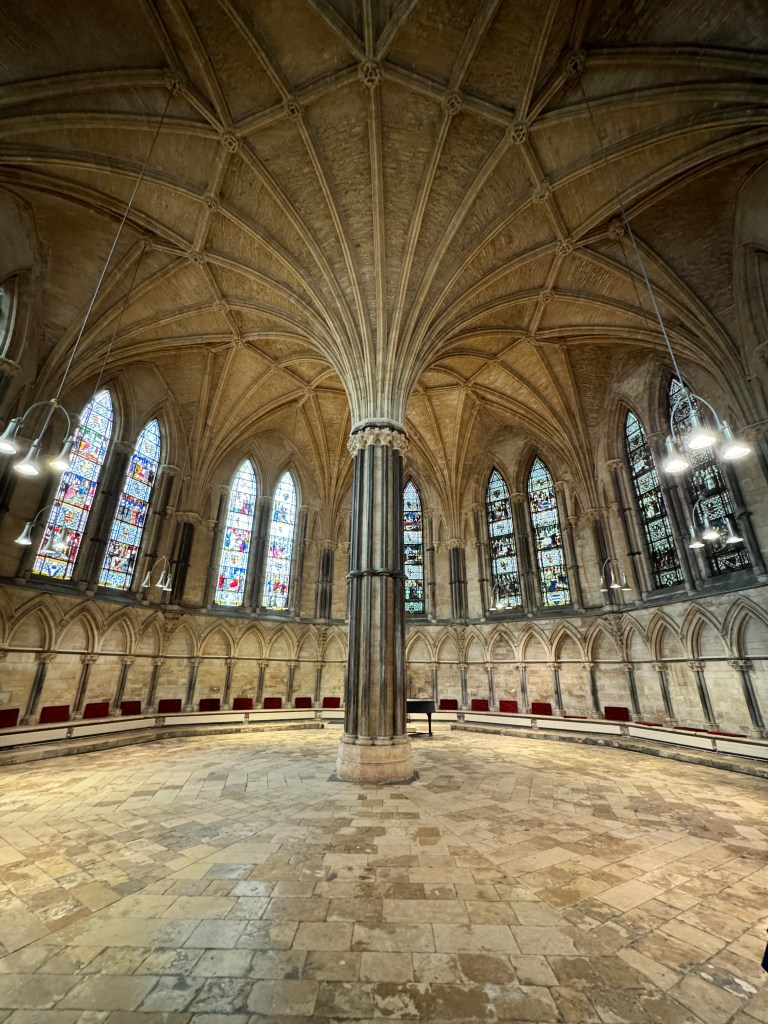
    The Chapter House inside Lincoln Cathedral

    I had also read about a slightly more recent bit of quirky history to do with Lincoln cathedral. The story goes that a boy, Gilbert Bell, was playing with a tennis ball in the shadow of the cathedral, all the way back in 1914, when it unfortunately became stuck in the mouldings of the building. It was too high to even entertain the thought of climbing up to retrieve it. And there Gilbert’s tennis ball has remained! 110 years on, the tennis ball is still lodged in place – and I managed to find it!
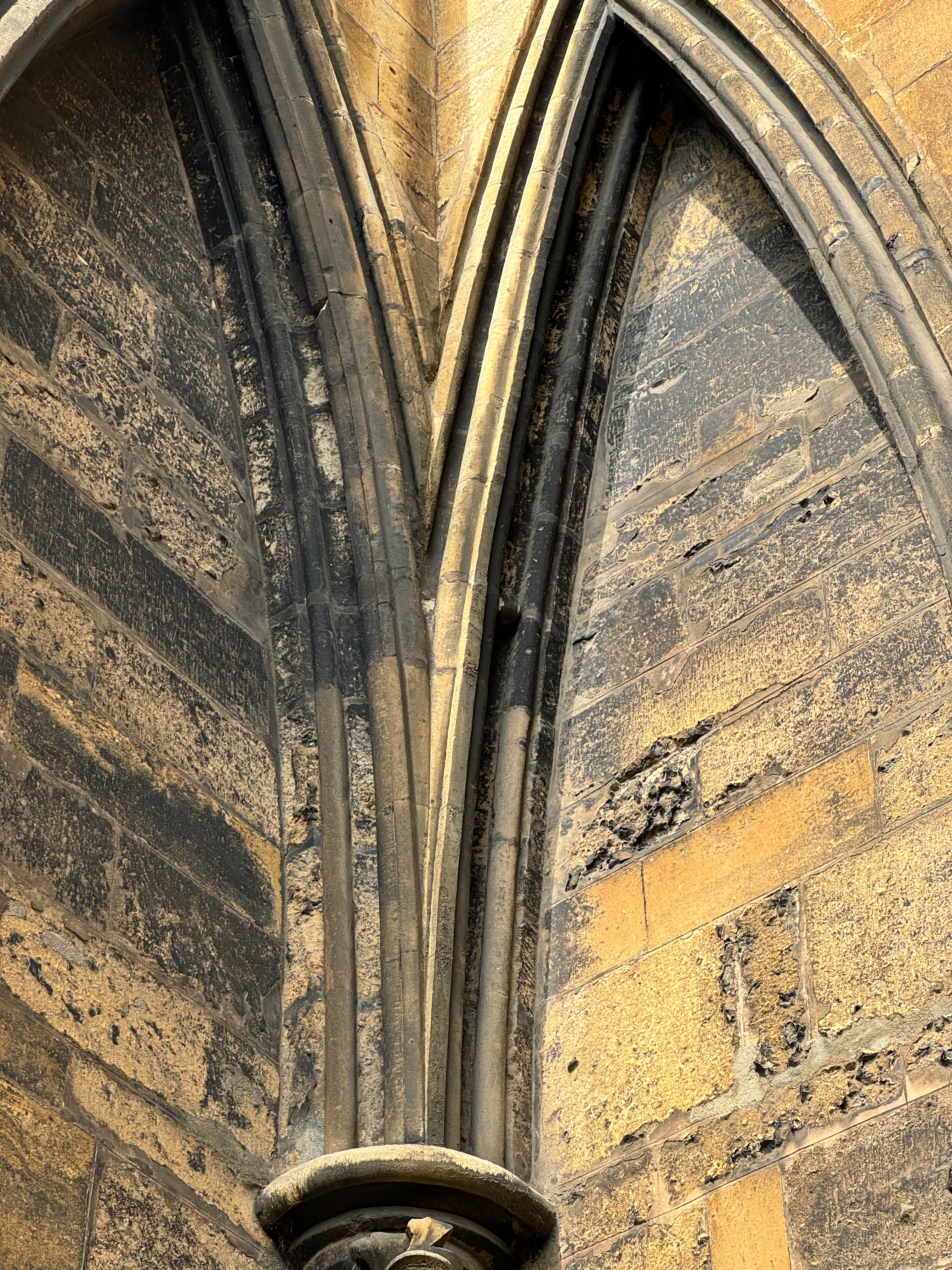
    Gilbert Bell’s tennis ball, lodged in the mouldings of Lincoln Cathedral since 1914

    The final stop on the road trip was to Boston. Boston is famous for being the place a lot of the first pilgrims that travelled to the USA came from – and that is very much what the town shouts about. References to the pilgrims are everywhere – in statues, in street names, in pubs. I don’t want to be too negative about the place, but I can understand why the pilgrims were so keen to leave! Of course, the Boston in Massachusetts, USA takes its name from this Lincolnshire port.

    Yes, Boston is a little on the rough side these days. A lot of it needs regenerating, I was wary of the locals and I made sure I wasn’t still out after dark. But our accomodation, the Quayside Hotel, was a gem. Its owners were actually once winners on the Channel 4 show Four in a Bed. The rooms were small but had everything I could wish for.
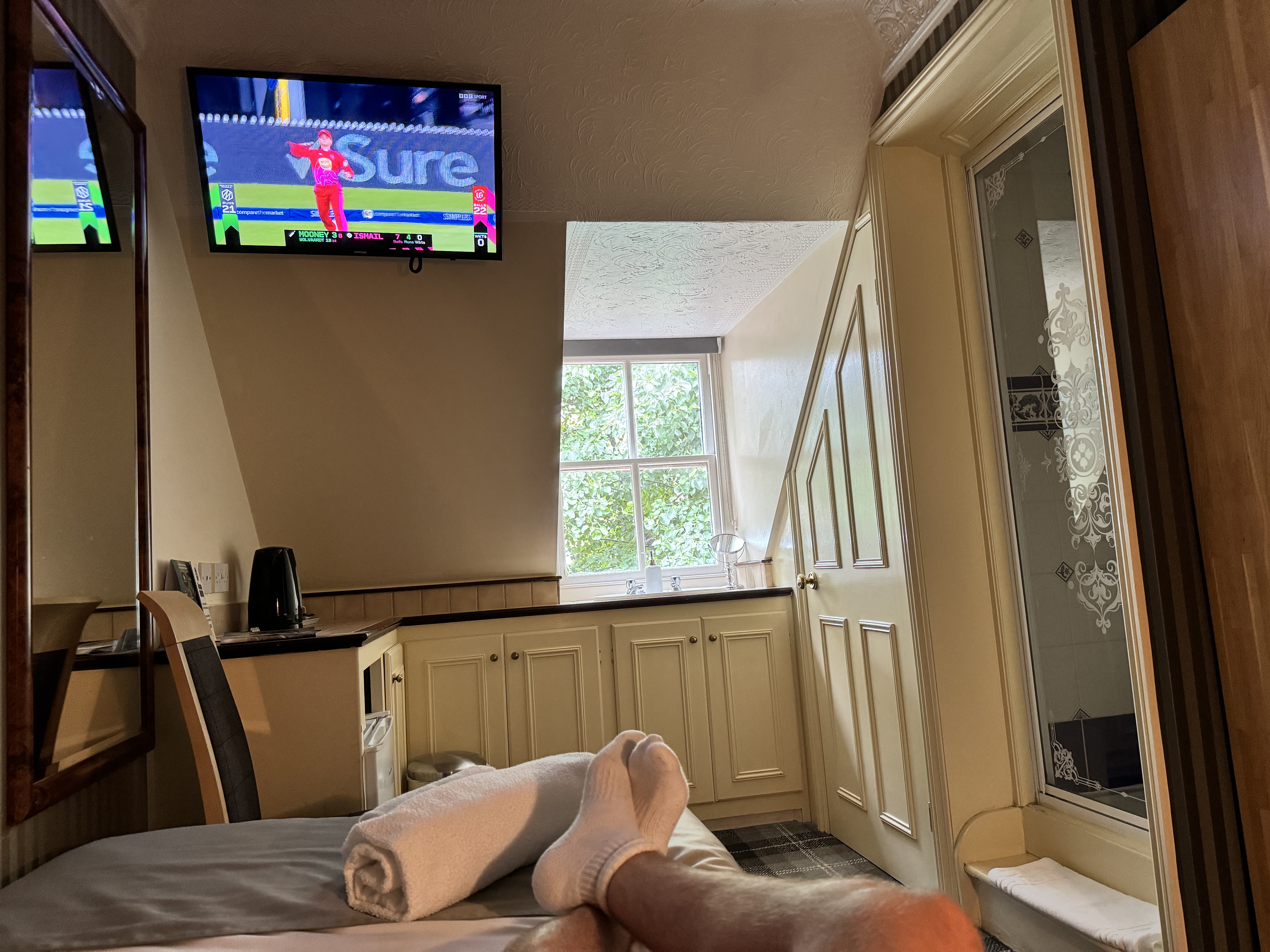
    Relaxing on my bed in the Quayside Hotel, Boston

    Undoubtedly the jewel in Boston’s weathered crown is St Botolph’s Church, known locally as the Stump. The sheer size of what is simply a parish church would put many cathedrals to shame. We had a great time wandering around, taking in all the details, and watching resident ‘morale assistant’ dog Morse running around with a tennis ball.
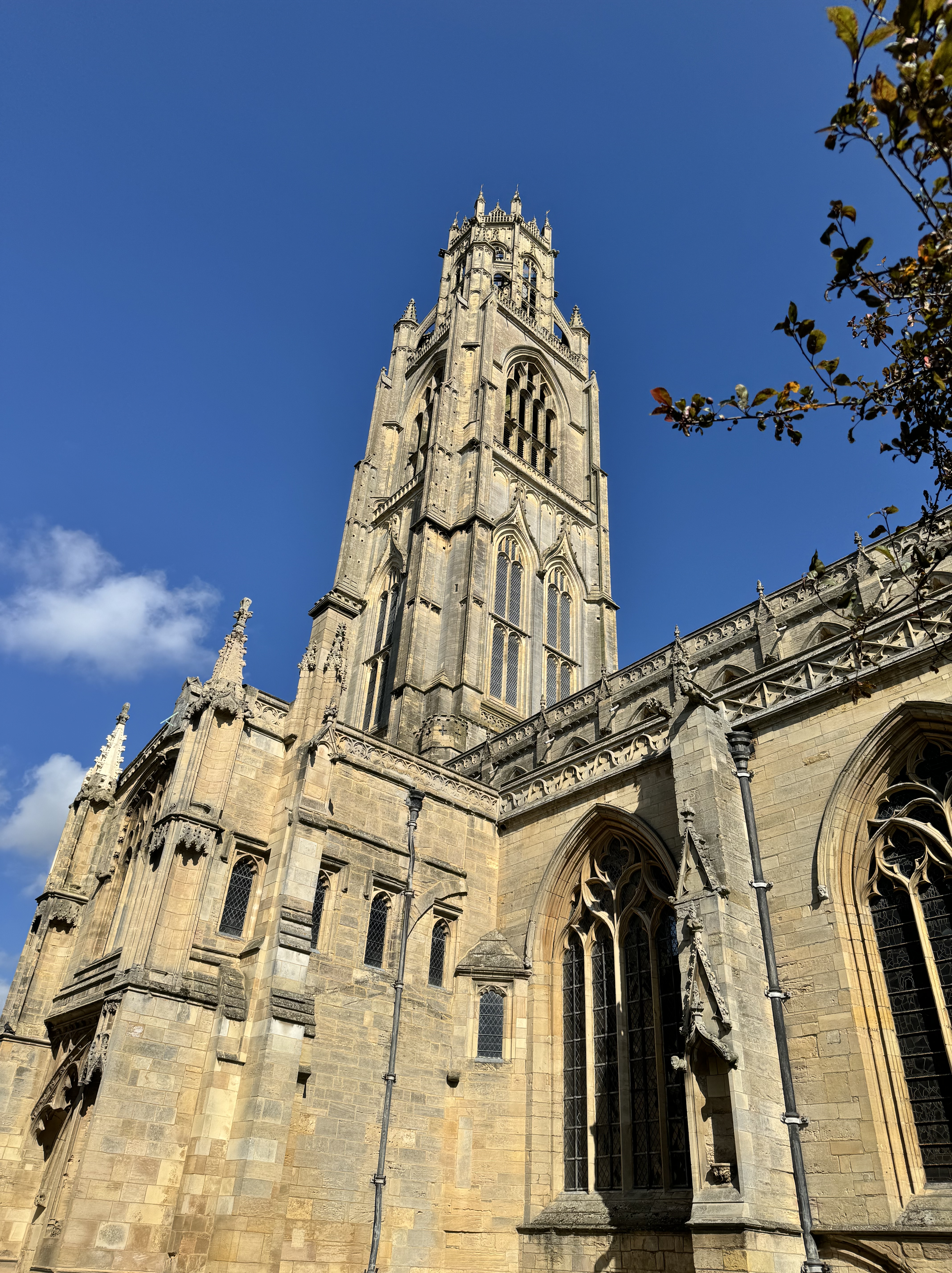
    St Botolph’s Church, Boston, knows as ‘the Stump’

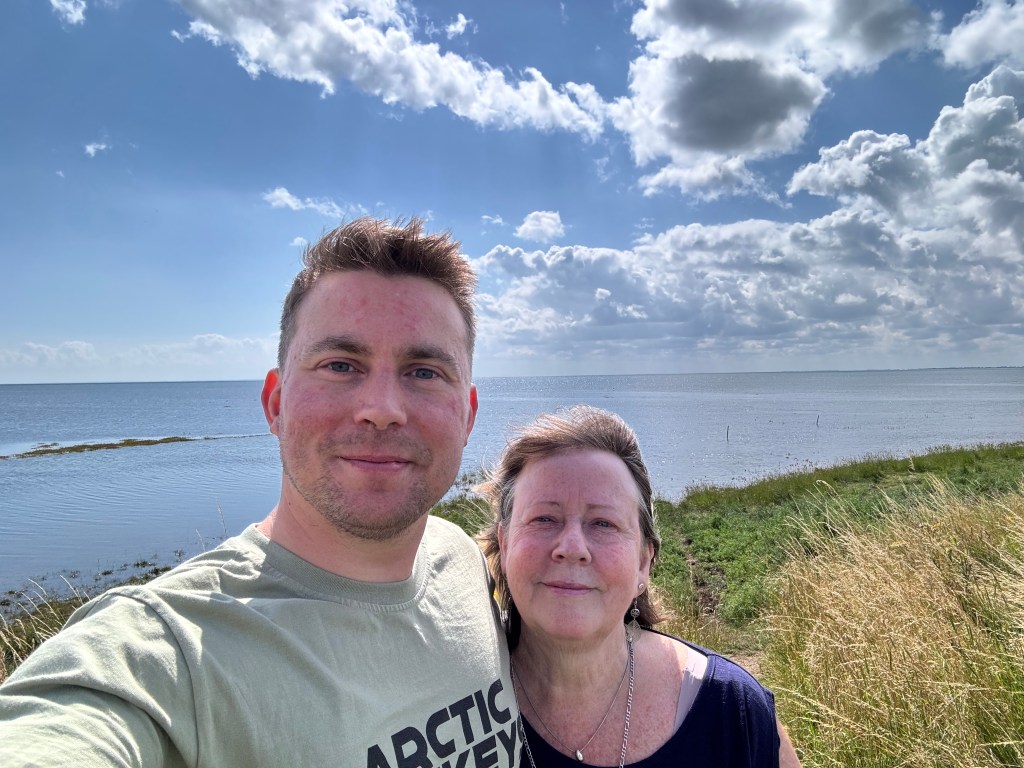
    And so to Friday morning. Mum wanted to go to the coast, look back over the Wash to the shoreline of Norfolk, and take in the view that she had so often seen from the other side. We achieved this at a salt marsh about twenty minutes from Boston.
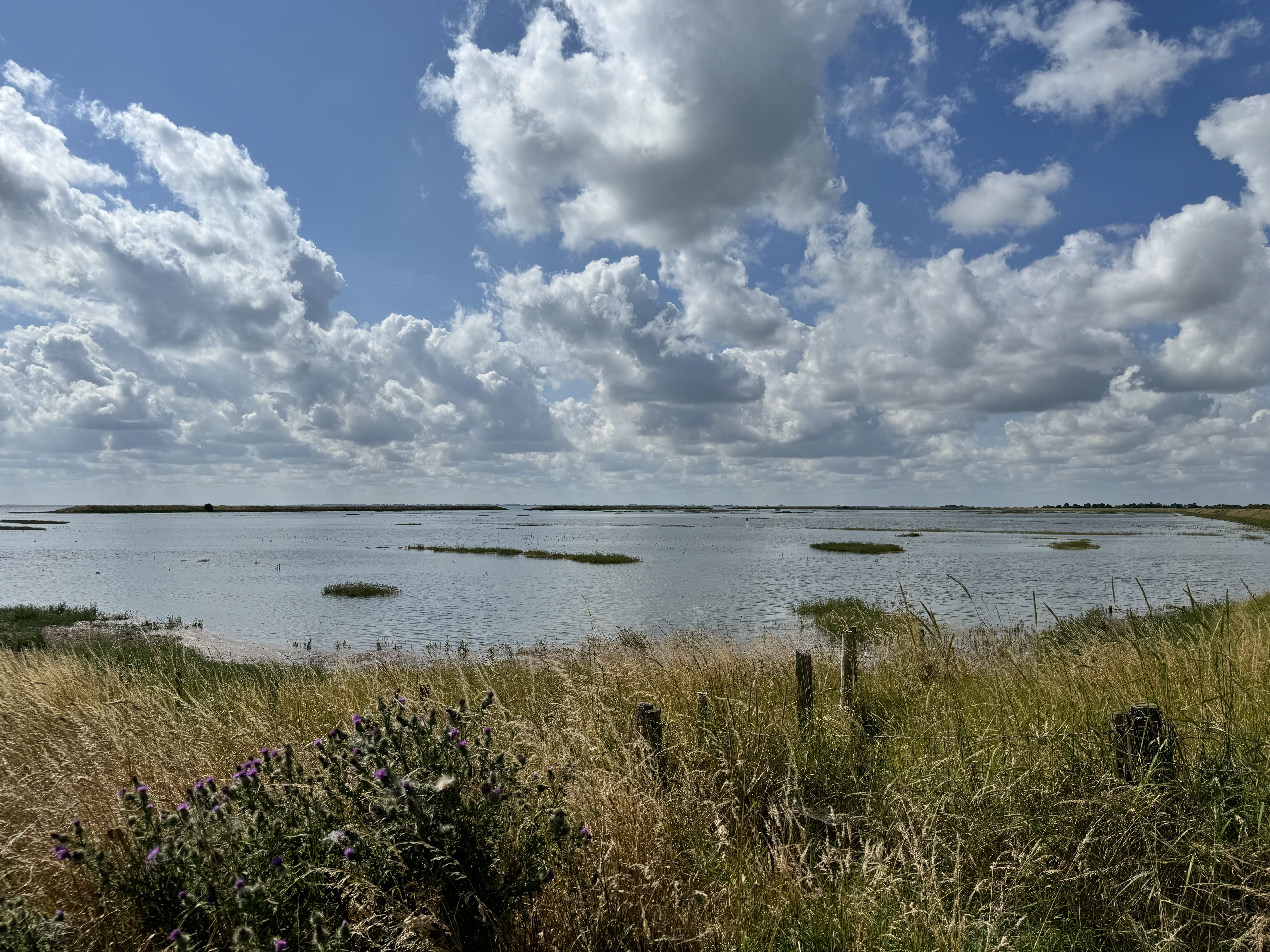
    Salt marsh near Boston. In the distance you can just about make out the Norfolk coastline (the Hunstanton/Heacham area)

    Then it was time to head home. Another lovely holiday is over, and on Sunday it’s back to the Misery Dome (i.e. work) for me. But I have really enjoyed myself. It’s been lovely to get away, to recharge, to see some new sights. I’ve even walked in the footsteps of royalty. I saw a great day of cricket and discovered Lincoln. I come home happy.

    When’s the next one?

    Thanks very much for reading.

  • There’s history everywhere if you look hard enough – my little trip to Mundesley

    I’ve got some much needed time off work this week and, not wanting to waste it sitting around at home (though the snow has rather forced my hand on that one for the last couple of days), on Wednesday mum and I decided to go and see the sea.

    We ended up in Mundesley, a village I hadn’t been to that often and didn’t know that much about. I knew that a teacher I didn’t like at primary school lived in Mudesley, and I knew that Mundesley was the first place mum and dad took me for an outing after I was born. I don’t remember that, obviously, but I’ve been told about it. I’ve also been to Mundesley with my friend and her dog for a walk.

    When we arrived, the village was very quiet indeed, as you might expect in winter with the wind blowing and the temperature hovering just above freezing. Mum and I went to the cafe nearest the car park, where we sat in the window watching a procession of dog walkers heading down and then re-emerging from the ramp that leads to the beach. I had a coffee and a bacon and sausage roll. I’ve become something of a connoiseur of various pig products presented between two slices of bread, as my expanding waistline will attest to – Mundesley’s, for the record, was acceptable. Not the best I’ve ever had, but not too bad.
    After the cafe we went for a walk, taking in the Norfolk coast path and the various sights along the way. Mundesley is actually a very interesting village in an architechtual sense – there are a number of old buildings, quite grand in appearance, that I wish I could find out more about.

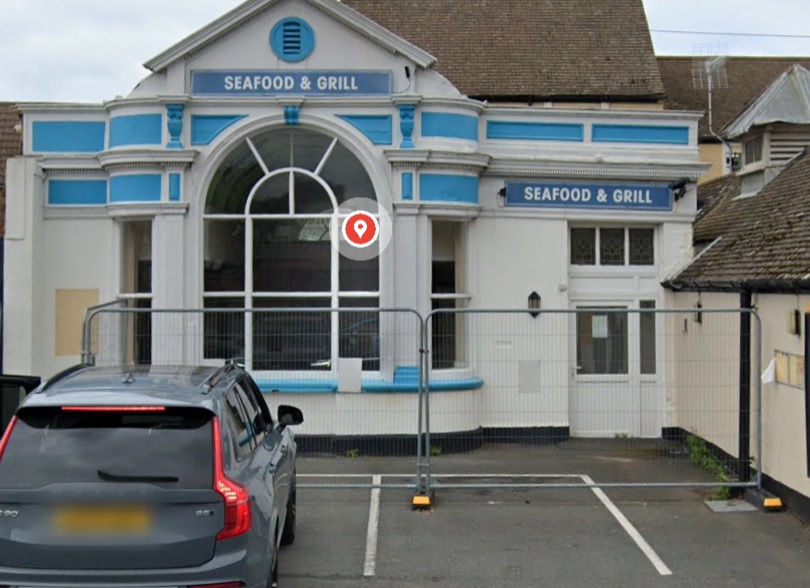
    Look at this building, for instance. I’ve had to get this image from Google Maps as I didn’t take many when I was there (my hands were too cold to hold my phone) but I can tell you that it looks exactly like this now. Empty.

    The architecture looks kind of art deco, I would say. It’s attractive, with its curves and big window. Yet it is underused, not being utilised to the extent that I’m sure the people who put it there invisaged.

    The research I’ve done suggests that this building, somewhat surprisingly, isn’t listed and that it was once called Bar Victoriana. Judging by its Instagram account, Bar Victoriana marketed itself as a trendy cocktail bar and occasionally had live music. The bar’s website is now dead, but on Facebook it appears to have closed in July 2019, with the promise of a ‘new seafood & grill restauarant’ on the way, which would explain the signs still on the outside. I can’t find anything about what happened afterwards, but I would suspect that the business may have been a victim of the pandemic.

    The building as it was in September 2008

    Mundesley has plenty of Victorian buildings, probably due to the arrival of the railway (long gone) in that period that turned the village into a holiday resort. Some of them are made out of local stone, given them an unusual appearance, while others are built from the red bricks you would expect of the Victorians.

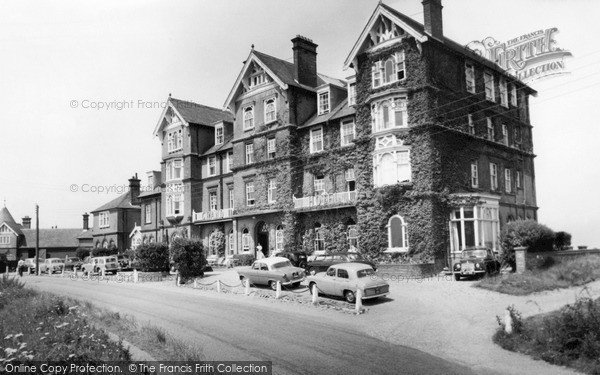
    There are two imposing former hotels in Mundesley that demonstrate its past glory as a Victorian seaside resort. The photo below shows The Grand Hotel, as it was originally known, in around 1960:

    From what I’ve been able to find out, the hotel was renamed the Hotel Continental at some point after the Second World War. G. Laird, who took the more recent photo below, remembers three summer holidays in Norfolk during the 1960s and said the Hotel Continental ‘was then a very elegant building and was clearly a popular hotel’.

    It would seem the hotel later became apartments.

    Old hotels fascinate me – especially abandoned ones. You see, history isn’t about being nerdy and reeling off dates all the time. My interest in history comes from mentally taking a trip into the past and thinking about what the buildings and the places I can see used to do, and of the scores of people that would have used them in a former life. Think about all of the Victorians who would have come to that hotel for their bucket-and-spade holiday. How excited they must have been to be out of the city for a few days. Imagine them, dining in the hotel with a view over the sea. What would they think of it now? A bit run down, a shadow of its former self. That’s what intrigues me about this kind of thing.
    The other old hotel in Mundesley is the Manor Hotel. It was built in 1900, so slightly newer than the Hotel Continental, and was – as the name suggests – originally a manor house, converted into a hotel as the tourism industry took off. According to this newspaper article, the hotel ceased trading in December 2019 and a month later was up for sale (for what seemed like quite a reasonable £450,000). Of course, the pandemic was on its way shortly after, bringing with it a complete halt to tourism and leisure activities, so I don’t know what happened after that. The building stands empty, still showing evidence of the business that continued there until 3 years or so ago. Below is a photo I found online of the hotel in the month it closed:

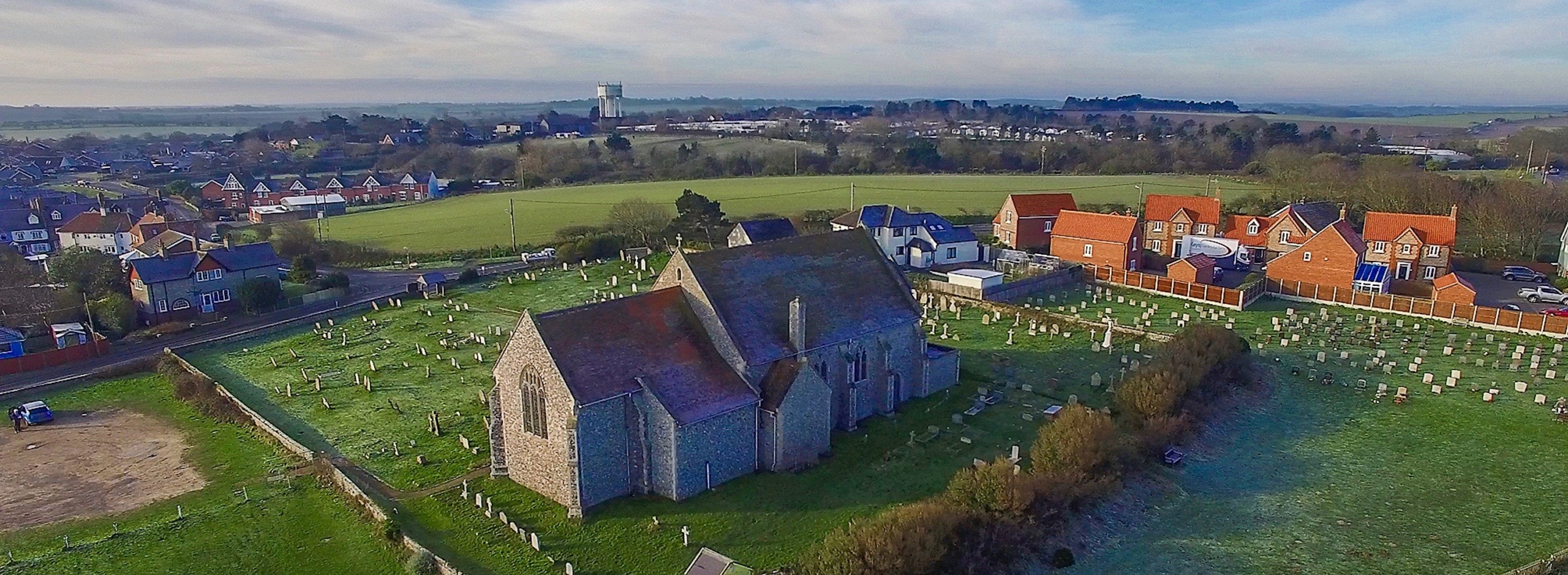
    Our walk also took in the impressive All Saints church, which stands alone and imposing on the cliff top. The church has Norman origins, but I learned that it stood virtually in ruins for about a hundred years until being sensitively restored (unusual for the time, I think) between 1899 and 1914 – this coincides with the railway and subsequent tourist trade coming to Mundesley, so they probably felt like they wanted to smarten the place up for all of its new visitors. The church is described in much finer detail than I can manage here.

    The church of All Saints, Mundesley

    On the wall of the church, we noticed a plaque dedicated to the residents of the London borough of Haringey who had died at Clarence House in Mundesley. We found The Clarence House later on in our walk, and it is a care home in what looks like it might have been another former hotel, but even looking online I can’t find anything about this perculiar dedication to people who came there from the capital. My theory is that some elderly residents of Haringey may have been moved out of bombed-out London to calmer, safer surroundings on the Norfolk coast, but I have no idea if I’m thinking along the right lines. If anyone reading this happens to know more, please do let me know.

    Speaking of the war, there is a large amount of evidence of Second World War defences in Mundesley. As well as a few pillboxes, there is a gun emplacement, built in 1940 or 1941. There is a newspaper article here about the community’s efforts to have the gun emplacement protected by Historic England. The gun emplacements are a stark reminder of how worried Britain was during the war about the enemy invading by sea and its extensive efforts to protect the coastline. The guns themselves were removed by 1946, but under the structure remains what would have been an accomodation area complete with bed frames. The future of the gun emplacement is a concern, with the underground section apparently now full of water and coastal erosion bringing the whole thing ever close to the edge of the cliff. I’m not that into war history, but I’d recommend visiting the gun emplacement at Mundesley while you can.

    The gun emplacement at Mundesley, pictured in 2016

    Part of our walk also took in Sea View Road, an untarmacked street separate from the main road. We found the number of seemingly empty but reasonably well-kept properties along this road odd, eventually concluding that this is probably an area of second homes – rich people, coming from outside Norfolk, who own properties on the coast that they only live in for some parts of the year. It’s a growing point of contention around here, and is already a massive problem in places like Cornwall.

    Our walk also took in this old brick kiln, right in the middle of what is now a caravan park and one of Mundesley’s listed buildings, and some evidence of coastal erosion:

    With a little help from a bus, we were back where we started and some (very good) chips for lunch brought a lovely little trip to the seaside to an end. I left knowing more about this small village of the North Norfolk coast, and reminded that everywhere has a story to tell if you look hard enough. I urge you to go out there and explore!

    The route of our walk
  • The theatre, the sights and the hilariously awful hotel – my 26 hours in London

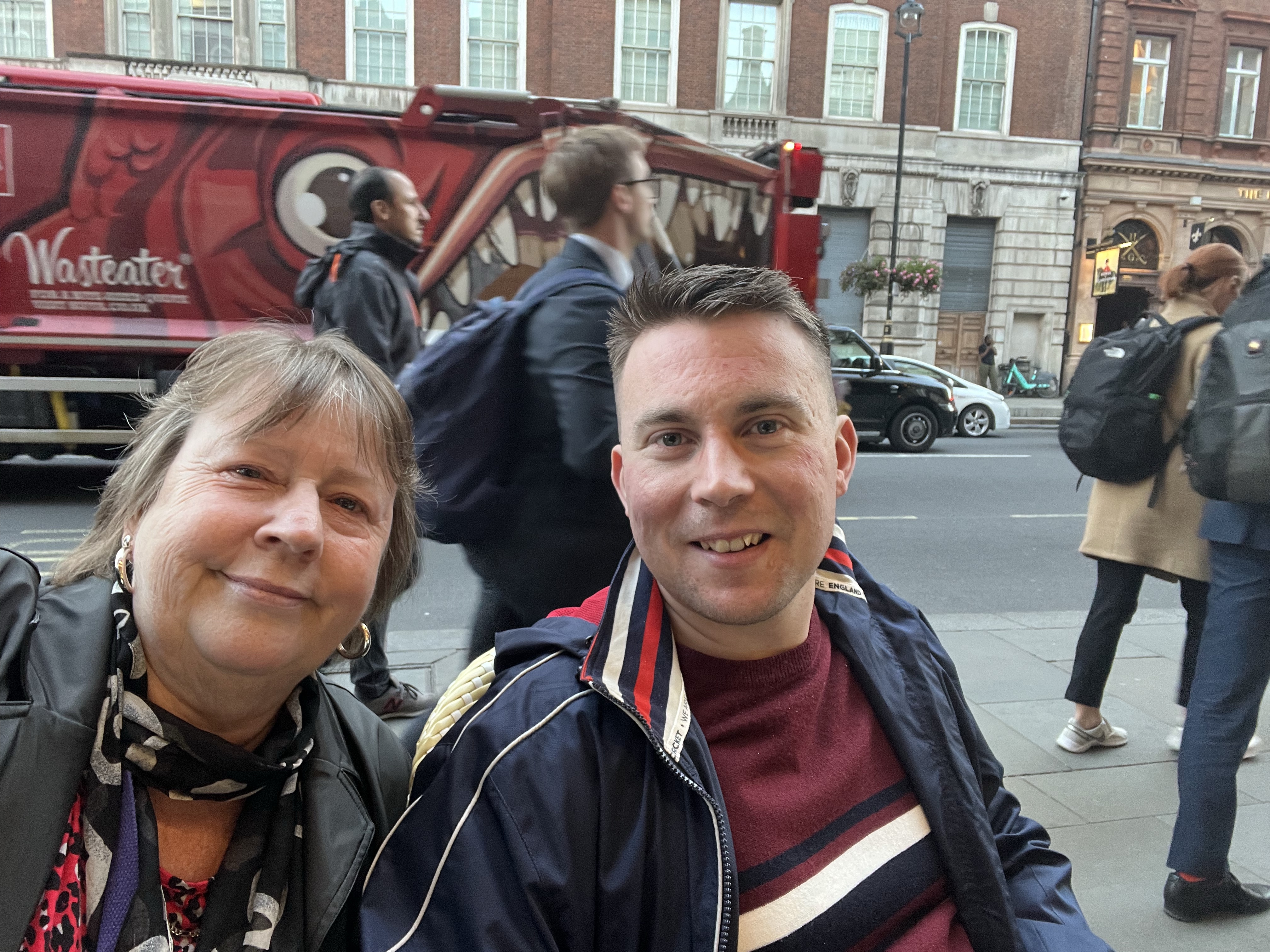
    Sitting outside a cafe in Whitehall, with one of London’s finest Wasteaters in the background

    I’ve been finding things a bit tough recently, so a week off work was very welcome. Unfortunately, on only the second full day of my holiday, I woke up with a horrendous sore throat and spent the rest of the week somewhat under the weather, even spending one day in bed.

    Still, I was not to be defeated and after a bit of a walk at North Elmham and lunch in the grounds of Wymondham Abbey with an old friend from university on Wednesday, it was off to London on Thursday morning. I had bought my mum and her other half Dave (Stephen to me) a gift voucher for Christmas, enabling them to go to a show of their choice at one of the capital’s theatres. They, in turn, bought their friends one and planned to go to Jersey Boys together. I have loved going to London ever since a school trip to the Natural History Museum in 2006, and am reasonably good at finding my way around the city, so I tagged along as their guide.

    We caught our train on time from Norwich and it sailed into Liverpool Street without delay – so far, so good. It was then onto the Tube, headed for Victoria. Our hotel for the night was within walking distance. There are many hotels in London that look like The Grapevine from the outside. It’s common for an old townhouse to have been turned into a hotel. I’d even stayed in one on a visit last year, the Berjaya Eden Park overlooking Bayswater Tube station, and that was fine.

    The Grapevine was not fine. A sign on the front door told us to check in at The Sheriff next door, and we received the keys there. Not only the keys to our rooms but to the hotel itself. Despite check-in time being 2pm and it being just past then, I was told that my room (ominously, in the basement) was still being cleaned.

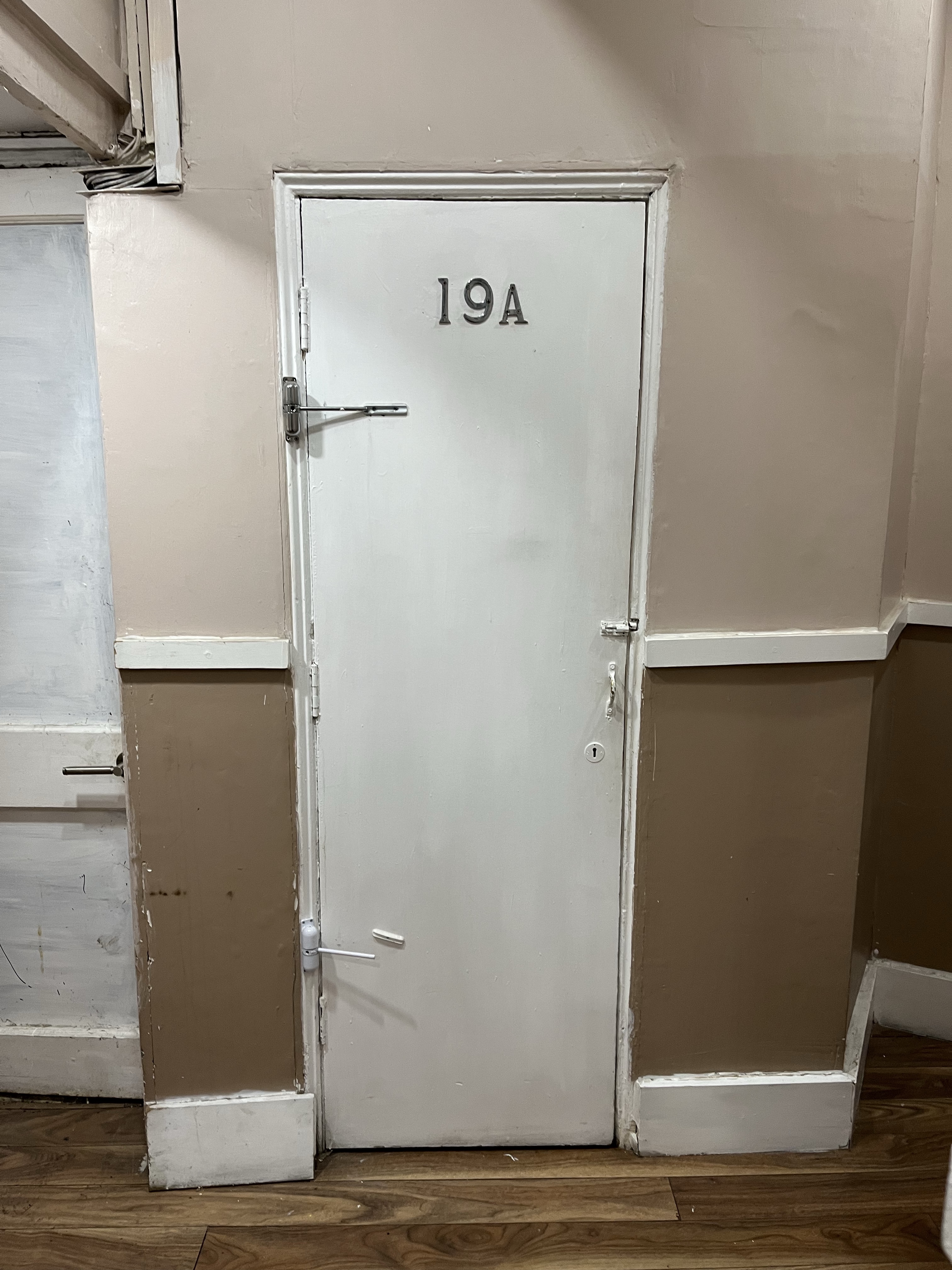
    To be fair to them, it was ready within about five minutes and, while the others went to their respective rooms, I descended to the basement. I was to be in room 19A!

    Come on in, sleepy head, a comfy bed lies just behind this, er, cupboard door!

    Ah. Had the door not had ’19A’ on it, I would have assumed it was a storage cupboard of some sort, and I don’t think that’s an unreasonable leap to make. My hopes were not high as I passed through the door. There was a kind of air lock between it and another door, which thankfully the key I had been given did unlock.

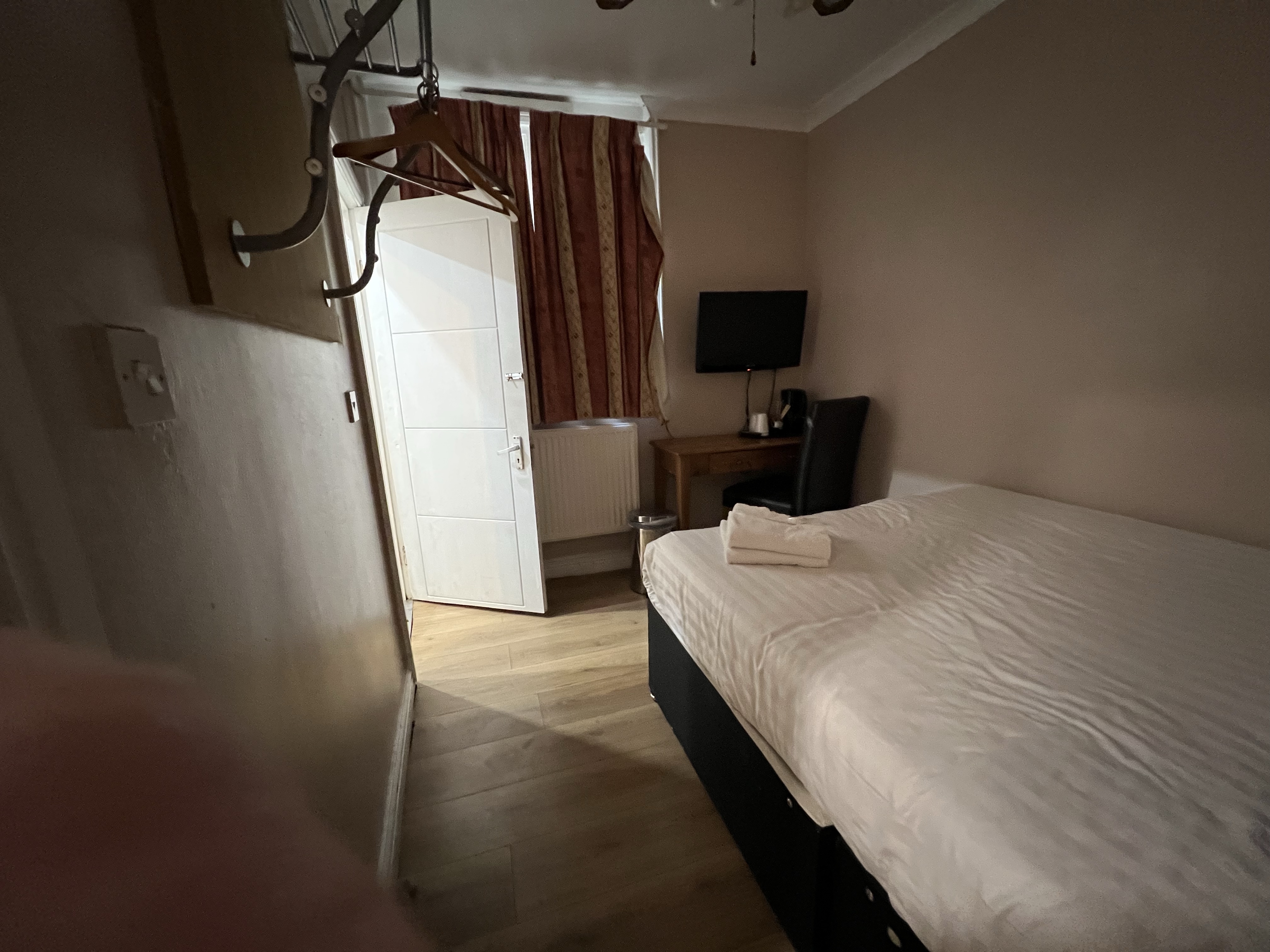
    Room 19A at the Grapevine Hotel

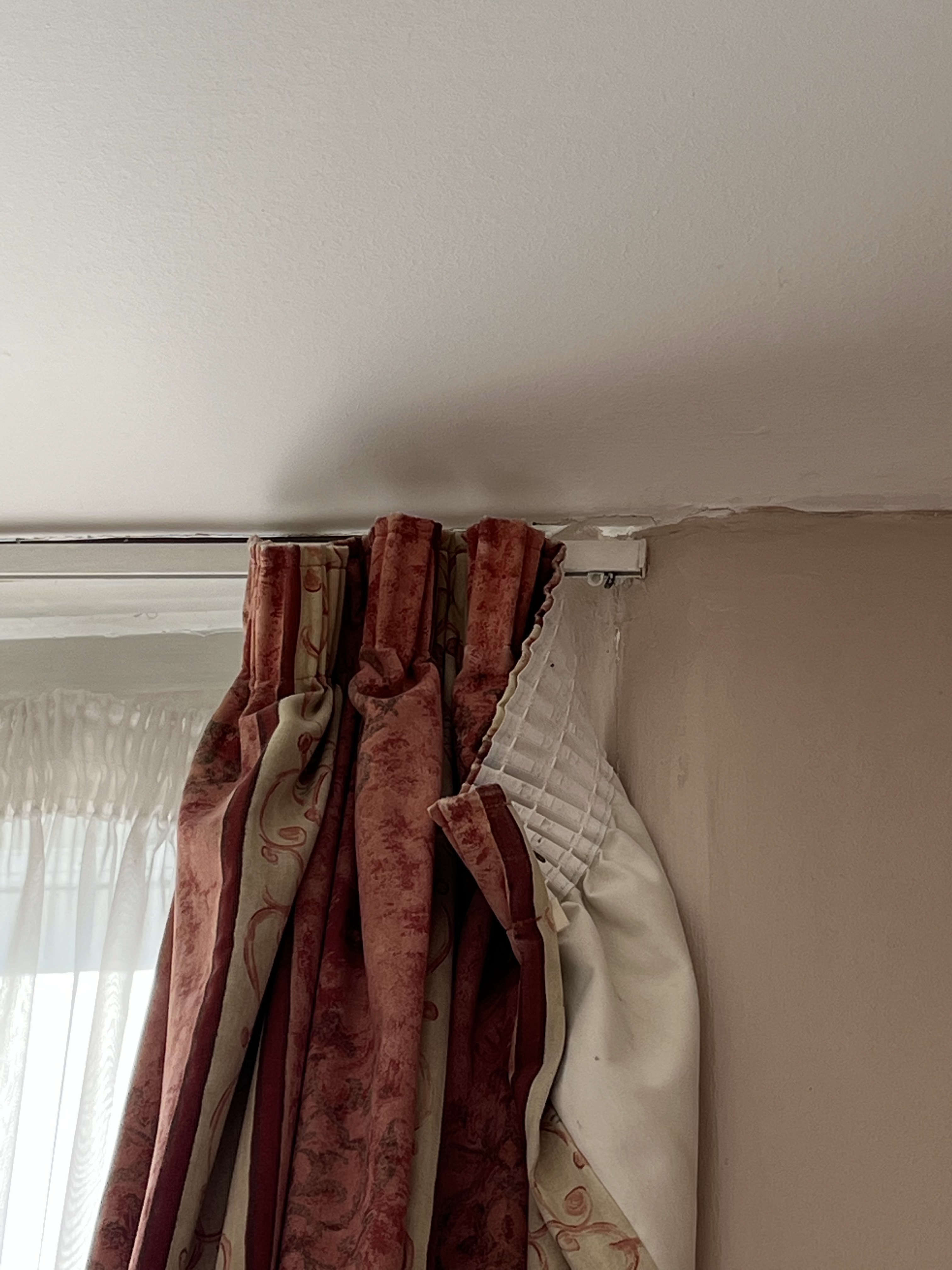
    I have never walked into a hotel room and burst out laughing before, but that was exactly my reaction to room 19A at the Grapevine. It was so hilariously bad, so miserable, so dirty, that laughter was all my brain would offer me. Being in the basement, I had feared that would mean no windows, but my eyes were drawn to light coming from behind a pair of curtains. The curtains were drawn, but hanging on to the rail for dear life. Some daylight would improve the situation I thought. I pulled the curtains and immediately discovered why they had been closed.

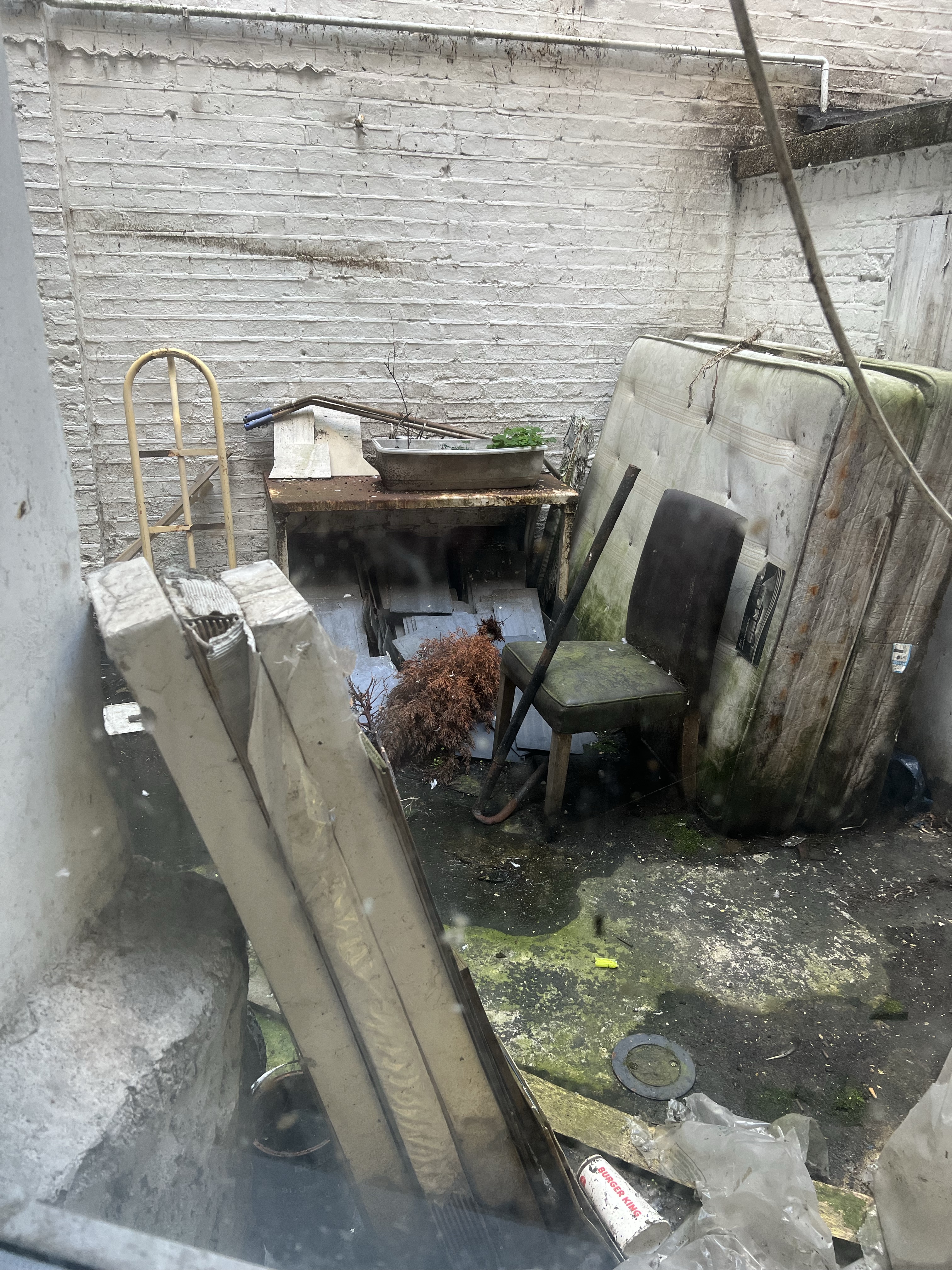
    The stunning views from my original hotel room window

    I wasn’t expecting to see Sydney Opera House, the Hanging Gardens of Babylon, or even the sea – but my laughter became almost uncontrollable upon seeing the view from my window. I quickly shut the curtains again, deciding that darkness was preferable. My phone received a text.

    “Omg it’s appalling” were the words my mother had sent me. Any thought I might have had that it was only in the basement that the Grapevine became more Nits than Ritz was dispelled in an instant. Most people on arriving at a hotel would settle in, maybe have a shower, relax – it turned out that all we wanted to do was leave again as soon as possible, and sure enough as I went back outside mum and Dave’s friends were already on the pavement.

    We did that very British thing where we tentatively enquired about each other’s thoughts on the place, just in case one of us was a big fan of having curtains hanging off the walls. Once we’d established that we all thought the place was indeed an almighty shithole, we discussed how we would deal with the topic around my mum, who had booked this hotel in the first place. We adopted a policy of not playing a blame game, instead laughing about the whole situation and saying that it would be fine for just one night.

    As we walked towards Buckingham Palace past Victoria Station, I spotted a Greene King pub. I know it’s a bit rubbish to go for a chain when you’re in one of the world’s great cities for food, but after the introduction to the hotel, I was keen to stick with the tried and trusted. Thankfully, the food was tasty and we walked toward the theatre in good spirits.

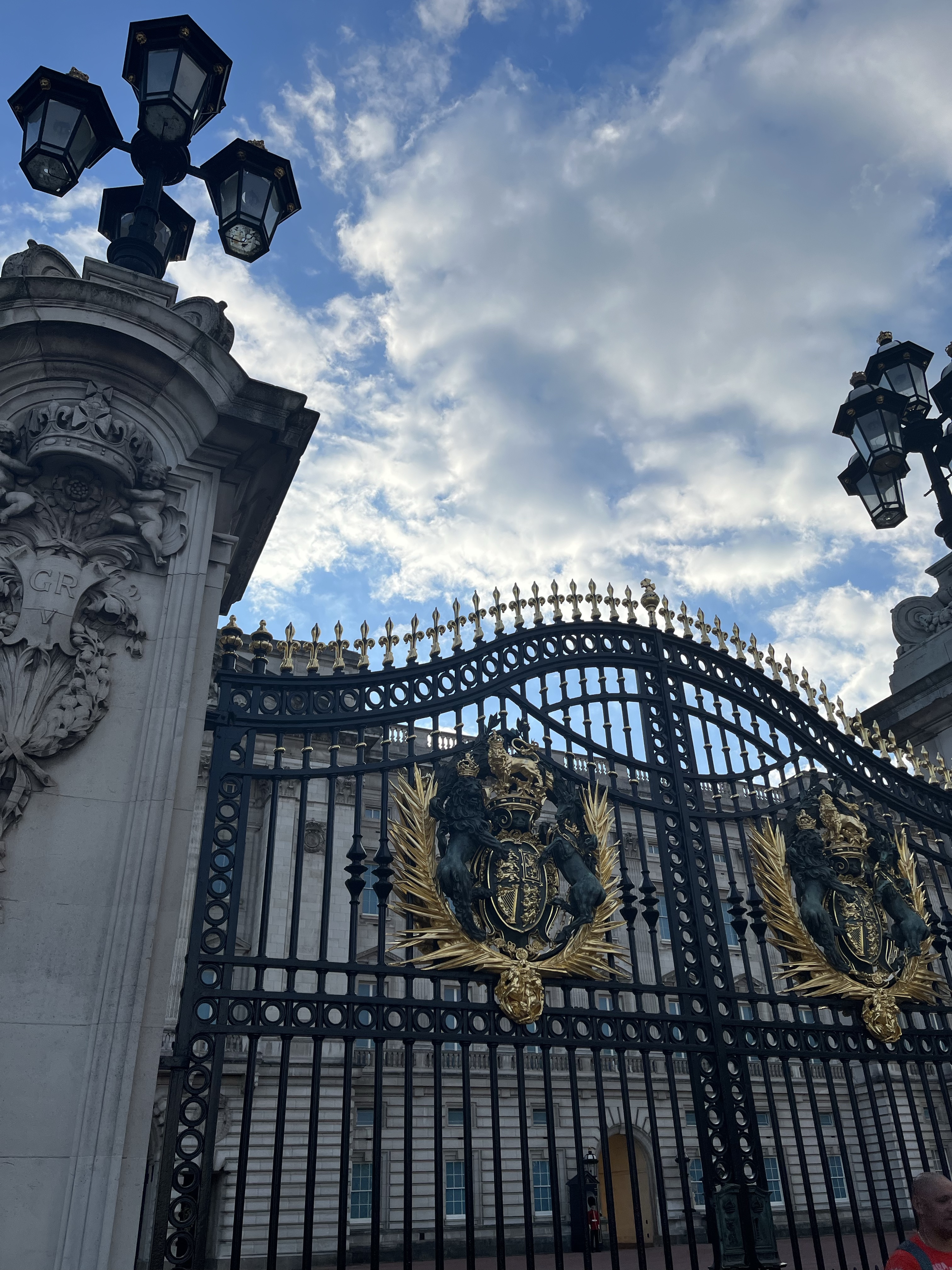
    It still doesn’t feel real that the Queen has died, and this was the first time I’d been to anything royalty related since. My mum had never been this close to the Palace before. We couldn’t walk up the Mall as it was closed in preparation for that Sunday’s London Marathon, so we had to take a diversion that did eventually get us to the familiar sight of Nelson’s Column. The journey took in Pall Mall, a street famous for the many clubs and societies based on it. Men in suits came out of the Royal Automobile Club and the Army and Navy Club, often into sports cars parked outside.

    We arrived at the Trafalgar Theatre. It was going well for me. I might have been on the trip as the guide but I am well known for getting myself lost (missing my turn off the M11 to Harlow and ending up in Walthamstow being my most famous misadventure) so to have got everyone safely to the hotel and then to the theatre was a big success. We had coffee and cake sitting outside an impossibly posh-looking cafe opposite – people walked past in bow ties as I sat there in my joggers and wearing an England Cricket jacket.

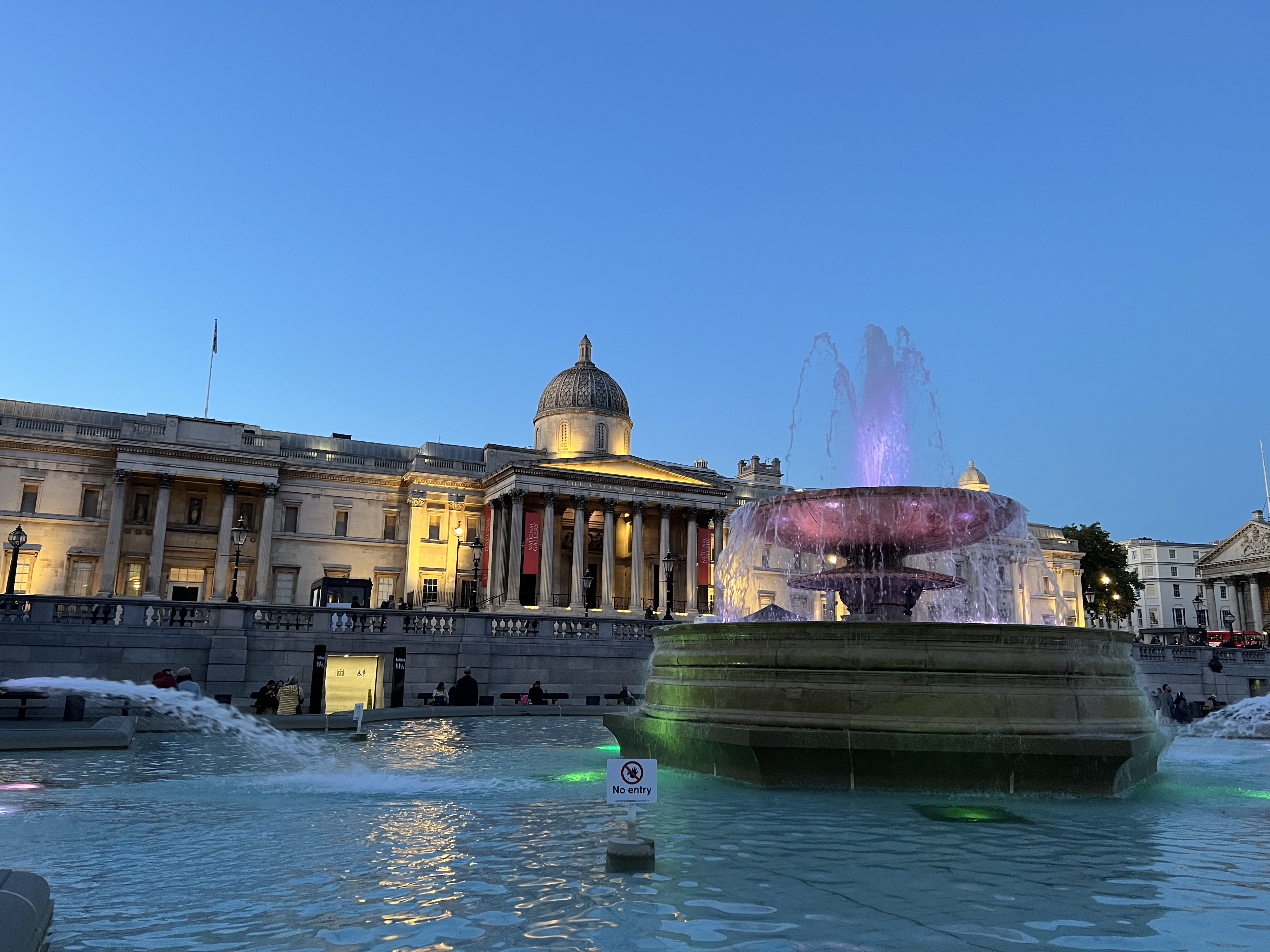
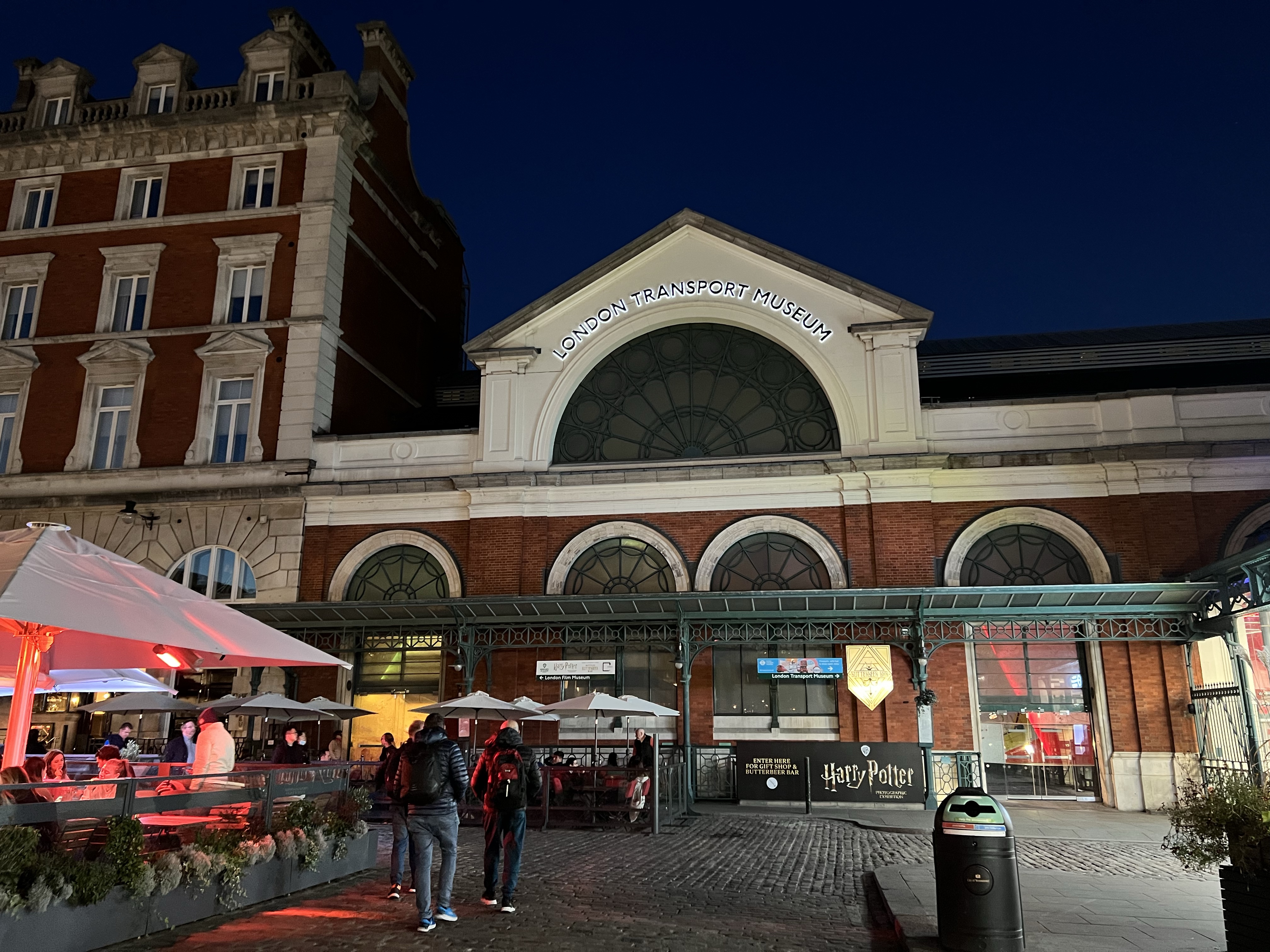
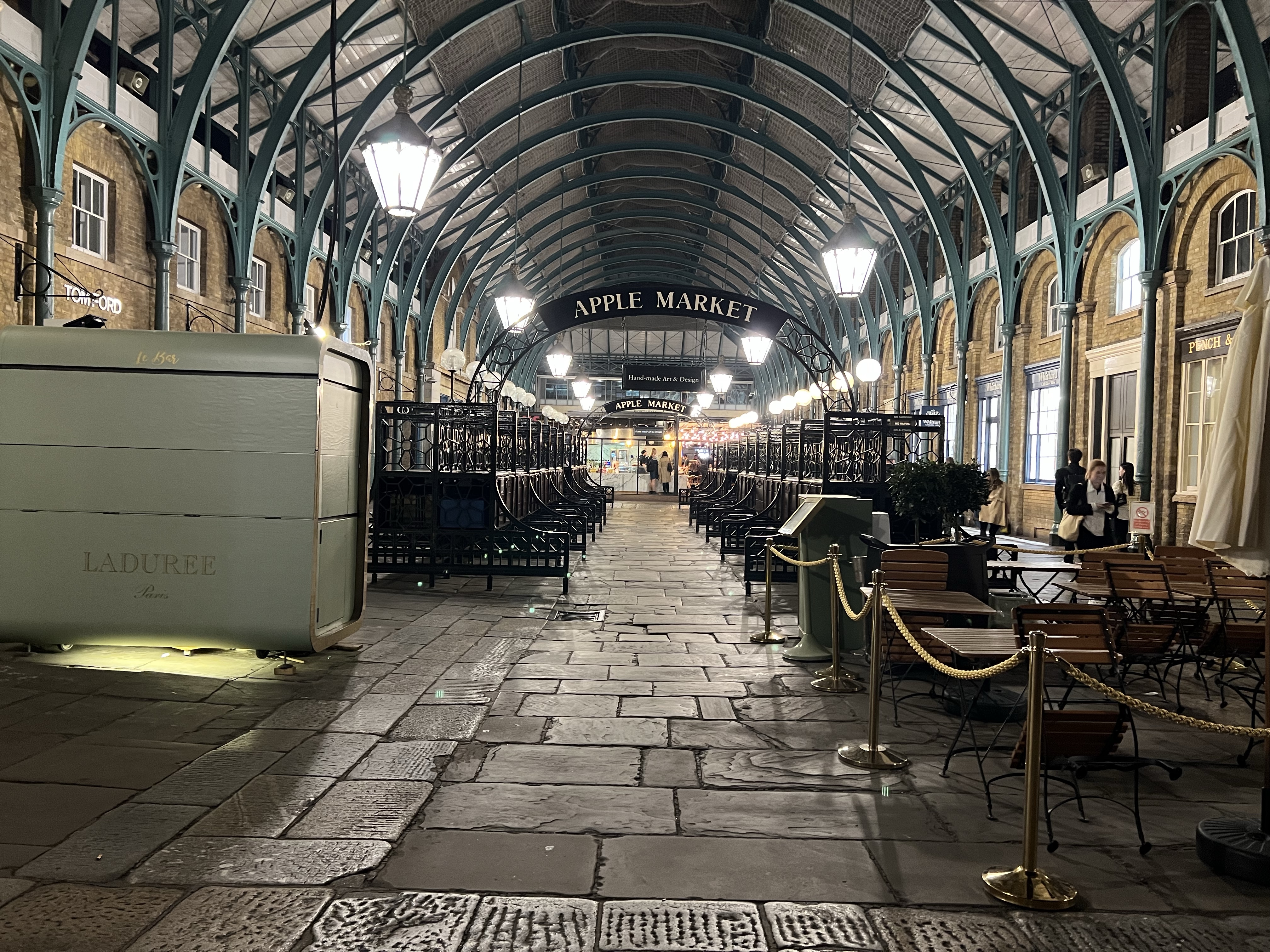
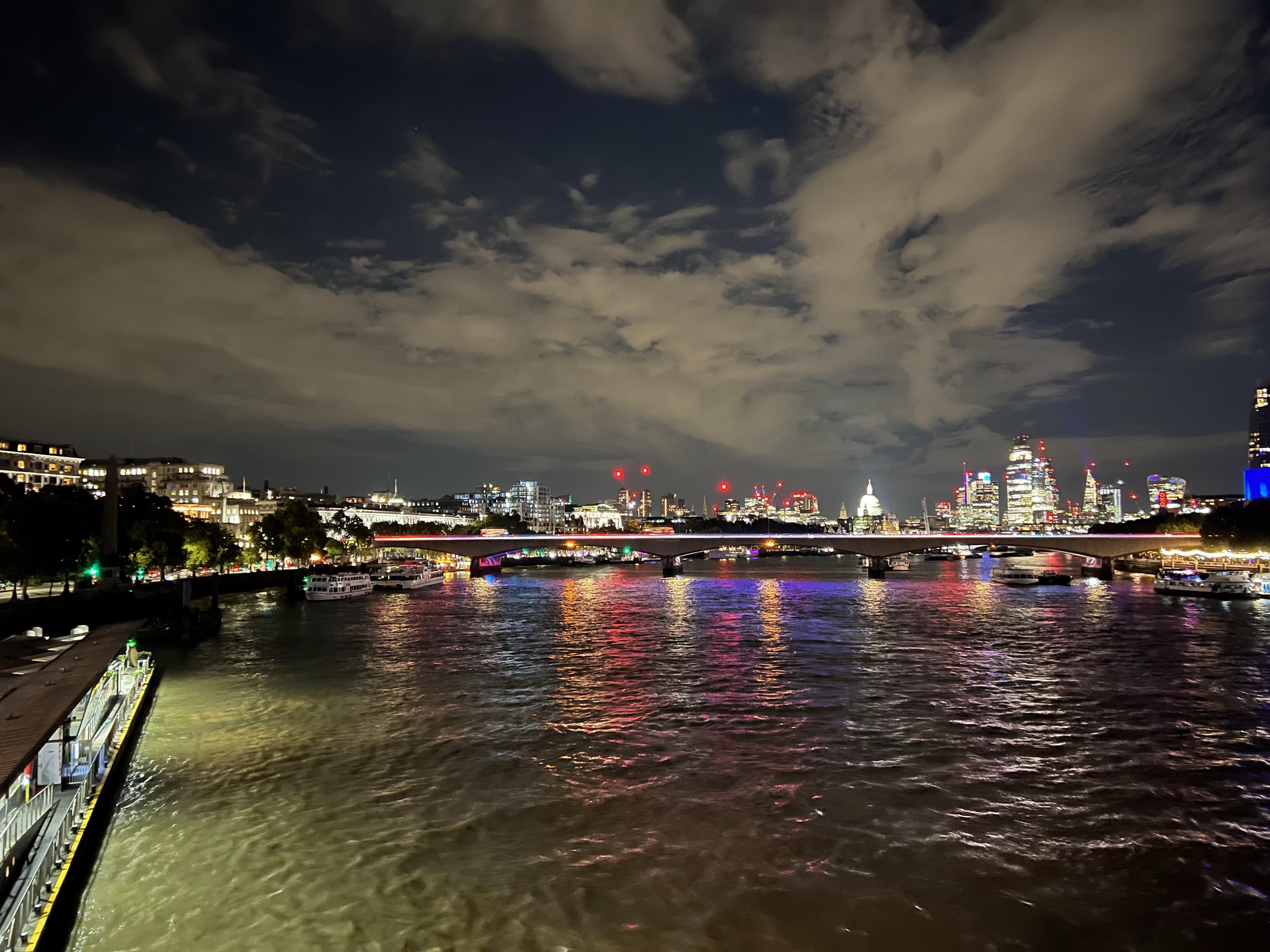
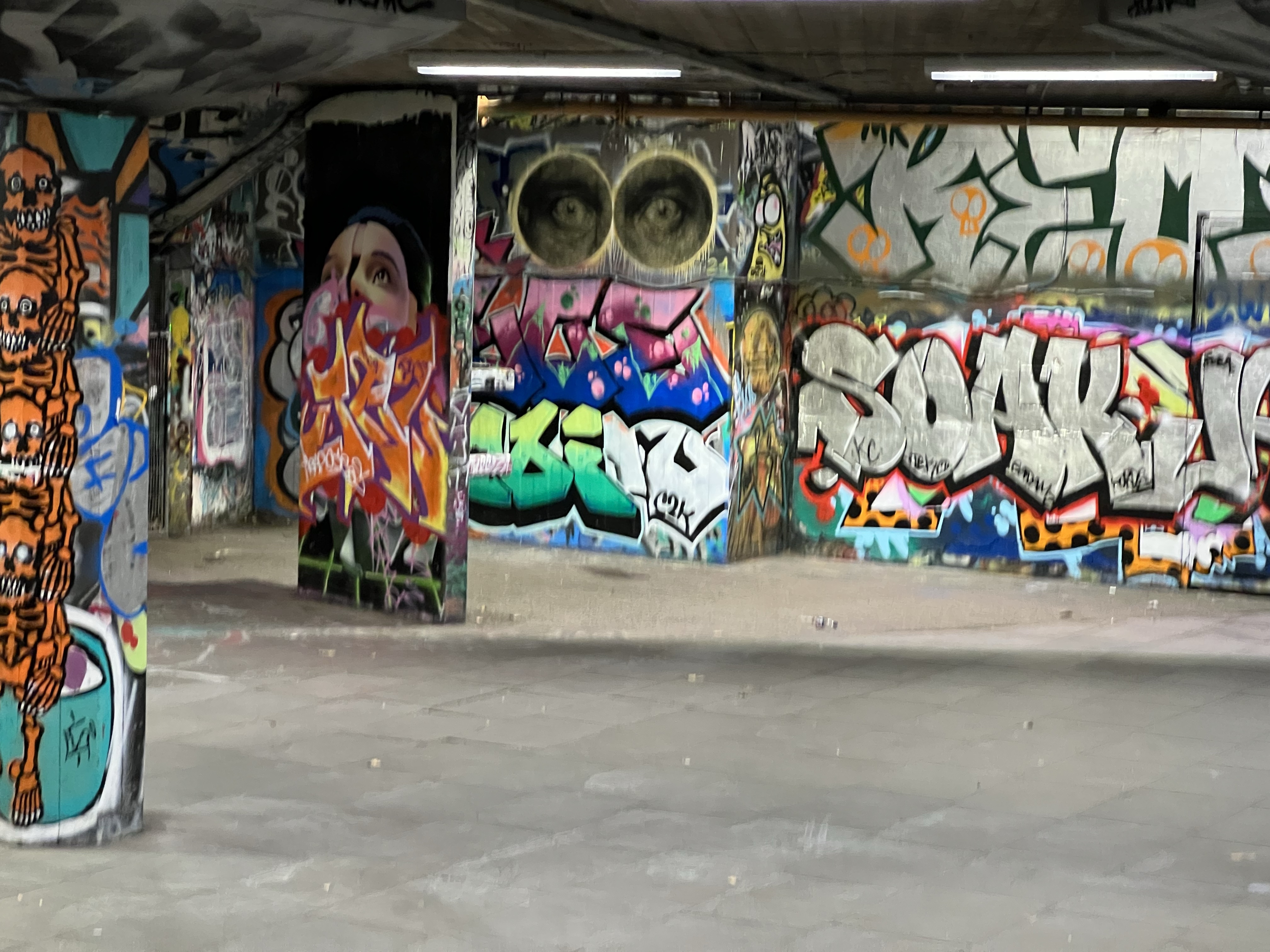
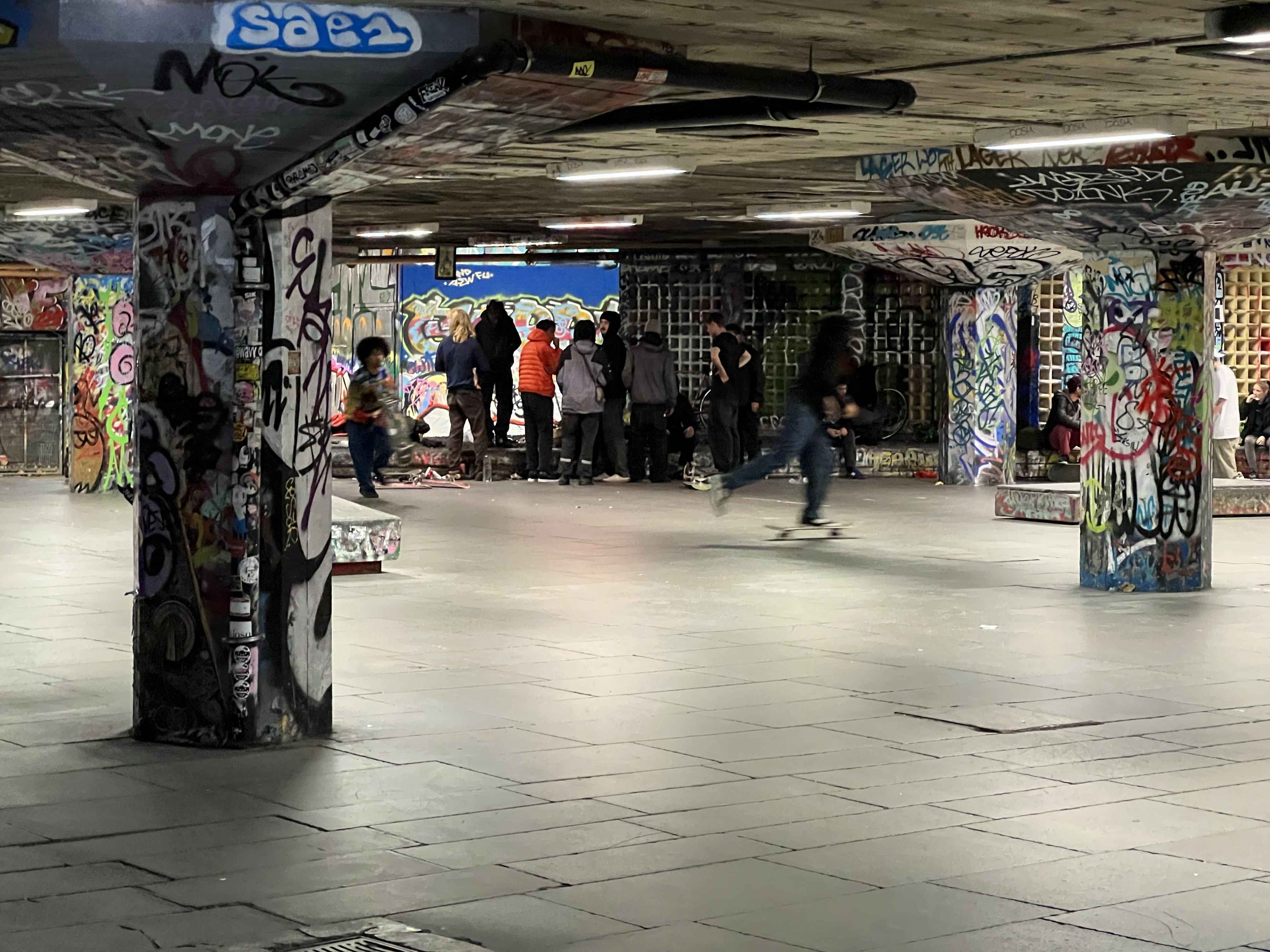
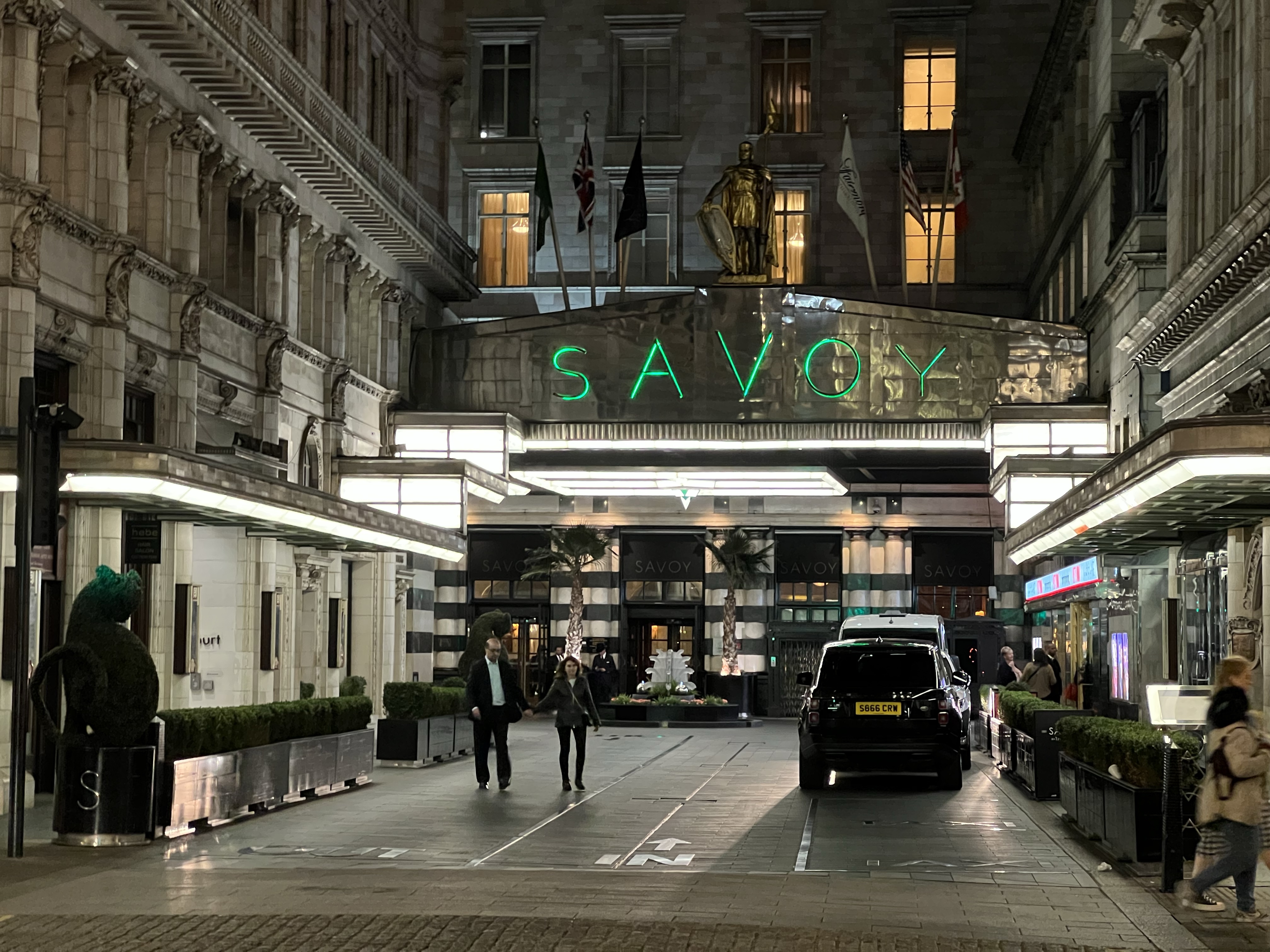
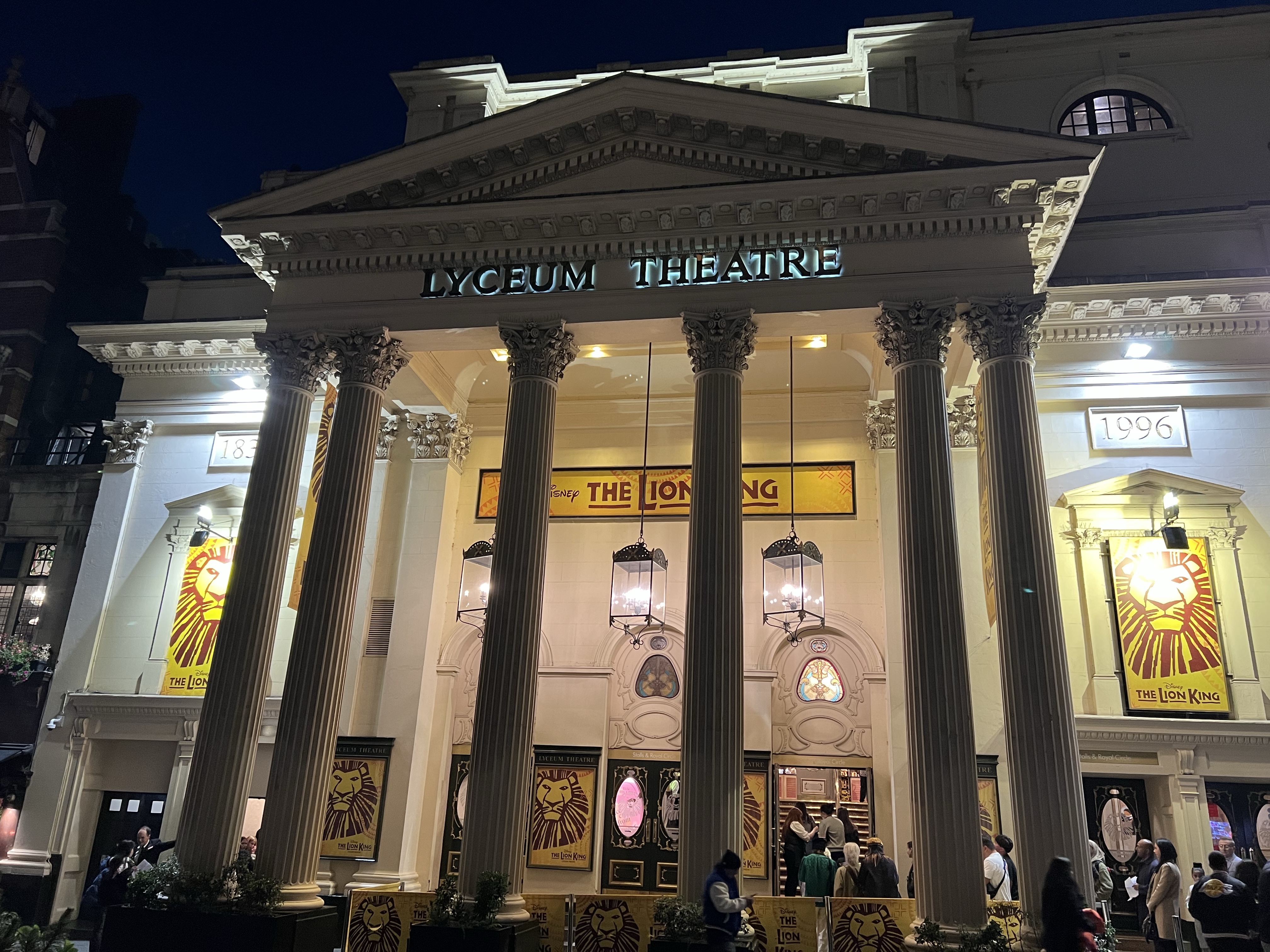
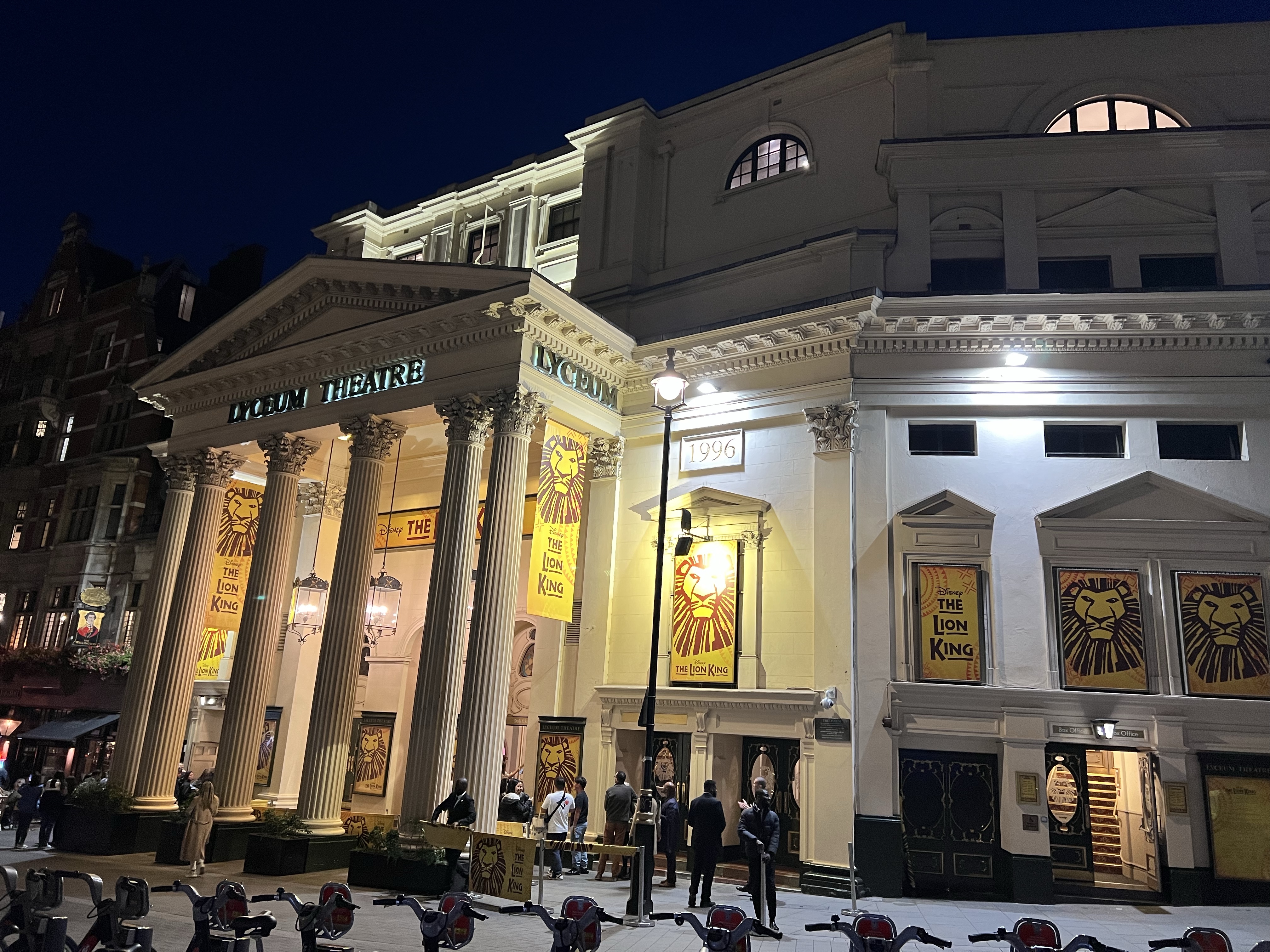
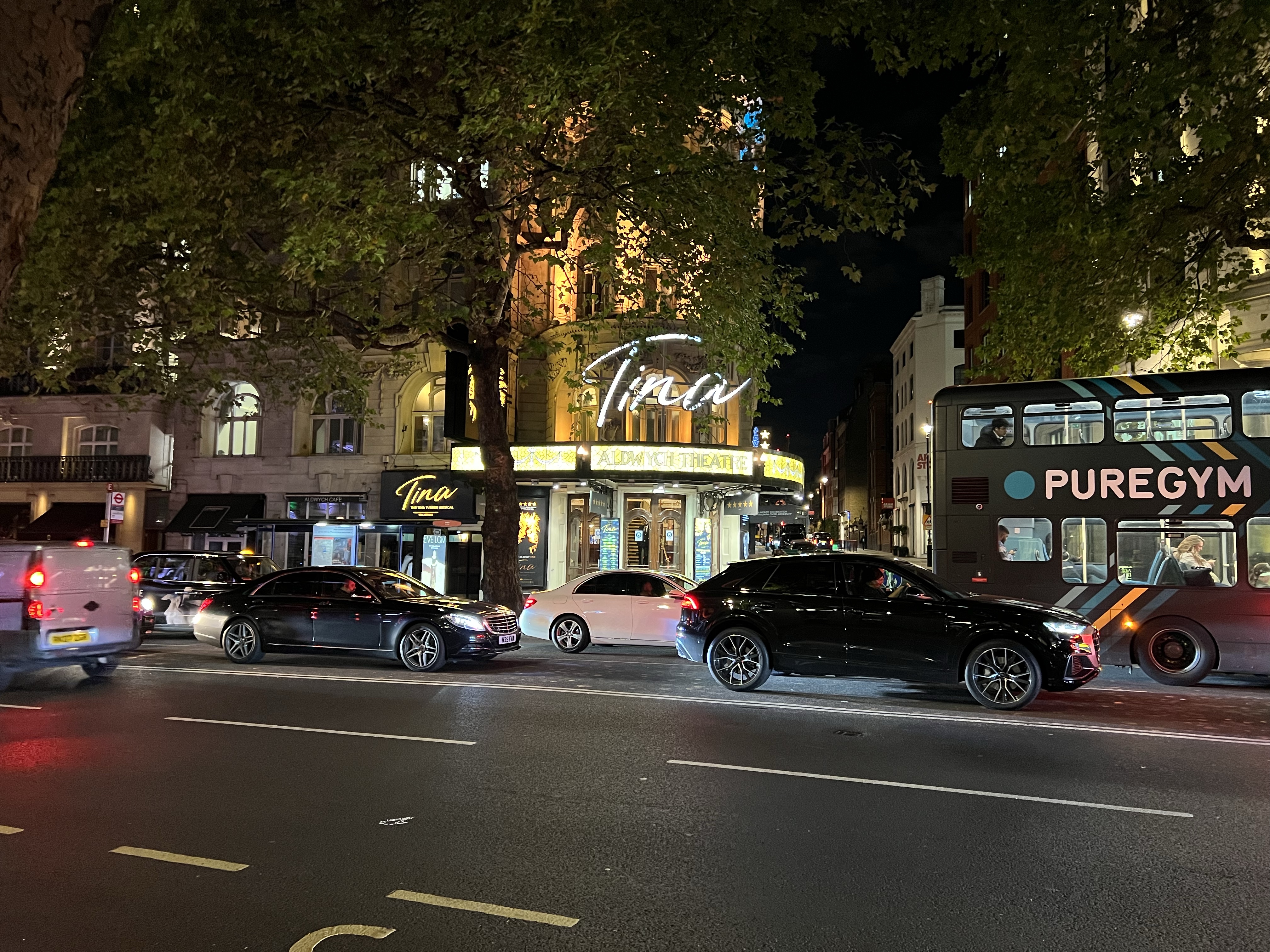
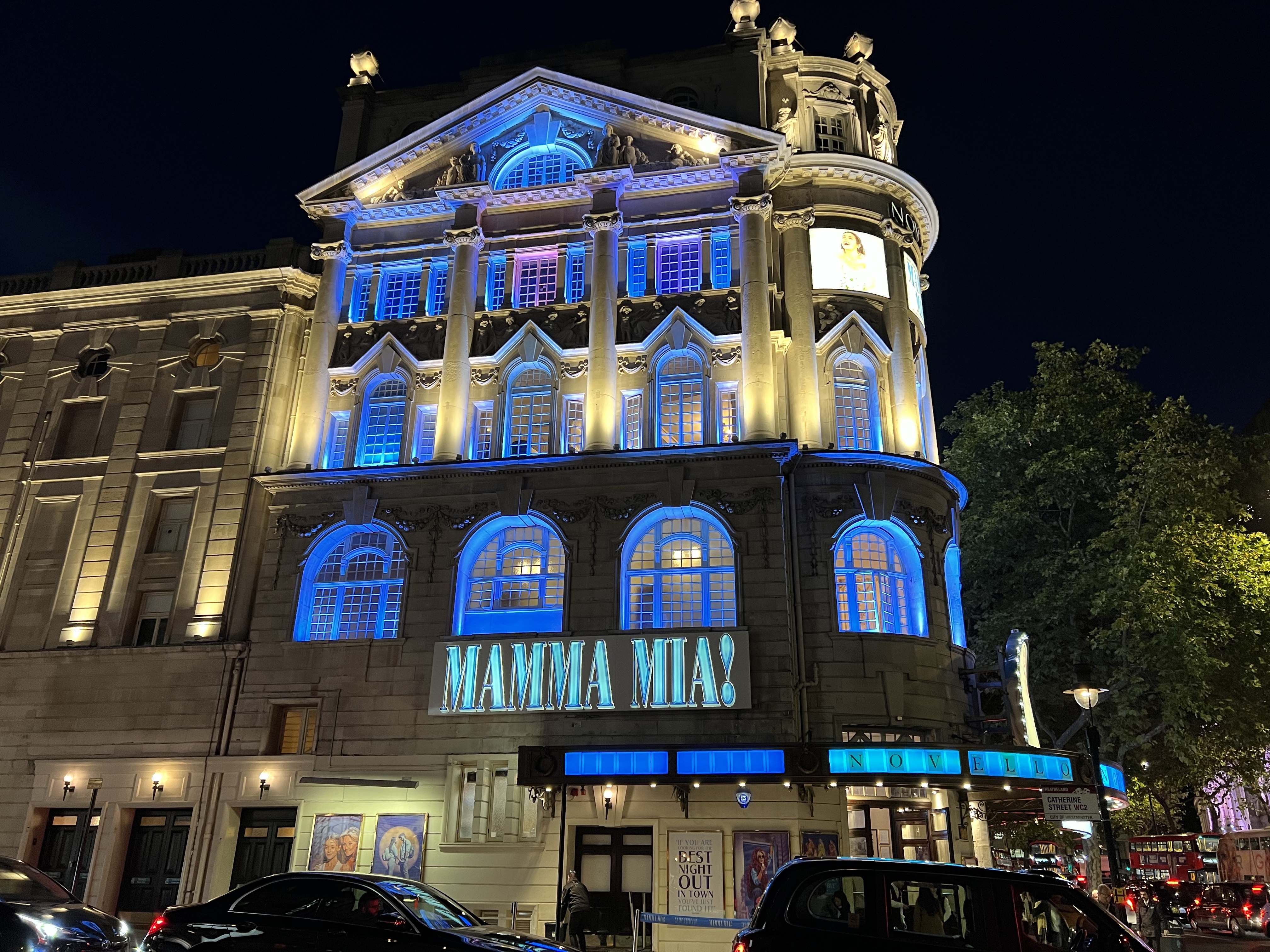
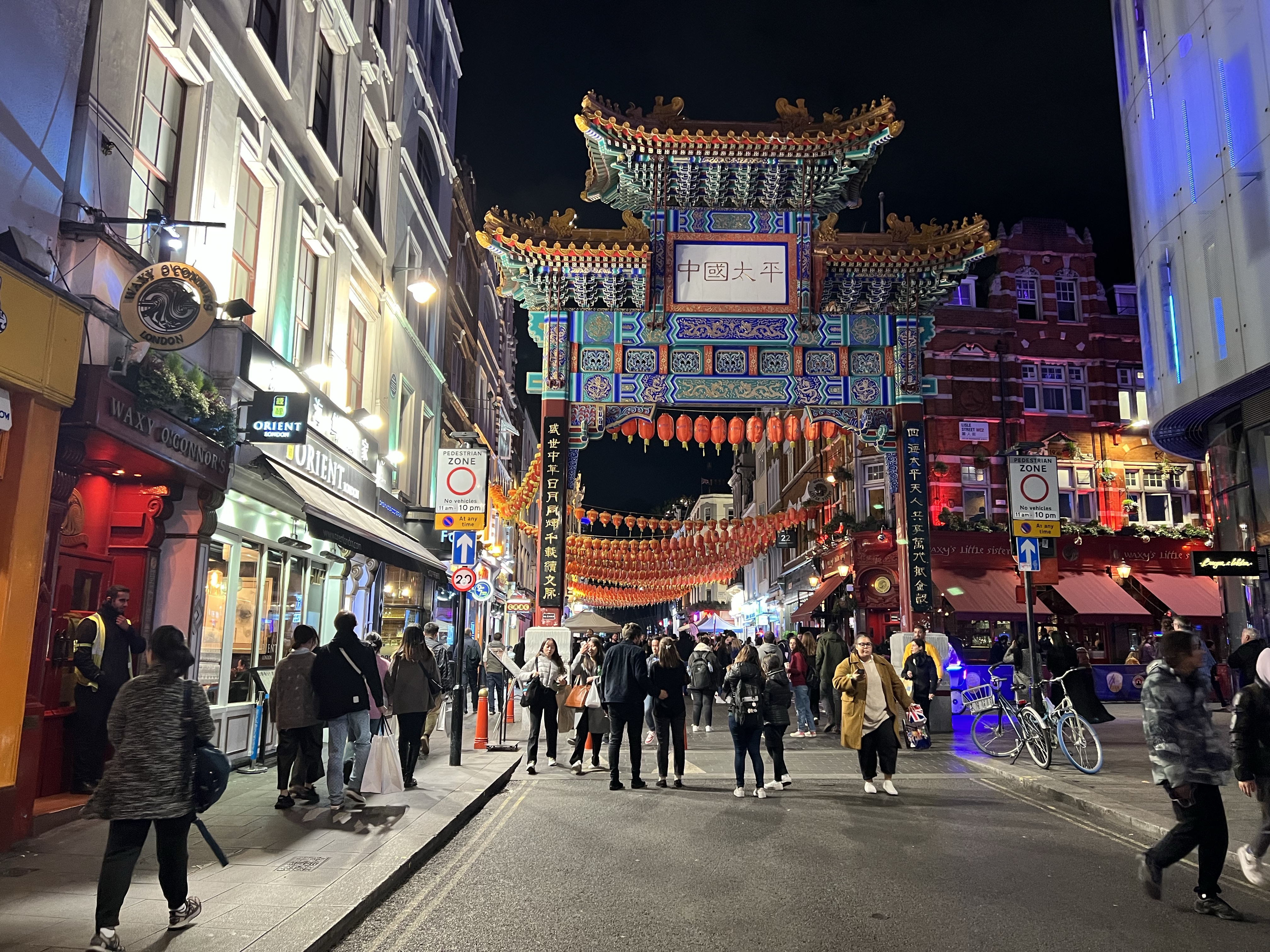
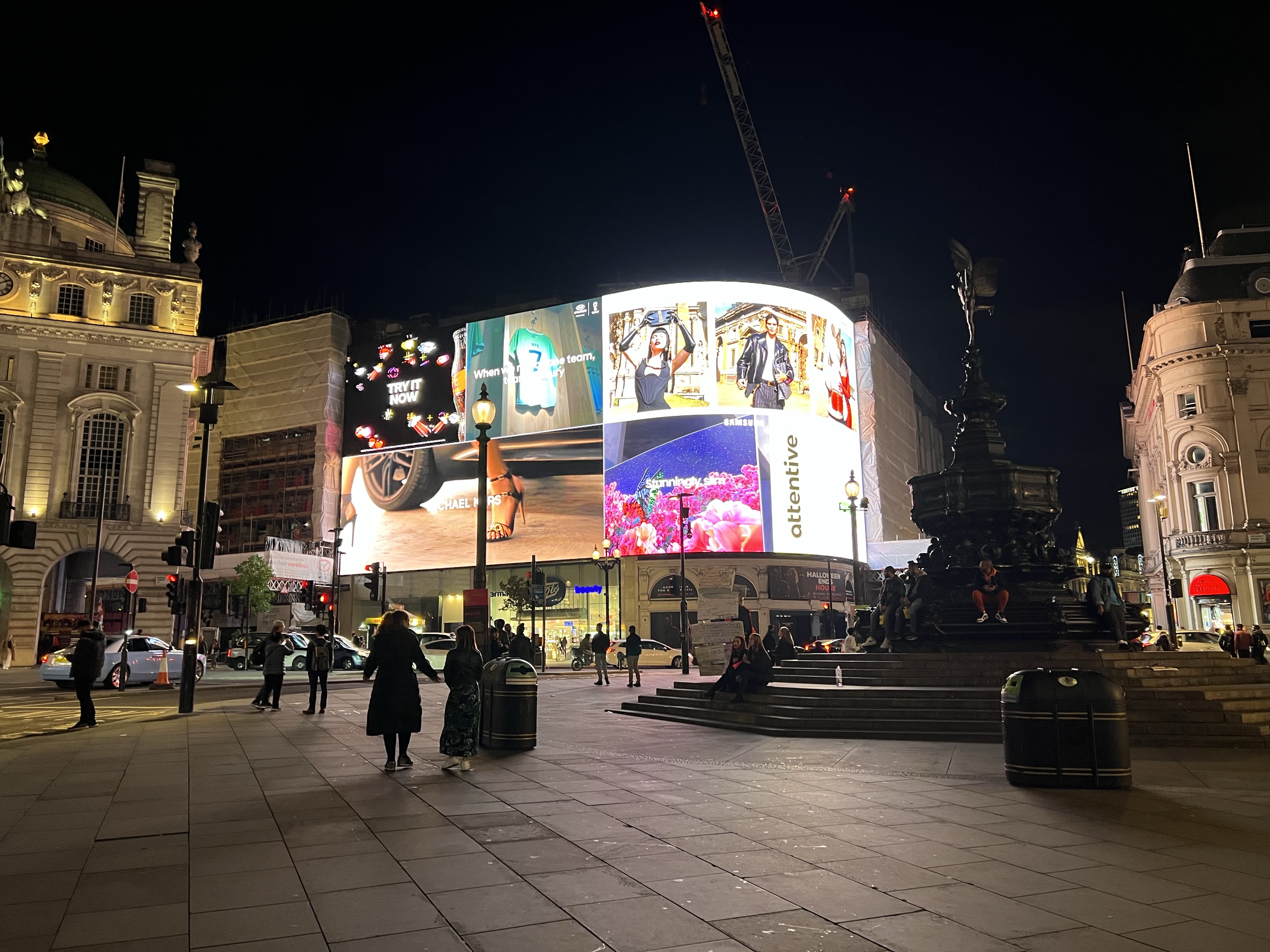
    I wasn’t going to the show myself, partly because I have no interest in musicals. So, having left them at the theatre, I had about three hours to kill in London. I love the place, I have a fairly good knowledge of how to get around it, but I had never really been out in it at night before so decided to stick to well-populated and well-lit areas. I walked about seven miles in the end, taking in Trafalgar Square, Covent Garden, the West End, the Savoy, the South Bank, Waterloo Bridge, Chinatown and Piccadilly Circus. Here are the photos I took:

    I had a great time. As an introvert, one thing I love about London is how I can wander through it anonymously. There are so many people there, all doing their own thing, that no one notices you. I could go anywhere and no one would pay any attention to me. The only trouble was, I felt distinctly rough.

    I met the rest outside the theatre around 10pm, was told I looked “crap”, and our plans to go for a drink were abandoned. We made our way back to our lovely hotel in a black cab, no less – the first time I have ever been in a proper Hackney Carriage.

    From talking to the others, it appeared that, remarkably, I had actually got the best hotel room. I had a reasonable-sized bathroom, while they were struggling to put into words how small theirs was. I agreed to swap rooms with mum and Dave’s friends, so they could benefit from the extra space. I was upgraded to the ground floor and to room number 1. Was I moving up in the world?

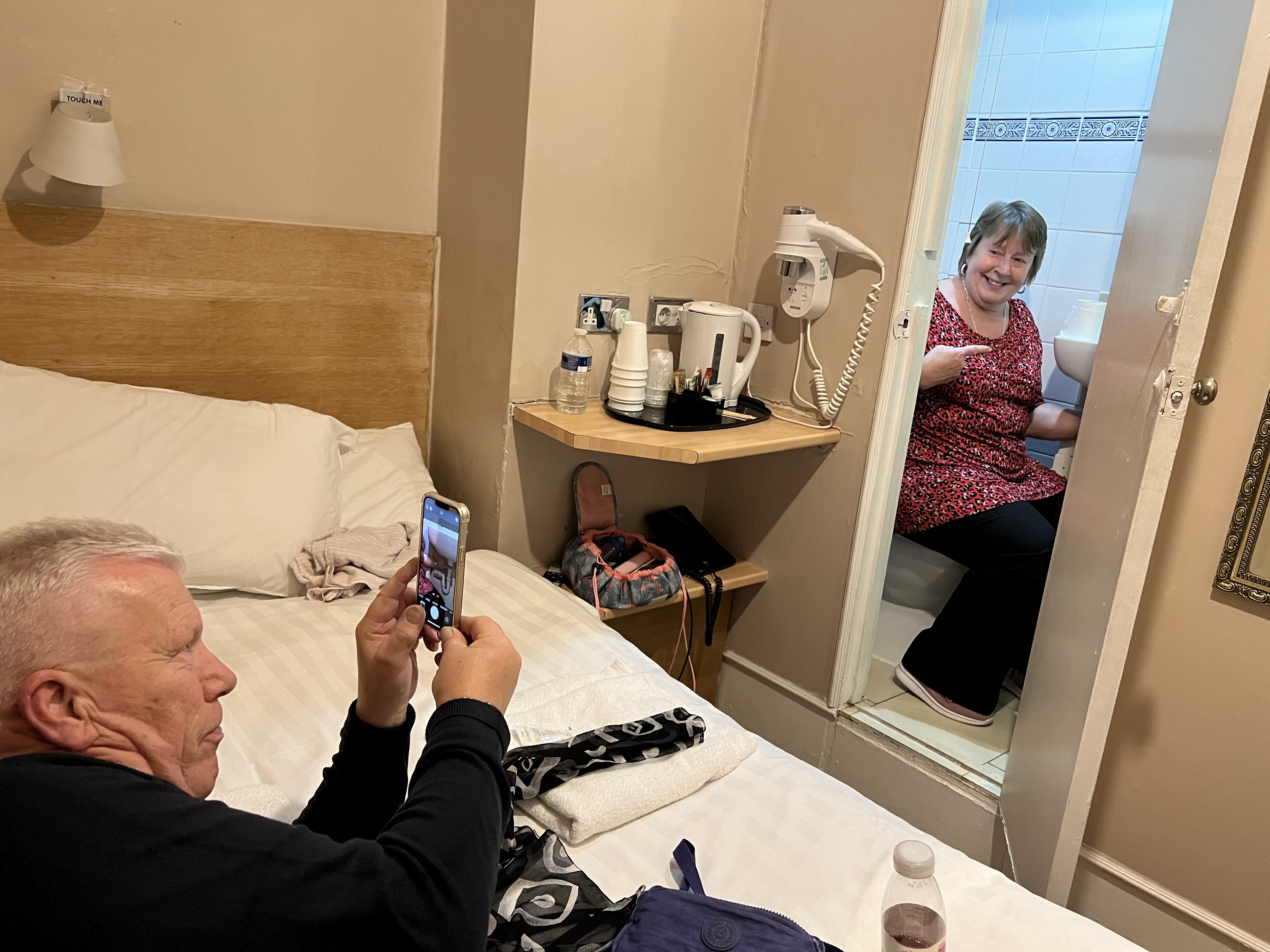
    No. I now had a view out onto the street, at least, which was much nicer than the tip I had overlooked down in the basement. But inside, the room was just as filthy and ramshackle. The size of the toilet and shower needs to be seen to be believed, so here’s a picture:

    My mum demonstrates the size of the toilet in the Grapevine Hotel

    It’s quite obvious that the wardrobes in these rooms had been converted into toilets and showers, allowing the owners to market the hotel as having en suite rooms. I have never seen a toilet so small. My mum could have brushed her teeth whilst sitting on the throne, and we blokes had to stand at an angle to have a wee. That uncontrollable laughter from earlier in the day returned with a vengeance at my first sight of the loo-in-a-cupboard. It was quite a step down back into the room from the toilet, but I had nothing to worry about because if I tripped I would have landed safely on the bed.

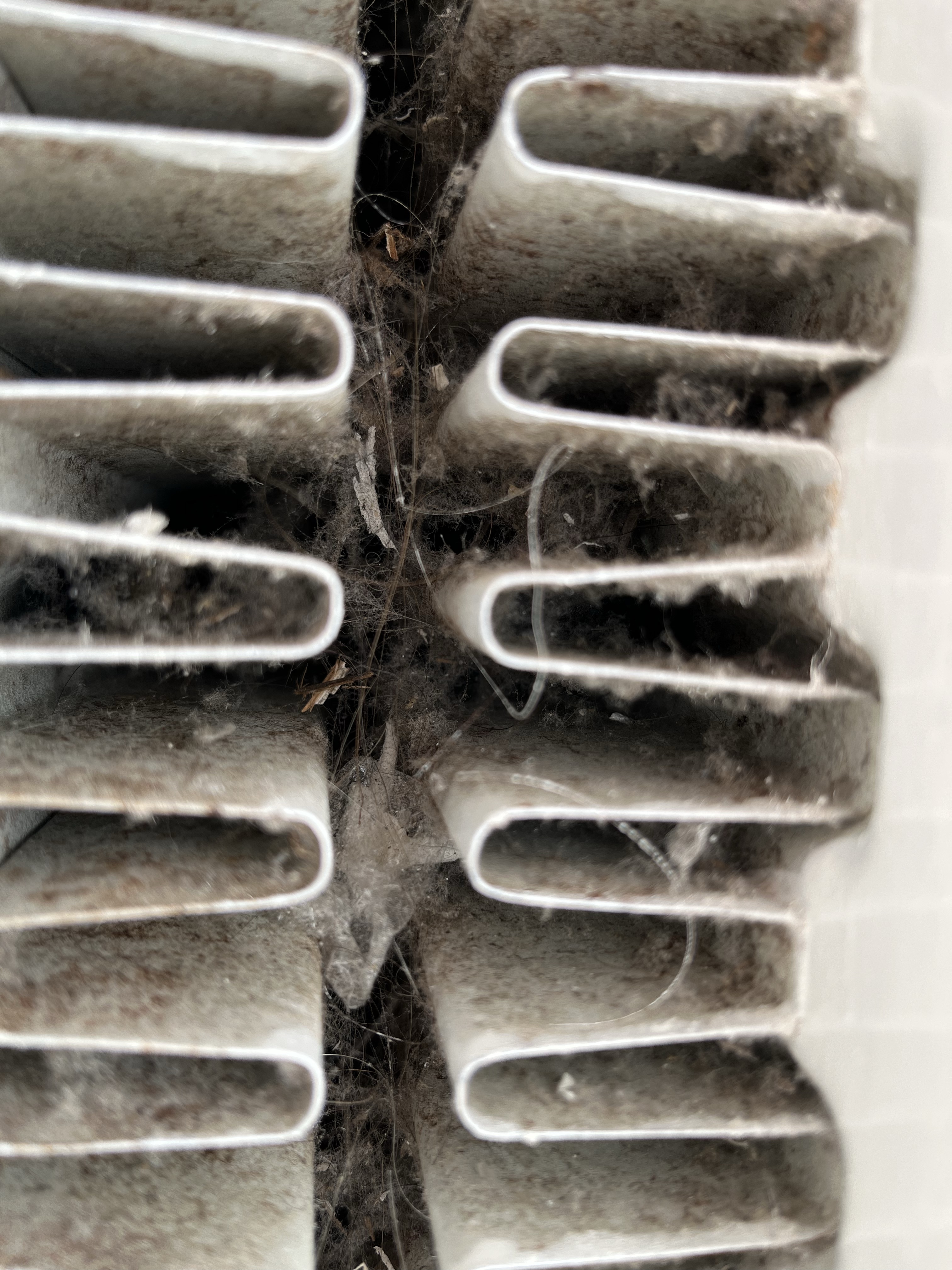
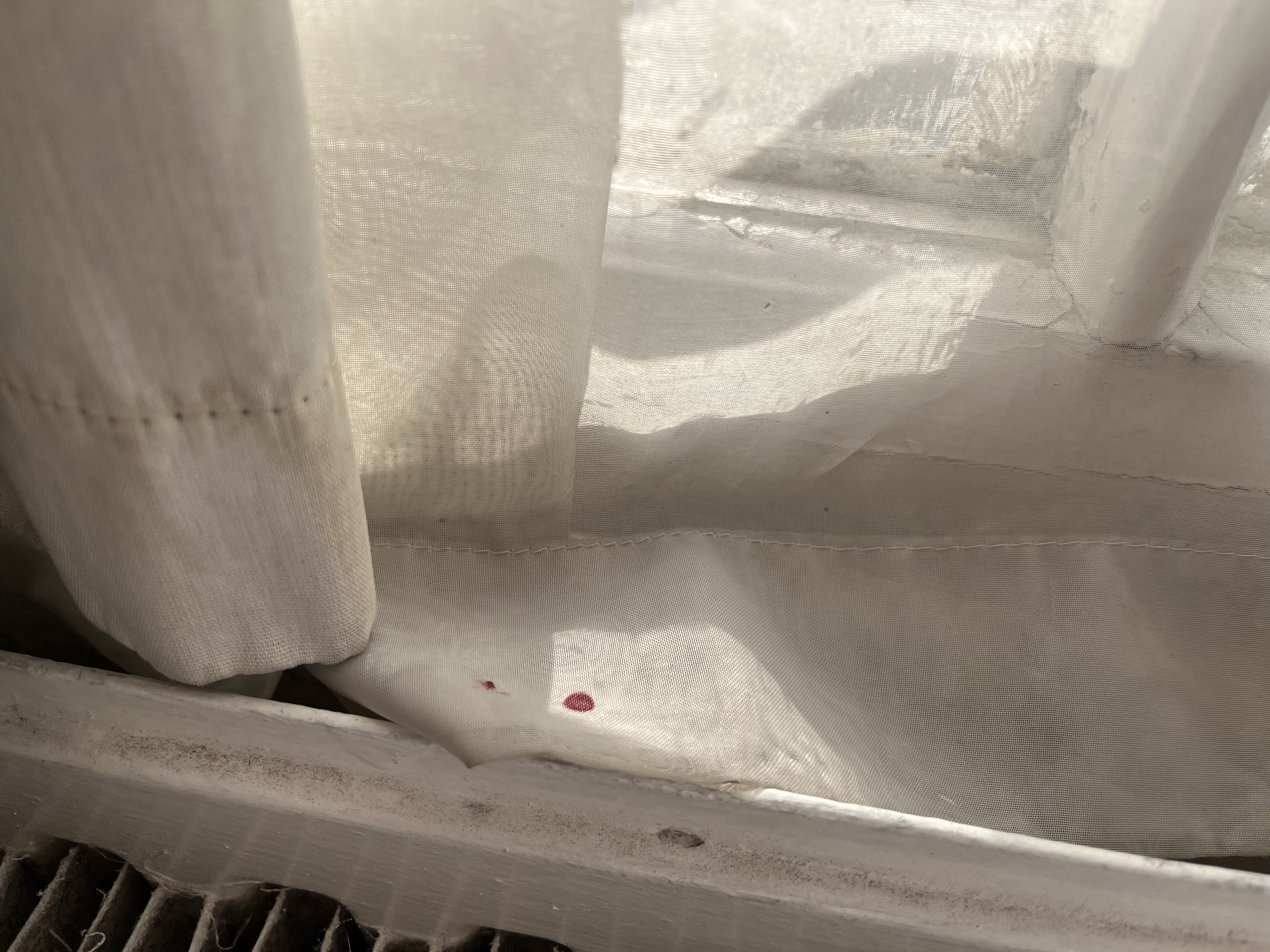
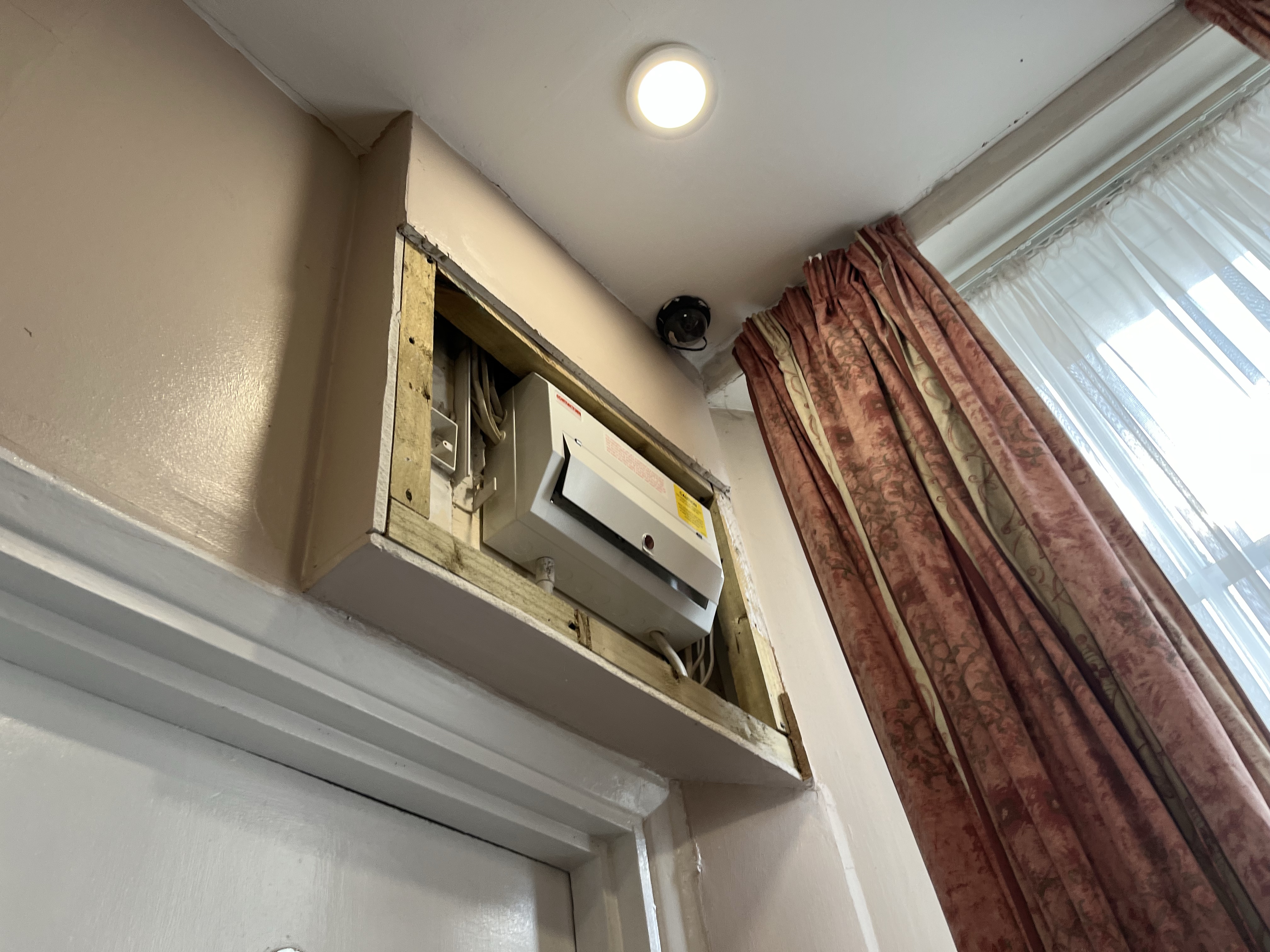
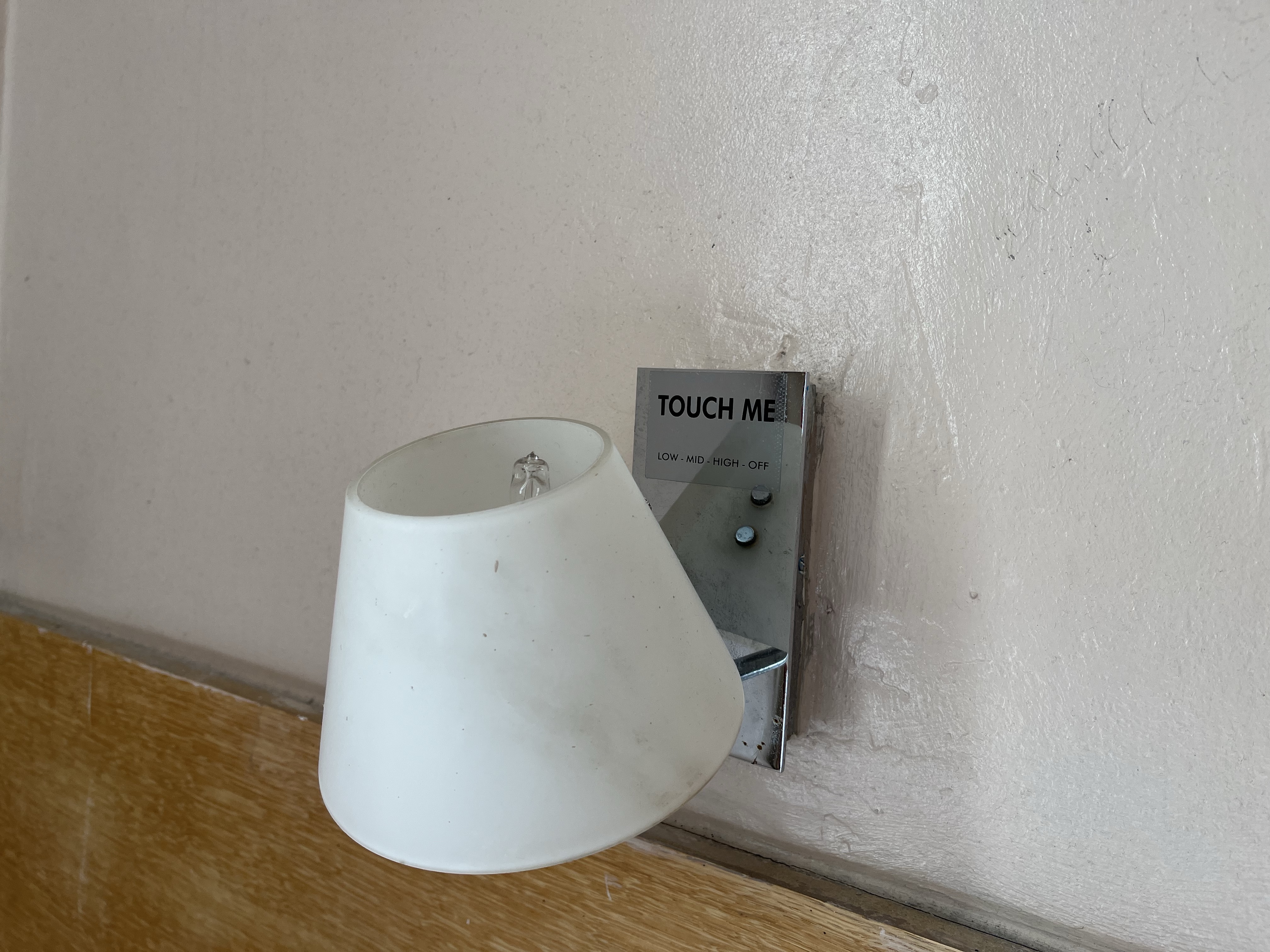
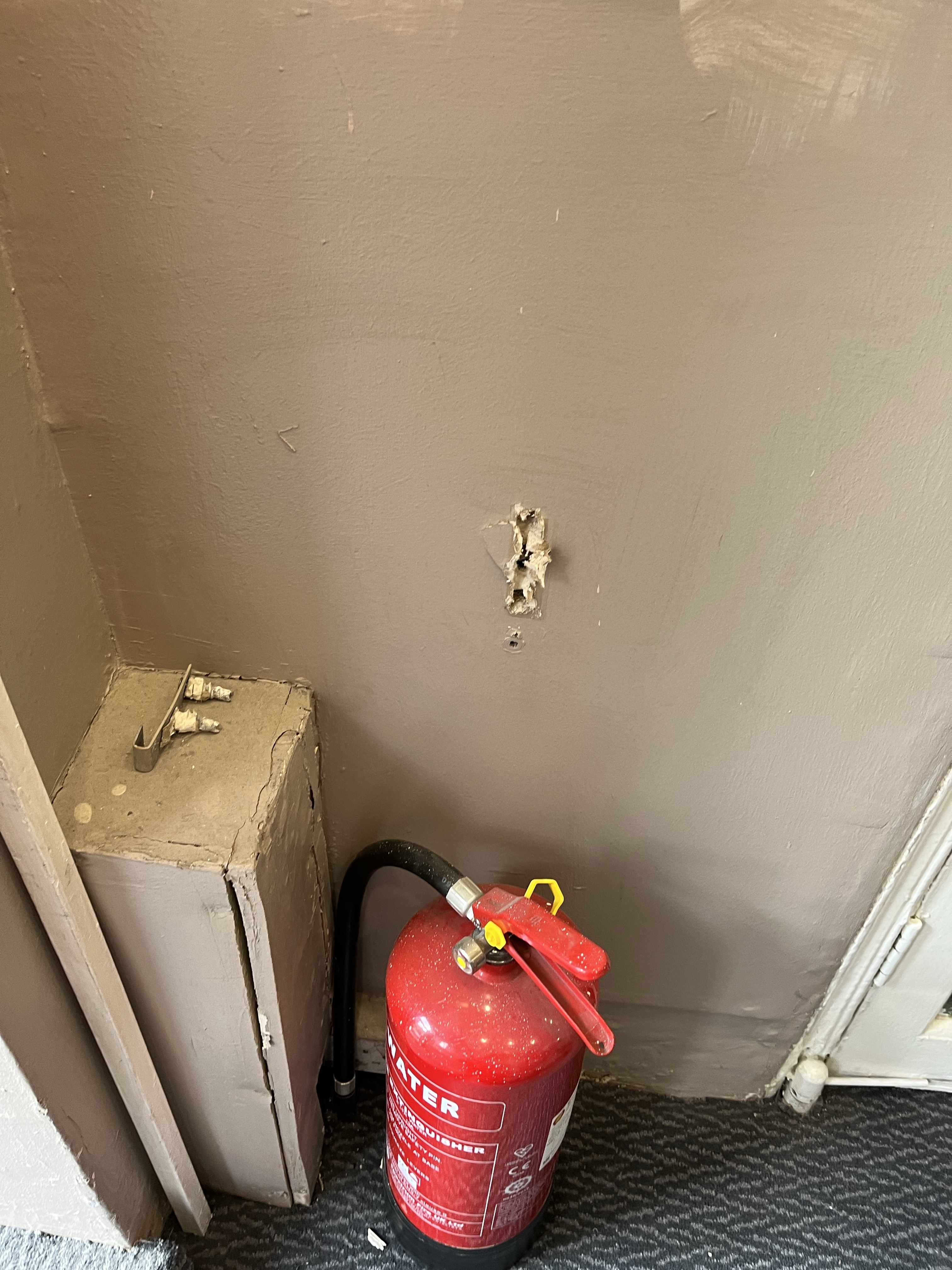
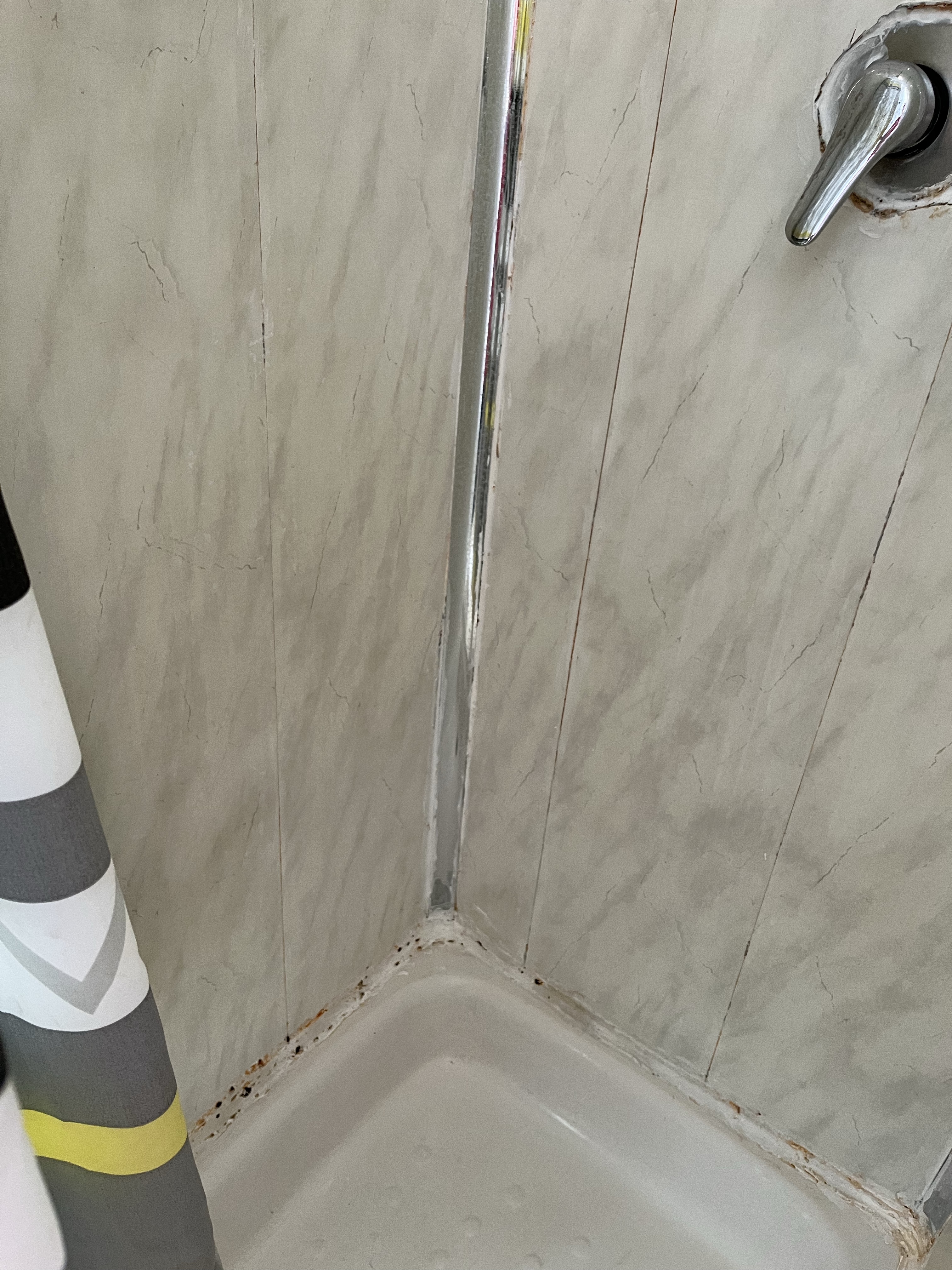
    Here are some more photos of this marvellous accommodation:

    One saving grace was that the bed was clean, and I managed about four hours of sleep, about three more than some of the others. We’d left the Grapevine by 8.30 on Friday morning, having handed in the keys and told the guy on reception what a dump it was.

    Our train home wasn’t until 3.30pm, so we had a nice stroll around London, past many of the places I had seen the night before.

    We got to Liverpool Street without getting lost. The train home was on time, my job was complete, and none of us would ever forget our 26 hours in London. Or the Grapevine Hotel.